English
 中文简体
中文简体
This soft cocoa cookie crumb has a rich, mellow, chewy texture and is an ideal partner for chocolate and vanilla ice cream. It keeps its soft bite even after being mixed into ice cream.
See Details

 2026.06.19
 Industry News
Content
Cookie crumbs stay crisp in high-humidity regions only when three conditions are controlled together: relative humidity at or below 65% RH, product moisture content at or below 5%, and an airtight, nitrogen-flushed package that is resealed immediately after opening. Skip any one of these and clumping, mold growth, or flavor loss typically shows up within weeks rather than months.
Cookie crumbs are far more vulnerable to moisture than whole biscuits. Crushing a biscuit into granules multiplies its exposed surface area, which means ambient water vapor has many more entry points to migrate into the product. In coastal and tropical sourcing regions — Southeast Asia, southern China, parts of Latin America — average relative humidity frequently sits well above the 65% RH ceiling that bulk crumb storage requires, especially during monsoon or summer seasons.
Once moisture content rises past roughly 5%, the structural sugar-fat matrix inside the crumb begins to soften from the inside out. This is not a cosmetic issue. It directly affects crunch retention in ice cream inclusions, cheesecake bases, and yogurt toppings, and it shortens shelf life from the standard 9–12 months down to a few weeks in uncontrolled conditions.
The table below sets out the baseline conditions used across commercial cookie crumb manufacturing and warehousing, with adjustments noted for facilities operating in high-humidity zones.
| Parameter | Standard Target | High-Humidity Adjustment |
| Storage Temperature | ≤ 25°C (77°F) | ≤ 22°C with dehumidified air handling |
| Relative Humidity | ≤ 65% RH | ≤ 55% RH, monitored continuously |
| Product Moisture Content | ≤ 5% | ≤ 3.5%, water activity below 0.4 |
| Packaging | Multi-layer foil or PE-lined bags | Nitrogen-flushed, double-sealed, desiccant sachets added |
| Opened-Bag Shelf Life | 4–6 weeks | 2–3 weeks, vacuum-sealed after each use |
For facilities in Southeast Asia or similar climates, climate-controlled warehousing is no longer optional, even for products rated as ambient-stable elsewhere. A simple but effective practice is to keep crumbs on raised pallets rather than directly on concrete floors, since concrete wicks moisture upward and accelerates spoilage near the base of stacked cartons.
Beyond fixed environmental settings, day-to-day handling habits make a measurable difference in humid regions.
Not all cookie crumbs behave the same way under humidity stress, and this matters when selecting a grade for humid-climate operations.
| Crumb Type | Typical Particle Size | Humidity Sensitivity |
| Coarse cocoa crumbs | 2–6 mm | Moderate — larger pieces resist surface clumping longer |
| Fine cocoa crumbs / powder | Under 1 mm | High — large surface area absorbs moisture fastest |
| Caramel biscuit crumbles | 2–5 mm | Moderate to high — sugar content draws moisture readily |
Cocoa cookie crumbs typically carry 15–25% fat by weight. A higher fat content can act as a partial moisture barrier at the particle surface, but it also raises the importance of oxidation control, since fat and moisture degradation often compound each other in warm, humid storage rooms. For applications such as ice cream sandwich inclusions, manufacturers frequently apply a thin cocoa butter or palm oil coating to the crumb surface before packaging — this single step measurably slows water activity transfer in frozen and ambient storage alike.
Understanding the failure modes helps explain why the parameters above are non-negotiable rather than aspirational targets.
| Condition Exceeded | Observable Result |
| Relative humidity above 65% | Clumping, loss of crunch, surface mold risk within 1–2 weeks |
| Temperature above 25°C | Fat oxidation, rancid notes, faster flavor degradation |
| Moisture content above 5% | Increased microbial activity, structural collapse of granules |
| Packaging left open or loosely sealed | Rapid moisture uptake, odor absorption from storage area |
Can sealed cookie crumbs still spoil in tropical climates even before the printed shelf life? Yes, if the seal integrity is compromised during transport or if pallets are stored without proper dunnage on humid floors. Always inspect packaging for pinholes or seal failures upon receiving, particularly after long sea freight routes through humid ports.
Is refrigeration necessary for cookie crumbs in hot, humid regions? Refrigeration is not typically required for sealed, factory-packed crumbs, but climate-controlled (dehumidified) ambient warehousing is strongly recommended once average regional humidity regularly exceeds 70% RH.
How can a buyer verify a supplier's moisture control before placing a bulk order? Request batch-level moisture content data and, where relevant, water activity (aw) values below 0.4 for frozen-application crumbs. Reputable manufacturers will also share peroxide value (PV) data confirming oxidation stability below 5 meq/kg at delivery.
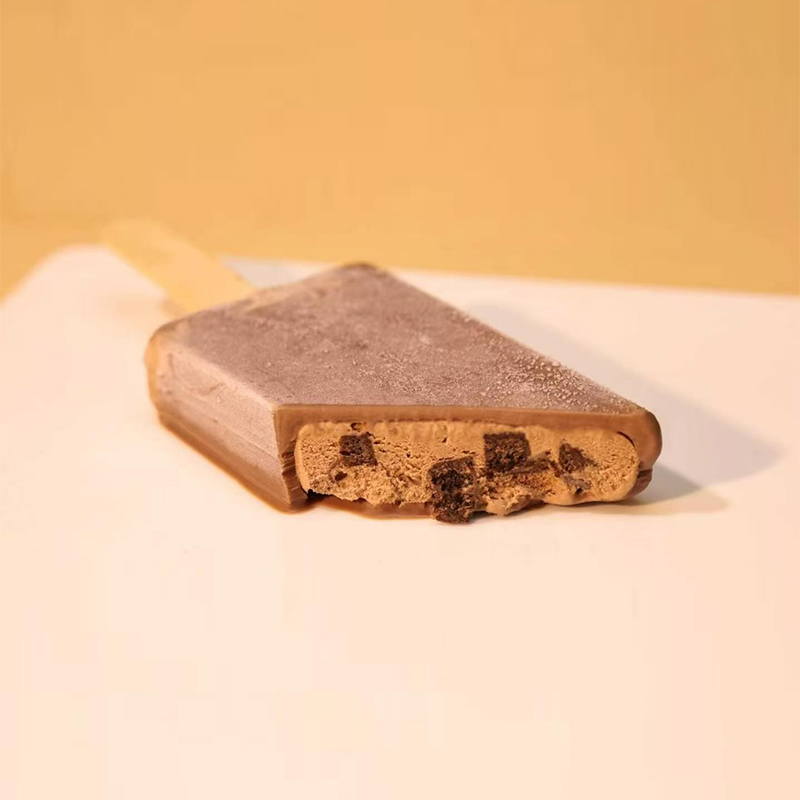
This soft cocoa cookie crumb has a rich, mellow, chewy texture and is an ideal partner for chocolate and vanilla ice cream. It keeps its soft bite even after being mixed into ice cream.
See Details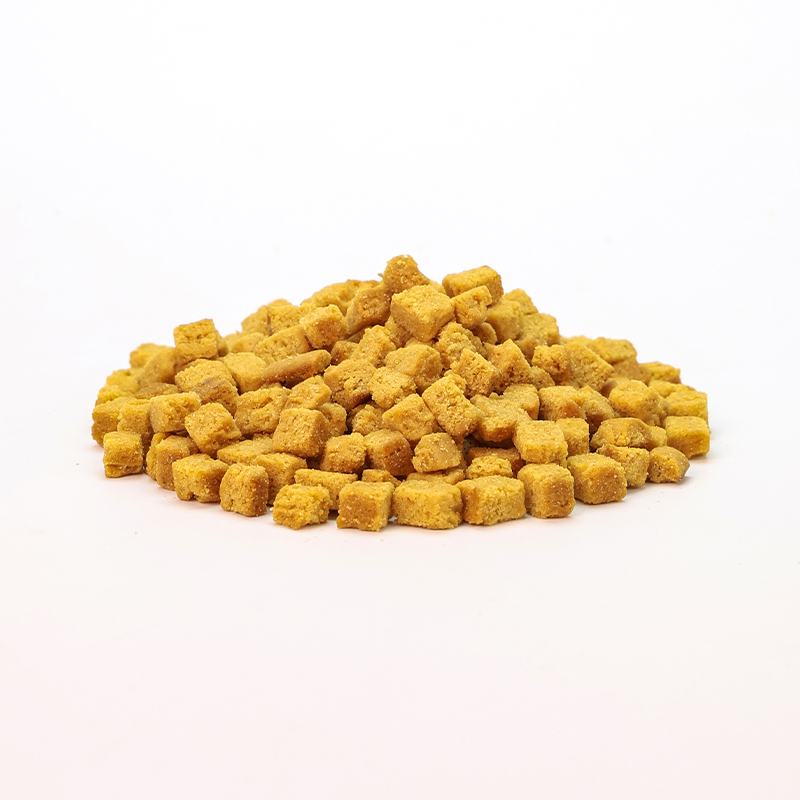
This soft butter cookie crumb has a springy, chewy texture and a rich natural butter aroma. It gives ice cream a cake-like richness and can also be used as a base layer for cheesecake.
See Details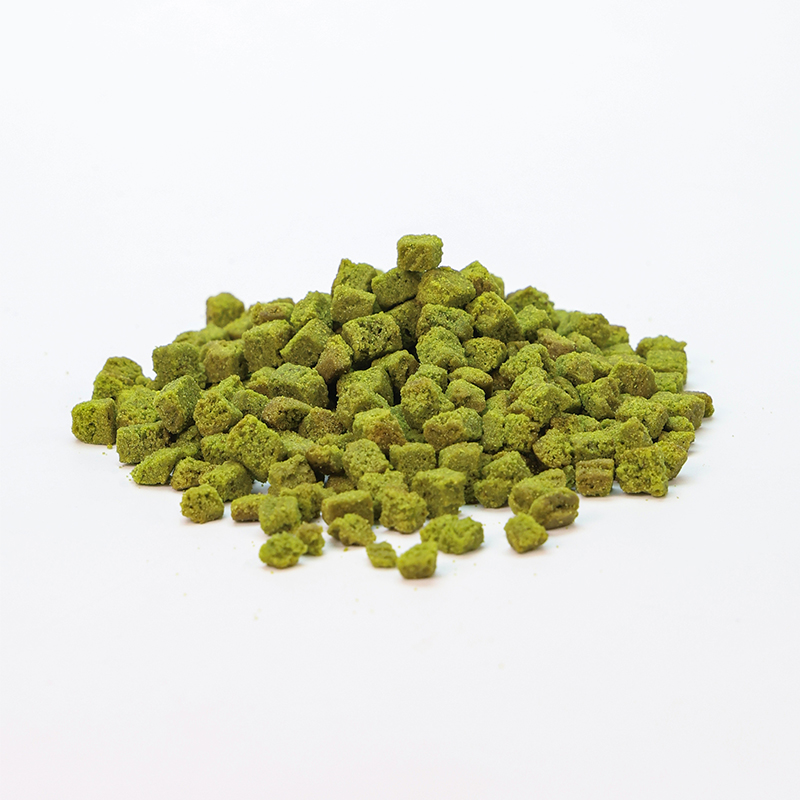
This soft matcha cookie crumb has a springy, chewy texture, and both its color and flavor come from real matcha. It adds a distinctive, recognizable touch to matcha desserts and ice cream.
See Details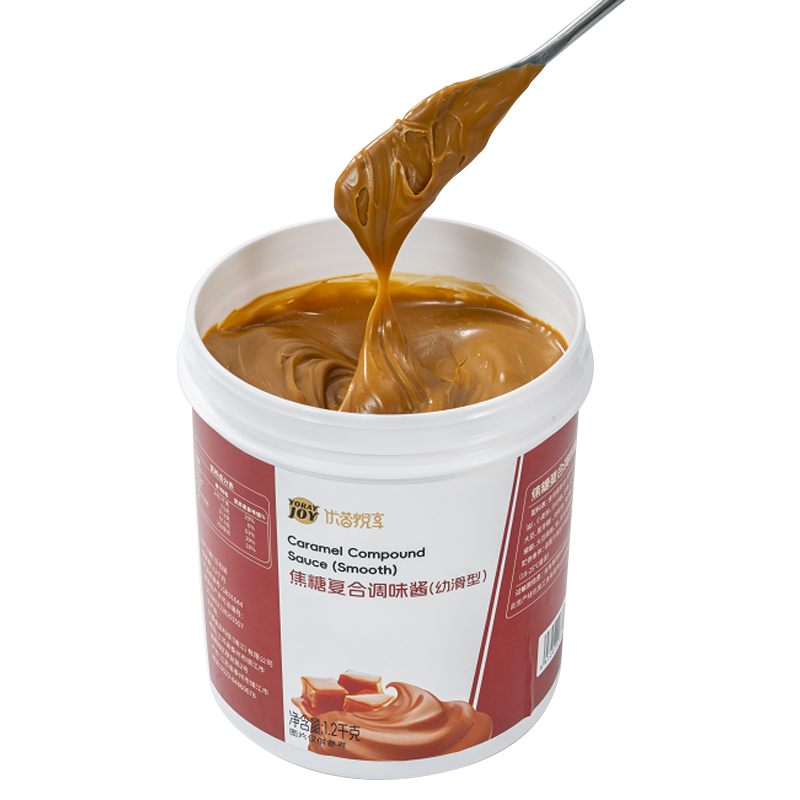
Inspired by classic European craftsmanship, this product perfectly blends the deep sweetness of caramel with the warm aromas of cinnamon and cloves, transforming them into a silky-smooth liquid form. Adhering to a natura...
See Details
Quick Links
Product Category
Code Preview