English
 中文简体
中文简体

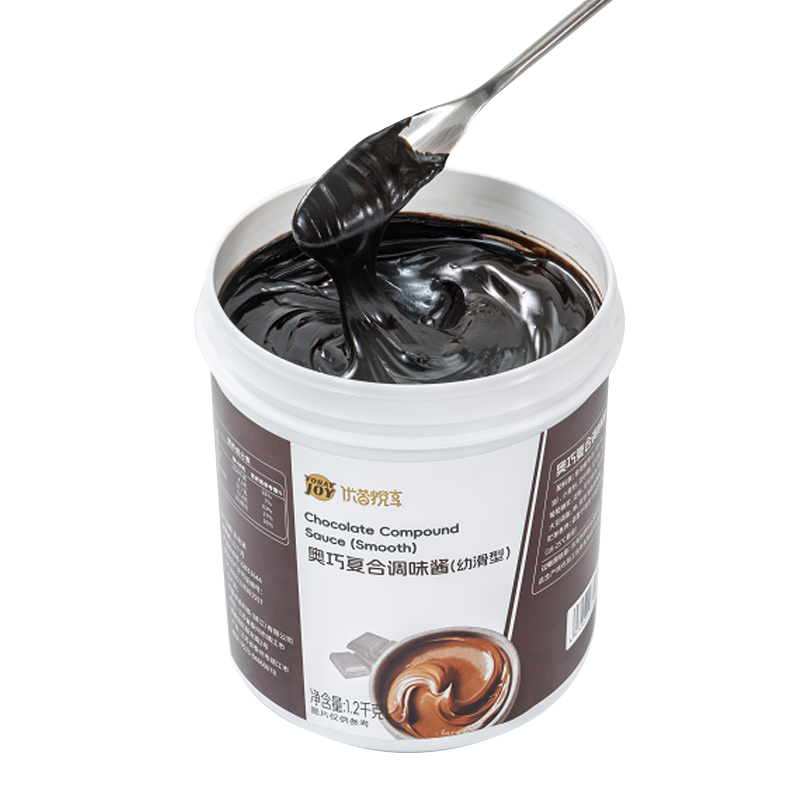
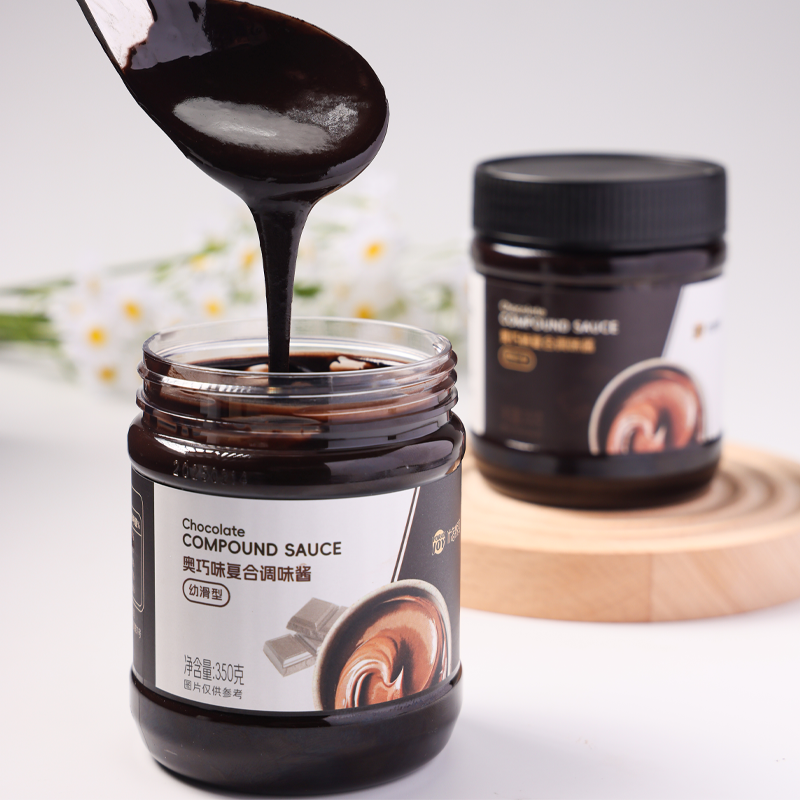
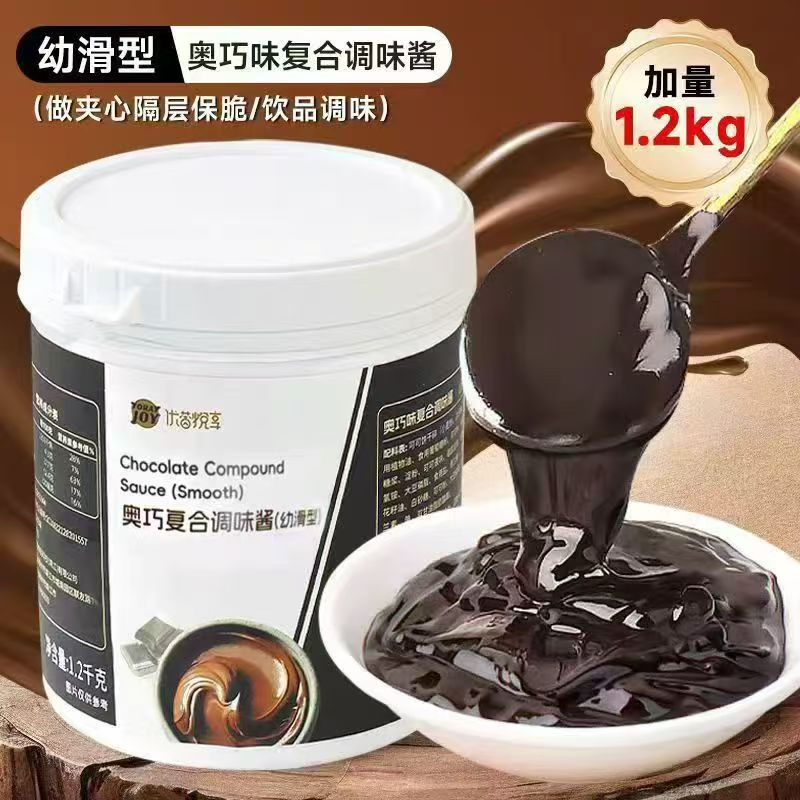





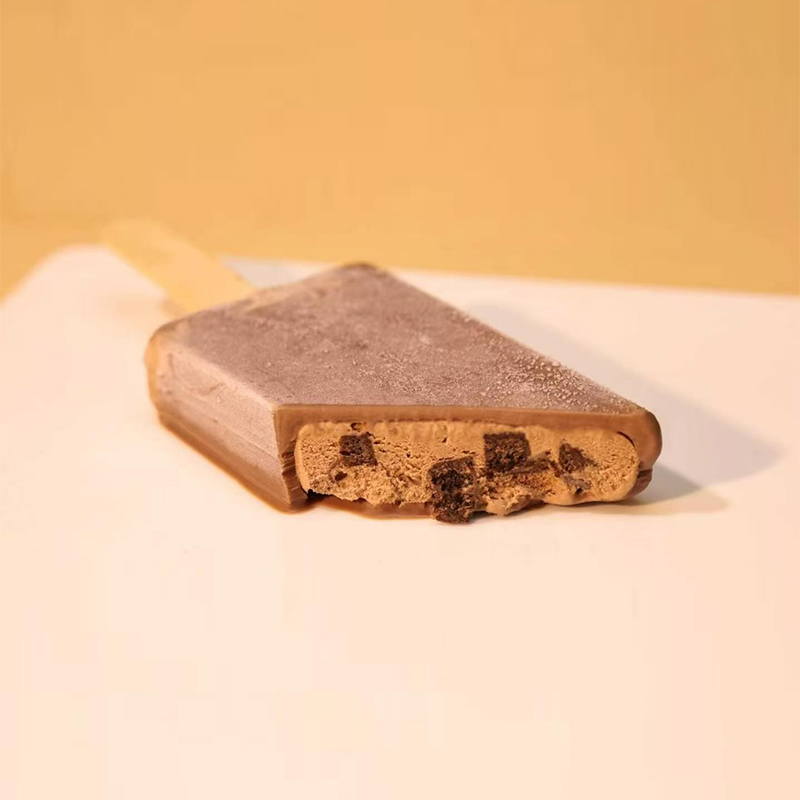
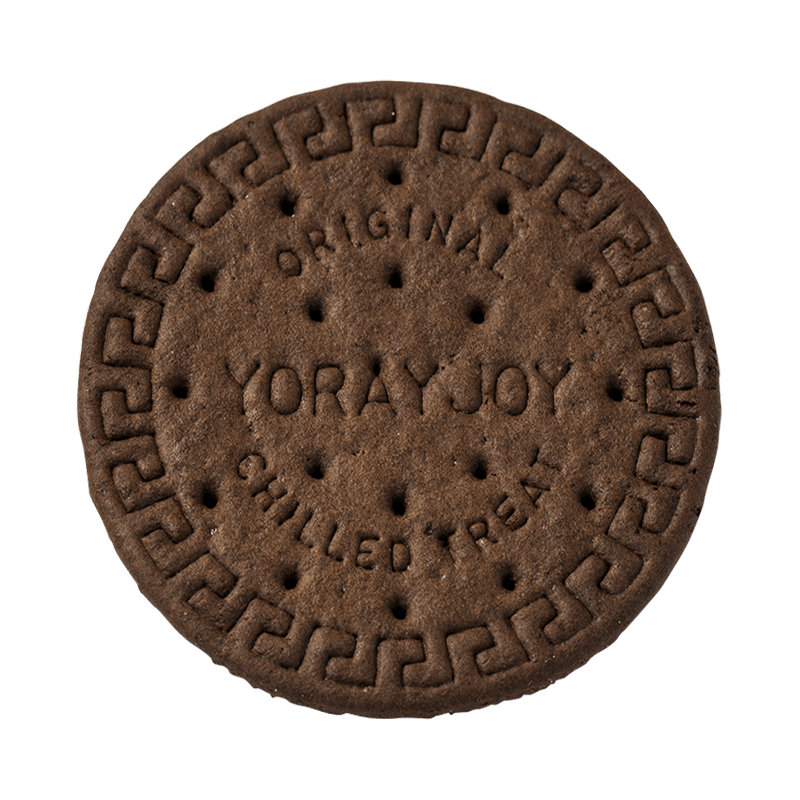
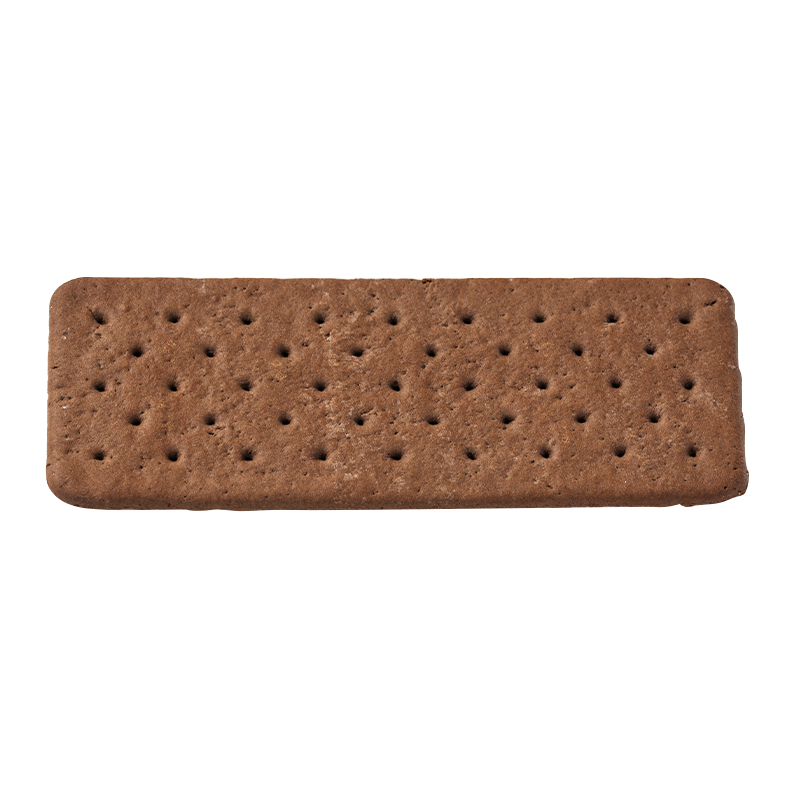
What Is Cocoa Cookie Spread?
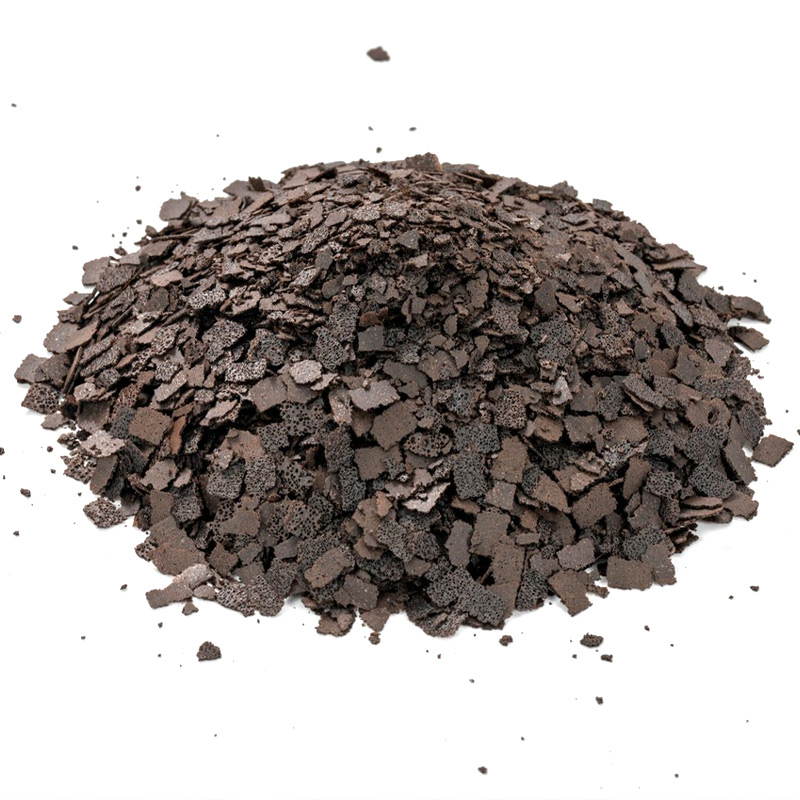
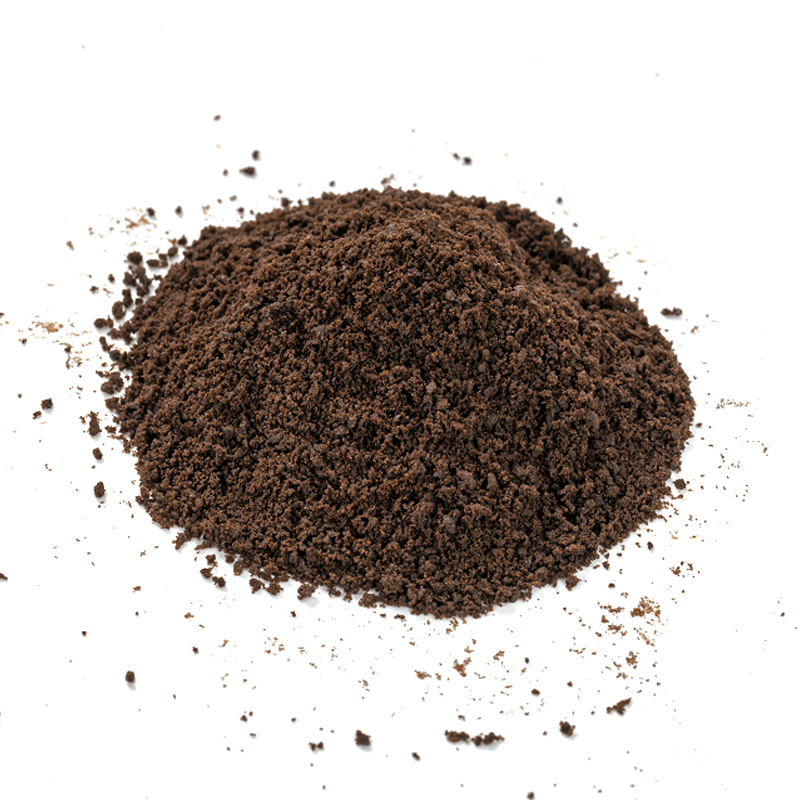
Cocoa cookie spread is a fat-based filling material composed primarily of cocoa powder, vegetable oils, sugar, and finely ground cookie or biscuit crumbs. It is engineered specifically as a biscuit base material—used as a sandwich filling, topping layer, or inclusion in layered baked goods. Unlike standard chocolate spreads, cocoa cookie spread is formulated to deliver a distinct dual-texture experience: the smooth richness of cocoa combined with the subtle graininess and toasted flavor of crushed cookie particles.
In the food manufacturing industry, this product falls under the category of compound cream fillings or fat-based spreads, distinct from pure chocolate coatings or dairy-based creams. It is widely used by biscuit producers, snack food companies, and OEM manufacturers across Asia, Europe, and emerging markets.
Core Ingredients and Formulation Principles
The formulation of cocoa cookie spread follows strict fat-phase and solid-phase balancing principles to ensure spreadability, shelf life, and sensory performance. Key components include:
- Vegetable fat (typically palm oil or its fractions): Provides the carrier matrix and controls melting point. A solid fat content (SFC) of 15–25% at 20°C is standard for ambient-stable spreads.
- Cocoa powder (10–18% by weight): Delivers color, bitterness balance, and antioxidant character. Alkalized (Dutched) cocoa is most common for its smoother, darker profile.
- Powdered sugar (35–45%): Controls sweetness and particle size; typically milled below 25 microns to avoid a sandy mouthfeel.
- Cookie crumb inclusion (8–15%): The defining characteristic. Crumbs are pre-baked and sized to 0.5–2mm to maintain texture integrity within the fat matrix.
- Emulsifiers (lecithin, PGPR): Reduce viscosity and improve homogenization of fat and powder phases.
- Flavorings (vanilla, milk powder, caramel notes): Used to layer complexity and brand differentiation.
Water activity (Aw) is kept below 0.50 to ensure microbiological stability without refrigeration—a critical specification for industrial sandwich biscuit production lines.
Cocoa Cookie Spread vs. Nutella: Key Industry Differences
This is one of the most common questions from buyers entering the category. Cocoa cookie spread and Nutella are fundamentally different products in terms of purpose, composition, and application. Nutella is a consumer retail hazelnut-cocoa spread; cocoa cookie spread is an industrial biscuit base material optimized for B2B food manufacturing.
| Parameter | Cocoa Cookie Spread | Nutella |
|---|---|---|
| Primary Use | Industrial biscuit filling / B2B ingredient | Consumer retail table spread |
| Key Flavor Note | Cocoa + toasted cookie/biscuit | Cocoa + hazelnut |
| Texture | Semi-firm with crumb particles; designed for extrusion/depositing | Smooth and uniform; designed for spreading by hand |
| Fat Source | Palm oil / fractionated vegetable fat | Palm oil + hazelnut oil |
| Nut Content | None (allergen-free options available) | ~13% hazelnuts (tree nut allergen) |
| Viscosity Control | Engineered for pumping, depositing, and enrobing | Not designed for industrial processing |
| MOQ / Packaging | Bulk (200kg drums, IBC totes, 25kg bags) | Consumer jars (200g–1kg) |
| Customization | OEM formula adjustment available | Fixed proprietary formula |
For biscuit manufacturers sourcing at scale, cocoa cookie spread offers significant cost advantages over hazelnut-based alternatives—typically 30–50% lower per-kilogram pricing—while delivering a comparable indulgent sensory profile optimized for the baked goods format.
Industrial Applications: Where Cocoa Cookie Spread Is Used
Cocoa cookie spread serves as a versatile biscuit base material across several product categories. Understanding its application scope helps manufacturers determine formulation and rheological requirements.
Sandwich Biscuits
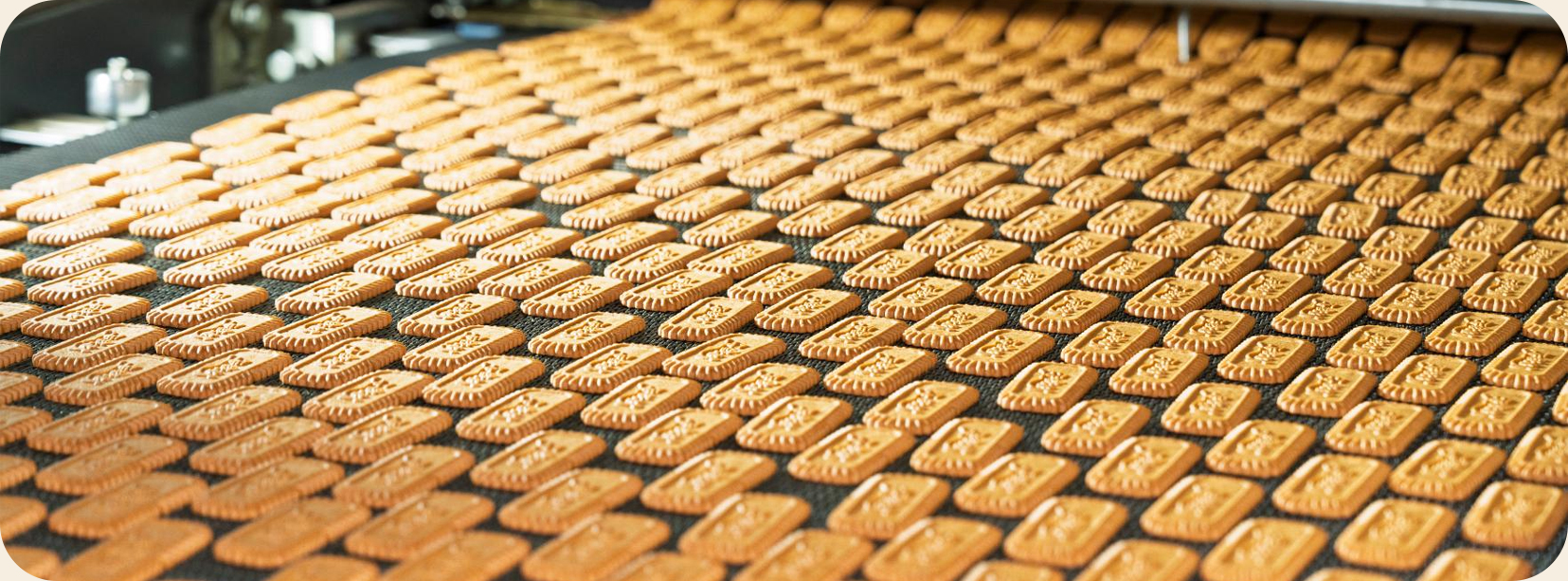
The dominant application. Cocoa cookie spread is deposited between two biscuit wafers using rotary or wire-cut sandwich lines. Filling weight ratios typically range from 30% to 45% of total biscuit weight. The spread must maintain dimensional stability at ambient temperatures up to 35°C during distribution in warm climates.
Wafer Filling Layers
Used as an interleaf cream in multi-layer wafer blocks. Viscosity requirements are stricter here—typically 3,000–6,000 mPa·s at 40°C—to ensure even spreading without breakage of thin wafer sheets.
Filled Cookies and Soft Cakes
Injected into soft-baked cookie centers or used as a layer in laminated snack cakes. Higher moisture tolerance in the spread formulation may be required to prevent migration into the cake crumb.
Coatings and Enrobing
A thinner-viscosity variant of cocoa cookie spread is used for partial enrobing of biscuit bars and sticks, delivering a textured surface coating that differentiates the product from standard chocolate-coated items.
Key Quality Parameters Buyers Should Specify
When sourcing cocoa cookie spread from a manufacturer, procurement teams should define the following technical parameters to ensure product-line compatibility:
- Viscosity range at processing temperature (typically 35–45°C), measured in mPa·s using a Brookfield viscometer.
- Solid fat content (SFC) profile at 20°C, 25°C, and 30°C to confirm texture behavior at retail and ambient storage temperatures.
- Cookie crumb particle size distribution (D90 value), which affects mouthfeel and line runnability.
- Shelf life under defined storage conditions (typically 12–18 months at ≤25°C, 60% RH).
- Allergen declaration (gluten, milk, soy, nuts)—especially critical for export markets with differing labeling regulations.
- Trans fat content: Must be ≤0.3g per 100g in EU-compliant formulations as of current regulatory standards.
Frequently Asked Questions About Cocoa Cookie Spread
Is cocoa cookie spread the same as chocolate spread?
No. Chocolate spread typically contains cocoa butter or real chocolate liquor, making it a higher-cost premium ingredient. Cocoa cookie spread uses compound fat systems (vegetable fats) with cocoa powder, making it more cost-effective and more stable in automated production environments. The addition of cookie crumbs is what uniquely distinguishes cocoa cookie spread as a product category.
Can the formula be customized for specific production lines?
Yes. Reputable cocoa cookie spread manufacturers like Youlei Food Technology offer OEM formulation services. Variables including cocoa intensity, sweetness level, crumb particle density, fat hardness, and flavoring can be adjusted to match specific biscuit formats, regional taste preferences, or production line speed requirements. Custom rheological profiles can be developed for lines running at speeds above 400 units/min.
What certifications should a supplier hold?
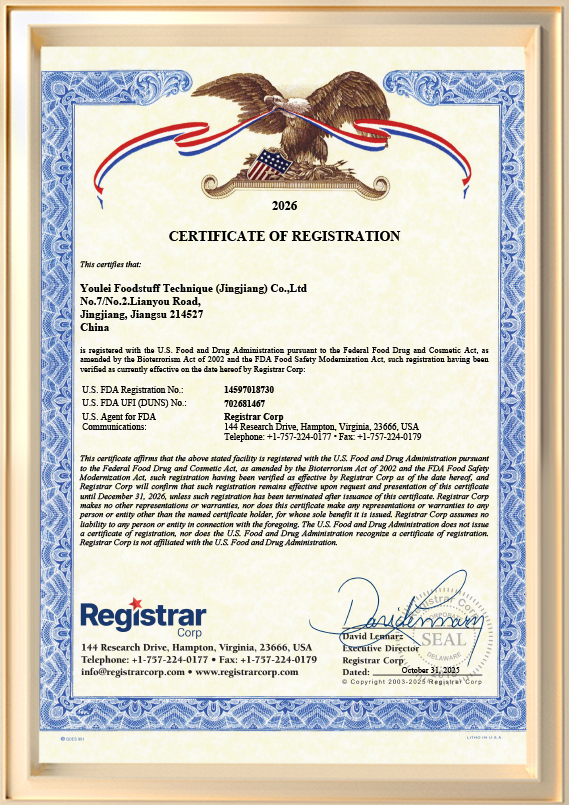
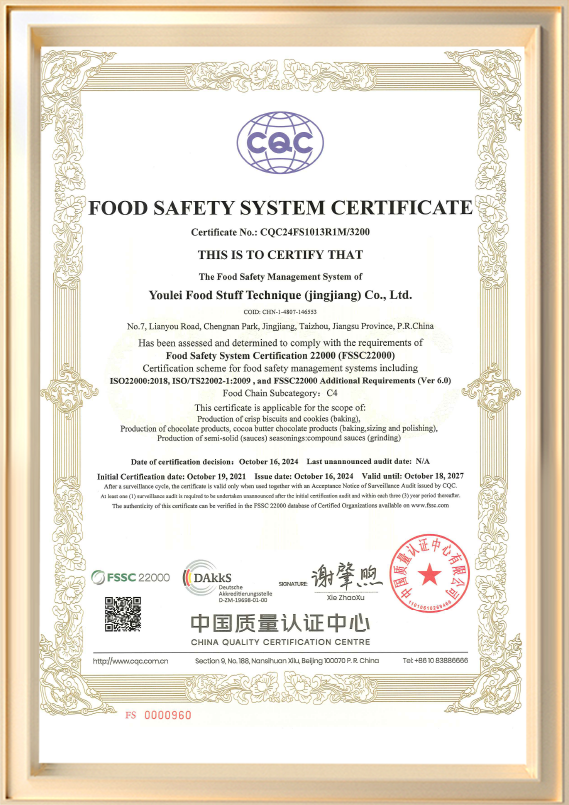
For international procurement, buyers should verify the following certifications from their cocoa cookie spread supplier:
- FSSC 22000 or BRC Food Safety – Industry-standard food safety management system certifications.
- Halal and/or Kosher – Required for Middle East, Southeast Asian, and North American Jewish market access.
- ISO 9001 – Quality management system baseline.
- RSPO (Roundtable on Sustainable Palm Oil) – Increasingly required by European retail buyers as a sustainability prerequisite.
What is the typical MOQ and lead time?
Standard MOQ for industrial cocoa cookie spread is typically 1–5 metric tons per SKU, supplied in 25kg carton bags or 200kg steel drums. For customized OEM formulations, lead times of 4–8 weeks are standard for initial sampling and approval cycles, with production lead times of 2–4 weeks thereafter for repeat orders.
How is bloom resistance managed in the cocoa cookie spread?
Fat bloom—the white surface discoloration caused by fat recrystallization—is managed through controlled tempering of the fat phase, use of bloom-inhibiting emulsifiers (e.g., polyglycerol polyricinoleate, PGPR), and selection of palm mid-fraction fats with stable polymorphic behavior. Suppliers should provide accelerated bloom test data (e.g., 3-cycle temperature shock at 20°C/30°C over 7 days) as part of technical documentation.
Market Trends Driving Cocoa Cookie Spread Innovation
Several converging trends are reshaping how manufacturers approach cocoa cookie spread formulation and sourcing:
- Premiumization: Consumers increasingly expect biscuit fillings to deliver multi-dimensional flavor. Cocoa cookie spreads with inclusions such as caramel chips, sea salt granules, or toasted coconut flakes are gaining traction in the premium snack segment, commanding retail shelf prices 20–35% higher than standard biscuit fillings.
- Clean label pressure: Food manufacturers are under pressure to reduce E-number emulsifiers and artificial flavors. Sunflower lecithin is replacing soy lecithin in reformulations targeting EU and North American clean-label markets.
- Reduced sugar formulations: Polyol-based sugar replacers (maltitol, erythritol) are being tested in cocoa cookie spreads targeting diabetic-friendly and low-glycemic product lines, though texture and hygroscopicity management remain technical challenges.
- Cross-category inspiration: Tea and beverage trends—particularly matcha, black sesame, and hojicha—are influencing cocoa cookie spread flavor development, especially in Asian markets where trending beverage brands are partnering with biscuit producers on co-branded SKUs.
Leading biscuit base material suppliers are investing in pilot-scale innovation labs to prototype and iterate on these trend-driven formulations faster, reducing typical NPD cycles from 12 months to under 6 months for established product architectures.