English
 中文简体
中文简体

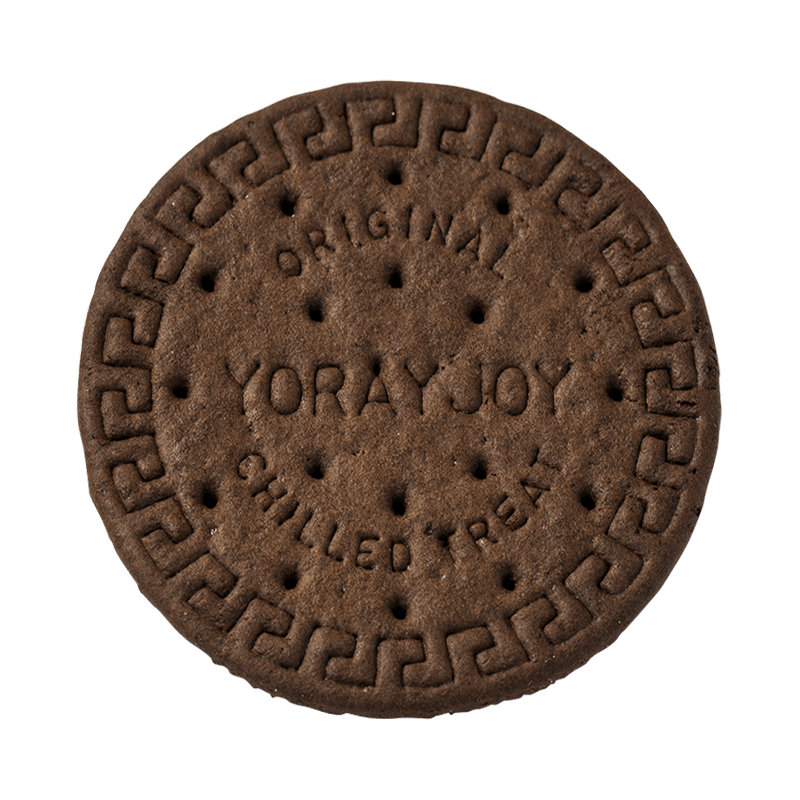
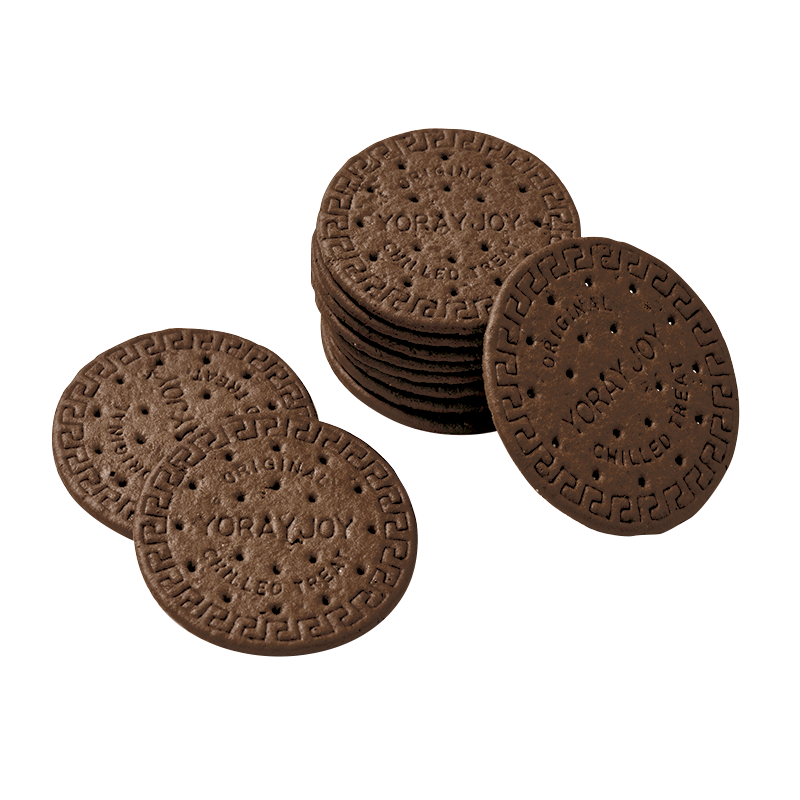
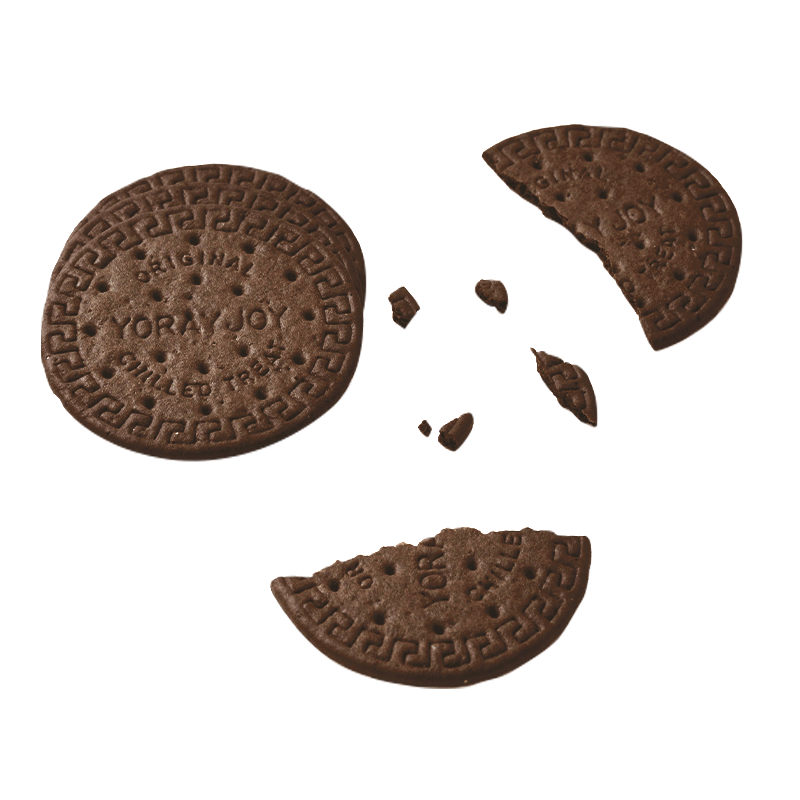



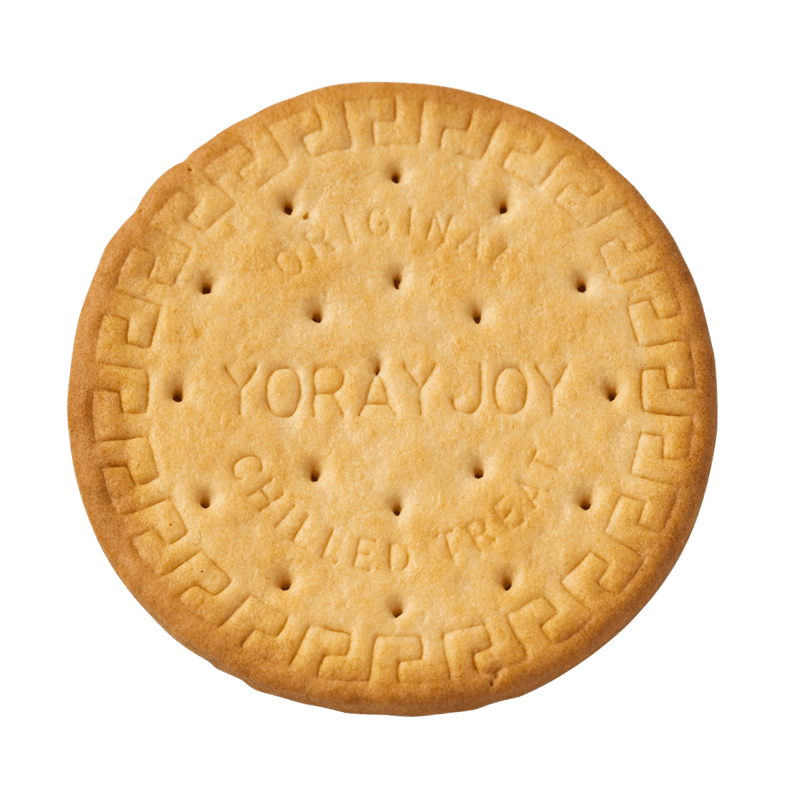
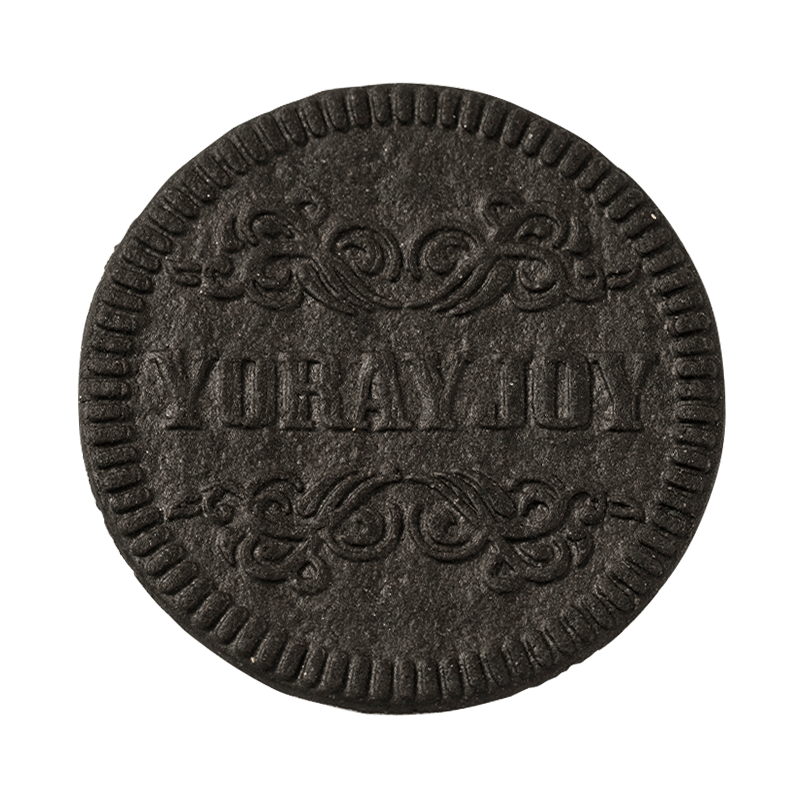
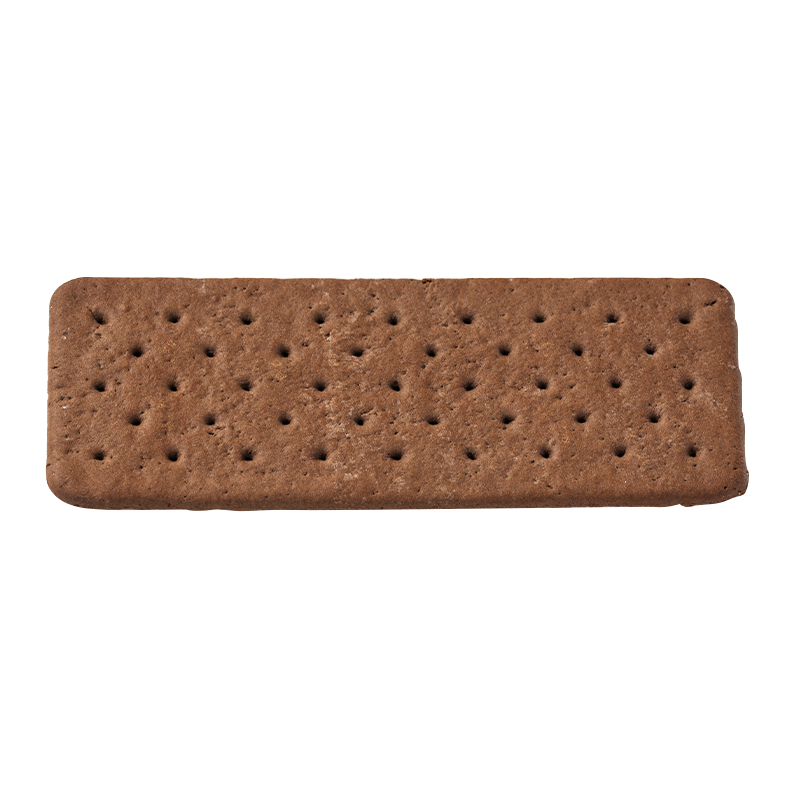
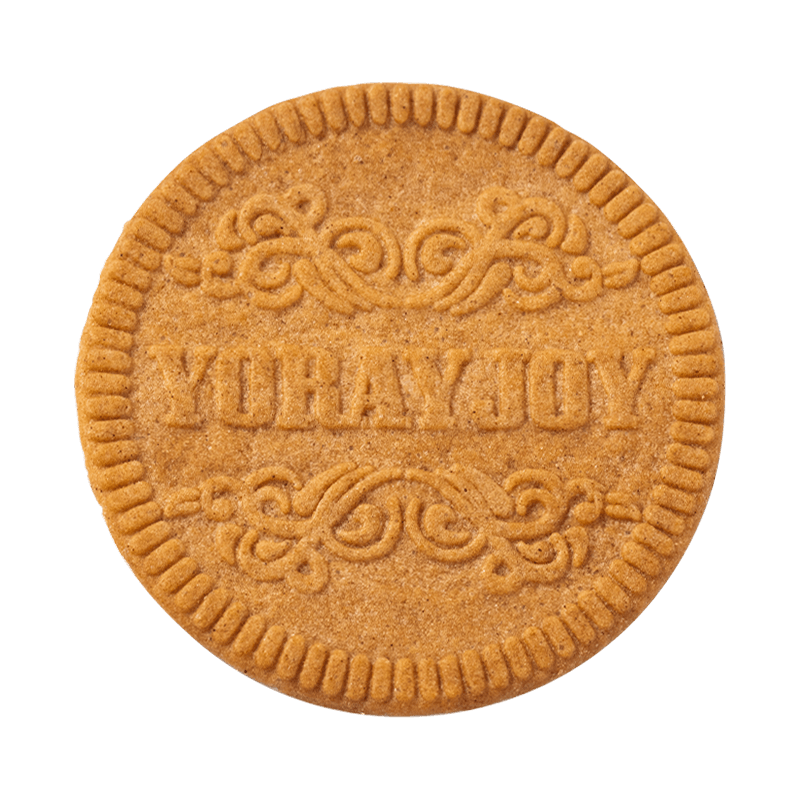
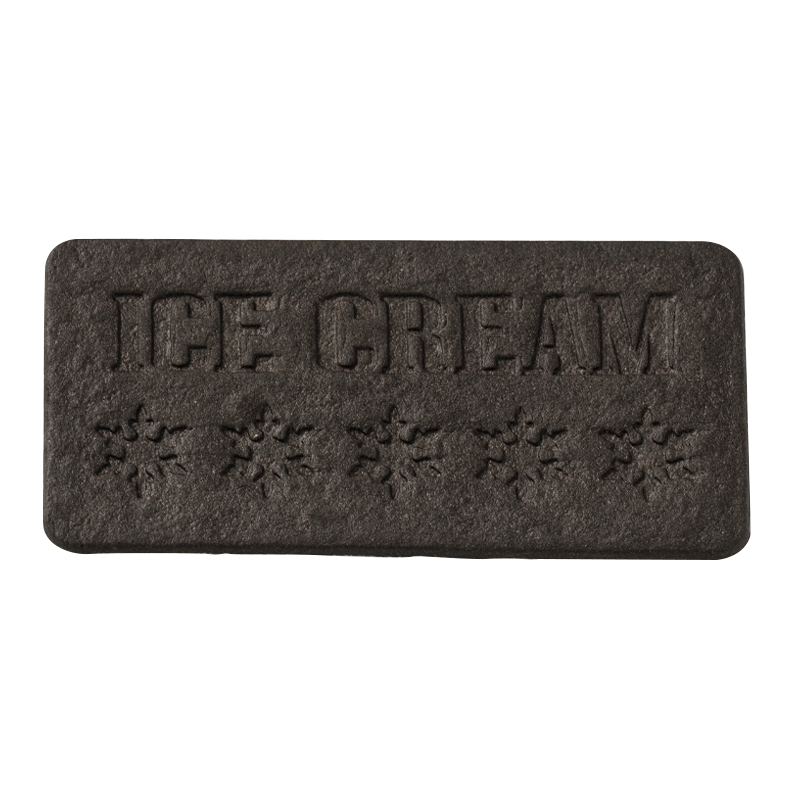
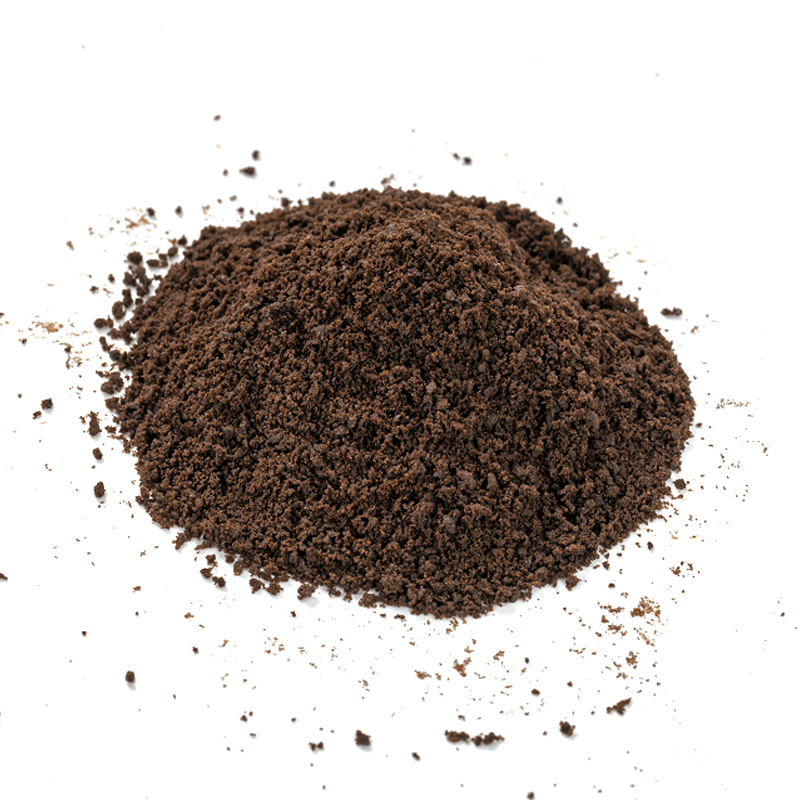
What Are Round Cocoa Hard Biscuits?
Round cocoa hard biscuits are a specific category of baked goods characterized by their crisp, firm texture, circular shape, and chocolate-forward flavor profile derived from cocoa powder. Unlike soft cookies, they maintain structural integrity under pressure, making them ideal as base materials for layered desserts, ice cream sandwiches, chocolate bark toppings, and tea-pairing snacks. In the B2B biscuit supply chain, they are classified as "hard biscuit substrates" — a foundational ingredient category rather than a finished retail product.
The global hard biscuit market was valued at approximately USD 28.4 billion in 2023 and is projected to grow at a CAGR of 4.7% through 2030, driven largely by demand from food manufacturers seeking stable, shelf-ready biscuit components for composite desserts and beverage pairings.
Hard Cookies vs. Soft Cookies: Key Technical Differences
The distinction between hard and soft biscuits is not merely textural — it reflects fundamental differences in formulation, processing, and end-use application. Understanding these differences is essential for procurement teams and food developers selecting the right biscuit base.
| Parameter | Hard Biscuits | Soft Cookies |
|---|---|---|
| Sugar Content | Lower (15–25%) | Higher (30–45%) |
| Fat Content | Lower (10–18%) | Higher (20–35%) |
| Moisture Content (post-bake) | 1–4% | 6–12% |
| Gluten Development | High (strong dough) | Low (minimal mixing) |
| Shelf Life | 12–24 months | 3–9 months |
| Typical B2B Application | Ice cream bases, layered desserts, cheese platters | Gift boxes, retail snacks, standalone consumption |
For manufacturers, hard biscuits offer a decisive logistical advantage: their low moisture content (typically below 4%) suppresses microbial growth and lipid oxidation, enabling ambient storage without refrigeration — a critical factor for frozen food companies and beverage brands that co-pack biscuit components with temperature-sensitive products.
How Cocoa Type and Percentage Affect Product Performance
Not all cocoa is equal in biscuit manufacturing. The choice of cocoa directly impacts color, flavor intensity, pH balance, and final texture. There are three primary cocoa types used in commercial hard biscuit production:
- Natural cocoa powder (pH 5.3–6.0): Delivers sharp, acidic chocolate notes. Reacts with baking soda to produce leavening. Common in biscuits designed for pairing with milk-based beverages.
- Dutch-processed (alkalized) cocoa (pH 7.0–8.0): Produces a deeper brown color and milder, smoother flavor. Preferred in premium chocolate heritage brands' biscuit bases where visual uniformity matters.
- Black cocoa (pH 8.0+): Ultra-alkalized; yields near-black color and intense roasted flavor. Used in specialty sandwich biscuit applications. Typically constitutes 5–15% of the total flour weight in formulations.
In practice, most commercial round cocoa hard biscuits use cocoa at 8–15% of flour weight. Exceeding 18% without reformulating can compromise gluten network strength, leading to cracking during die-cutting — a common quality defect in high-volume production lines running at 200+ units per minute.
Manufacturing Process: From Dough Mixing to Final Shape
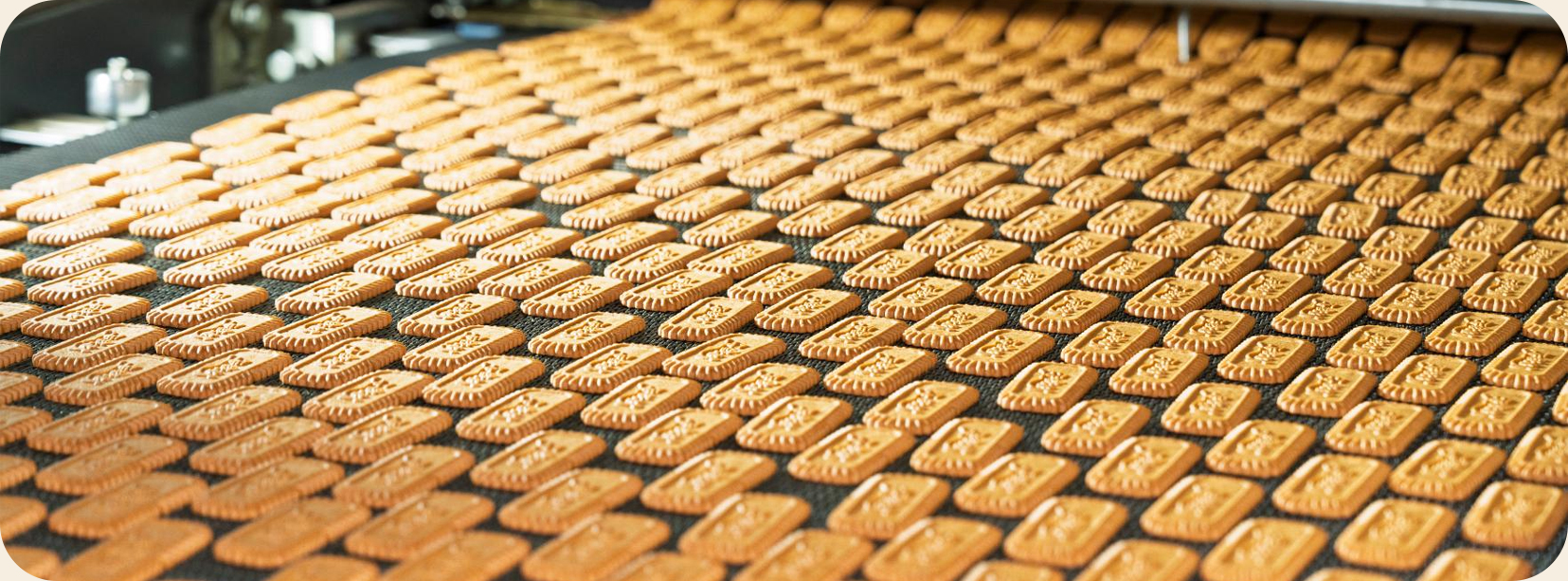
The production of round cocoa hard biscuits follows a tightly controlled sequence. Deviations at any stage directly affect texture, dimensional consistency, and shelf stability.
Stage 1: Dough Formulation and Mixing
Hard biscuit dough requires extended mixing (typically 15–25 minutes) to develop sufficient gluten elasticity. The dough temperature must be controlled between 18–22°C to prevent premature fat melting. Key functional ingredients include:
- Ammonium bicarbonate — provides lift without residual taste at moisture levels below 5%
- Sodium metabisulfite — relaxes gluten for easier sheeting, used at 0.01–0.03% of flour weight
- Lecithin — improves dough machinability and reduces lamination defects
Stage 2: Sheeting and Die-Cutting
Dough is sheeted to a uniform thickness of 2.5–4.0 mm using a multi-roller gauge system. For round biscuits, rotary die-cutting maintains circular dimensional tolerances within ±0.3 mm — critical for automated packaging lines and ice cream sandwich assembly equipment that uses fixed-diameter loading trays.
Stage 3: Baking Profile
Tunnel ovens with three to five heating zones are standard. A typical baking profile for round cocoa hard biscuits:
- Zone 1 (180–200°C): Initial expansion and CO₂ release
- Zone 2 (210–230°C): Surface setting and Maillard reaction development
- Zone 3 (190–210°C): Moisture evaporation to target aw (water activity) below 0.4
- Cooling conveyor: Biscuits cooled to below 35°C before packaging to prevent condensation
Total baking time typically ranges from 5 to 9 minutes depending on biscuit thickness and line speed.
Key Quality Indicators for B2B Buyers
When sourcing round cocoa hard biscuits as a base material, procurement teams should evaluate suppliers against the following measurable quality parameters:
| Quality Indicator | Acceptable Range | Impact if Out of Range |
|---|---|---|
| Water Activity (aw) | < 0.40 | Mold growth risk above 0.65 |
| Diameter Tolerance | ±0.5 mm | Assembly line jams in automated equipment |
| Breakage Rate | < 3% per batch | Increased waste cost; aesthetic defects |
| Fat Bloom Resistance | No whitening at 25°C / 60% RH for 12 months | Consumer rejection; returns |
| Cocoa Color Consistency | ΔE < 2.0 (CIE Lab) | Brand color mismatch in composite products |
Frequently Asked Questions About Round Cocoa Hard Biscuits
Can round cocoa hard biscuits be customized in diameter and thickness for specific applications?
Yes. Industrial biscuit manufacturers typically offer diameter options ranging from 30 mm to 90 mm and thickness from 2.5 mm to 6 mm, depending on the die tooling available. Ice cream sandwich applications most commonly request 55–65 mm diameters. Cheese and charcuterie pairings typically use 40–50 mm formats. Custom tooling lead times are generally 4–8 weeks.
What certifications should a reputable supplier hold?
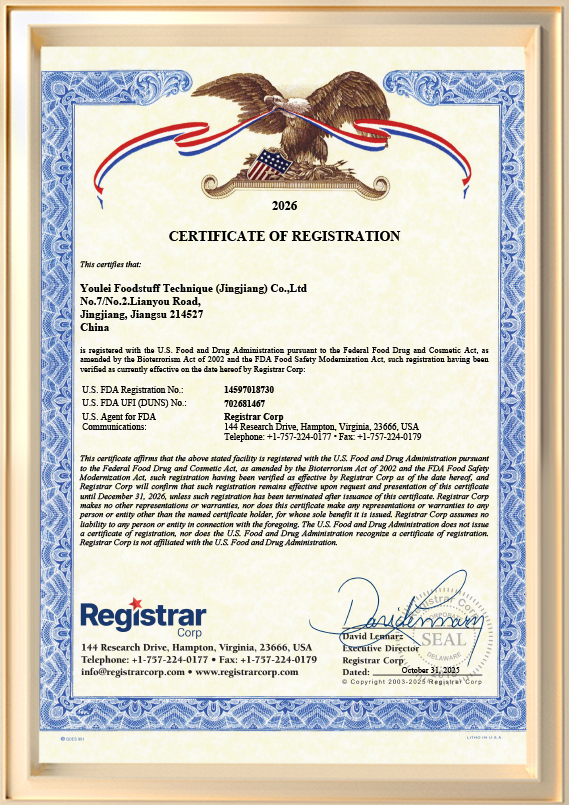
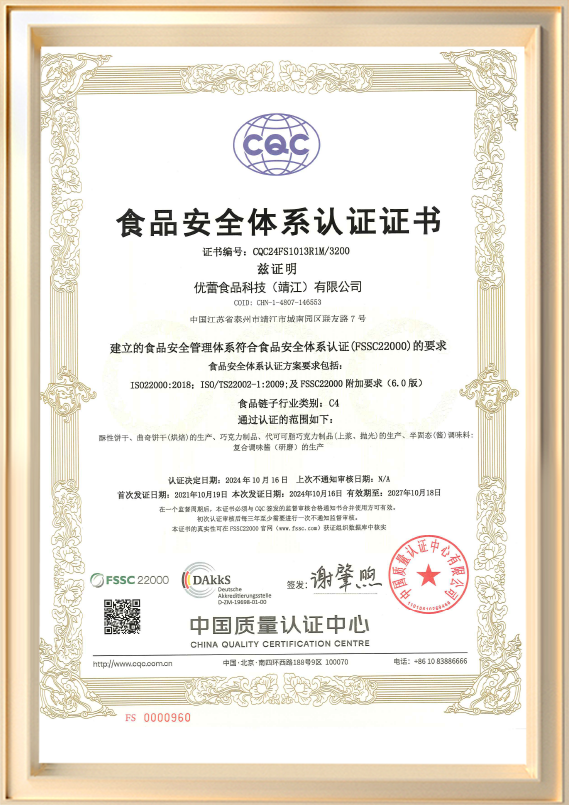
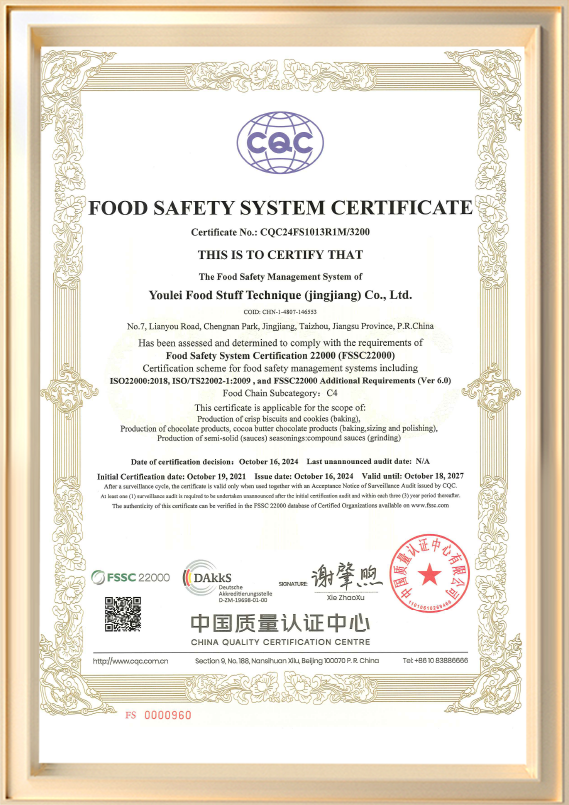
For global supply chain compliance, buyers should require at minimum: FSSC 22000 or BRC Food Safety certification, Halal and/or Kosher certification depending on target markets, and ISO 9001 for quality management systems. For export to the EU, IFS Food certification is increasingly standard. Suppliers serving dairy or frozen food brands should also demonstrate HACCP documentation specific to allergen management (wheat, soy, milk).
How should round cocoa hard biscuits be stored to maintain quality?
Optimal storage conditions are 15–20°C with relative humidity below 55%. Avoid proximity to strong-smelling products, as biscuits readily absorb odors. Bulk packaging in nitrogen-flushed, moisture-barrier bags (MVTR < 5 g/m²/day) extends shelf life to 18–24 months. Once opened, bulk biscuits should be consumed or sealed within 72 hours to prevent textural softening from moisture uptake.
What is the minimum order quantity (MOQ) typical in the industry?
MOQs vary significantly by supplier scale. Large-format manufacturers typically set MOQs at 500 kg to 2 MT per SKU for standard formats, and 3–5 MT for custom specifications. Smaller specialty producers may accommodate 100–200 kg trial orders. For annual procurement programs in the frozen food or beverage sector, contracted volumes of 20–50 MT per year are common for securing priority production slots.
Are there sugar-reduced or functional variants available?
Yes. The trend toward better-for-you biscuit bases has driven development of several reformulated variants, including:
- Reduced sugar (30–50% less): Using erythritol, maltitol, or inulin as partial substitutes
- High-fiber variants: Incorporating chicory root fiber or oat bran at 5–10% flour replacement
- Gluten-free bases: Using rice flour and tapioca starch blends — structurally more challenging due to lower binding capacity
- Protein-enriched: Adding whey protein isolate at 5–8% for sports nutrition-aligned products
Note that each reformulation affects texture and shelf life differently, and should undergo full sensory and stability validation before scale-up.
Industry Trends Shaping Round Cocoa Hard Biscuit Development
Several converging market forces are redefining what food manufacturers expect from cocoa hard biscuit suppliers:
- Tea beverage channel growth: The rise of milk tea and dirty coffee chains in Asia has created strong demand for biscuit bases with controlled sweetness and crunch durability after 15–20 minutes of liquid immersion. Biscuits used in drinks require aw control and starch gelatinization profiles tuned to delayed softening.
- Premiumization in frozen desserts: Global ice cream brands are shifting from generic wafer bases to branded cocoa biscuit bases as a product differentiation strategy, requiring suppliers to support co-branding, shape customization, and clean-label ingredient lists.
- Sustainability pressure: Food manufacturers are requiring suppliers to report Scope 1 and 2 carbon emissions, with several major buyers setting 2025 targets for 30% reduction in biscuit base supply chain emissions versus 2020 baselines.
- Shorter development cycles: Trend-driven beverage and dessert brands now expect biscuit base prototypes within 2–4 weeks, pushing suppliers to maintain pre-validated formula libraries rather than developing from scratch.