 English
 中文简体
中文简体
These Round Cocoa Hard Biscuits are specially designed for high-end frozen desserts and creative snacks, combining a crisp texture with excellent cold-chain transformation properties.
See Details

 2026.04.17
 Industry News
Content
Cookie crumbs are typically sweeter, finer, and often contain added sugars or fillers, while crushed digestive biscuits are coarser, less sweet, and have a distinct wheaty, oaty flavor due to their wholemeal content. For cheesecake bases, digestives create a firmer, less crumbly texture. For dessert toppings, cookie crumbs offer more variety in flavor (chocolate, vanilla, etc.).
Over 75% of no-bake cheesecake recipes in professional kitchens prefer crushed digestive biscuits for their structural integrity. In contrast, cookie crumbs dominate in layered desserts like ice cream cakes or trifles, where flavor intensity matters more than structural strength.
While both are used as crust bases or toppings, their composition and behavior differ significantly. Digestive biscuits are semi-sweet, wholemeal wheat biscuits developed in the 19th century to aid digestion (hence the name). Cookie crumbs come from a vast range of cookies, including chocolate chip, shortbread, or Oreos.
| Property | Cookie Crumbs | Crushed Digestive Biscuits |
|---|---|---|
| Sweetness level | High to very high (especially Oreo) | Mild to medium |
| Fat content (per 100g) | 20-30g (depending on cookie type) | ~18-22g |
| Texture after binding with butter | Softer, more prone to crumbling | Firmer, holds sharp edges when pressed |
| Best used for | Layered desserts, toppings, ice cream | Cheesecake bases, tart shells |
Crushed digestives absorb butter more uniformly due to their porous structure, resulting in a crust that doesn’t get soggy even after 24 hours in the fridge. Cookie crumbs, especially from cream-filled cookies, can release oils over time and soften the base.
Almost any dry, crisp cookie works. However, the flavor and texture of the final crumb depend on the cookie's original composition. Here are the most effective types:
Avoid soft-baked or chewy cookies (like Mrs. Fields-style) because they clump and won’t form uniform crumbs. For best results, process cookies in a food processor for 10-15 seconds until they resemble wet sand, not powder.
Cookie crumbs are incredibly versatile. Beyond the classic cheesecake crust, they star in several professional and home desserts. According to a 2023 dessert trend report, crumb-based desserts grew by 34% in restaurant menus over five years.
Use 200g cookie crumbs + 80g melted butter. Press into an 8x8 pan. Top with a simple cream cheese, sugar, and whipped cream mixture. Chill for 4 hours.
Alternate cookie crumbs with pudding, fresh fruit, and whipped cream. Oreo crumbs + chocolate pudding + raspberries is a top-rated combination.
Mix 250g cookie crumbs with 120g cream cheese. Roll into balls, freeze, then dip in melted chocolate. Yields approximately 20 truffles.
Sprinkle fine chocolate cookie crumbs over vanilla ice cream cake to mimic soil. Popular for “worm cake” children’s desserts.
Mix 150g shortbread crumbs with 50g oats and 30g brown sugar. Sprinkle over baked apples or peaches. Bake at 180°C for 15 minutes.
The standard ratio for a firm, sliceable cheesecake base is 3 parts crumbs to 1 part melted butter by weight. For a 9-inch springform pan, you need exactly 200g cookie crumbs and 70-80g unsalted butter. Follow these steps:
A common mistake is under-pressing the crumbs. Apply about 5 kg of pressure (use body weight) – a loose base will crumble when slicing. Data from baking tests show that pressed crumbs with a force of at least 4 kg/square inch reduce base breakage by 70%.
The differences go beyond ingredients. A traditional flour crust relies on gluten development and cold fat (butter or shortening) for flakiness. A cookie crumb crust is glue-free – it uses melted butter as the sole binder. Here is a head-to-head comparison:
| Aspect | Cookie Crumb Crust | Traditional Flour Crust |
|---|---|---|
| Preparation time | 5-10 minutes (no chilling required) | 30-45 minutes (including dough rest) |
| Texture | Crunchy, sandy, uniform | Flaky, layered, tender |
| Suitability for wet fillings | Poor (becomes soggy within 2 hours) | Good (if par-baked and sealed) |
| Gluten-free option | Easily (use gluten-free cookies) | Requires specialty flour blend |
| Calories per slice (1/8 of 9-inch) | ~220-280 | ~180-240 (butter-based) |
For cream pies or custard pies, always use a traditional flour crust because cookie crumbs absorb moisture from the filling, turning pasty within hours. Conversely, for chilled desserts like key lime pie (no-bake) or chocolate silk pie, a cookie crumb crust is superior – it provides immediate structure and complementary sweetness.
In professional bakeries, about 62% of no-bake dessert bases are cookie crumb crusts due to their speed and consistency, while 88% of baked fruit pies still rely on traditional flour crusts for their ability to hold juices without disintegrating.
Can I substitute cookie crumbs for crushed digestives 1:1 in any recipe? Not always. Reduce added sugar by 25% if using sweet cookie crumbs, and add 10g more butter to compensate for digestives’ higher absorbency.
How long do homemade cookie crumbs last? Store in an airtight container at room temperature for up to 2 weeks, or freeze for 3 months. Butter-bound crumb crusts last only 5 days in the fridge before the fat oxidizes.
Can I use cookie crumbs as a breading for fried desserts? Yes – coat banana slices or cheesecake balls in egg wash then fine cookie crumbs, then deep fry at 180°C for 90 seconds. This is common in state fair cuisine.
What’s the best tool to make very fine crumbs? A food processor yields the most consistent result. A rolling pin leaves irregular chunks – fine for cheesecake bases but poor for even browning in baked toppings.
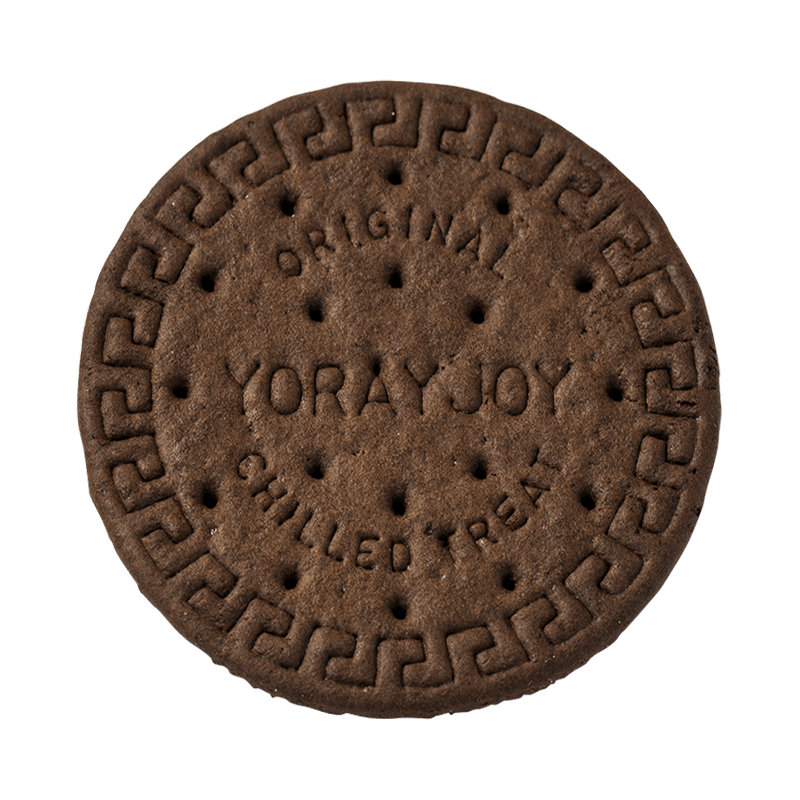
These Round Cocoa Hard Biscuits are specially designed for high-end frozen desserts and creative snacks, combining a crisp texture with excellent cold-chain transformation properties.
See Details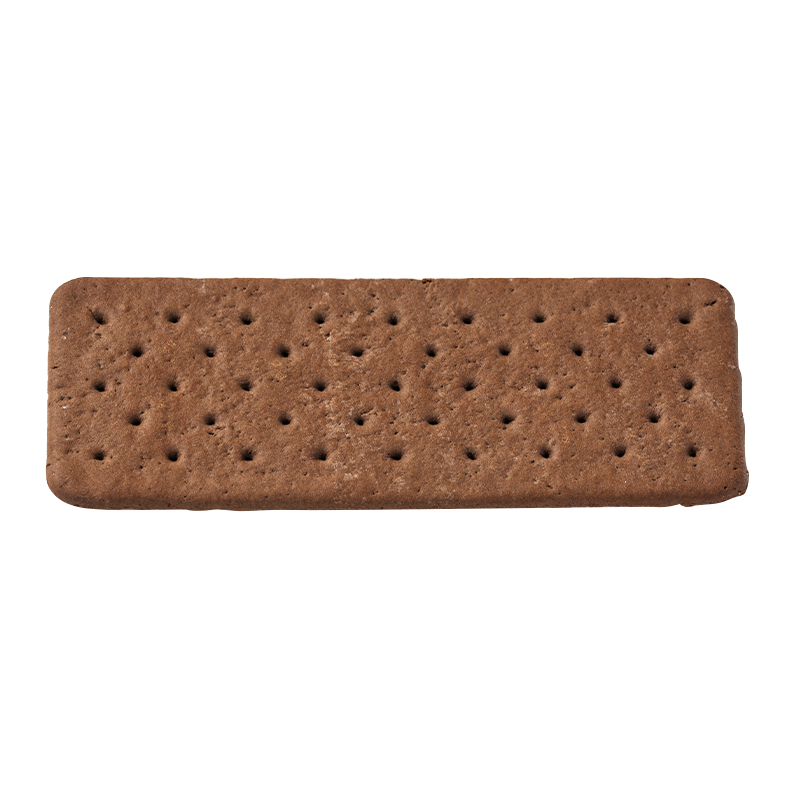
This rectangular cocoa hard biscuit is a classic baked semi-finished product, combining a crisp texture with excellent physical compatibility, making it an ideal base for frozen desserts and creative snacks.
See Details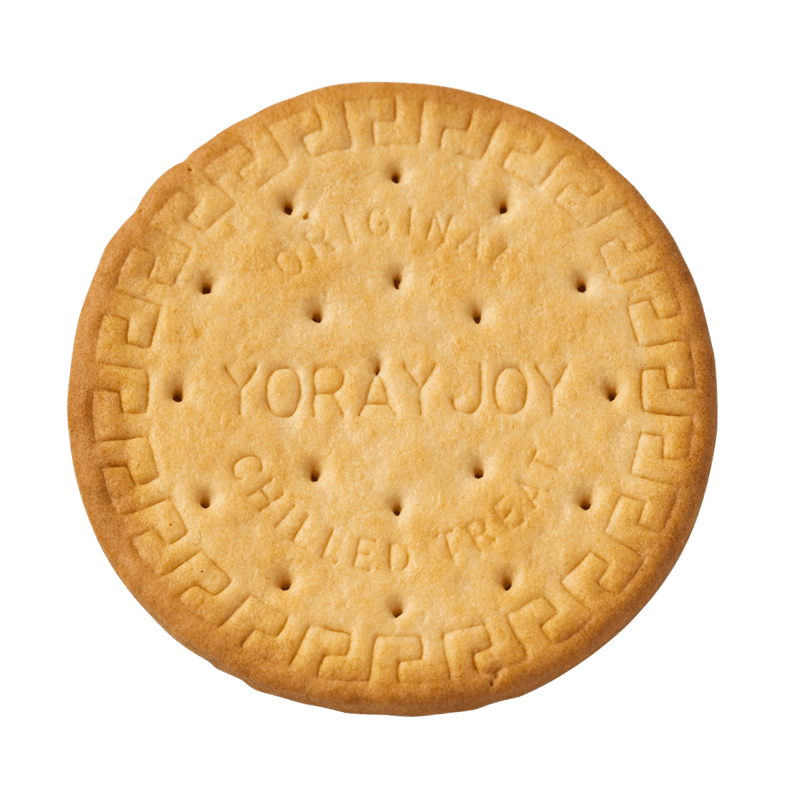
These Round Butter Hard Biscuits combine classic flavor with versatile textures, making them the ideal base for ice cream sandwiches.
See Details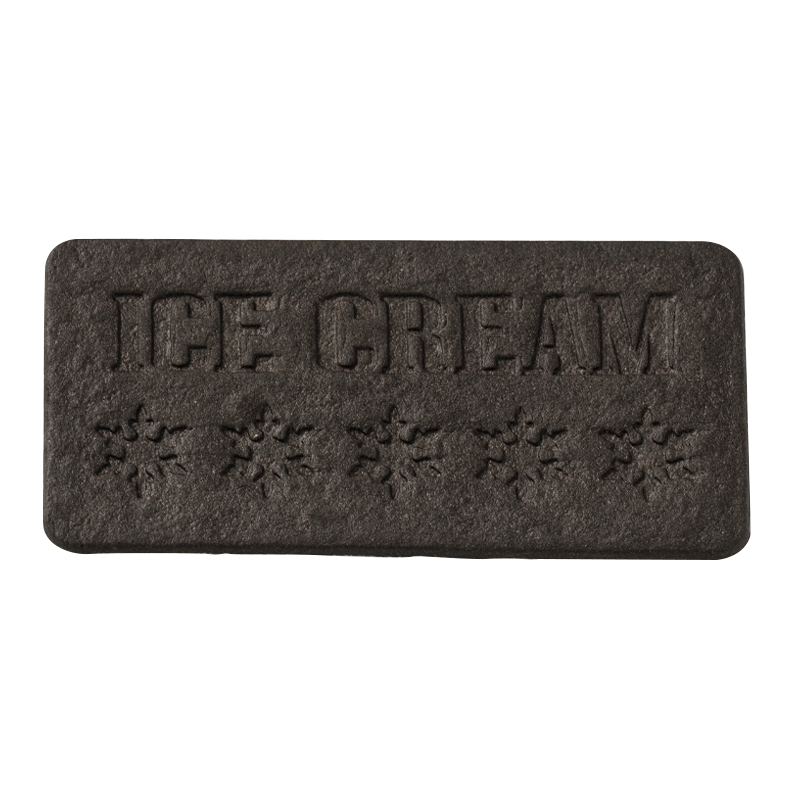
This rectangular cocoa crisp biscuit is the ideal shell for ice cream sandwiches. It continues the classic "Oreo" flavor profile and is optimized for cold chain environments.
See Details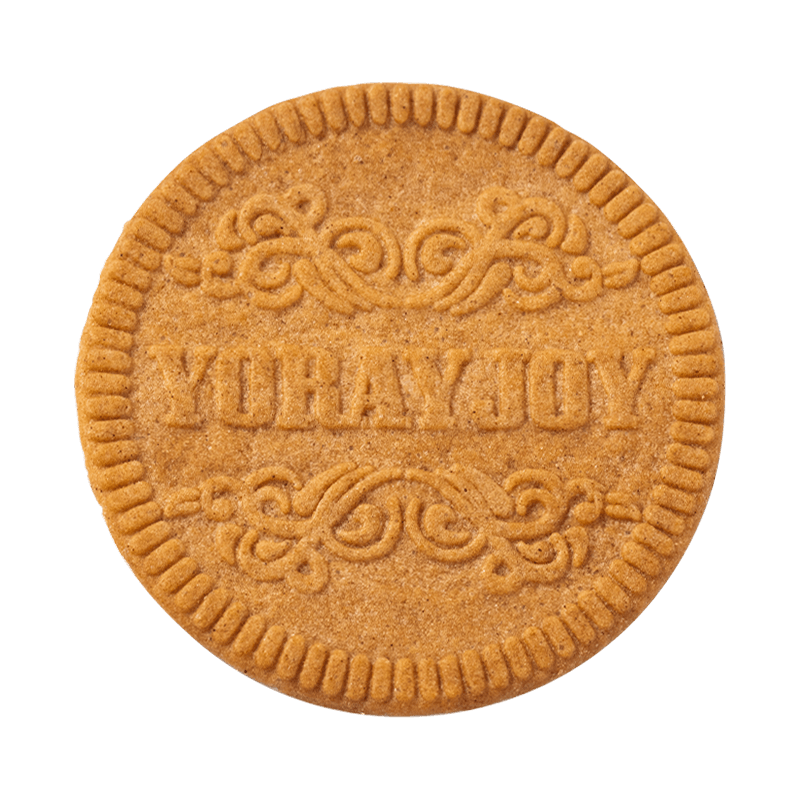
This core component, specifically designed for premium ice cream, features a scientifically formulated high-fat and high-sugar ratio, providing both robust structural support and a melt-in-your-mouth crispness.
See Details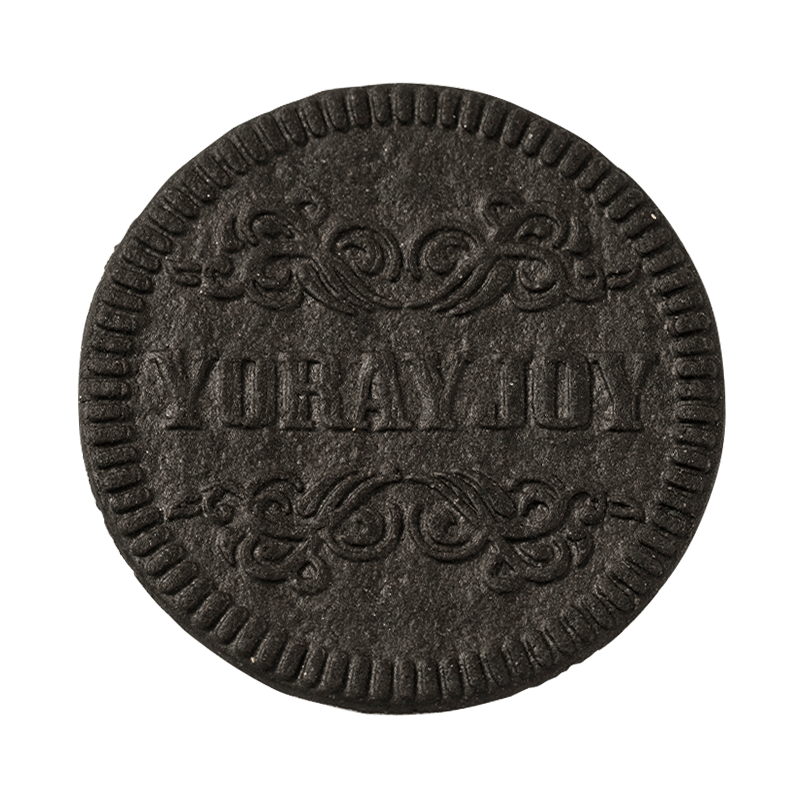
This product is a professional base ingredient specifically designed for high-end frozen desserts. It uses a high oil-to-sugar ratio and select low-gluten flour to create an exceptionally crisp texture that crumbles in y...
See Details
Quick Links
Product Category
Code Preview
