English
 中文简体
中文简体



What Is Speculoos Cookie Butter?
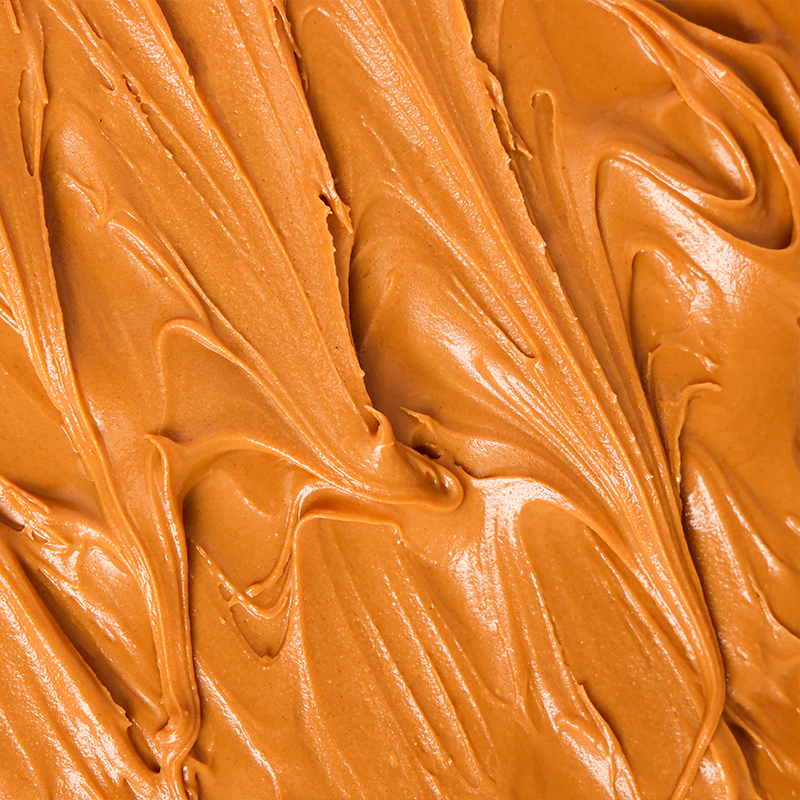
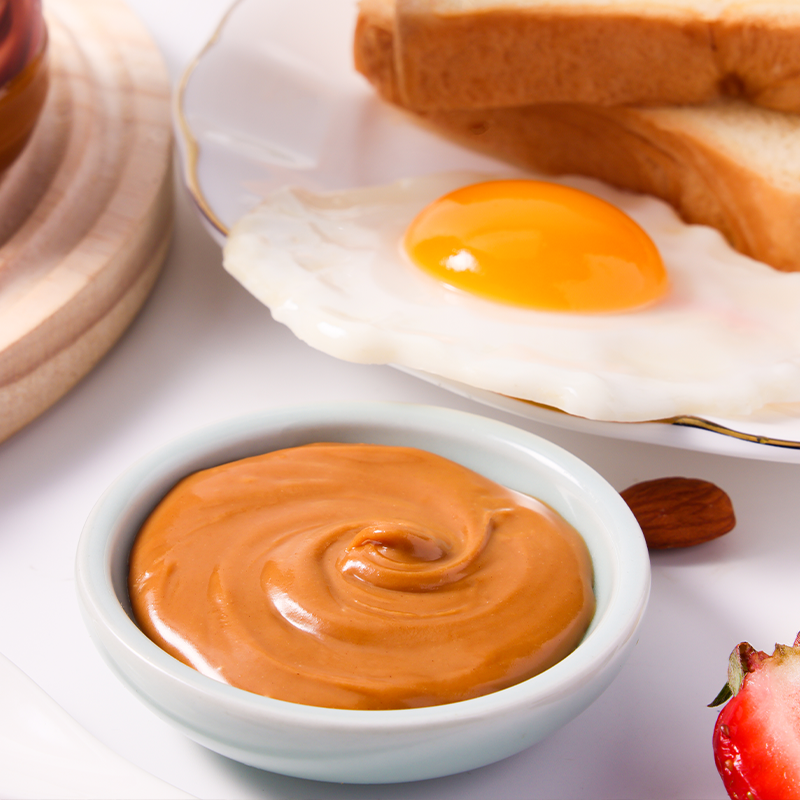
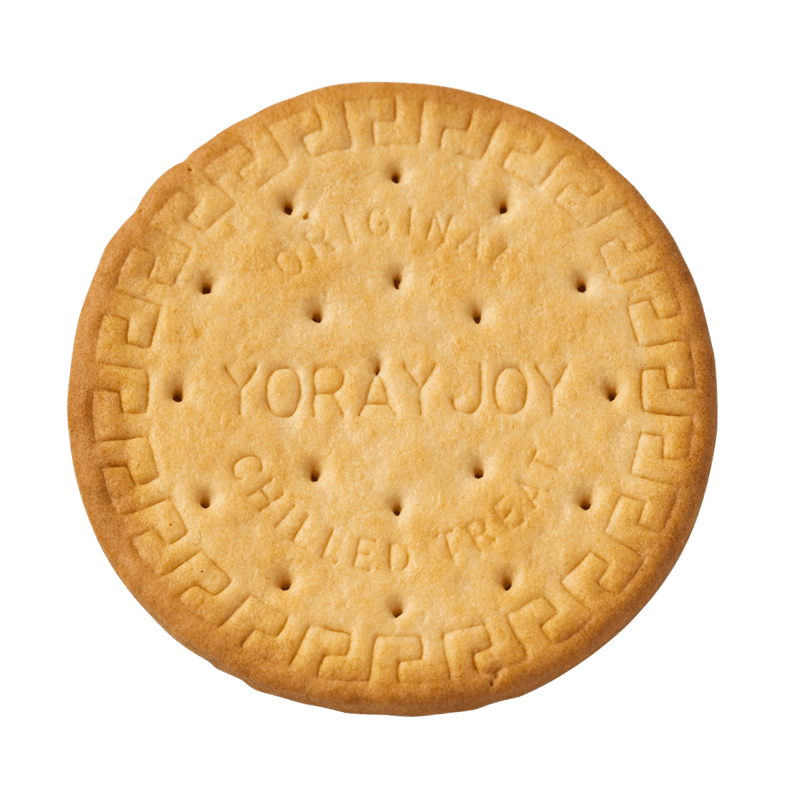
Speculoos Cookie Butter (also called biscuit butter spread or biscuit cookie butter) is a smooth, spreadable paste made by grinding speculoos biscuits — spiced shortcrust cookies originating from Belgium and the Netherlands — with fats, sugars, and emulsifiers. The result is a product with a texture similar to peanut butter but with a distinctive warm-spice flavor profile dominated by cinnamon, ginger, nutmeg, cardamom, and clove.
In the food manufacturing industry, it is classified as a biscuit-based composite spread. It serves dual roles: a retail consumer product and a premium B2B ingredient (biscuit base material) for bakeries, confectioneries, beverage brands, and frozen food producers.
Key commercial formats include smooth spreads, crunchy spreads (with biscuit crumble inclusions), and industrial-grade filling pastes used in confectionery and pastry manufacturing. Global retail sales of cookie butter products exceeded USD 600 million in recent years, with double-digit annual growth driven by the premiumization trend in spreads and the expansion of spiced flavors into Asian and North American markets.
Core Ingredients and Formulation Standards
Understanding the ingredient architecture of Speculoos Cookie Butter is essential for procurement teams, product developers, and quality control professionals.
Primary Ingredients
- Speculoos biscuit crumble (45–60%) — the dominant ingredient, dictating flavor and texture.
- Vegetable oils and fats (20–30%) — typically palm oil, sunflower oil, or a blend, responsible for spreadability and shelf stability.
- Sugar (10–20%) — brown sugar or caramelized sugar variants are preferred for a deeper molasses note.
- Emulsifiers — lecithin (soy or sunflower) is standard for phase stability and smooth texture.
- Spice blend — cinnamon is the lead note, typically accounting for 40–50% of the mix, supported by ginger, nutmeg, clove, and cardamom.
Key Quality Parameters
| Parameter | Typical Range | Industry Relevance |
|---|---|---|
| Water Activity (Aw) | 0.40 – 0.55 | Shelf-life stability, mold prevention |
| Moisture Content | ≤ 3% | Texture consistency, baking performance |
| Fat Content | 28 – 35% | Spreadability, mouthfeel, caloric density |
| Viscosity (at 25°C) | 80,000 – 150,000 mPa·s | Pumpability, filling line compatibility |
| Shelf Life | 12 – 24 months | Retail and export logistics planning |
Manufacturing Process: From Biscuit to Spread
Industrial production of Speculoos Cookie Butter follows a well-established but technically demanding process. The six core stages are:
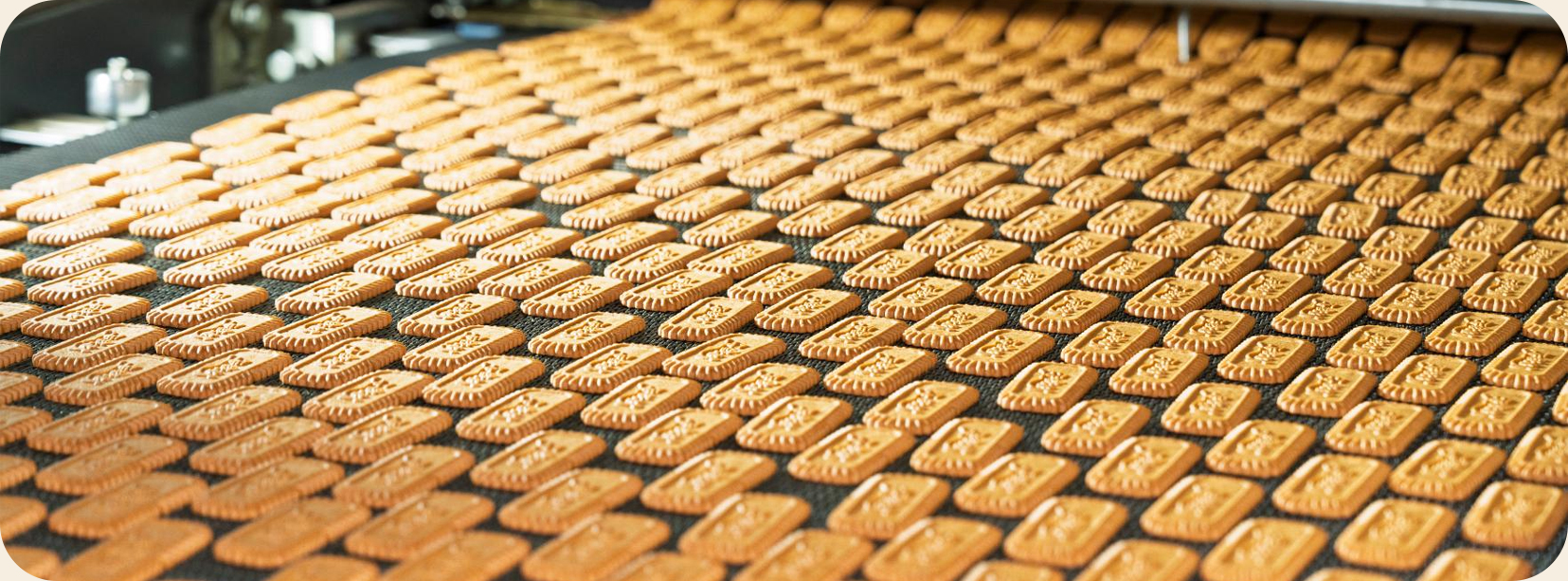
- Biscuit baking and quality intake — Speculoos biscuits are either baked in-house or sourced from certified biscuit manufacturers. The biscuit's sugar caramelization level directly affects the depth of flavor in the final spread.
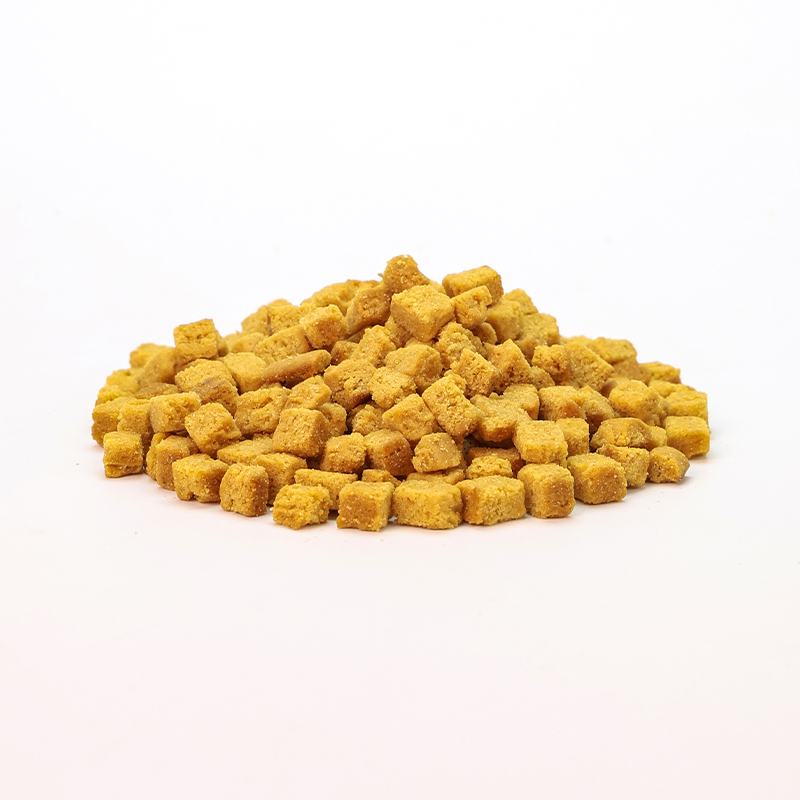
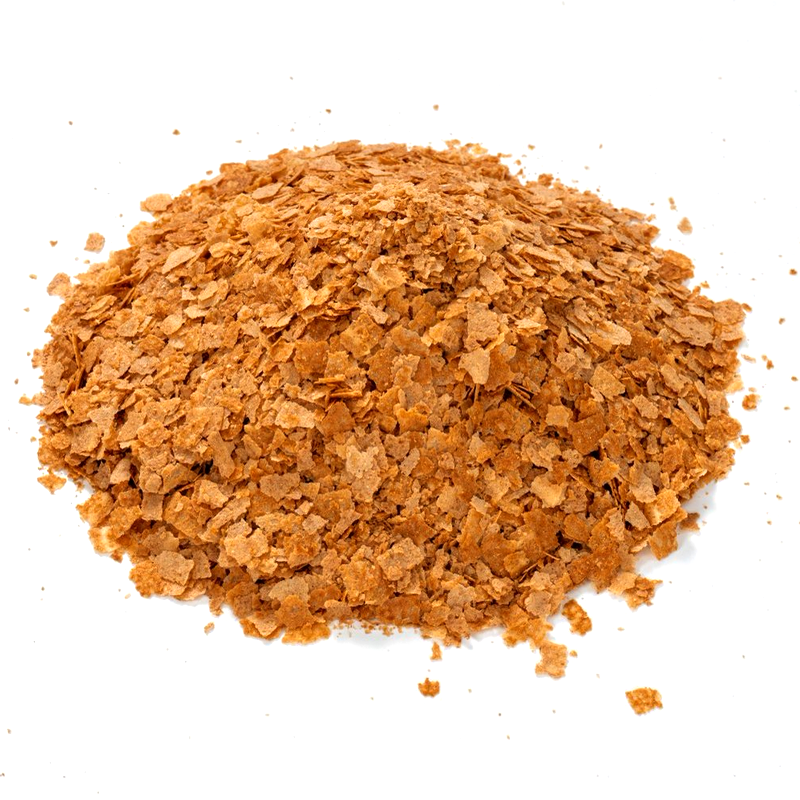
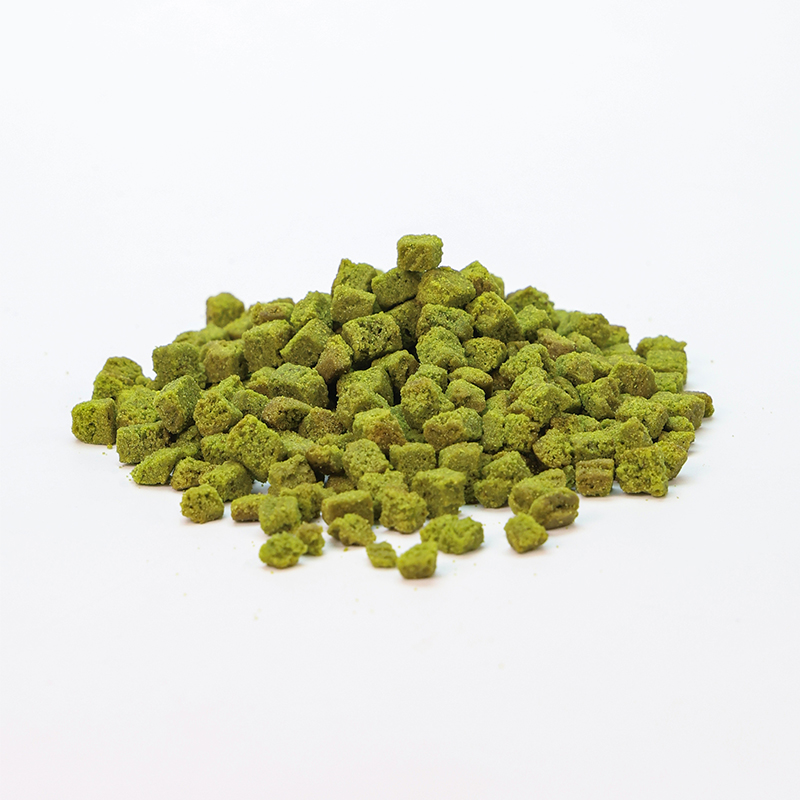
- Coarse milling — Biscuits are broken down into crumble fragments (particle size: 2–5 mm) in hammer mills or roller mills.
- Fine grinding and paste formation — The crumble is ground with oils and emulsifiers to achieve a smooth particle size of below 80 microns for premium smooth variants.
- Mixing and flavoring — Spice blends, sugar, and any functional additives are incorporated during a temperature-controlled mixing phase (typically 40–55°C).
- Homogenization and tempering — The paste is homogenized to ensure fat crystal stability and consistent texture across batches.
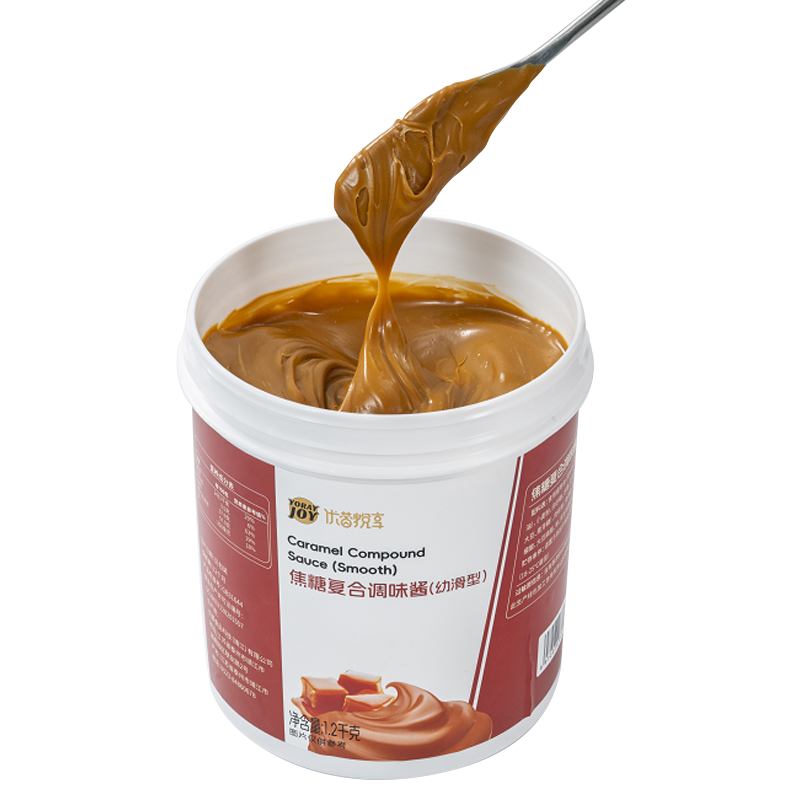
- Filling and packaging — Retail jars, industrial pails (5 kg, 10 kg, 25 kg), or aseptic bulk packaging are filled under controlled temperature to preserve texture.
The crunchy variant differs at step 3: a portion of the biscuit crumble is held back from fine grinding and added post-homogenization to create a visible particulate texture.
B2B Applications: What Delicious Treats Can Be Made With Speculoos Cookie Butter?
For food manufacturers and brand owners, Speculoos Cookie Butter functions as a versatile biscuit base material with broad cross-category compatibility. Key industrial and foodservice applications include:
Bakery and Pastry
- Filled croissants and brioche — the spread's high viscosity holds structure at bake temperatures up to 180°C.
- Cookie sandwich fillings — offer clean flavor release and do not migrate into the wafer or cookie shells.
- Cheesecake and tart bases — blended with butter as a no-bake crust replacement for digestive biscuit bases.
Confectionery
- Praline and truffle centers — pair well with milk chocolate and white chocolate enrobing.
- Chocolate bar inclusions — layered or swirled formats in tablet bars.
- Caramel and fudge swirl — enhances warm-spice profiles in caramel confections.
Frozen Desserts and Beverages
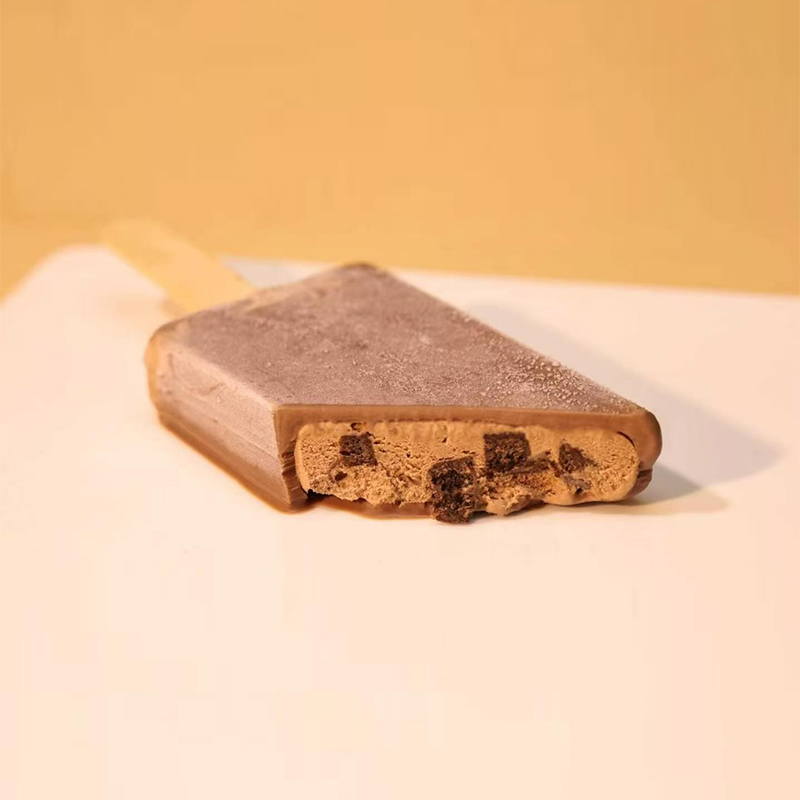
- Ice cream ripple and variegato — maintains soft texture at -18°C without cracking, a critical parameter for ice cream manufacturers.
- Frozen dessert sandwich coatings and layers.
- Milk tea and coffee base syrups — diluted and emulsified for branded tea beverage applications; a growing trend in Asian chain beverage formats.
- Smoothie and yogurt swirl mix-ins.
Dairy and RTD Products
- Flavored cream cheese and mascarpone blends.
- Layered yogurt cups with biscuit-flavored compote layers.
- Chilled RTD dessert drinks featuring Speculoos as a flavor carrier.
Market Landscape and Supplier Selection Criteria
The global Speculoos Cookie Butter market is segmented into retail-grade products and industrial/B2B ingredients. Europe — particularly Belgium, the Netherlands, and Germany — remains the product's heritage production hub, but manufacturing capacity has expanded significantly into Asia, where domestic demand for spiced biscuit flavors in confectionery and beverages is accelerating.
When evaluating a Speculoos Cookie Butter manufacturer or biscuit butter speculoos supplier, procurement professionals should assess the following criteria:
| Criterion | Why It Matters | Minimum Expectation |
|---|---|---|
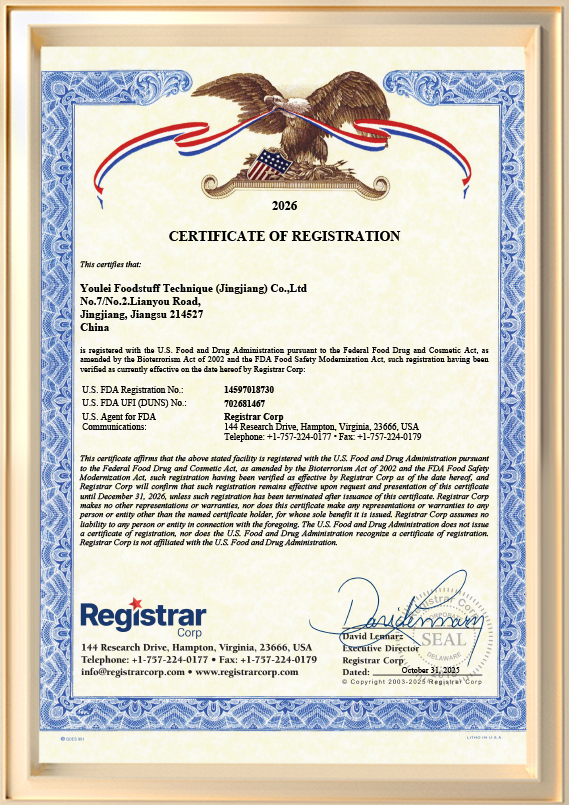
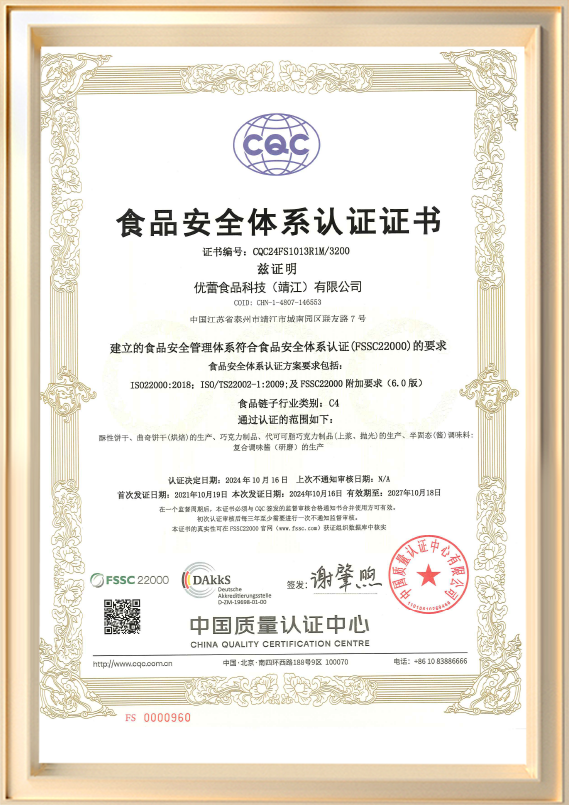
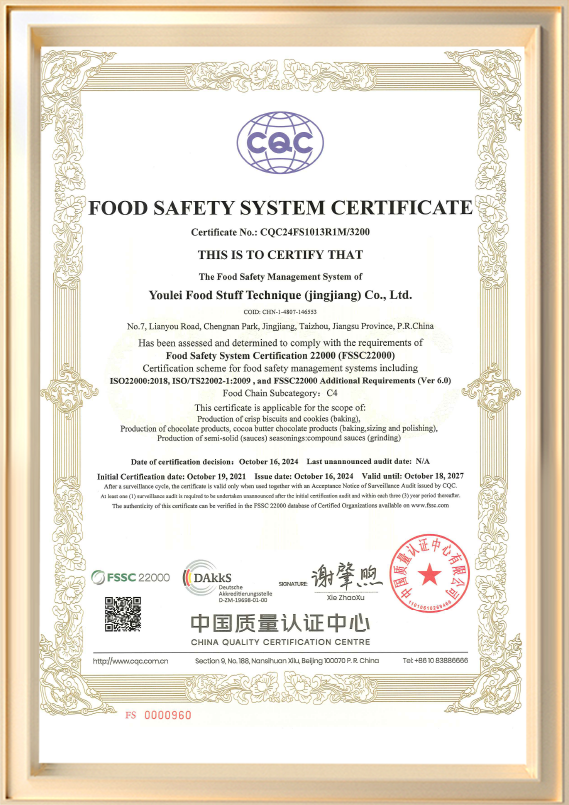
| Food Safety Certification | Regulatory compliance for target markets | FSSC 22000 or BRC Grade A |
| OEM/ODM Capability | Custom formulation for brand differentiation | R&D lab + pilot batch service |
| Industrial Packaging Options | Supply chain efficiency for B2B buyers | Bulk pails, IBC totes, or aseptic bags |
| Customer Portfolio | Validates production reliability | Reference clients in food & beverage |
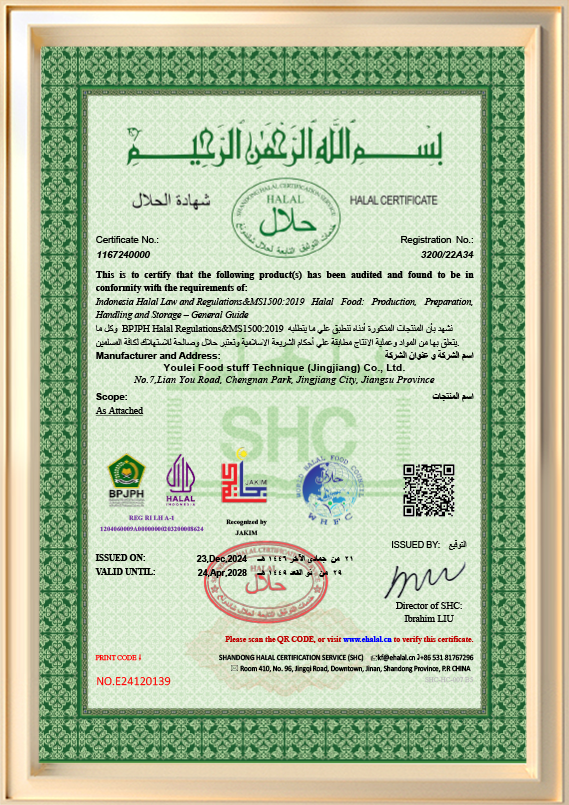
| Halal / Kosher Compliance | Access to the Middle East, SE Asia, and Jewish markets | Certified by a recognized body |
As a Speculoos Cookie Butter Manufacturer and Biscuit Butter Speculoos Company, YOULEI FOOD TECHNOLOGY CO., LTD. has built a diversified cooperation portfolio spanning century-old dairy benchmarks, global chocolate heritage brands, national-leading frozen food producers, and high-growth tea beverage chains — reflecting broad market validation across every major application category outlined above.
Frequently Asked Questions About Speculoos Cookie Butter
Is Speculoos Cookie Butter the same as Biscoff spread?
Biscoff (by Lotus Bakeries) is the most recognized brand of Speculoos Cookie Butter, but it is not synonymous with the category. Speculoos Cookie Butter is the generic ingredient/product category; Biscoff is one proprietary brand within it. Multiple manufacturers produce equivalent or customized biscuit butter spreads, especially for private label and B2B industrial applications.
What is the difference between smooth and crunchy Speculoos Cookie Butter?
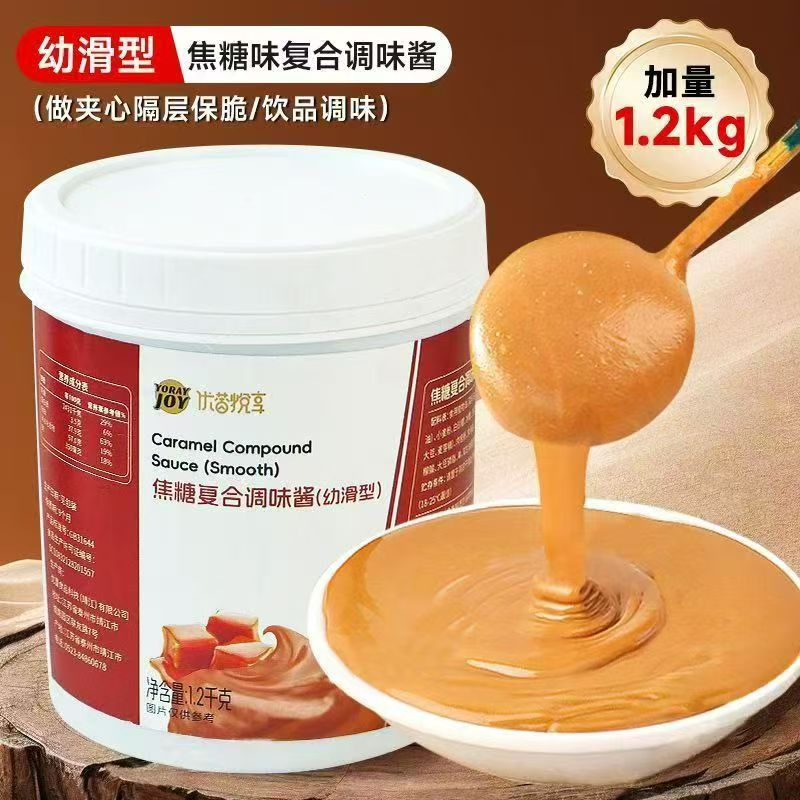
Smooth variants are fully milled to a uniform paste with particle size below 80 microns, ideal for enrobing, filling, injection, and beverage applications. Crunchy variants contain intact biscuit fragments (typically 1–3 mm) for textural contrast, preferred in retail spreads and certain bakery fillings.
Does Speculoos Cookie Butter contain dairy?
Traditional speculoos biscuit recipes are dairy-free, and many commercial Speculoos Cookie Butter formulations are likewise vegan-compatible. However, formulations vary by manufacturer — some include butter or milk powder. Always verify the specification sheet and allergen declaration with the supplier.
What is the minimum order quantity (MOQ) for industrial Speculoos Cookie Butter?
Industrial MOQs typically start at 500 kg to 1 metric ton for standard formulations, and 2–5 metric tons for custom OEM formulations requiring dedicated production runs. Lead times for standard products average 10–20 business days, while custom formulations require 4–8 weeks, including trial batches.
How should Speculoos Cookie Butter be stored in a production facility?
Standard storage conditions are 10–20°C, away from direct sunlight and strong odors. In high-humidity environments, sealed packaging is critical to prevent moisture absorption that would alter viscosity and increase microbial risk. Once opened, industrial pails should be used within 30 days and kept covered.
Can Speculoos Cookie Butter be used in heat-processed products?
Yes. Speculoos Cookie Butter demonstrates good thermal stability. For baked applications, oven temperatures up to 200°C are generally acceptable, with the spread retaining flavor integrity and minimal oil separation. For ultra-high-temperature (UHT) beverage applications, emulsification adjustment and shear testing are recommended before commercial production.
Regulatory and Labeling Considerations for Global Markets
Speculoos Cookie Butter does not yet have a standardized product definition under most international food law frameworks (unlike peanut butter, which has compositional standards in the US and EU). This creates both flexibility and responsibility for manufacturers.
- EU market: Regulated under general food law (Regulation EC 178/2002) and food labeling regulations (EU 1169/2011). Allergen declarations for wheat (gluten), soy lecithin, and potential tree nut cross-contamination are mandatory.
- US market: Falls under the FDA's general food safety standards. "Cookie butter" is an accepted commercial designation; HFSS (high fat, salt, sugar) labeling requirements do not apply in the US but are relevant for UK export.
- China (GB standards): Import requires compliance with GB 7099 (biscuit products) and GB 2760 (food additive use standards). Emulsifier and flavor additive declarations must align with the approved use list.
- Halal and Kosher: Palm oil sourcing and lecithin origin are the most common certification bottlenecks; suppliers must document the full supply chain for compliance certification.
Manufacturers exporting across multiple markets are advised to maintain a master ingredient specification that maps each ingredient to its function, origin, and relevant regulatory status — enabling rapid adaptation of labeling content per destination market.