English
 中文简体
中文简体

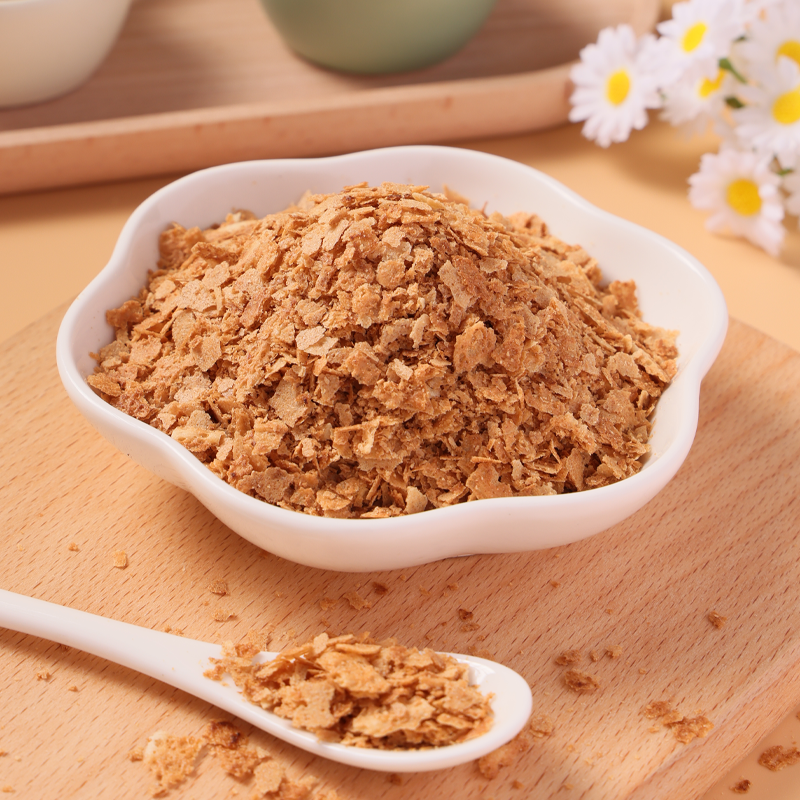
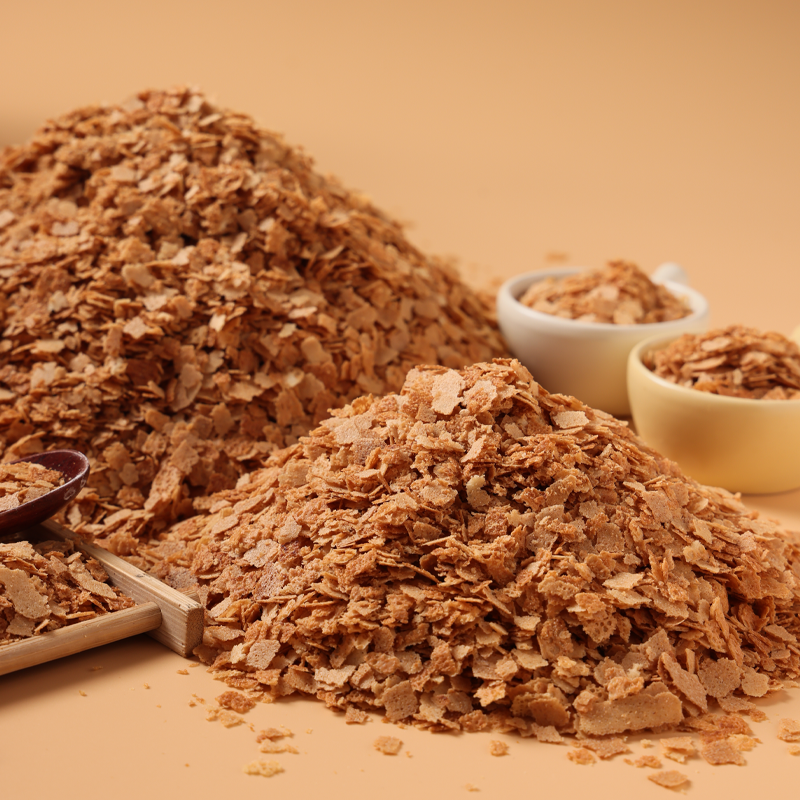
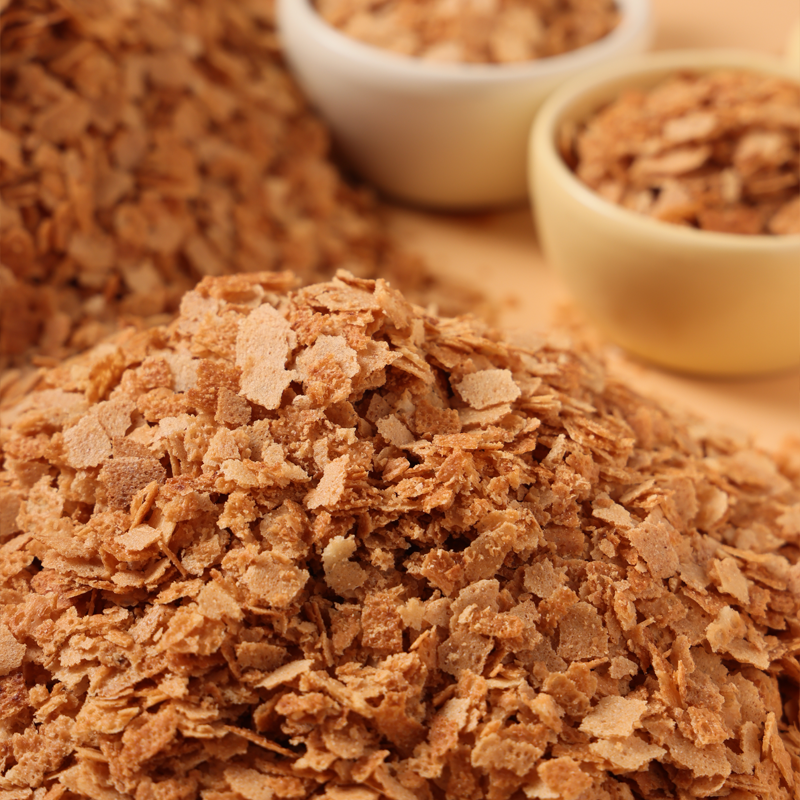


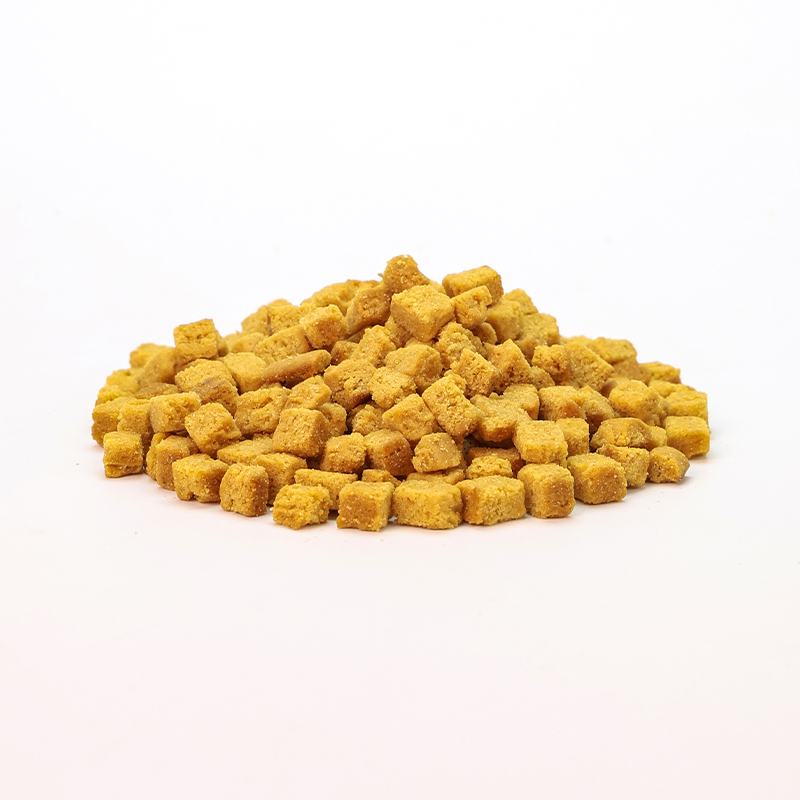
What Is Butter Feuilletine?
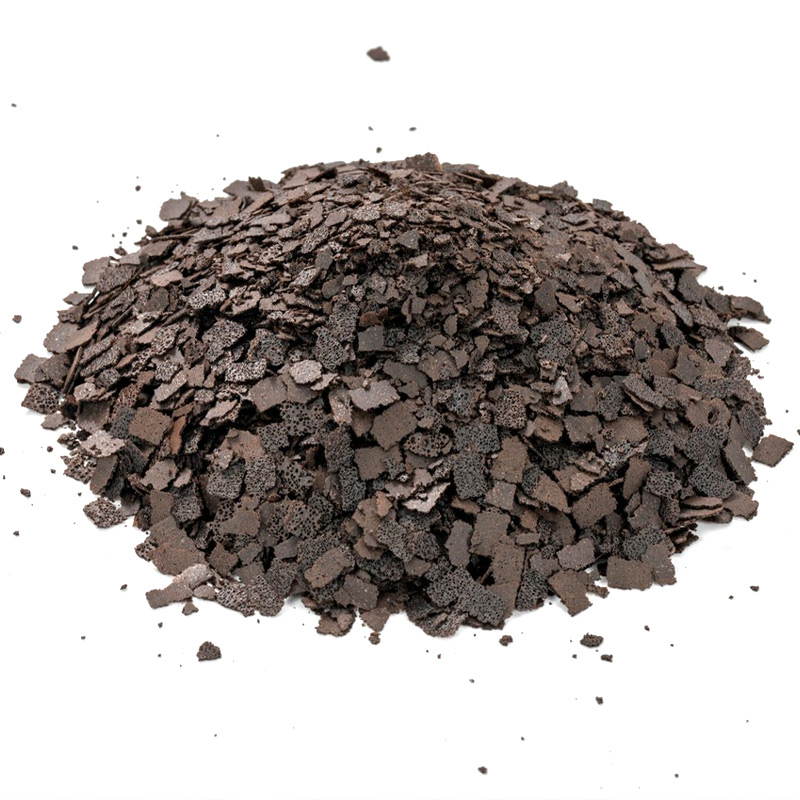
Butter Feuilletine is a biscuit-derived crispy flake ingredient made from thin, caramelized crêpe or wafer batter, enriched with real butter for a distinct layered crunch and rich flavor profile. It is widely used as a textural component in chocolate confectionery, pralines, bonbons, entremet cakes, and premium ice cream products. Unlike generic pailleté feuilletine, butter feuilletine contains a measurable butter fat content—typically between 10% and 18%—which directly contributes to its superior mouthfeel, longer-lasting crispness, and deeper baked aroma.
In professional pastry and confectionery manufacturing, butter feuilletine is valued not only for its texture but also for its structural performance when combined with fat-based compounds such as dark chocolate, praline paste, or hazelnut gianduja. It serves as a foundational "biscuit base material" in layered confections, providing contrast between creamy and crunchy layers without absorbing moisture rapidly.
Butter Feuilletine vs. Regular Crispy Flakes: Key Differences
The distinction between butter feuilletine and standard crispy flakes is critical for product developers and procurement teams. The differences span raw material composition, processing technique, texture behavior, and end-use suitability.
| Attribute | Butter Feuilletine | Regular Crispy Flakes |
|---|---|---|
| Primary Fat Source | Dairy butter (10–18% fat) | Vegetable oil or margarine |
| Production Method | Thin crêpe batter, baked and shattered into flakes | Extruded or puffed grain-based |
| Texture Profile | Delicate, layered, melt-in-mouth crunch | Coarser, harder crunch |
| Flavor | Rich buttery, caramel-baked notes | Neutral to mild grain flavor |
| Moisture Sensitivity | Moderate – protected in fat-based applications | High – loses crunch faster in humid conditions |
| Typical Applications | Premium chocolate, praline, entremet, gelato | Cereal coatings, snack bars, mass confectionery |
| Price Tier | Premium | Standard to economy |
The key functional difference lies in how butter feuilletine interacts with chocolate and fat-based coatings. When enrobed or mixed into ganache or praline, butter feuilletine maintains its structural integrity for 6 to 12 months under standard shelf conditions, while regular crispy flakes typically soften within 4 to 8 weeks in similar applications due to moisture migration.
How Butter Feuilletine Is Made: The Manufacturing Process
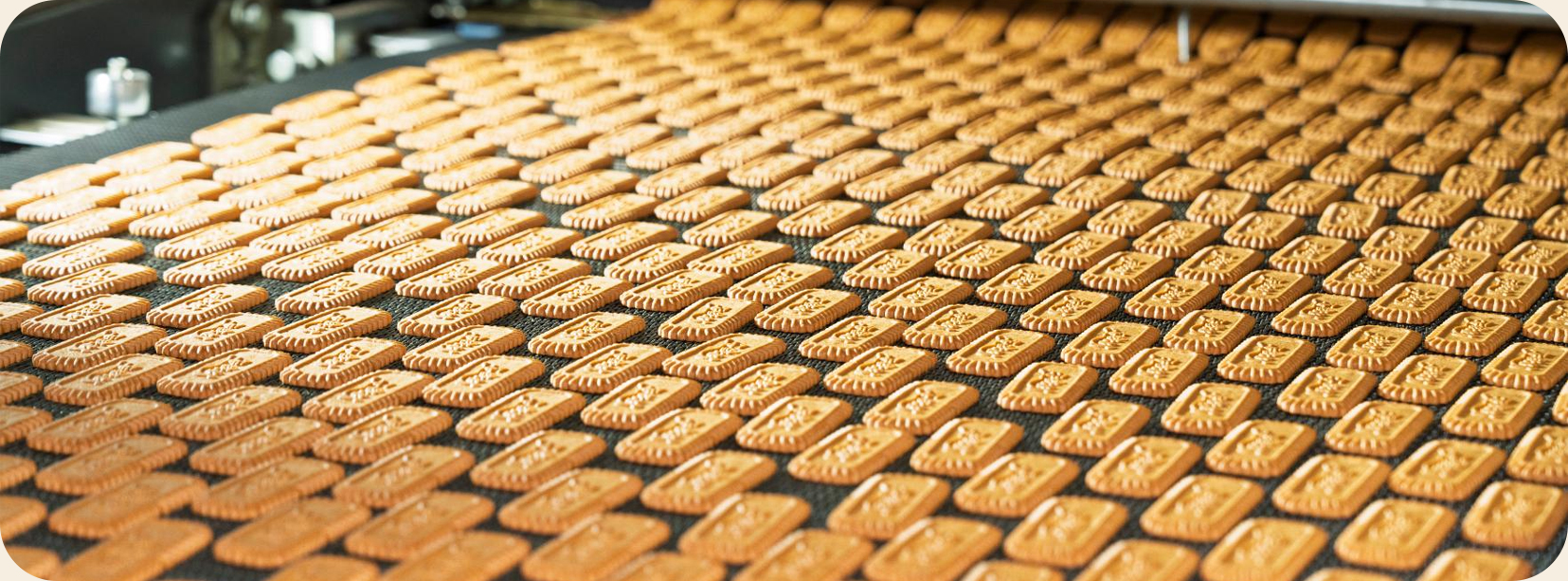
Understanding production methodology helps buyers evaluate quality and consistency. The manufacturing of butter feuilletine involves several precision-controlled stages:
- Batter Preparation: A thin batter is formulated from wheat flour, sugar, real dairy butter, and eggs. The butter content and sugar ratio directly determine the caramelization intensity and crispness level during baking.
- Thin-Sheet Baking: The batter is spread into ultra-thin sheets (typically 0.5–1.5 mm) on continuous belt ovens at temperatures ranging from 160°C to 210°C. This stage determines the degree of Maillard browning and flavor development.
- Shattering and Sizing: Immediately after baking, the brittle sheets are mechanically shattered into irregular flake shapes. Particle size grading is performed to achieve target flake dimensions, commonly between 3 mm and 12 mm.
- Moisture Control and Packaging: Final moisture content is controlled to below 3% to preserve crispness during storage and transit. Products are sealed in multi-layer packaging under controlled humidity conditions.
Advanced manufacturers such as YOULEI FOOD TECHNOLOGY CO., LTD. apply proprietary baking curve controls and butter integration techniques to achieve consistent flake density and color uniformity across production batches—a critical requirement for customers in the chocolate and premium pastry sectors.
Primary Industrial Applications of Butter Feuilletine
Butter feuilletine is deployed across multiple product categories, each with distinct technical requirements:
Chocolate Confectionery and Pralines
The most prevalent use case. Butter feuilletine is blended into praline paste or dark chocolate ganache to create crunchy layers in bonbons, truffles, and tablet bars. A standard application formula uses 20–35% feuilletine by weight within the praline component. The fat compatibility between butter feuilletine and cocoa butter minimizes moisture transfer, preserving texture over the product's shelf life.
Layered Entremet and Patisserie
In fine pastry, a "feuilletine croustillant" base layer—typically combining butter feuilletine with gianduja or milk chocolate—provides structural contrast beneath mousse layers. This application requires precise tempering of the chocolate binder to avoid softening the flakes prematurely during assembly. Typical crust thickness in commercial entremet ranges from 5 mm to 10 mm.
Premium Ice Cream and Frozen Desserts
Butter feuilletine is incorporated as an inclusion or base component in gelato bars, ice cream bonbons, and frozen cakes. At sub-zero temperatures, the high butter fat content helps retain flake flexibility compared to grain-based alternatives, which tend to become excessively hard or crumble. Leading frozen food manufacturers have adopted butter feuilletine as a premium positioning differentiator in their product lines.
Tea Beverages and Beverage Toppings
An emerging application driven by growth in the specialty tea drink sector. Butter feuilletine is used as a topping element on cheese tea, milk tea beverages, and dessert drinks, where its visual appeal and initial crunch before moisture contact deliver a distinct sensory moment. The exposure time before softening is typically 5 to 15 minutes, making product design around serving speed critical.
Quality Parameters and Technical Specifications Buyers Should Evaluate
When sourcing butter feuilletine for industrial use, procurement professionals and R&D teams should assess the following specifications:
- Butter Fat Content: Minimum 10% is standard for category qualification; premium grades exceed 15%. This directly impacts flavor complexity and shelf stability.
- Moisture Content: Should be ≤3% at the point of shipment. Higher moisture accelerates crispness loss during storage.
- Particle Size Distribution: Specify target flake size range based on application—finer flakes (3–6 mm) for inclusions in chocolate, larger flakes (8–12 mm) for visible topping applications.
- Color Uniformity (L* Value): CIE Lab color measurement should show consistent L* values between 55 and 70 for standard golden-brown feuilletine, indicating controlled baking uniformity.
- Shelf Life: A well-produced butter feuilletine should carry a minimum 12-month shelf life from production date under sealed, ambient conditions (≤25°C, ≤60% RH).
- Allergen Declaration: Contains wheat (gluten), milk, and eggs as standard. Halal and Kosher certifications are increasingly requested by global buyers.
Frequently Asked Questions About Butter Feuilletine
Can butter feuilletine be used in water-based applications?
No. Butter feuilletine is not suitable for direct incorporation into water-based gels, mousses without fat barriers, or aqueous fillings. The flakes will absorb moisture rapidly and lose their crunch within minutes. Always encapsulate or enrobe feuilletine in a fat-based matrix (chocolate, praline, compound coating) before integrating into water-activity-sensitive systems.
What is the optimal incorporation ratio in praline-based products?
Industry practice typically places butter feuilletine at 25–40% by weight of the total praline crust mixture. Below 20%, textural impact is minimal; above 45%, structural integrity of the crust layer may be compromised when sliced or portioned. Exact ratios should be validated through aw (water activity) and hardness testing for each specific formula.
Is there a difference between pailleté feuilletine and butter feuilletine?
Yes. "Pailleté feuilletine" is a broader category term referring to any crumbled thin crêpe-dentelle biscuit. Butter feuilletine specifically denotes a formulation where dairy butter is a primary fat ingredient, as opposed to variants made with margarine or vegetable shortening. The butter designation implies a defined flavor benchmark and generally higher production cost.
How should butter feuilletine be stored before use?
Store in original sealed packaging at temperatures between 15°C and 20°C, with relative humidity below 60%. Avoid proximity to strong odors as the product's high fat content can absorb aromatic compounds. Once opened, use within 5 to 7 days and reseal tightly between uses. Do not refrigerate—condensation upon removal will accelerate moisture absorption.
How do leading manufacturers ensure batch-to-batch consistency?
Reputable butter feuilletine manufacturers implement in-line color monitoring, automated moisture sensing at the oven exit stage, and particle size screening via vibratory sifters after shattering. Companies such as YOULEI FOOD TECHNOLOGY CO., LTD. serve customers ranging from century-old dairy industry benchmarks to global chocolate heritage brands and national-leading frozen food companies—sectors where batch variation tolerance is typically less than ±5% on key parameters such as moisture, color, and flake size distribution.
What certifications are standard for industrial butter feuilletine supply?
The following certifications are commonly required by multinational customers:
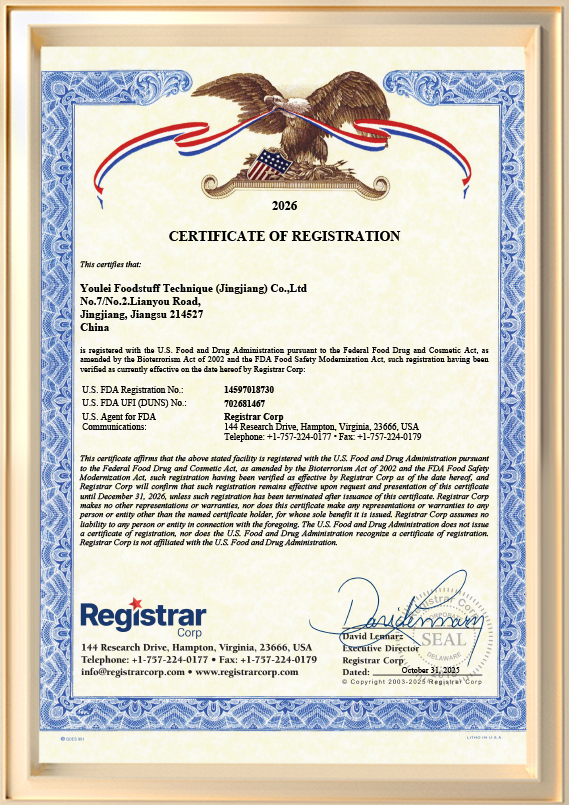
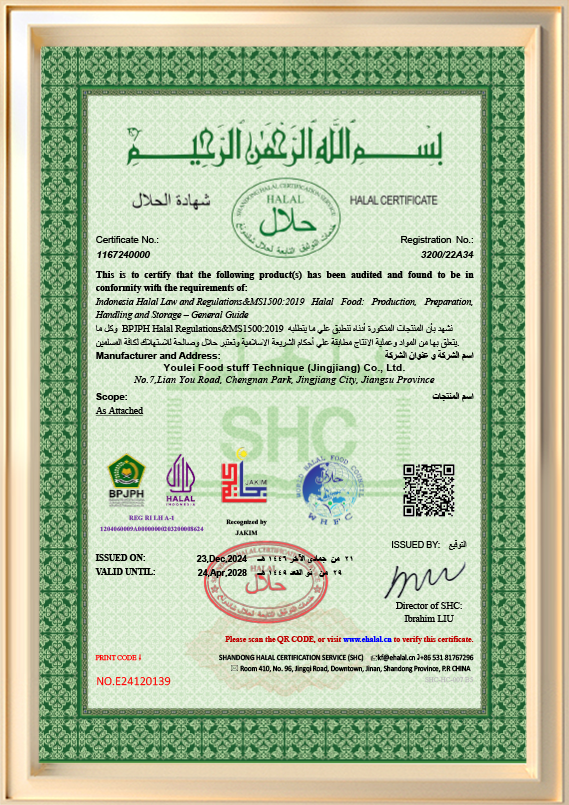
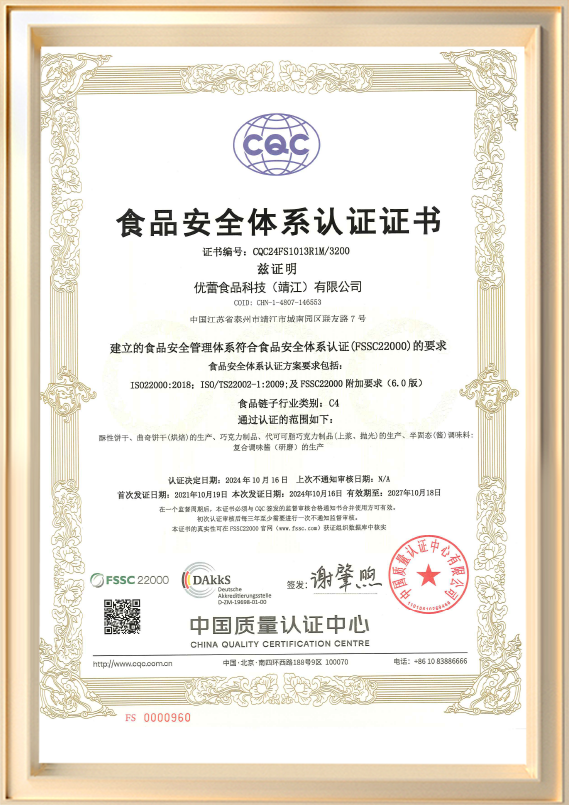
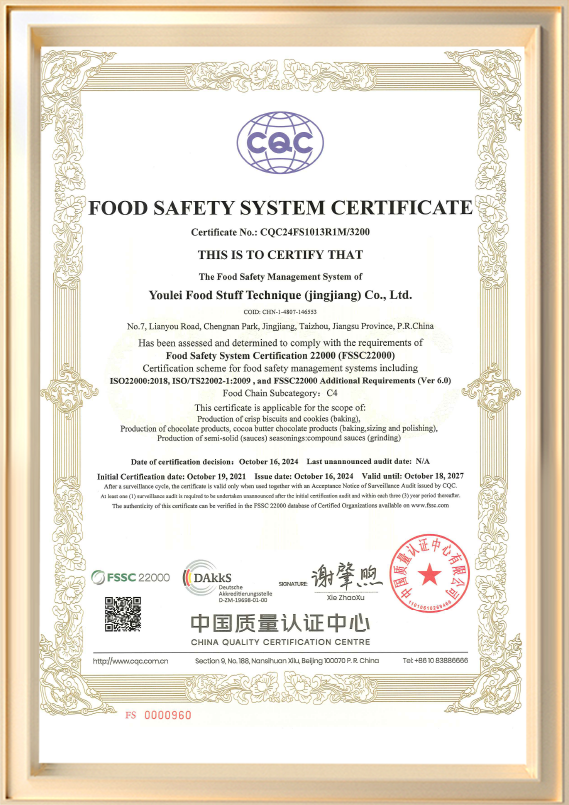
- FSSC 22000 or BRC Food Safety – baseline requirement for food manufacturing partners
- ISO 22000 – food safety management systems
- Halal Certification – mandatory for markets in the Middle East, Southeast Asia, and parts of Europe
- Kosher Certification – increasingly requested by North American and European buyers
- Non-GMO Declaration – relevant for clean-label product positioning
Market Trends and Innovation Directions in Butter Feuilletine
Several converging trends are reshaping product development expectations for butter feuilletine as an ingredient category:
Flavor-Infused Variants
Beyond classic golden-baked profiles, manufacturers are developing cocoa, matcha, black sesame, and salted caramel variants of butter feuilletine. These allow product developers to achieve flavor and texture simultaneously within a single ingredient, reducing formulation complexity and cost.
Extended Crispness Technology
Research into fat bloom-resistant chocolate coatings and moisture-barrier encapsulation has enabled butter feuilletine to maintain crispness in higher water activity environments. Some advanced formulations now achieve crispness retention beyond 18 months in standard chocolate tablet formats—a significant extension from the previously standard 9-to-12-month benchmark.
Clean Label and Reduced-Ingredient Formulations
Consumer demand for clean labels is pushing manufacturers to reformulate with fewer additives and shorter ingredient declarations. Leading butter feuilletine producers have introduced variants with as few as five core ingredients: flour, butter, sugar, eggs, and salt—meeting the "recognizable ingredient" standard demanded by premium retail and foodservice buyers.
Customization for Regional Market Preferences
Butter feuilletine applications in the Asia-Pacific market—particularly within China's booming tea beverage and new Chinese pastry categories—have driven demand for lighter color, thinner flake profiles, and subtle sweetness levels that differ from traditional European specifications. Forward-looking manufacturers are investing in configurable production lines that can switch between regional specification profiles within the same facility.