English
 中文简体
中文简体

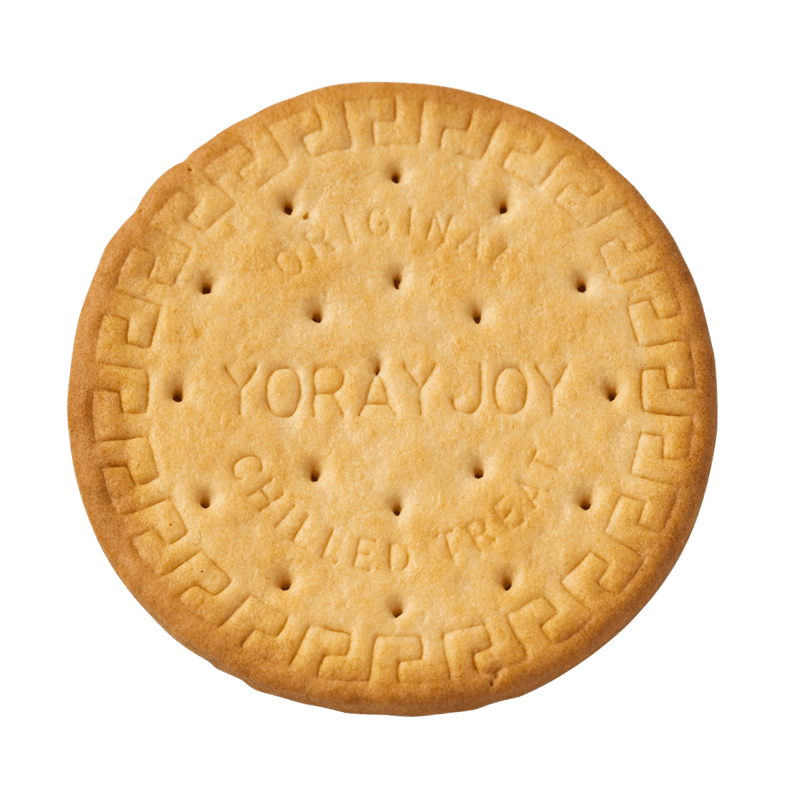
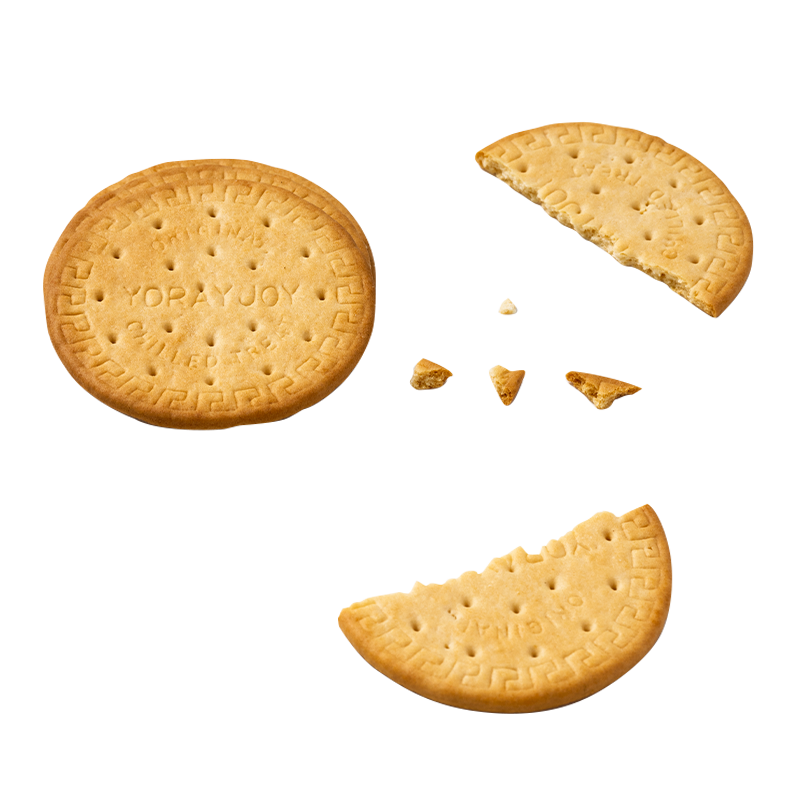
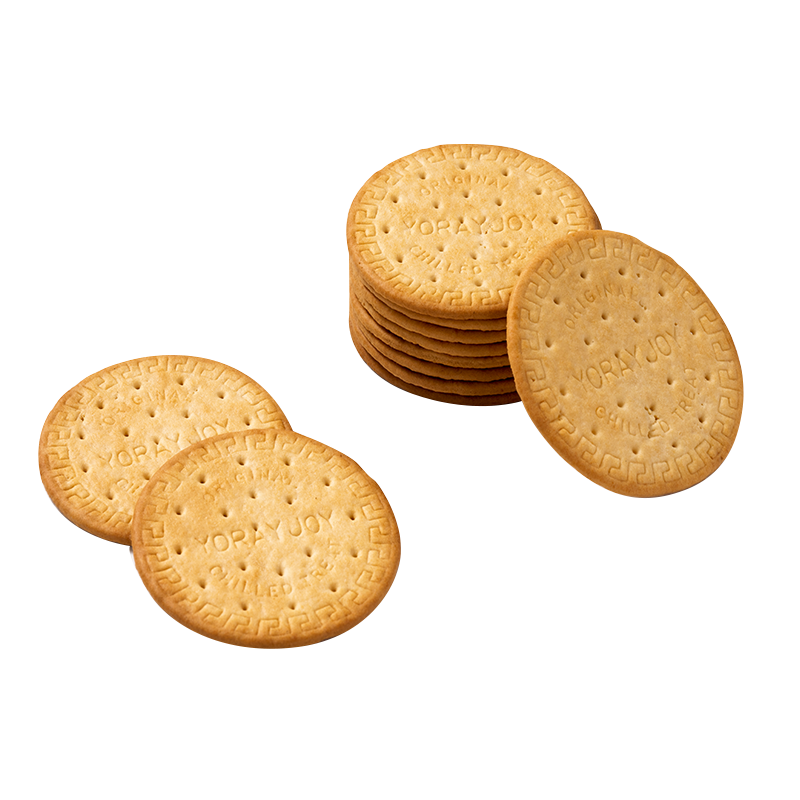


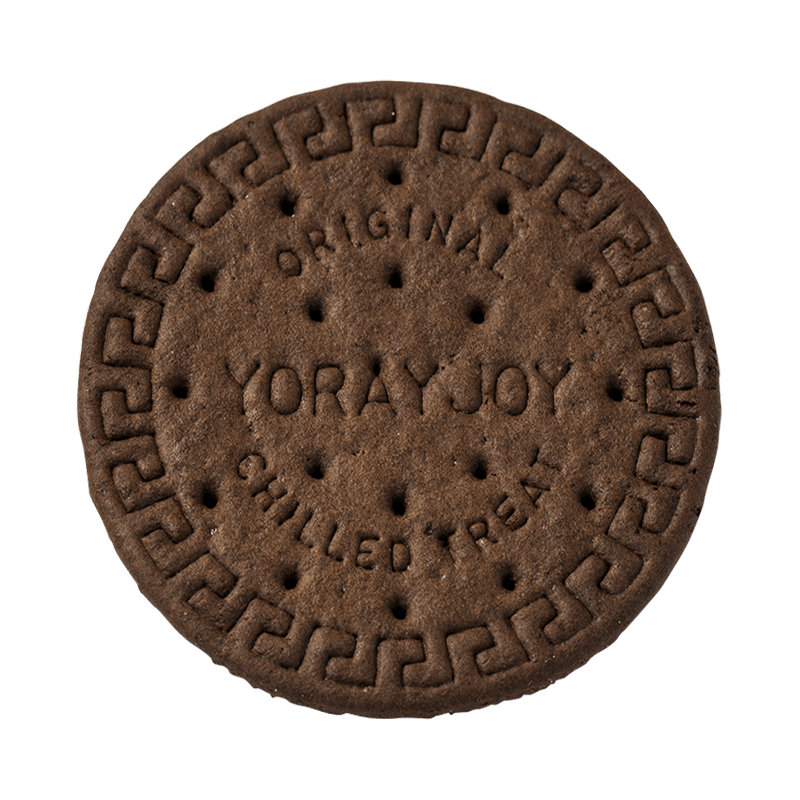
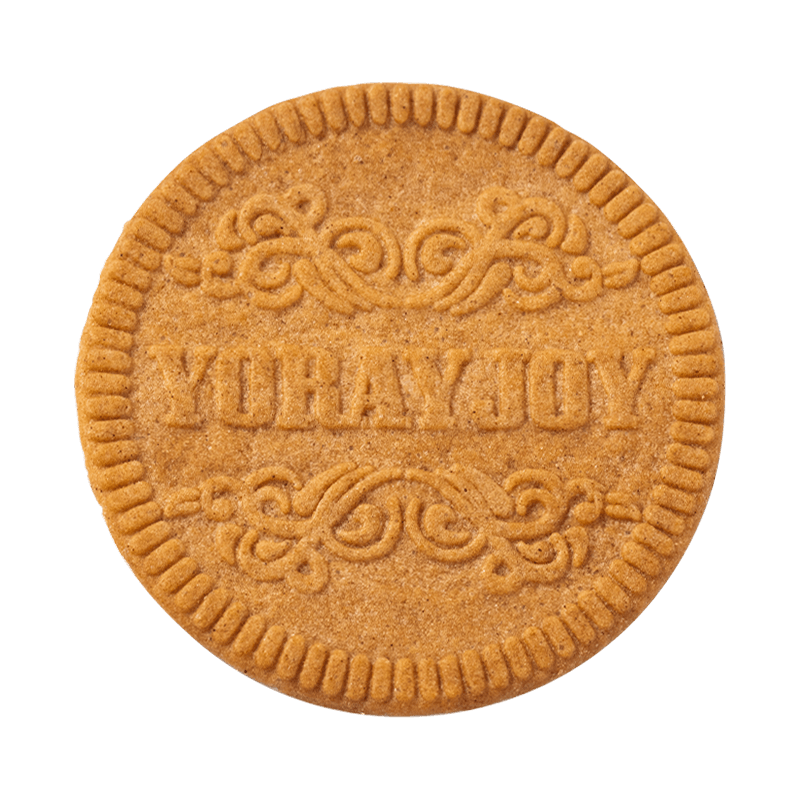
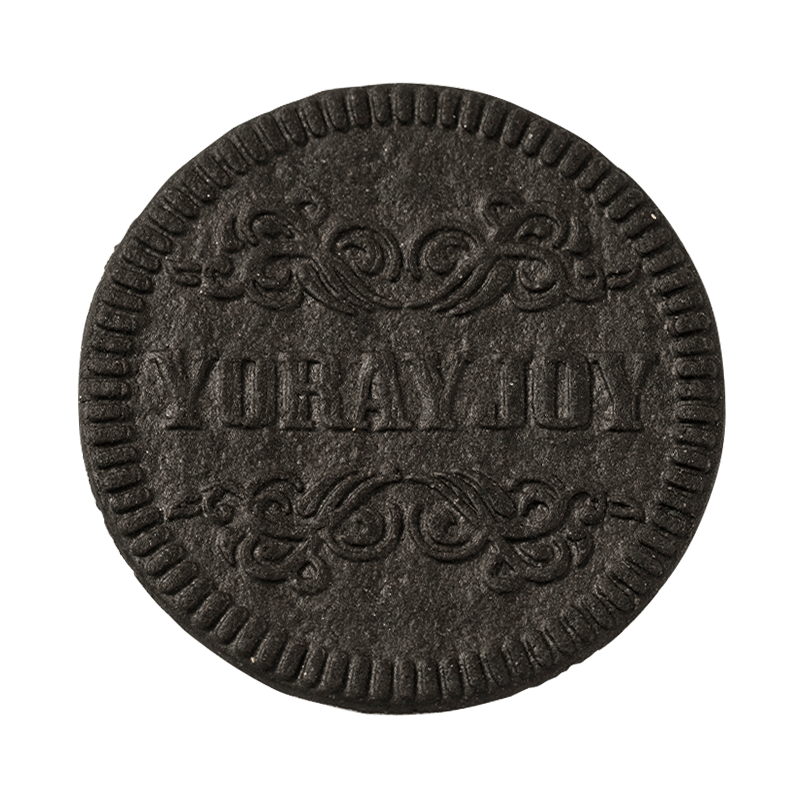
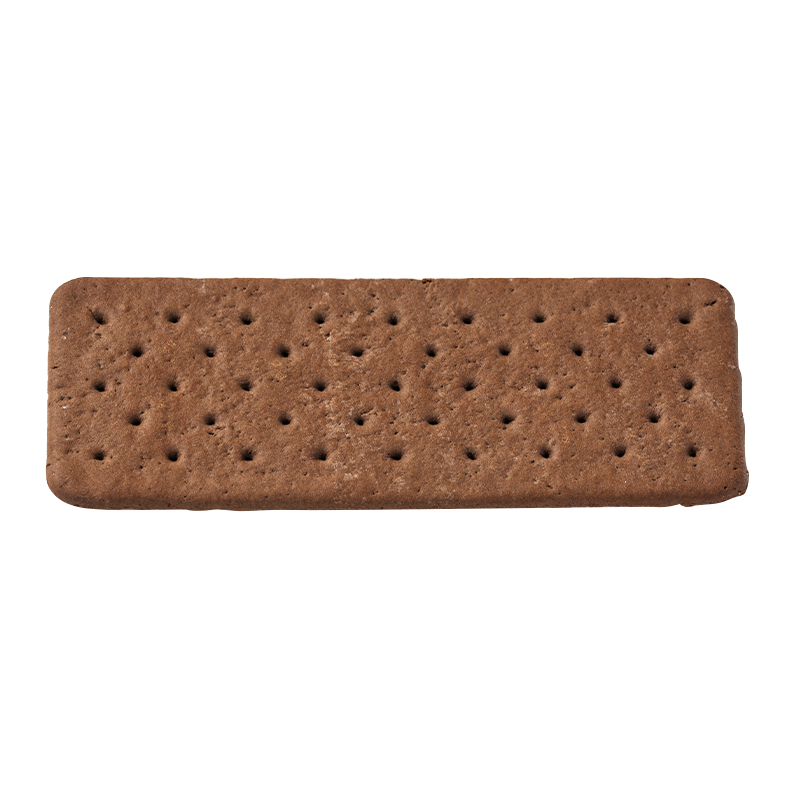
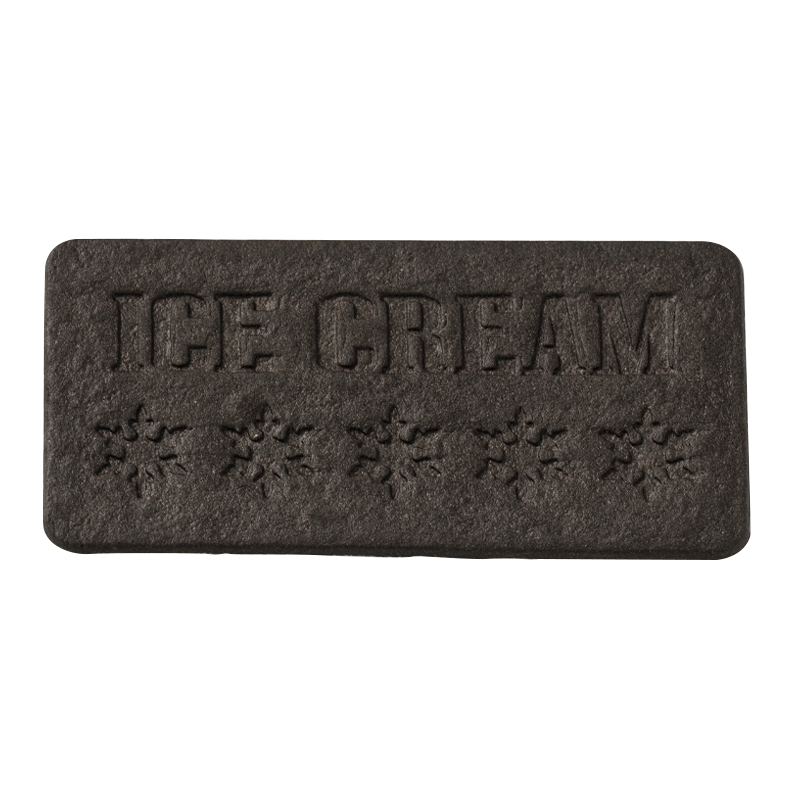
What Are Round Butter Hard Biscuits?
Round butter hard biscuits are a category of crisp, flat, fully-baked biscuit products characterized by their circular shape, firm texture, and high butter fat content (typically 18%–28% of total formulation weight). Unlike soft or semi-soft biscuits, hard biscuits undergo a low-moisture baking process that results in water activity (Aw) values below 0.4, giving them structural integrity and shelf stability. In the B2B supply chain, they function primarily as base materials for layered snacks, chocolate-coated products, ice cream sandwiches, and co-branded confectionery items.
From a technical standpoint, the "hard" classification refers to the dough type—short dough or hard dough—rather than simply the final texture. Hard dough biscuits are mixed with minimal fat emulsification, producing a gluten-developed, dense crumb structure that supports lamination, enrobing, and stacking applications.
Core Ingredient Composition and Its Impact on Product Performance
The performance of round butter hard biscuits in downstream applications is directly determined by ingredient ratios. Below is a typical formulation benchmark used in industrial production:
| Ingredient | Typical Range (% by weight) | Function |
|---|---|---|
| Wheat Flour (low-protein) | 45% – 55% | Structure and crumb density |
| Butter / Anhydrous Milk Fat | 18% – 28% | Flavor, shortness, mouthfeel |
| Sugar (icing or granulated) | 12% – 20% | Sweetness, browning, brittleness |
| Egg / Egg Powder | 3% – 6% | Emulsification, color |
| Leavening agents (baking soda/SAPP) | 0.5% – 1.5% | Controlled expansion and snap |
| Salt | 0.5% – 1.0% | Flavor enhancement |
Butter quality is the single most influential factor on flavor differentiation. Products using Grade A anhydrous milk fat (AMF) with a free fatty acid (FFA) content below 0.3% consistently score higher in sensory evaluations. Low-protein wheat flour (protein content 8%–9.5%) is preferred to limit gluten network strength, enabling clean snap and uniform thickness post-baking.
Industrial Manufacturing Process: Key Control Points
Understanding the manufacturing pipeline is essential for procurement teams, co-manufacturers, and brand partners evaluating biscuit base material suppliers.
Dough Mixing and Temperature Control
Dough temperature at the end of mixing should be maintained between 18°C and 22°C. Exceeding this range accelerates fat melting, leading to spread inconsistency and dimensional variation in the finished round shape. Planetary mixers operating at low speed (60–80 RPM) for 8–12 minutes are standard for short dough formulations.
Rotary Molding vs. Die-Cutting
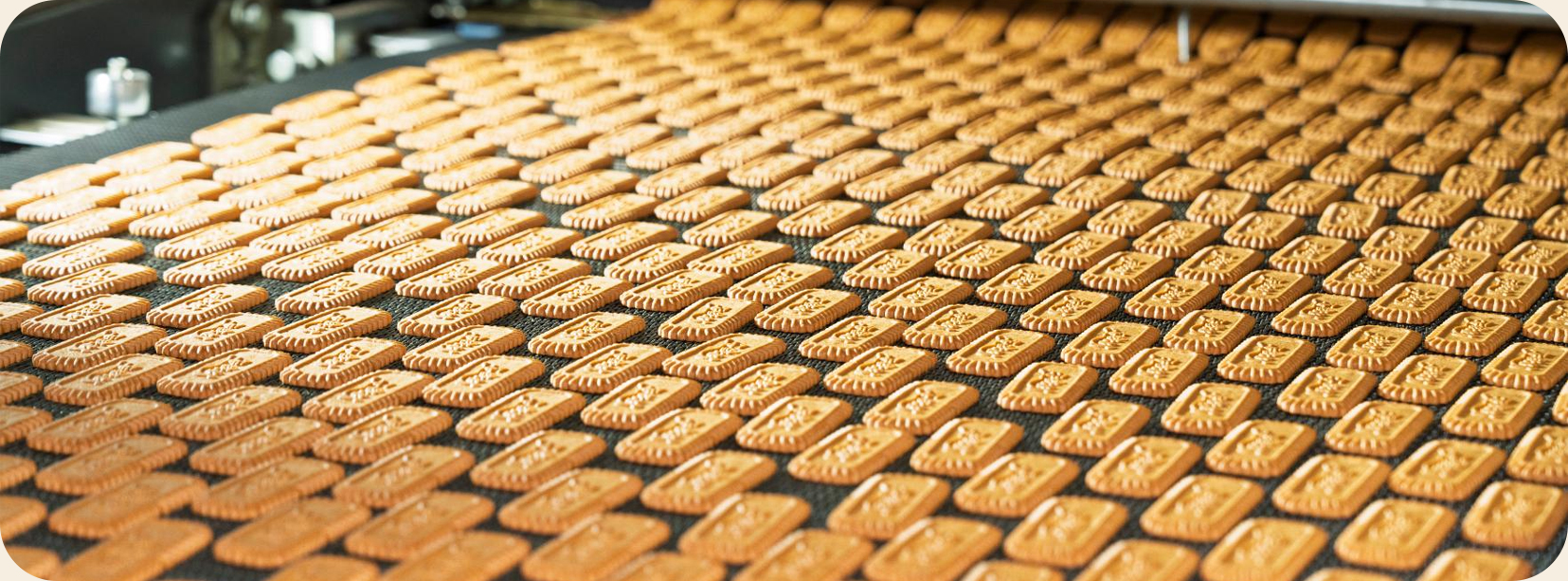
Round butter hard biscuits in industrial settings are predominantly formed via rotary molding, which allows output speeds of 200–400 pieces per minute per lane. Die-cutting (sheeting + stamping) is used for premium lines requiring embossed surface detail. Rotary molding offers tighter diameter tolerances (±0.5 mm), critical for automated stacking and packaging downstream.
Baking: Zone Temperature Profile
Tunnel oven baking typically spans 5–7 minutes across three or four temperature zones:
- Zone 1 (setting): 160°C – 180°C — moisture evaporation and structure formation
- Zone 2 (development): 190°C – 210°C — Maillard browning and flavor development
- Zone 3 (finishing): 170°C – 185°C — color stabilization and final moisture removal
Target moisture content post-baking: 1.5%–3.5%. Products exceeding 4% moisture are at elevated risk of texture softening during shelf life, particularly in high-humidity markets (RH > 70%).
Cooling and Conditioning
Biscuits must be cooled to below 35°C before packaging to prevent condensation inside sealed packaging. A cooling conveyor length of 15–25 meters at ambient temperature (20°C–24°C) is typical. Insufficient cooling leads to inter-biscuit sticking and chocolate bloom in coated applications.
What Is the Best Way to Store Round Butter Hard Biscuits?
The optimal storage condition for round butter hard biscuits is a cool, dry environment at 15°C–20°C with relative humidity below 60%, in sealed, moisture-barrier packaging. Under these conditions, shelf life ranges from 9 to 18 months, depending on packaging format and fat oxidation risk.
Why Temperature and Humidity Matter
Butter fat is susceptible to oxidative rancidity above 25°C, especially when exposed to light or oxygen. A study on high-fat biscuit shelf life found that products stored at 30°C showed detectable rancidity (peroxide value > 10 meq/kg) within 4 months, compared to 12+ months at 18°C. Humidity accelerates texture degradation: biscuits absorb moisture rapidly when RH exceeds 65%, with crispness loss measurable within 48 hours of exposure.
Packaging Specifications for Industrial Storage
- Primary packaging: BOPP/PE laminate or metallized film with OTR (oxygen transmission rate) below 50 cc/m²/day
- Nitrogen flushing: Reducing headspace oxygen to <2% extends shelf life by 30%–50% compared to air-packed equivalents
- Secondary packaging: Corrugated cartons with moisture-resistant lining for warehouse and transit use
- Palletization: Shrink-wrapped pallets stored off the floor on pallets, away from direct light sources
Cold Chain Considerations for Export
For export to Southeast Asian, Middle Eastern, or tropical markets where ambient temperatures routinely exceed 30°C, climate-controlled containers (set to 18°C–20°C) are recommended for sea freight exceeding 3 weeks transit time. Without temperature control, fat bloom and flavor degradation become significant quality risks before the product reaches retail shelves.
Frequently Asked Questions About Round Butter Hard Biscuits
What diameter sizes are standard for round butter hard biscuits in B2B applications?
The most common industrial diameters are 40 mm, 50 mm, 55 mm, and 70 mm. The 50 mm–55 mm range is the most widely used for ice cream sandwich bases and chocolate-enrobed products, as it aligns with standard enrobing belt widths and consumer portion expectations. Custom diameters can be produced via rotary mold tooling changes, with typical minimum order quantities (MOQ) of 5–10 metric tons per custom SKU.
What is the typical thickness tolerance in production?
Industrial production tolerances for biscuit thickness are generally ±0.3 mm to ±0.5 mm. For applications requiring precise layer heights—such as multi-layer wafer-biscuit composites or portioned dessert components—tighter tolerances of ±0.2 mm can be achieved with sheeting-and-cutting methods, at a higher per-unit cost.
Can round butter hard biscuits be used directly as co-manufacturing base materials for frozen products?
Yes, and this is one of the fastest-growing application segments. When used as bases for frozen desserts (e.g., ice cream sandwiches, mousse cakes), biscuits must meet specific freeze-thaw performance criteria: no cracking at -18°C after 3 freeze-thaw cycles, and moisture absorption below 5% after 30 minutes of contact with ice cream filling. Formulations with higher AMF content (25%–28%) typically perform better in frozen applications due to the plasticizing effect of fat at sub-zero temperatures.
How do certifications affect sourcing decisions for butter-hard biscuits?
For multinational FMCG brands and large food service chains, supplier certifications are non-negotiable entry requirements. The most commonly required certifications include:
- BRCGS Food Safety (Grade A or AA) — required by UK and EU retail chains
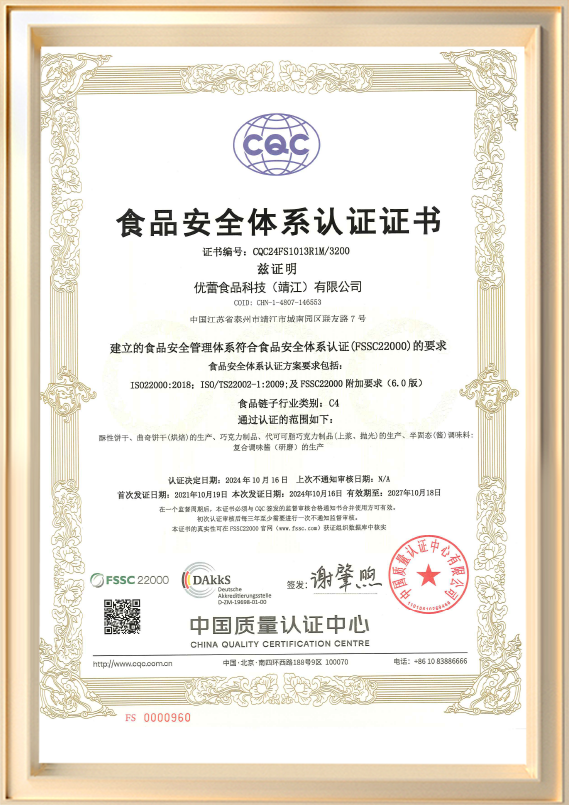
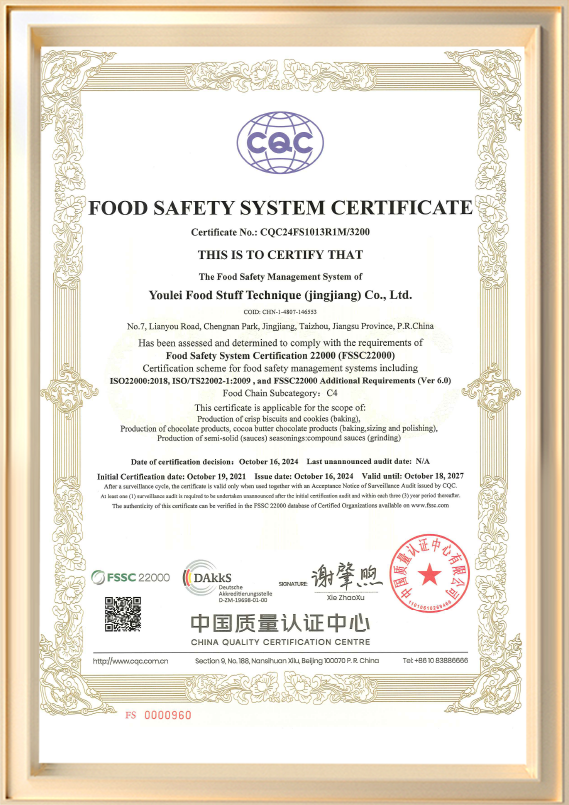
- FSSC 22000 — preferred by global CPG companies and QSR chains
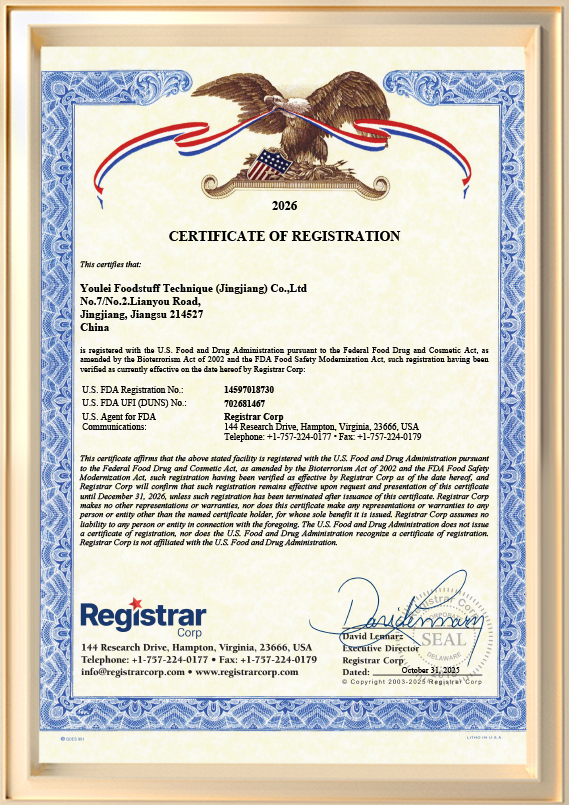
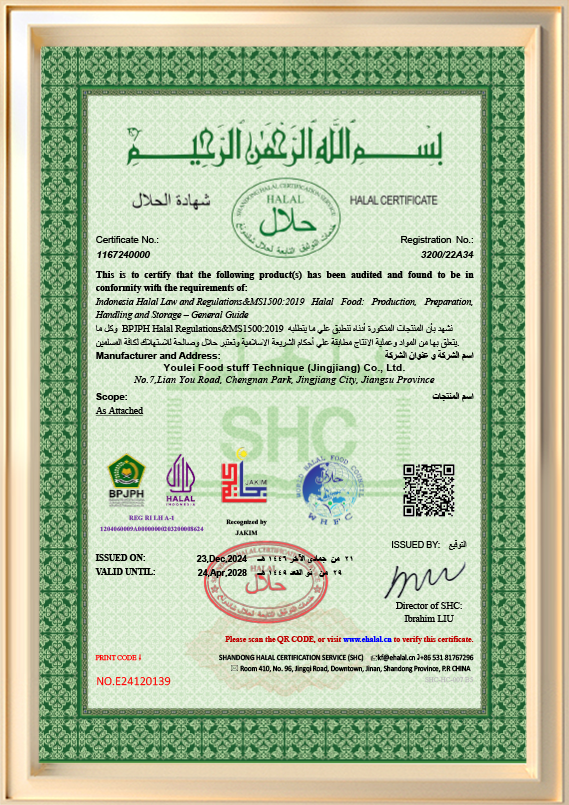
- Halal certification — mandatory for Middle East, Southeast Asia, and Muslim-majority markets
- ISO 22000 — standard baseline requirement for most export markets
What causes uneven browning or shape distortion in round butter hard biscuits?
The three most common root causes of quality defects in production are:
- Inconsistent dough temperature — fat behaves differently above 22°C, causing uneven spread during baking
- Oven hot spots — uneven burner distribution in tunnel ovens creates localized over-browning; regular calibration every 500 production hours is recommended
- Sugar particle size variation — coarser sugar crystals dissolve unevenly, creating localized surface caramelization before the biscuit is fully set
How are round butter hard biscuits typically priced in bulk B2B procurement?
Bulk pricing is primarily driven by butter/AMF commodity prices, flour costs, and packaging specifications. As of recent market data, standard round butter hard biscuit base materials are sourced in the range of USD 2.80–4.50 per kg (FOB) depending on fat content, certifications, and order volume. Orders above 20 metric tons per shipment typically qualify for volume pricing adjustments of 8%–15% compared to MOQ pricing tiers.
Application Scenarios and Industry Use Cases
Round butter hard biscuits serve as versatile base materials across multiple food manufacturing verticals. Their structural integrity, neutral-to-buttery flavor profile, and compatibility with wet fillings make them a preferred choice for product developers.
| Application | Key Requirement | Typical Diameter |
|---|---|---|
| Ice cream sandwich base | Freeze-thaw stability, no cracking | 50 mm – 70 mm |
| Chocolate-enrobed snack | Smooth surface, low moisture migration | 40 mm – 55 mm |
| Cheese/cream filling carrier | Moisture barrier, structural strength | 40 mm – 60 mm |
| Dessert cake base layer | Precise thickness, flavor neutrality | 55 mm – 80 mm |
| Tea beverage pairing snack | Clean label, premium butter flavor | 40 mm – 50 mm |
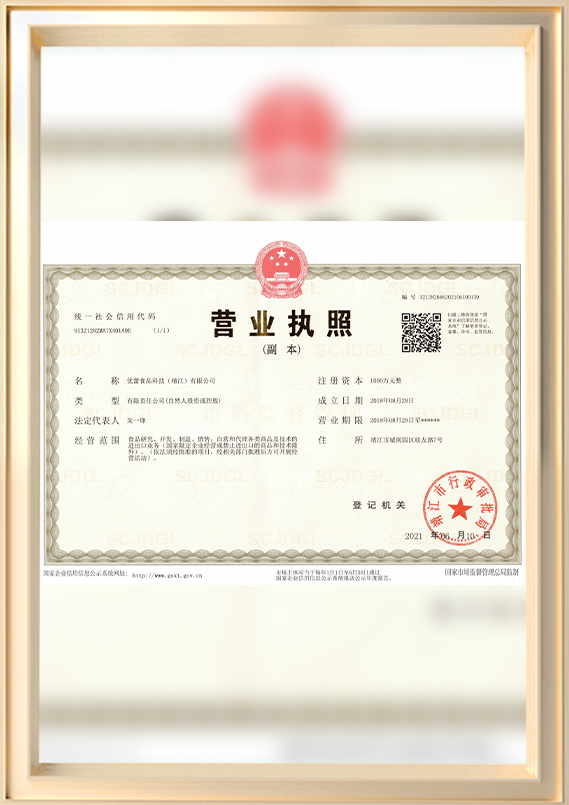
For co-branded or OEM supply relationships, Youlei Food Technology Co., Ltd. exemplifies how a biscuit base material manufacturer can serve diverse brand ecosystems—from dairy heritage brands and global chocolate companies to frozen food chains and premium tea beverage labels—by maintaining consistent product specifications, flexible customization capabilities, and robust food safety infrastructure.
Quality Control Metrics Buyers Should Evaluate
When qualifying a round butter hard biscuit supplier, procurement and R&D teams should request documentation and test data on the following key quality indicators:
- Water activity (Aw): Target ≤ 0.40 to ensure microbial stability without refrigeration
- Moisture content: 1.5%–3.5% (AACC Method 44-15.02)
- Fat content (acid hydrolysis): Verified against declared formulation within ±1.5%
- Diameter and thickness uniformity: CV (coefficient of variation) below 1.5% across a production batch sample of 50 pieces
- Break strength: Measured via texture analyzer; typically 8–20 N for hard biscuit categories
- Peroxide value (PV): ≤ 5 meq/kg at point of dispatch to ensure fat freshness at destination
- Microbiological compliance: Total plate count < 10,000 CFU/g; no detection of Salmonella, Listeria, or E. coli per 25g sample
Requesting a Certificate of Analysis (CoA) for each production lot, plus third-party lab verification for new supplier qualification, is industry standard practice for professional food manufacturing partnerships.