English
 中文简体
中文简体

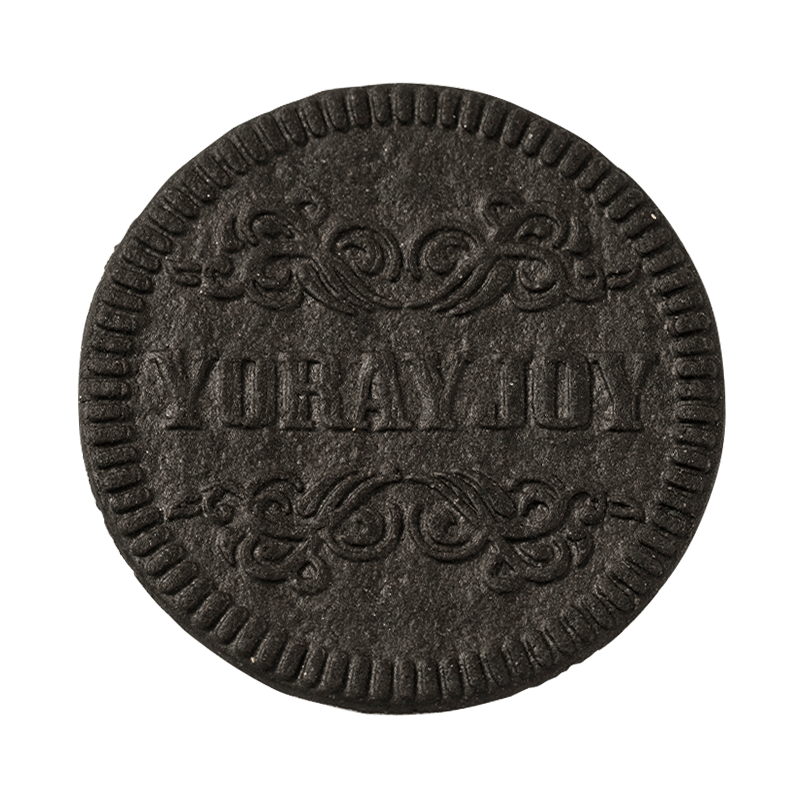
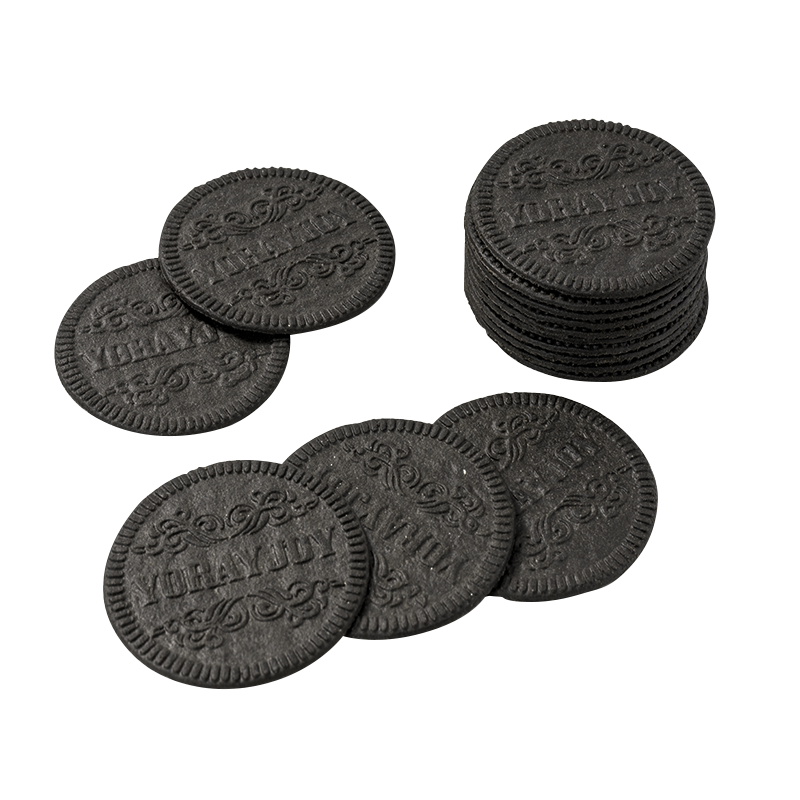
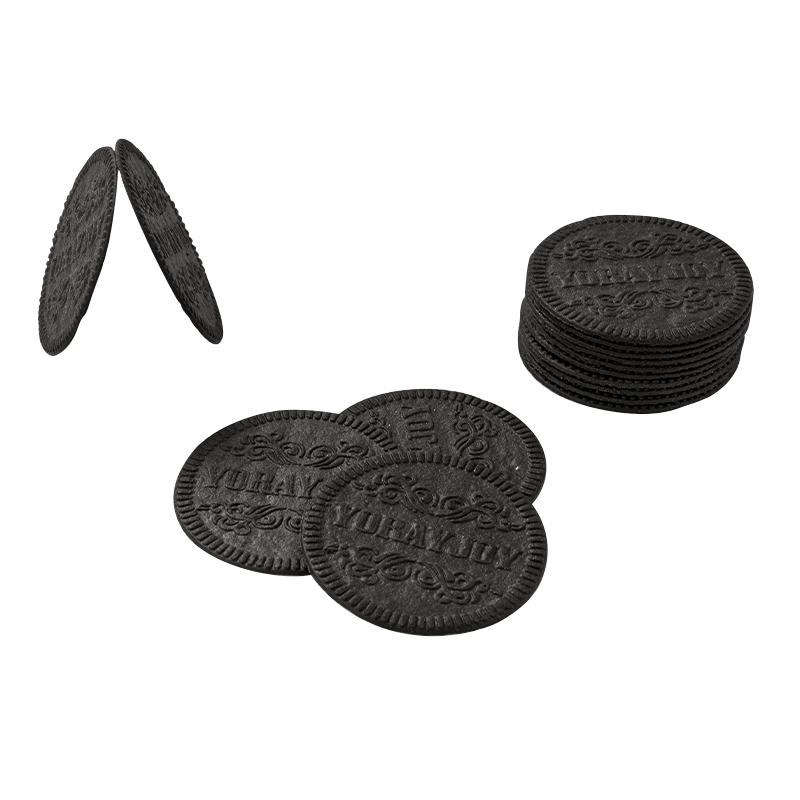



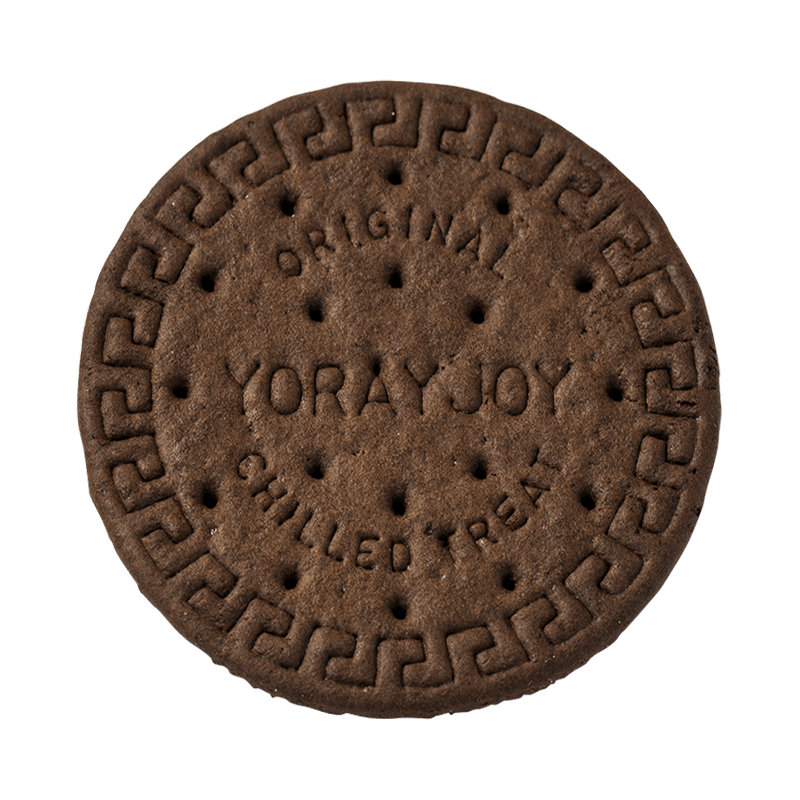

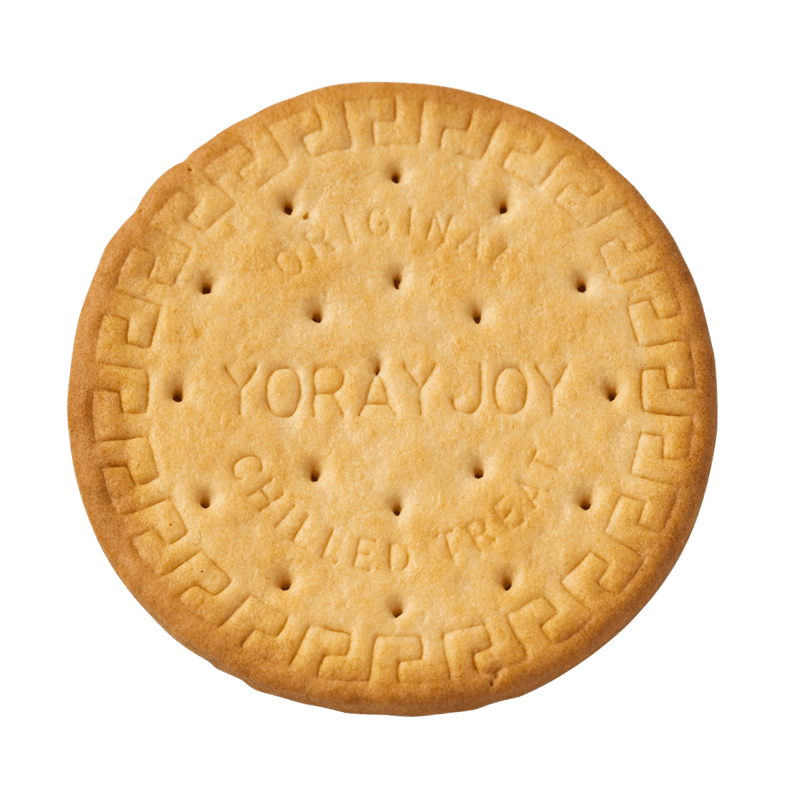
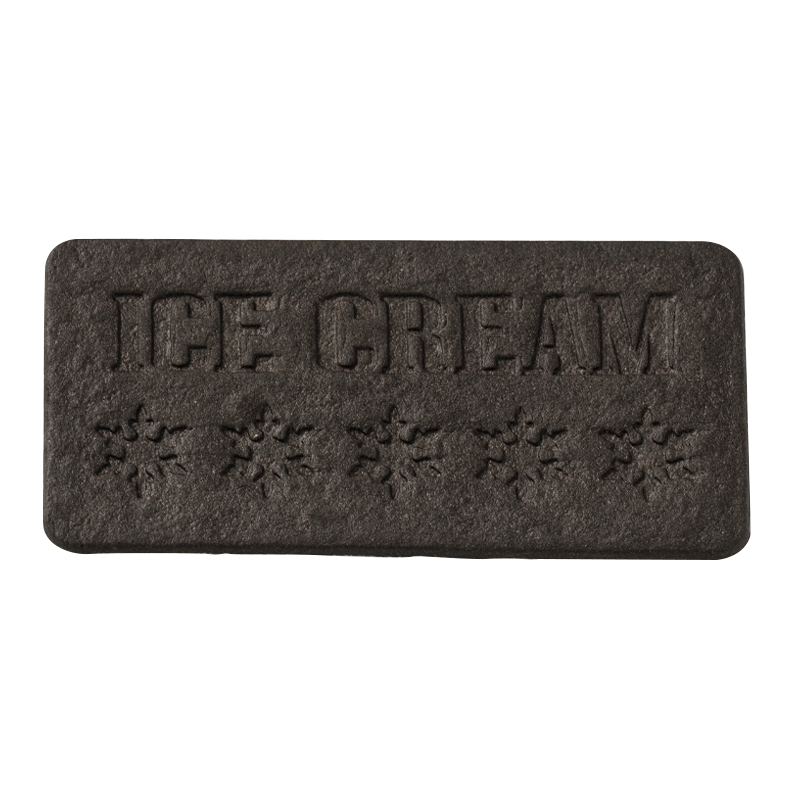
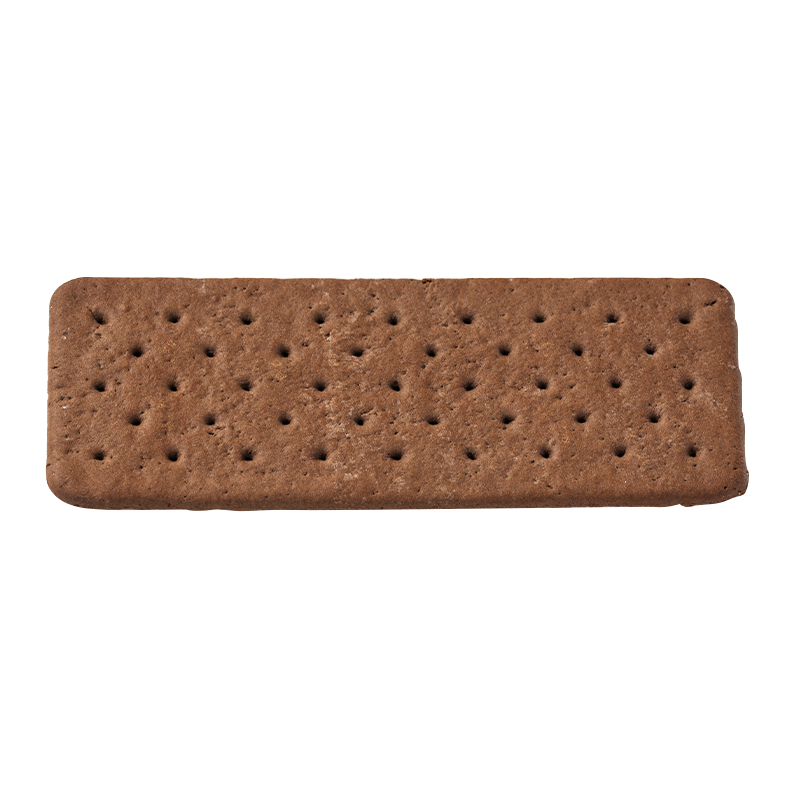
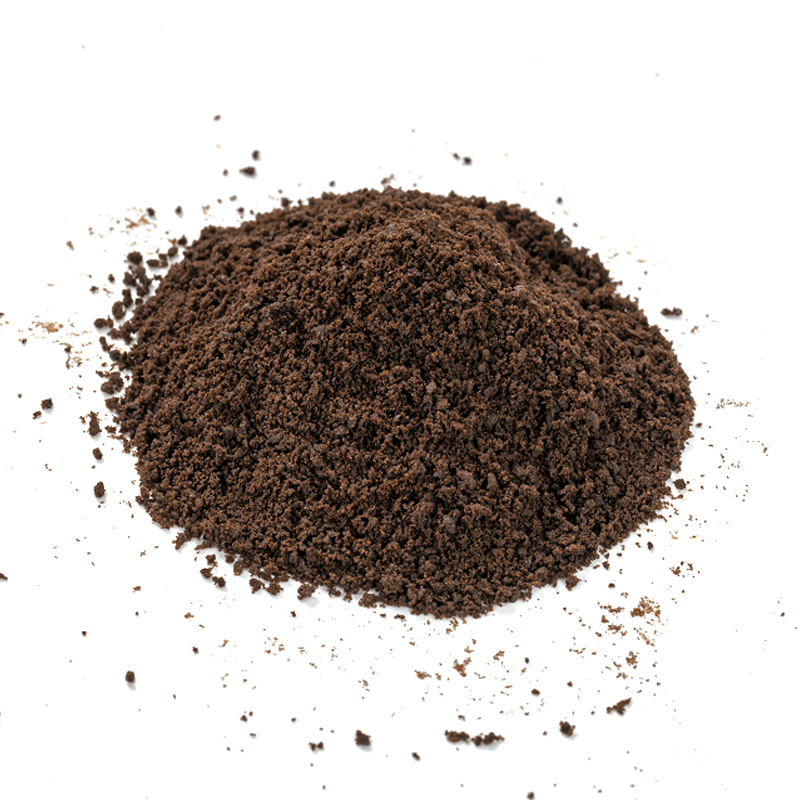
What Are Round Cocoa Crispy Biscuits?
Round Cocoa Crispy Biscuits are a category of circular-shaped baked goods formulated with cocoa powder as a core flavoring agent, engineered to deliver a uniform snap texture and consistent cocoa flavor profile. In industrial food manufacturing, they function not only as standalone snack products but also as critical base materials (biscuit bases) for layered desserts, ice cream sandwiches, chocolate-coated confections, and cheesecake crusts. Their standardized geometry, controlled moisture content (typically below 4%), and defined breaking strength make them a preferred substrate in high-volume food processing lines.
Core Ingredients and Their Functional Roles
Understanding ingredient composition is essential for procurement, quality control, and product development decisions. Each component in Round Cocoa Crispy Biscuits performs a defined technical function:
| Ingredient | Typical Proportion | Functional Role |
|---|---|---|
| Wheat Flour | 45–55% | Structural matrix; gluten network formation |
| Cocoa Powder | 6–12% | Flavor, color, and slight fat contribution |
| Vegetable Fat / Shortening | 18–25% | Crispness, mouthfeel, and shelf-life extension |
| Sugar | 15–22% | Sweetness, Maillard browning, texture rigidity |
| Leavening Agents (e.g., sodium bicarbonate) | 0.5–1.5% | Gas generation; porosity and snap quality |
| Emulsifiers (e.g., lecithin) | 0.2–0.5% | Fat-water homogeneity; dough workability |
The cocoa powder grade matters significantly: alkalized (Dutch-process) cocoa produces a darker color and milder flavor, preferred in premium base material applications, while natural cocoa imparts higher acidity and a more pronounced bitterness favored in certain regional markets.
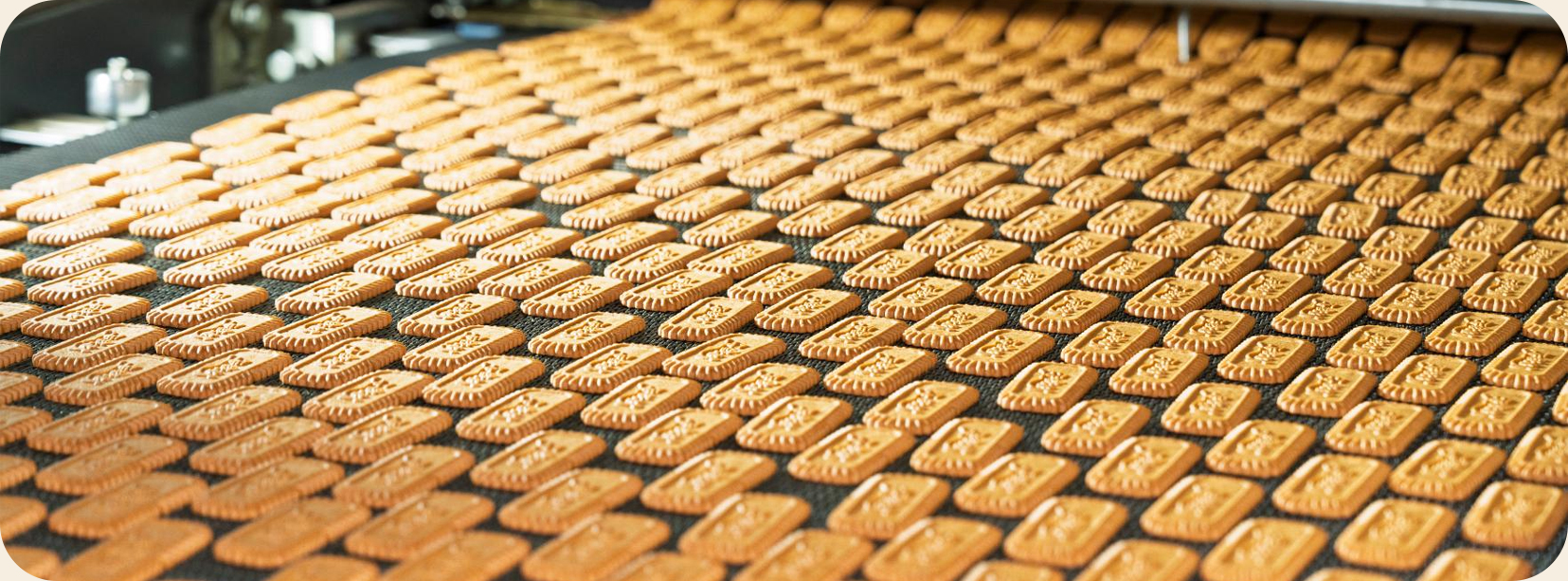
Industrial Manufacturing Process Overview
The production of Round Cocoa Crispy Biscuits follows a tightly controlled sequence. Deviations at any stage directly impact the final texture, geometry consistency, and shelf stability that downstream food manufacturers rely on.
- Ingredient Premixing: Dry ingredients (flour, cocoa, sugar, leavening) are batch-blended to ensure homogeneous dispersion before fat incorporation.
- Dough Formation: Fats and emulsifiers are creamed or blended into the dry mix. Dough consistency is monitored via farinograph or viscometer readings to maintain a target water activity.
- Sheeting and Rotary Molding: Dough is sheeted to a controlled thickness (typically 3–5 mm) and punched into rounds using rotary die-cutting equipment capable of outputs exceeding 500 kg/hour on industrial lines.
- Tunnel Baking: Products pass through multi-zone convection ovens. Baking temperatures range from 170°C to 210°C across zones, with total bake times of 6–12 minutes depending on thickness and target moisture.
- Cooling and Conditioning: Biscuits are cooled on mesh conveyors to ambient temperature. Inadequate cooling before packaging is a primary cause of in-pack moisture condensation and texture degradation.
- Quality Inspection and Packaging: Automated vision systems check diameter consistency, surface color uniformity, and breakage rates. Nitrogen flushing in packaging is commonly used to extend crispness shelf life.
How to Tell If Round Cocoa Crispy Biscuits Have Expired
The most reliable indicator is the printed expiration date, but sensory evaluation provides equally important real-world quality confirmation. In industrial supply chains, biscuit base materials are typically assigned a shelf life of 9 to 18 months from production date under appropriate storage conditions (temperature ≤25°C, relative humidity ≤65%). Here are the key signs of expiry or quality deterioration:
Texture Changes
A defining characteristic of Round Cocoa Crispy Biscuits is their audible snap. Loss of crispness — resulting in a soft, chewy, or rubbery bite — is the earliest and most common sign of moisture ingress, which accelerates microbial risk and indicates compromised packaging integrity or storage failure, even before the printed date is reached.
Fat Rancidity (Off-Odors and Off-Flavors)
Vegetable fats undergo oxidative rancidity over time. This produces detectable sour, waxy, or paint-like odors. In cocoa biscuits, rancidity is partially masked by cocoa's strong aroma, making taste testing — rather than smell alone — a more reliable check. A peroxide value exceeding 5 meq/kg fat is generally considered the threshold for unacceptable rancidity in biscuit fats according to industry standards.
Visual Indicators
- Surface white or gray bloom: in cocoa biscuits, this may indicate fat migration or sugar recrystallization, both signs of thermal abuse or aging.
- Visible mold growth (green, black, or white fuzzy spots): immediate discard required; indicates moisture content has exceeded safe limits (water activity >0.70).
- Color fading or irregular dark patches: may indicate uneven moisture absorption or lipid oxidation accelerated by light exposure.
Packaging Integrity Check
For B2B buyers receiving bulk or institutional quantities, inspecting seal integrity is critical. Deflated nitrogen-flushed bags, punctures, or broken heat seals indicate oxygen exposure that accelerates deterioration regardless of date labeling.
Industry Quality Standards and Compliance Requirements
For manufacturers, retailers, and B2B buyers, compliance with food safety and quality frameworks is non-negotiable. Round Cocoa Crispy Biscuits must typically conform to the following standards depending on market:
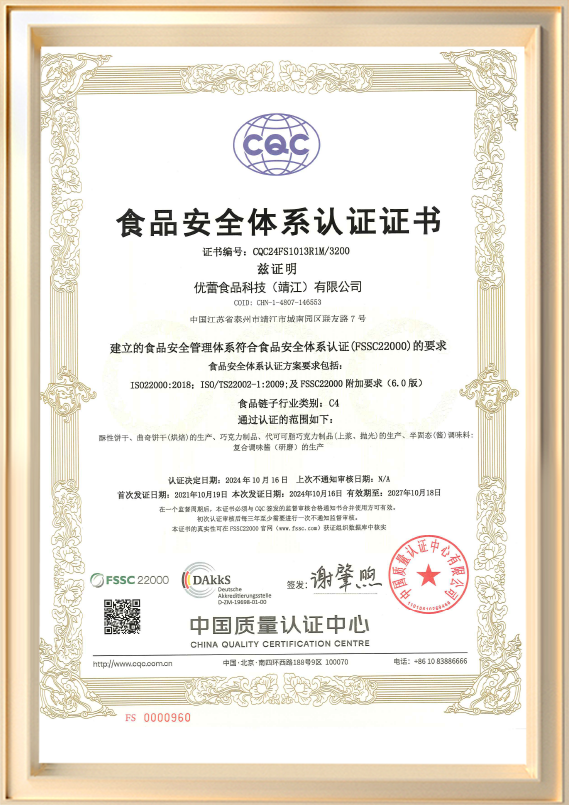
- China: GB/T 20980 (Biscuit Standard) and GB 7100 (Food Safety Standard for Biscuits), specifying limits for moisture (≤6.0%), acid value, and total plate count.
- EU: Regulation (EC) No 1333/2008 on food additives; cocoa powder must comply with Directive 2000/36/EC on cocoa and chocolate products.
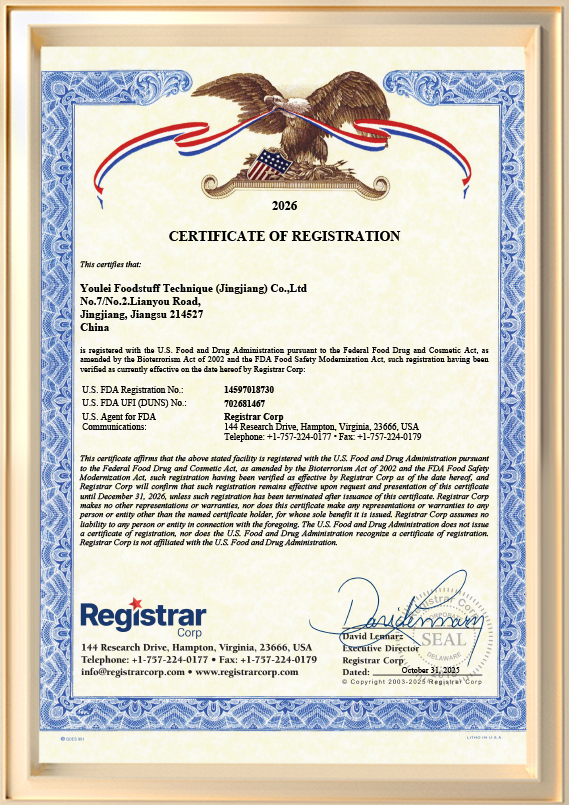
- USA: FDA 21 CFR Part 136 (Bakery Products); FSMA Preventive Controls for Human Food applicable to manufacturing facilities.
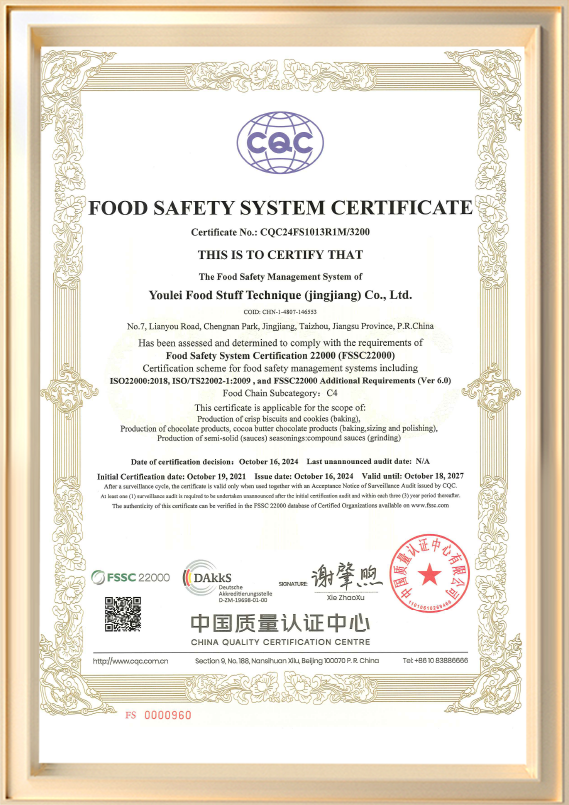
- Global Supply Chains: BRCGS Global Standard for Food Safety and IFS Food are commonly required by multinational buyers for biscuit base material suppliers.
Cocoa-specific compliance also includes cadmium and lead monitoring, as heavy metal contamination in cocoa is a regulated concern in the EU market since the enforcement of Commission Regulation (EU) 2021/1323, which set maximum cadmium levels at 0.30 mg/kg for certain cocoa-containing products.
Key Application Scenarios in Food Manufacturing
Round Cocoa Crispy Biscuits serve diverse roles as base materials across multiple food production categories. Their consistent geometry and structural properties are directly exploited in the following applications:
- Ice Cream Sandwich Bases: Require high structural integrity at freezing temperatures (-18°C), and resistance to sogginess from ice cream fat migration over a target shelf life of 12+ months.
- Chocolate Enrobing Substrates: Biscuit diameter and surface smoothness must be within ±0.5mm tolerance for automated enrobing lines to function without rejects.
- Cheesecake and Mousse Bases: Ground or whole biscuits serve as crust components; controlled fat content (18–22%) ensures proper binding when mixed with butter in cheesecake base formulations.
- Cream-Filled Sandwich Biscuits: Used as the outer wafer shell; breaking strength must be standardized (typically 800–1,200 g force by texture analyzer) to survive cream-filling equipment without cracking.
- Milk Tea and Beverage Pairing Products: Packaged as accompaniment items for branded tea beverages; flavor compatibility with milk-based and tannin-rich beverages is a key sensory design parameter.
Frequently Asked Questions About Round Cocoa Crispy Biscuits
What is the standard diameter for Round Cocoa Crispy Biscuits used as base materials?
Industry-standard diameters for base material applications typically range from 40mm to 80mm, with custom sizes available for specific assembly line requirements. Ice cream sandwich bases most commonly use 55mm and 65mm formats.
What moisture content should Round Cocoa Crispy Biscuits have to maintain optimal crispness?
Moisture content below 3.5% (water activity <0.40) is the industry target for maintaining crispness during distribution. Products exceeding 5% moisture typically exhibit measurable texture degradation within 2–4 weeks of packaging breach.
Can Round Cocoa Crispy Biscuits be used in frozen applications?
Yes, but formulation adjustments are required. Higher fat content (22–28%) and reduced sugar crystallinity improve freeze-thaw stability. Standard commercial biscuits may develop surface condensation and sogginess upon thawing without these modifications.
How is cocoa percentage regulated on product labels?
In most regulatory frameworks, if cocoa or chocolate is highlighted in the product name or imagery, the percentage of that ingredient must be declared on the label (e.g., EU Directive 2000/36/EC). For biscuits marketed as "cocoa flavored," a minimum cocoa powder content of 3% by finished product weight is a common trade benchmark, though no universal legal minimum applies in all markets.
What allergens are typically present in Round Cocoa Crispy Biscuits?
Standard formulations contain gluten (wheat), soy (from lecithin), and may contain traces of milk and tree nuts depending on production environment. Full allergen declaration and shared-line risk disclosure are mandatory under EU Regulation No 1169/2011 and equivalent national standards in other markets.