English
 中文简体
中文简体




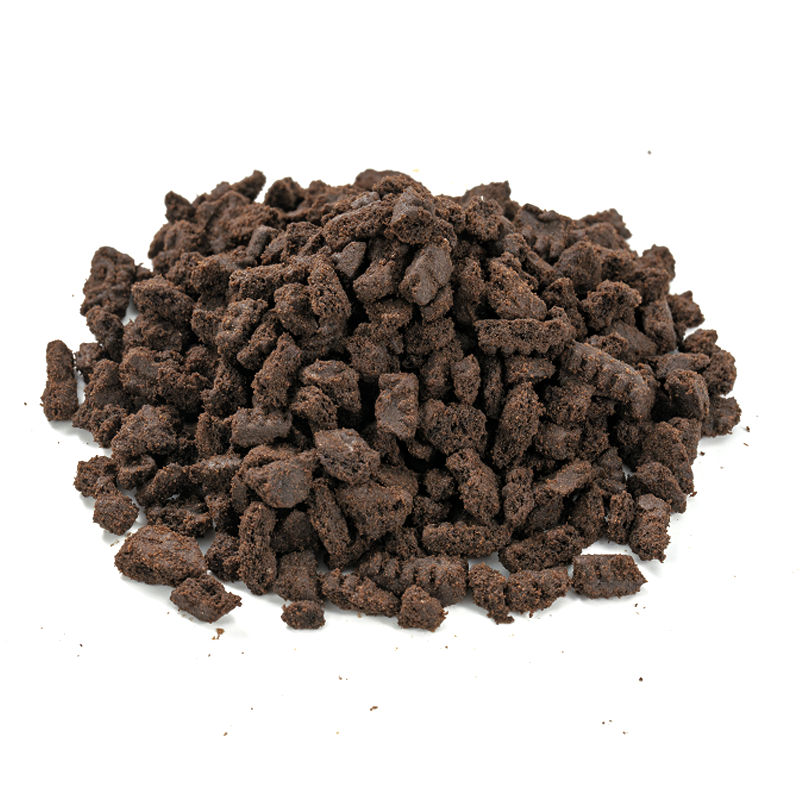
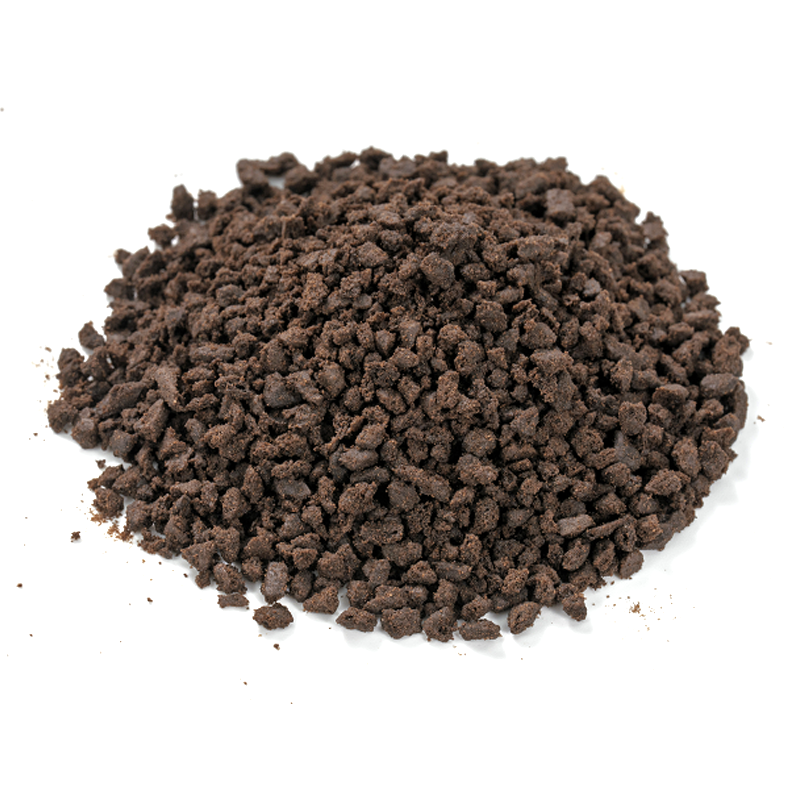
What Is Cocoa Biscuit Powder and How Is It Used in the Industry?
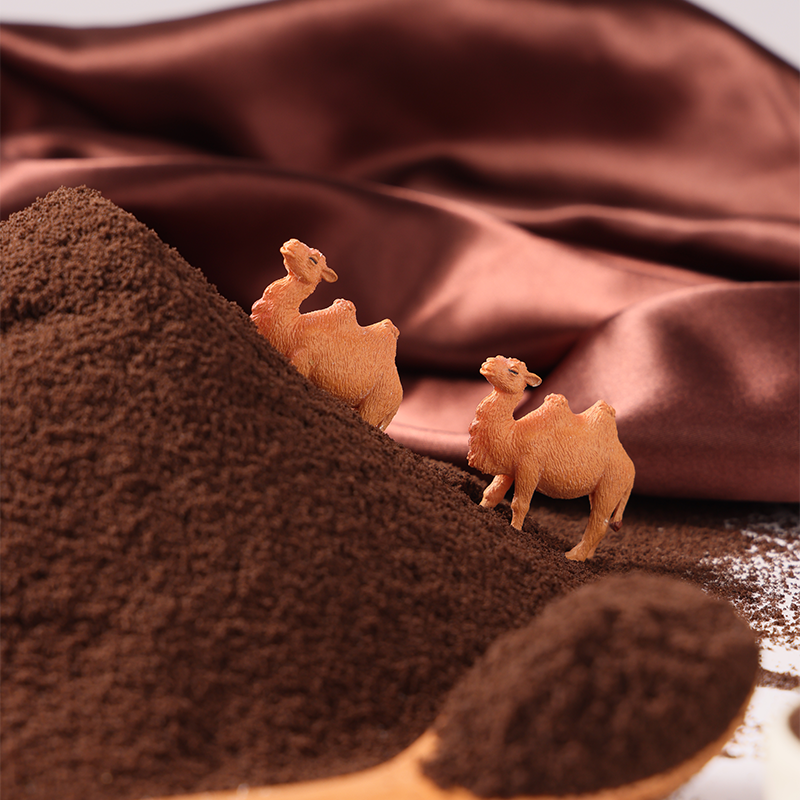
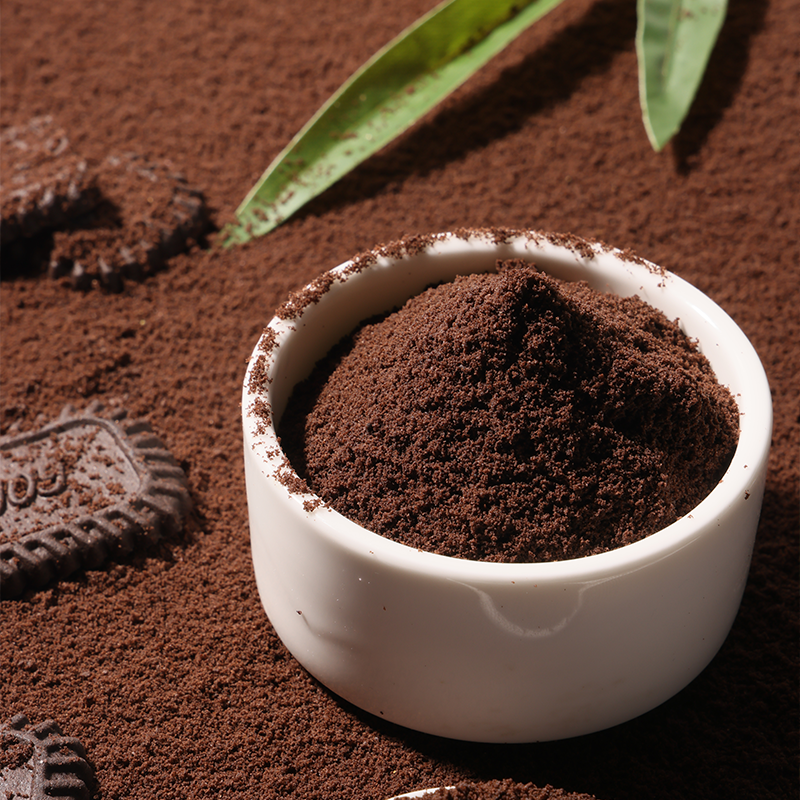
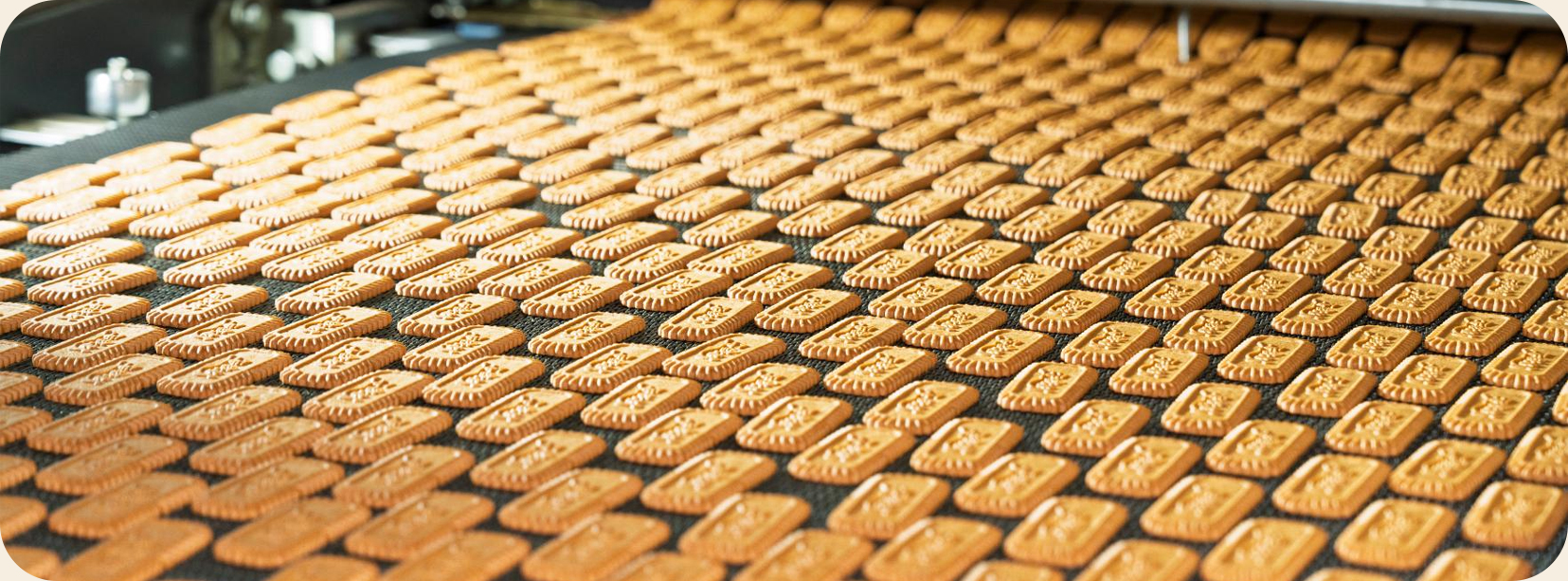
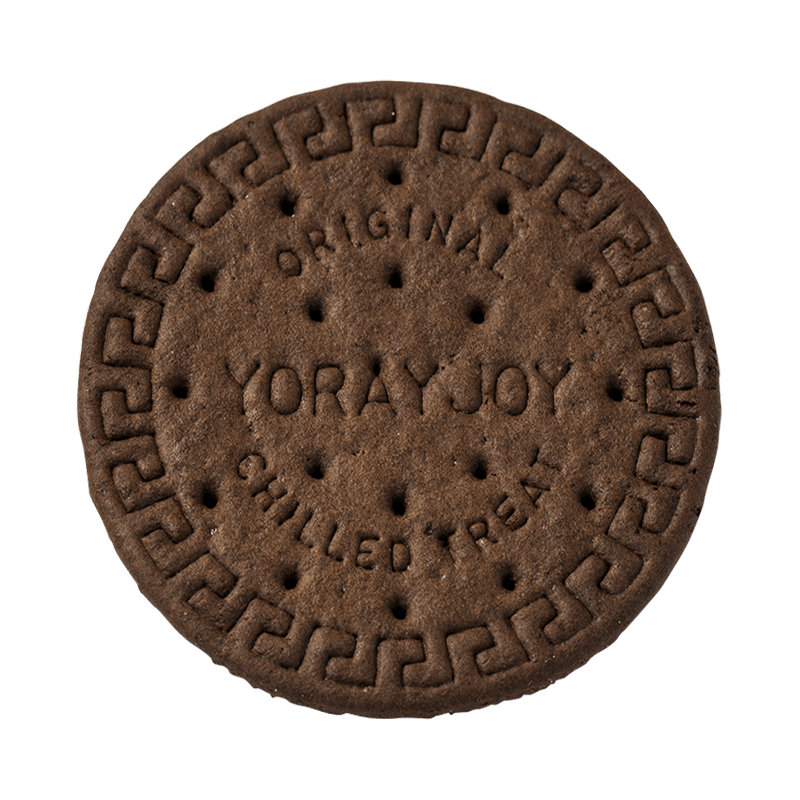
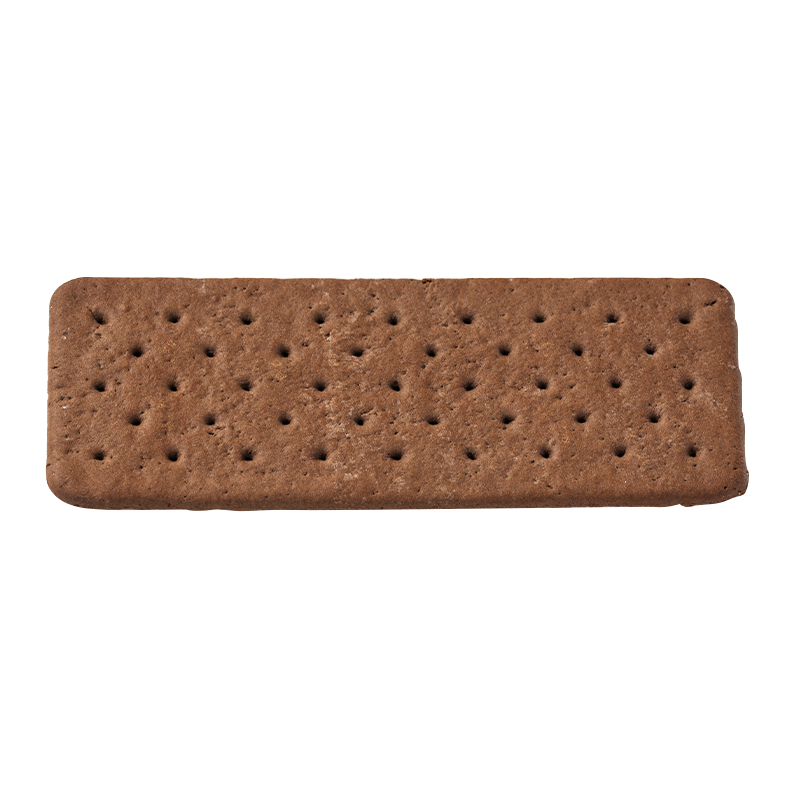
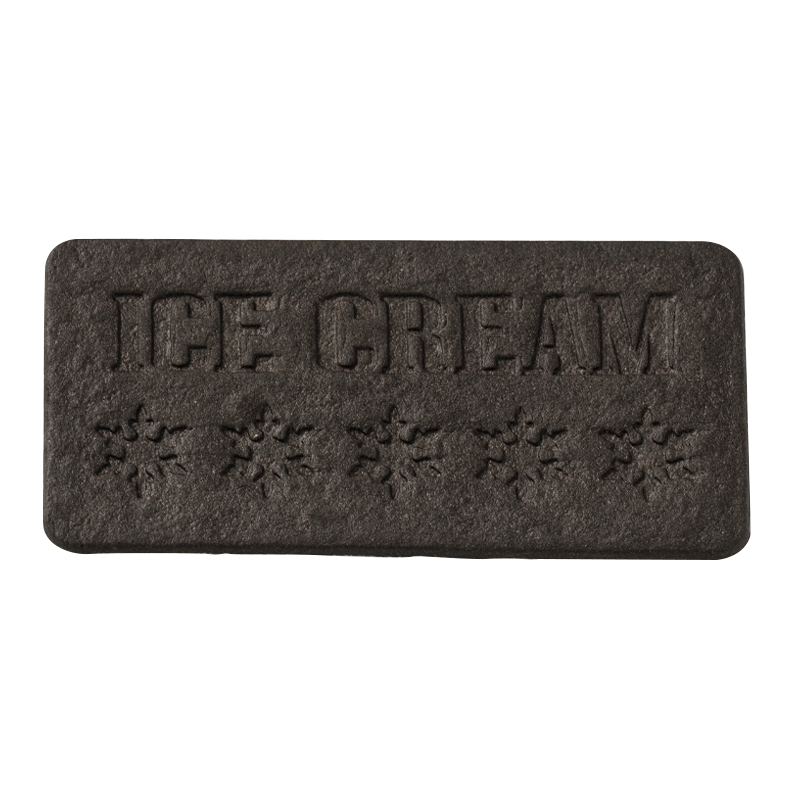
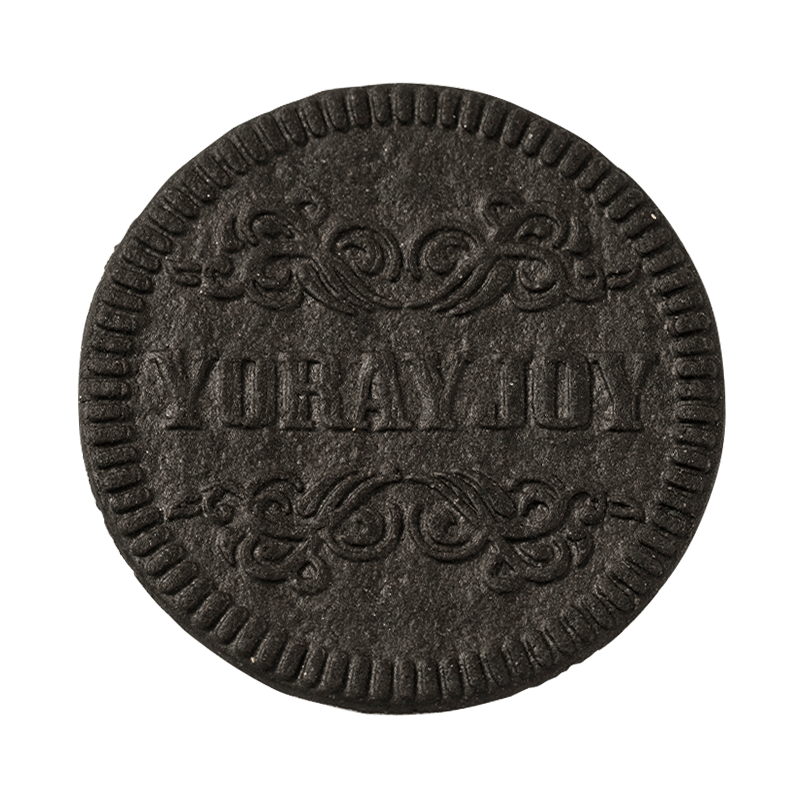
Cocoa biscuit powder is a composite food ingredient made by grinding cocoa-flavored biscuits into fine powder form, typically used as a base material or topping in desserts, beverages, and baked goods. It combines the rich flavor of cocoa with the structural characteristics of biscuit crumbs, making it a versatile ingredient across multiple food categories.
In industrial applications, cocoa biscuit powder functions as:
- A crust or base layer for cheesecakes, mousse cakes, and tart shells
- A topping or mix-in for ice cream, yogurt, and milk tea products
- A coating material for confectionery and chocolate snacks
- A flavor and texture enhancer in baking premixes and dessert kits
Leading food manufacturers in dairy, frozen desserts, and ready-to-drink beverages rely on standardized cocoa biscuit powder to maintain consistent product taste and appearance across high-volume production lines.
Key Production Parameters That Define Product Quality
The quality of cocoa biscuit powder is determined by several measurable production parameters. Understanding these helps buyers and food technologists assess suitability for their specific applications.
Particle Size and Uniformity
Particle size directly affects texture, mouthfeel, and dispersion in liquid-based products. Most industrial-grade cocoa biscuit powders target a particle size range of 0.3–2 mm, depending on intended use. Finer powders (under 0.5 mm) integrate smoothly into beverages, while coarser granules (1–2 mm) provide better textural contrast in layered desserts.
Moisture Content
Moisture content should be controlled below 5% to prevent clumping, microbial growth, and premature softening. Products exceeding this threshold have a shortened shelf life and may degrade flavor compounds, particularly the volatile aromatic esters responsible for cocoa's characteristic scent.
Fat Content and Source
Fat content in cocoa biscuit powder typically ranges from 15% to 25%, sourced from butter, vegetable oils, or a blend. Products using butter-based fat deliver richer flavor, while palm oil alternatives offer greater stability at higher temperatures—a consideration for tropical markets or warm-storage environments.
Cocoa Solid Percentage
The proportion of cocoa solids directly impacts flavor intensity and color depth. Premium formulations contain 8–12% cocoa solids, providing a pronounced chocolate flavor. Products with less than 5% cocoa solids often rely on artificial flavoring, which may be detectable in clean-label product evaluations.
How to Choose High-Quality Cocoa Biscuit Powder
The most reliable way to evaluate cocoa biscuit powder is to assess it across four dimensions: ingredient transparency, sensory performance, functional stability, and supplier qualification. Here is a structured approach for procurement teams and product developers:
| Evaluation Dimension | Key Indicators | Recommended Standard |
|---|---|---|
| Ingredient Transparency | Full ingredient list, allergen declaration | No undisclosed additives; real cocoa listed |
| Sensory Performance | Aroma, color uniformity, crunch retention | Deep brown color; no off-notes; consistent granule size |
| Functional Stability | Moisture resistance, shelf life, heat tolerance | ≥12-month shelf life; moisture <5% |
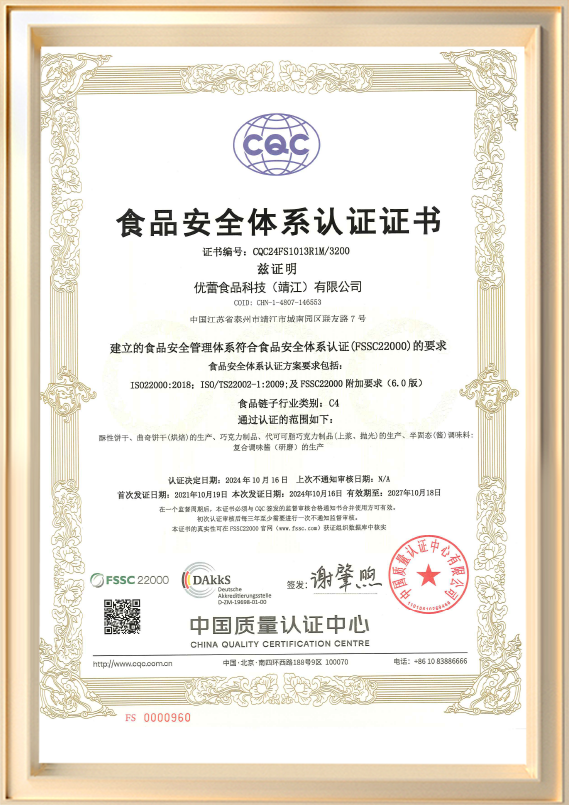
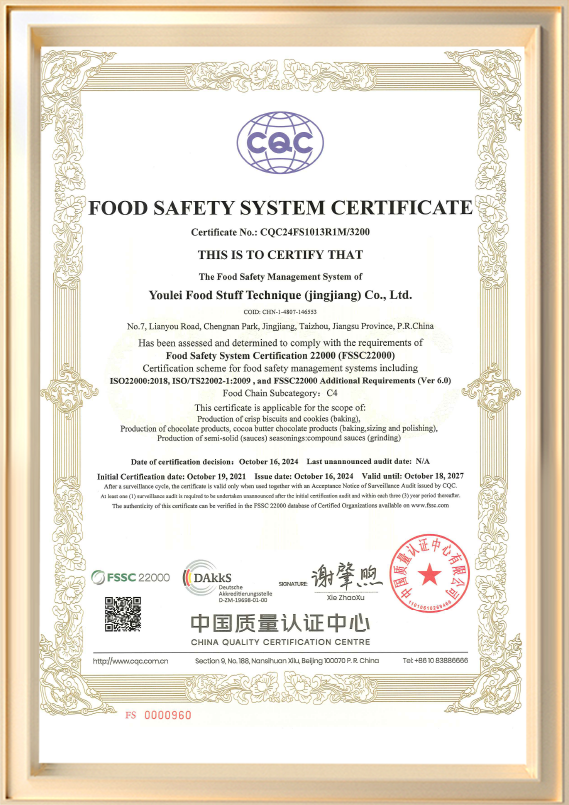
| Supplier Qualification | Certifications, audit history, R&D capability | ISO 22000, HACCP; traceable supply chain |
Prioritize Application Fit Over Price
A lower-cost powder with inconsistent granule size may cause production line issues in automated filling equipment. Always request a technical data sheet (TDS) and conduct a trial production run before committing to large-volume orders. For milk tea brands, a powder that disperses evenly in cold liquids is critical—this requires a dedicated dispersibility test, not just label review.
Verify Cocoa Origin and Processing Method
Cocoa sourced from West Africa (Ghana, Ivory Coast) tends to have stronger flavor profiles compared to Southeast Asian varieties. Dutch-processed cocoa yields a darker color and milder taste, while natural cocoa retains more acidity. Knowing the cocoa processing method helps predict how the powder will behave in alkaline or acidic recipe environments.
Industry Applications Across Food Categories
Cocoa biscuit powder has expanded beyond traditional bakery use. Below are its primary application sectors with specific functional roles:
Dairy and Frozen Desserts
In ice cream production, cocoa biscuit powder is used as a ripple layer or inclusion, typically added at 3–8% by weight. The powder must maintain its granular structure even after freeze-thaw cycles, requiring low moisture content and adequate fat encapsulation. Major frozen dessert brands often require a specific hardness index to prevent the powder from becoming soggy upon freezing.
New Tea and Beverage Brands
The booming milk tea segment has driven significant demand for biscuit-base powders that deliver visual layering effects and flavor complexity. Operators use cocoa biscuit powder as a bottom layer in transparent cups, creating contrast with milk foam or cheese cream toppings. Dispersibility in cold milk (4–10°C) within 30 seconds is a standard requirement in this segment.
Baked Goods and Dessert Manufacturing
Pastry manufacturers use cocoa biscuit powder as a no-bake crust base, eliminating the need for a separate baking step. A standard formulation for cheesecake bases combines cocoa biscuit powder with melted butter at a ratio of approximately 3:1 by weight, pressed into molds and refrigerated. This reduces production time by up to 40% compared to preparing fresh pastry crusts.
Confectionery and Chocolate Coatings
In confectionery, finely milled cocoa biscuit powder (under 0.5 mm) is used as an outer coating for truffles and bonbons, providing a matte finish and subtle texture contrast to smooth chocolate shells. It is also combined with cocoa butter to create praline-style fillings with a biscuit crunch element.
Frequently Asked Questions About Cocoa Biscuit Powder
What is the typical shelf life of cocoa biscuit powder?
Well-packaged cocoa biscuit powder typically has a shelf life of 12 to 18 months under standard storage conditions (below 25°C, relative humidity below 65%). Nitrogen-flushed packaging with an inner foil barrier can extend this to 24 months. Always check the manufacturer's certificate of analysis (COA) for the confirmed expiry period.
Can cocoa biscuit powder be used in sugar-free or low-calorie formulations?
Yes, but it requires a reformulated base. Standard cocoa biscuit powder contains sucrose as a primary sweetener. Sugar-free variants replace sucrose with erythritol or maltitol, though these substitutions may affect texture and browning behavior. Caloric reduction of 20–30% is achievable by using polyol-based sweeteners, but viscosity and mouthfeel must be retested in the final application.
How should cocoa biscuit powder be stored after opening?
After opening, the powder should be transferred to an airtight container and stored away from heat, moisture, and direct sunlight. In high-humidity environments (above 70% RH), silica gel desiccant packs should be placed inside the storage container. Opened packages should be used within 30 days to maintain optimal flavor and texture performance.
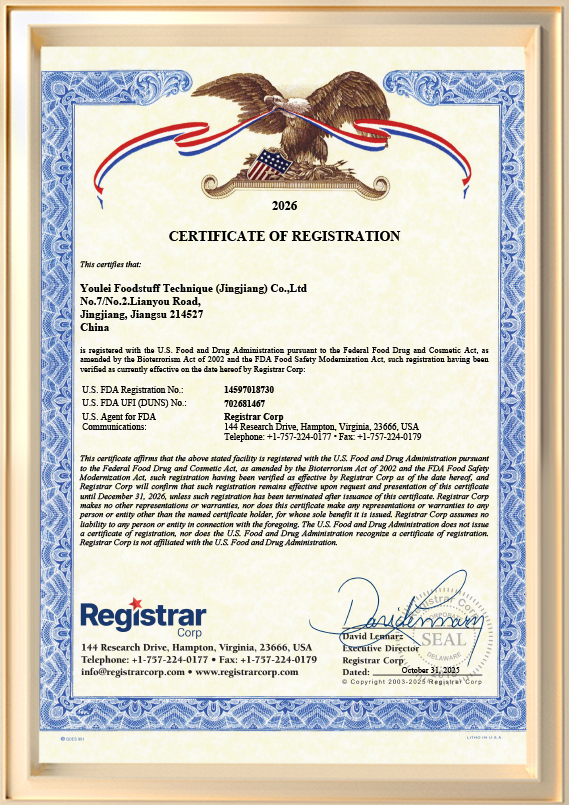
What certifications should a reputable cocoa biscuit powder supplier hold?
At minimum, suppliers should hold:
- ISO 22000 – Food safety management systems
- HACCP – Hazard analysis and critical control points
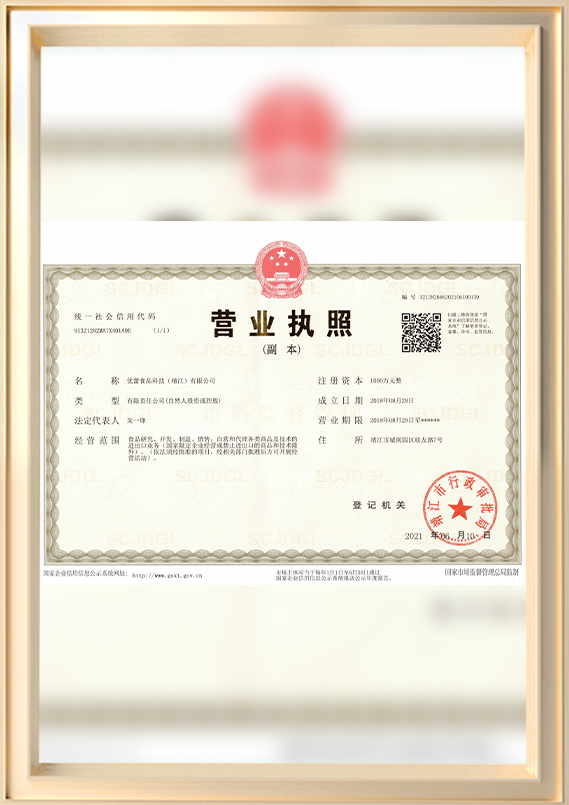
- SC Food Production License (for China-based manufacturers)
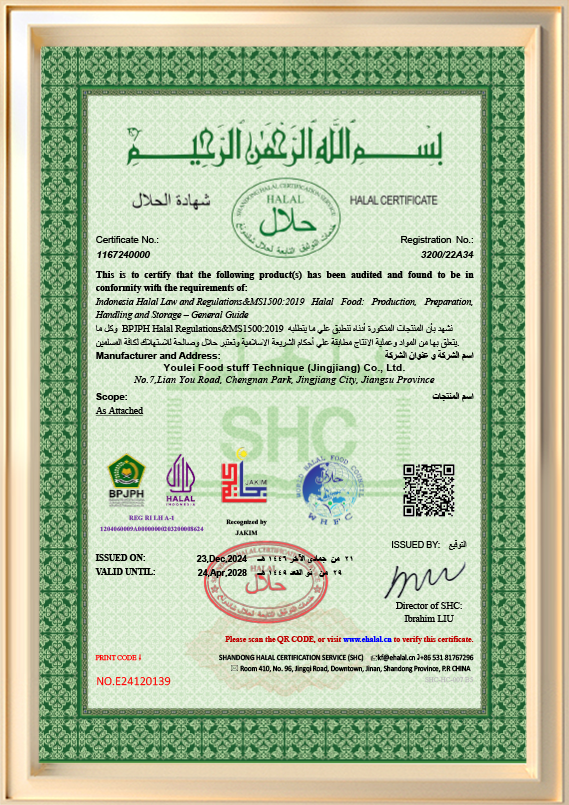
- Halal or Kosher certification – If targeting relevant export markets
Suppliers with established cooperation records with enterprise clients across dairy, frozen foods, and beverage sectors typically demonstrate a higher baseline of process control and consistency.
Is there a difference between cocoa biscuit powder and Oreo crumbs?
Yes. While both are cocoa-flavored biscuit-based powders, Oreo crumbs are a brand-specific product with proprietary formulation, whereas cocoa biscuit powder is a category of ingredient available from multiple manufacturers. Industrial-grade cocoa biscuit powder from dedicated ingredient suppliers typically offers greater formulation flexibility, consistent granule size control, and custom cocoa intensity levels that branded crumbs cannot provide.
Emerging Trends Shaping the Cocoa Biscuit Powder Market
The cocoa biscuit powder segment is evolving in response to broader shifts in consumer preferences and food manufacturing innovation.
Clean-Label Reformulation
Consumer demand for shorter ingredient lists is driving reformulations that eliminate artificial emulsifiers and synthetic flavors. Clean-label cocoa biscuit powder formulations use sunflower lecithin instead of DATEM or SSL, and rely on high-quality cocoa mass rather than cocoa flavoring compounds to achieve depth of taste.
Functional Ingredient Integration
Some manufacturers are beginning to incorporate functional ingredients such as inulin (prebiotic fiber), plant protein isolates, or MCT oil into cocoa biscuit powder formulations. These additions allow finished products to carry nutritional claims like "high fiber" or "added protein," which are increasingly important in health-oriented food categories.
Custom Granularity for Automated Production
As food manufacturers adopt more automated production lines, the demand for precisely controlled particle sizes has grown. Custom granulation services—where suppliers mill cocoa biscuit powder to exact size specifications—are becoming a competitive differentiator among ingredient manufacturers, particularly for clients running high-speed filling lines that require consistent flow characteristics.