English
 中文简体
中文简体

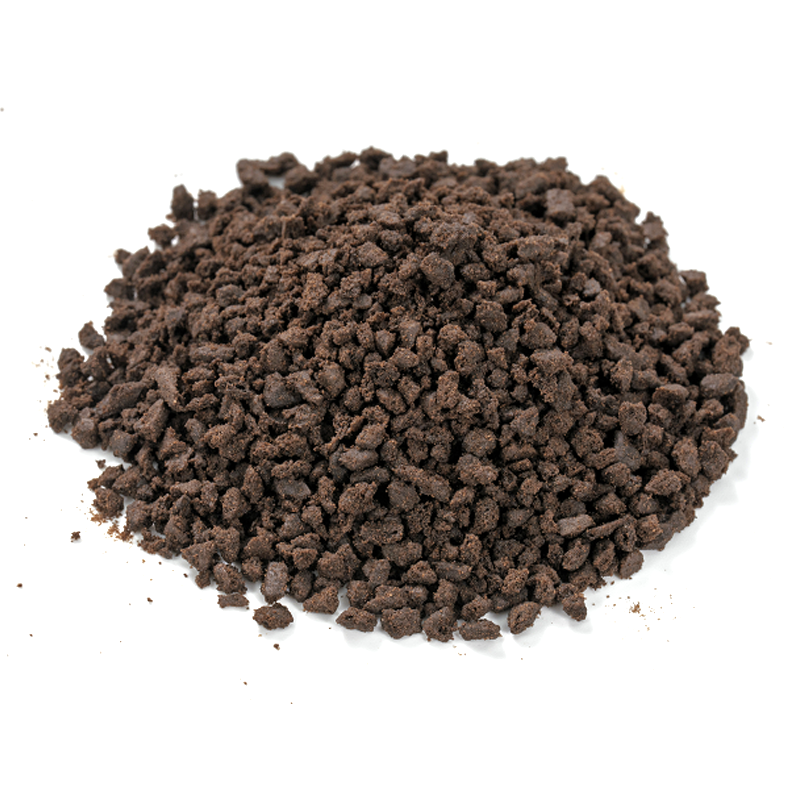



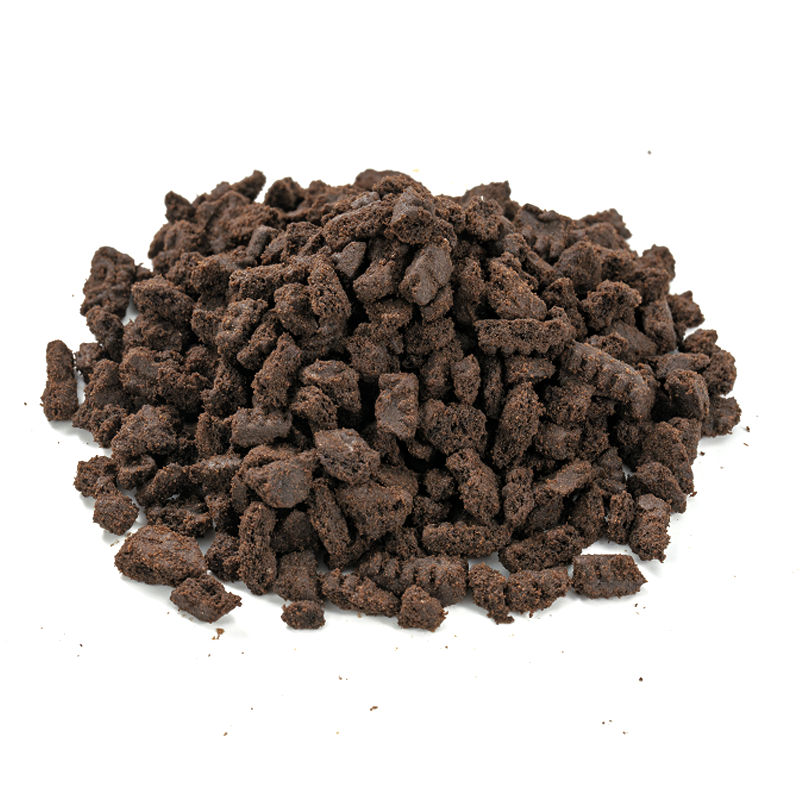
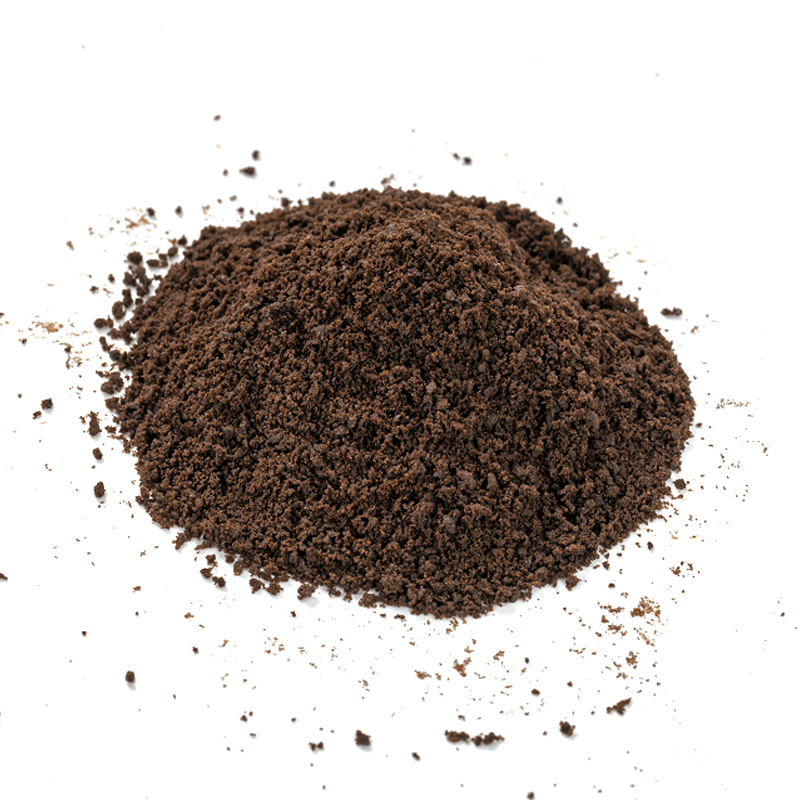
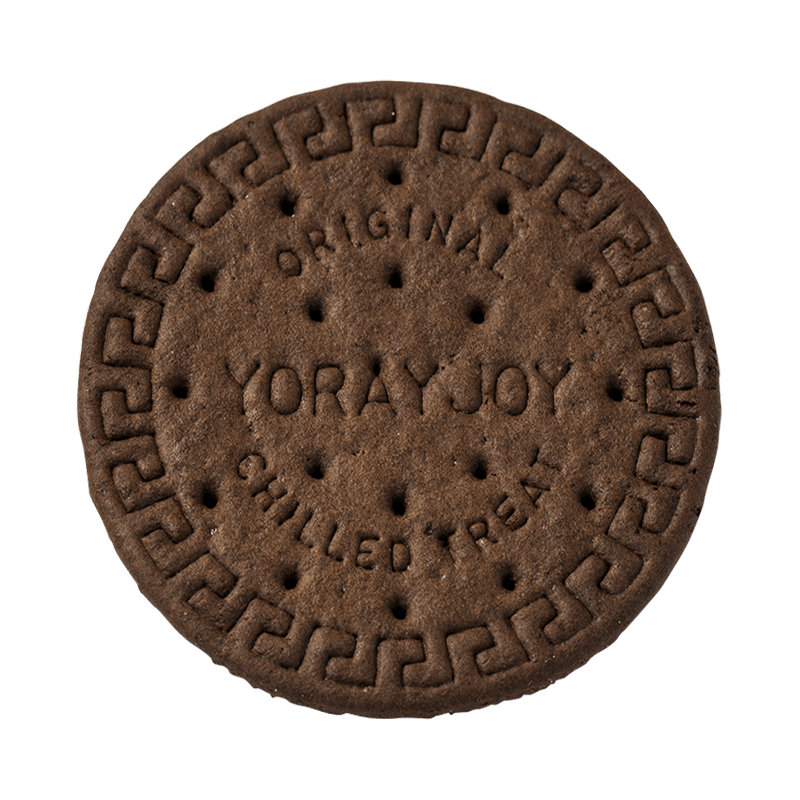
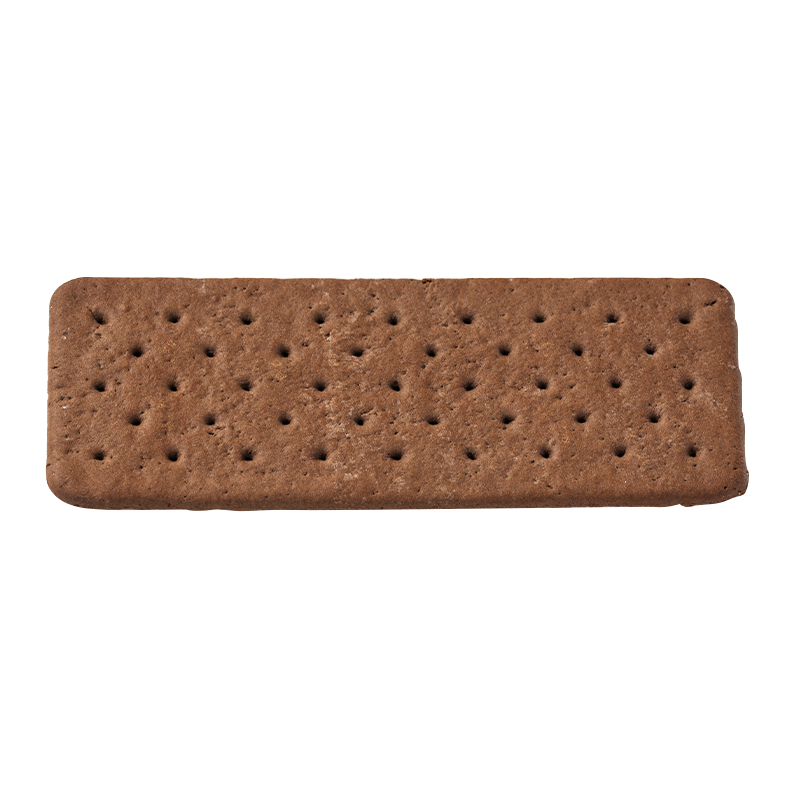
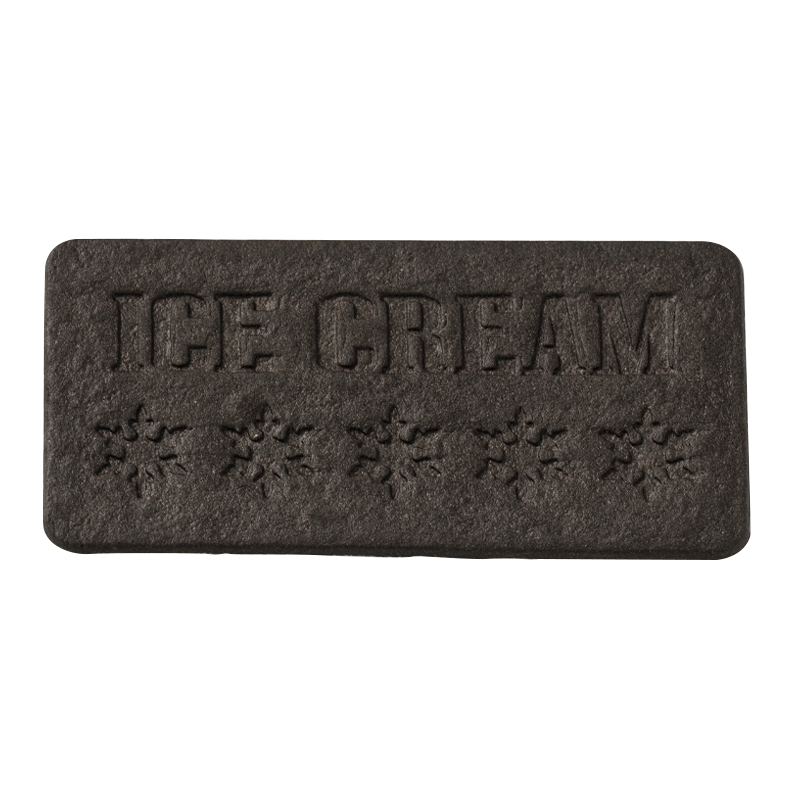
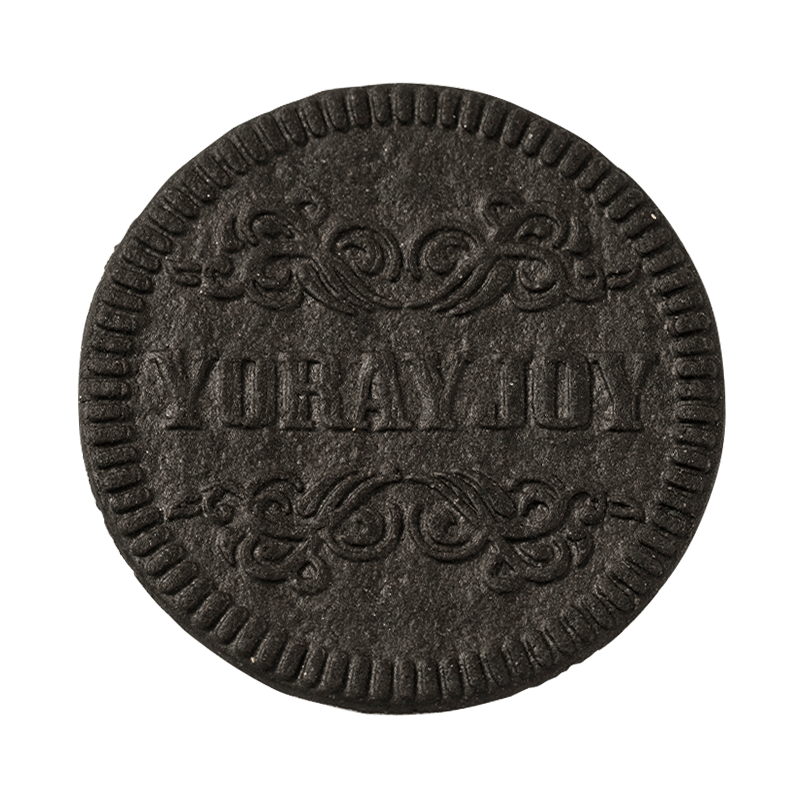
Why do small cocoa biscuit crumbles turn hard?
Hardness in small cocoa biscuit crumbles is almost always caused by excess moisture loss, overbaking, or improper sugar crystallization during production or storage. Understanding these root causes helps both manufacturers and consumers identify the exact problem—and solve it efficiently. The sections below break down the industry science behind biscuit texture, common failure points, and professional standards used to maintain optimal crumble quality.
How Moisture Content Determines Biscuit Crumble Texture
In the biscuit industry, moisture content is the single most critical factor governing final texture. For small cocoa biscuit crumbles, the target finished moisture content typically sits between 2% and 4%. When moisture drops below 2%, the crumble structure becomes overly rigid and brittle—resulting in the hard, dry texture consumers notice.
Post-baking, crumbles continue to lose residual moisture if packaging seals are imperfect or if products are stored in low-humidity environments. A relative humidity below 40% in storage accelerates staling. Conversely, exposure to high humidity above 70% causes moisture absorption, leading to softening and clumping—the opposite extreme.
Moisture Loss Pathways in Biscuit Crumbles
- Overbaking during tunnel oven processing (most common manufacturing cause)
- Inadequate moisture-barrier packaging material (e.g., low-barrier PE film instead of aluminum laminate)
- Extended shelf life beyond stated expiry under ambient warehouse conditions
- Broken package seals during transport or retail handling
The Role of Fat, Sugar, and Cocoa in Crumble Hardness
The formulation ratio of fat, sugar, and cocoa directly governs whether a biscuit crumble stays tender or becomes hard over time. These three ingredients interact in specific ways that experienced biscuit manufacturers must balance carefully.
| Ingredient | Typical Range in Formula | Effect When Under-dosed | Effect When Over-dosed |
|---|---|---|---|
| Shortening / Butter | 18%–28% | Hard, dense texture | Greasy, poor structure |
| Sugar (sucrose) | 20%–35% | Less crispness, bland flavor | Excessive brittleness, sugar bloom |
| Cocoa Powder | 5%–15% | Weak cocoa flavor, pale color | Dry, astringent, crumbly hardness |
| Wheat Flour | 40%–55% | Fragile structure | Tough, chewy texture |
High cocoa powder content is particularly relevant to hardness. Natural cocoa powder (pH 5.0–6.0) is highly hygroscopic but also accelerates gluten network tightening during baking, which can stiffen the crumb. Dutch-processed cocoa (pH 7.0–8.0) is less acidic and often yields a slightly softer bite at equivalent dosage—an important formulation choice for biscuit base material manufacturers.
Baking Process Parameters That Cause Hardness
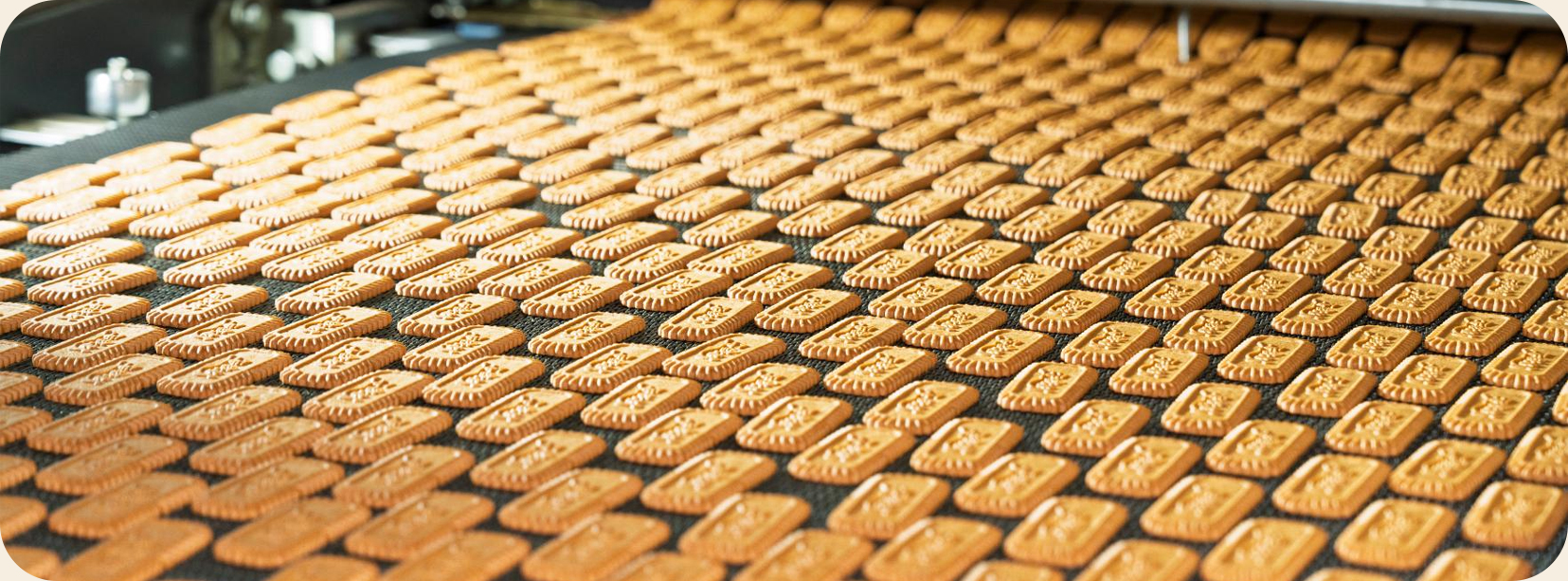
Manufacturing-side hardness is almost always traceable to one or more of the following oven and process variables. Industrial tunnel ovens used for biscuit crumble production operate across multiple temperature zones, and deviations in even one zone can alter final texture significantly.
Critical Baking Parameters and Acceptable Ranges
- Baking temperature: Optimal range for cocoa biscuit crumbles is typically 170°C–200°C. Temperatures exceeding 210°C cause rapid surface hardening and excessive moisture loss.
- Bake time: Standard bake cycles run 8–14 minutes. Even 2 minutes of excess time at 185°C can reduce moisture by an additional 1.5%–2%, pushing products below the acceptable texture threshold.
- Cooling speed: Rapid cooling in ambient air (vs. controlled tunnel cooling) causes thermal stress in the crumble structure, increasing fracture hardness on the palate.
- Dough thickness uniformity: Uneven sheeting leads to thin areas overbaking while thick areas underbake. Thin sections become hard chips within the crumble batch.
Storage and Packaging: Post-Production Hardness Risks
Even perfectly baked crumbles can harden significantly during storage. This is a well-documented industry challenge, especially for biscuit base materials used in downstream food production—such as dessert toppings, ice cream inclusions, and pastry components—where storage durations are longer than retail channels.
Industry-Standard Storage Recommendations
- Store at temperatures between 15°C and 22°C to slow starch retrogradation, a process that directly increases crumble rigidity.
- Maintain relative humidity between 45% and 60% in storage environments.
- Use multi-layer laminate packaging (PET/AL/PE) rather than single-layer film to extend texture stability—this can extend acceptable texture shelf life from 3 months to 9–12 months.
- Avoid repeated temperature fluctuations, as thermal cycling promotes moisture redistribution and localized hardening.
For industrial buyers sourcing small cocoa biscuit crumbles as ingredient inputs, verifying the manufacturer's packaging specification is a critical quality checkpoint before purchase commitment.
Frequently Asked Questions About Small Cocoa Biscuit Crumble Hardness
Is a harder crumble always a sign of lower quality?
Not necessarily. Some applications—such as cheesecake bases or layered dessert components—require a firmer crumble to prevent premature softening when in contact with cream or moisture-rich fillings. However, for topping or mixing applications, a texture that crumbles to a hardness rating above 800 gf (gram-force) on a texture analyzer is generally considered outside the acceptable range for consumer-facing products.
Can a hard biscuit crumble be softened before use?
Yes, in some food service contexts. Briefly exposing crumbles to moderate humidity (e.g., placing them in a sealed container with a food-safe humidity pack at 65% RH for 12–24 hours) can partially restore texture. However, this is not a replacement for proper manufacturing and storage—it is a temporary remedy and does not fully reverse starch retrogradation.
How do manufacturers test for crumble hardness during QC?
Professional manufacturers use texture profile analysis (TPA) with a TA.XT plus texture analyzer. Key metrics measured include hardness (peak force in gf), fracturability, and cohesiveness. Inline moisture meters using near-infrared (NIR) technology also allow real-time monitoring during production to catch overbaking before it reaches packaging.
Does higher cocoa percentage always make crumbles harder?
Higher cocoa percentage increases the risk of hardness primarily because cocoa solids absorb free fat in the dough and reduce the plasticizing effect that keeps crumbles tender. Above 12% cocoa powder by weight, formulas typically require compensatory adjustments—either increasing shortening content by 2–4% or incorporating emulsifiers such as lecithin at 0.3%–0.5%—to maintain acceptable texture.
Industry Standards and Quality Benchmarks for Biscuit Base Materials
Leading manufacturers of biscuit base materials—particularly those supplying dairy brands, chocolate companies, and frozen food producers—adhere to stringent internal quality benchmarks that go beyond basic food safety compliance. These typically include:
- Finished moisture specification: 2.5% ± 0.5% (verified by Karl Fischer titration or loss-on-drying method)
- Water activity (aw): ≤ 0.40 to prevent microbial growth without causing excessive hardness
- Particle size distribution: For crumbles, 80% of particles typically fall between 2mm and 8mm, with standardized sieves used for batch QC
- Color consistency: L* value measured by colorimeter, typically 25–40 for dark cocoa crumbles, ensuring batch-to-batch visual uniformity
- Fat bloom resistance testing: Accelerated shelf life testing at 25°C/60% RH for 12 weeks to simulate distribution conditions
Suppliers who maintain these parameters consistently are able to serve demanding B2B customers across dairy, confectionery, and beverage sectors—where biscuit crumbles function as a branded ingredient within premium finished products, not merely a commodity component.