English
 中文简体
中文简体

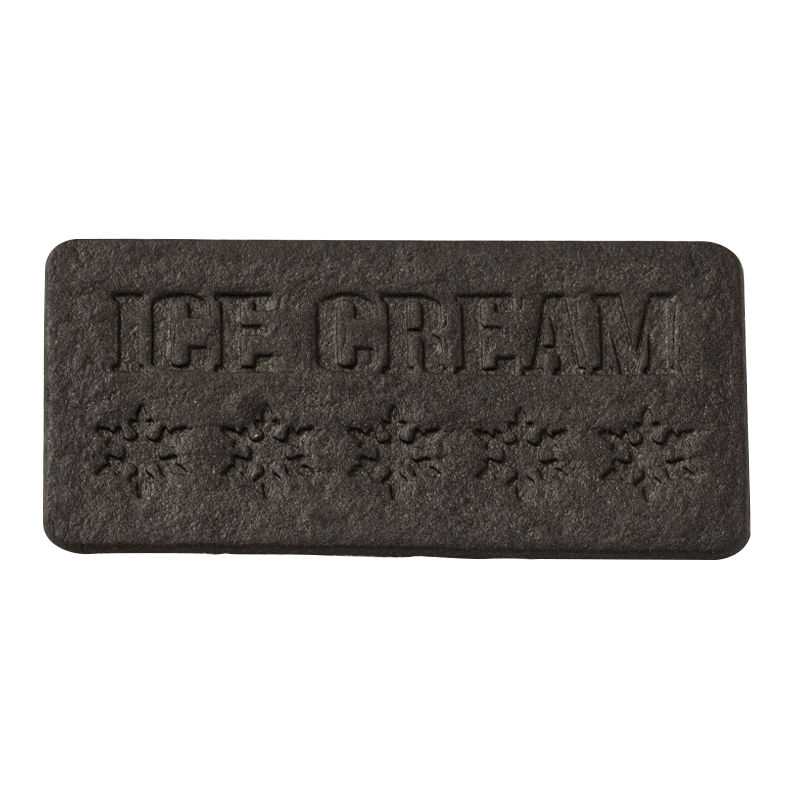
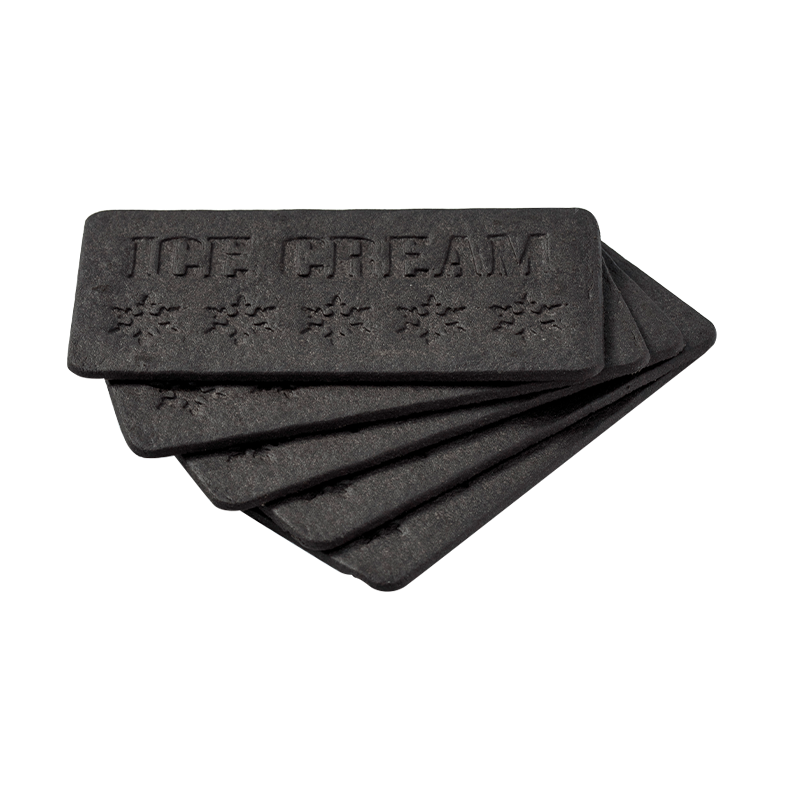
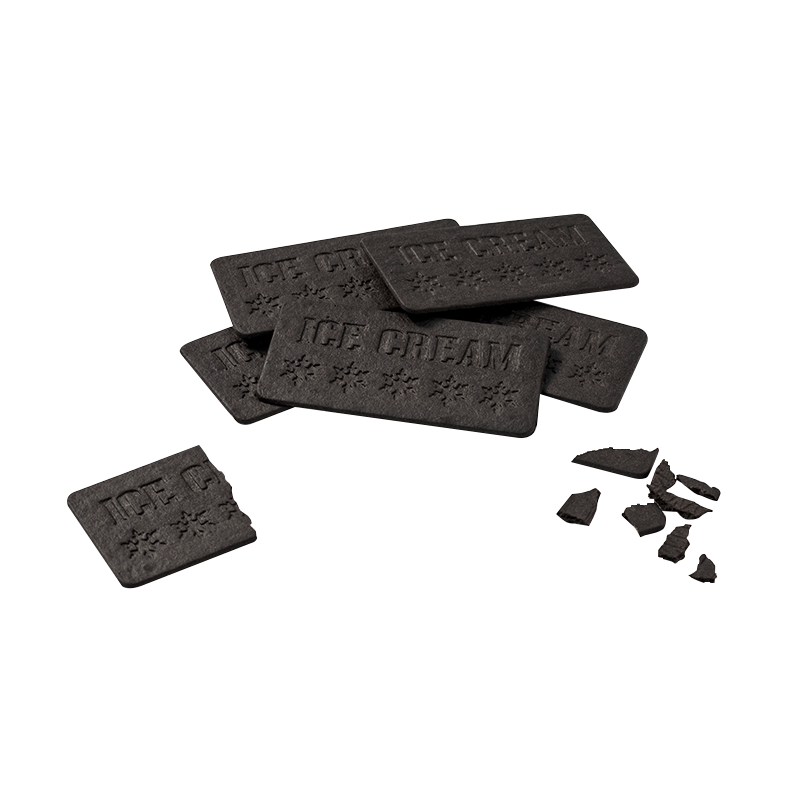



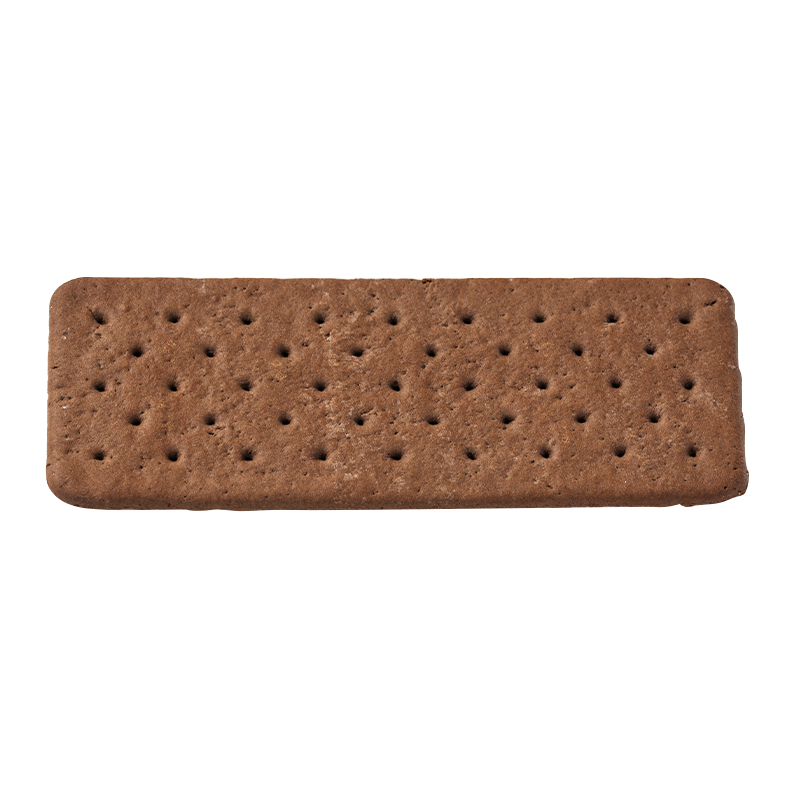

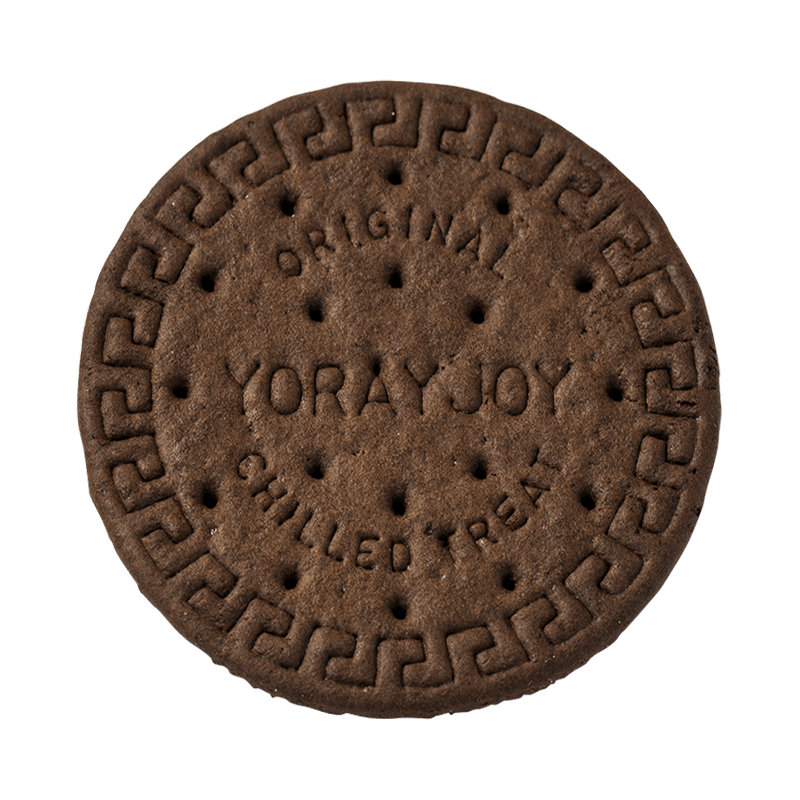

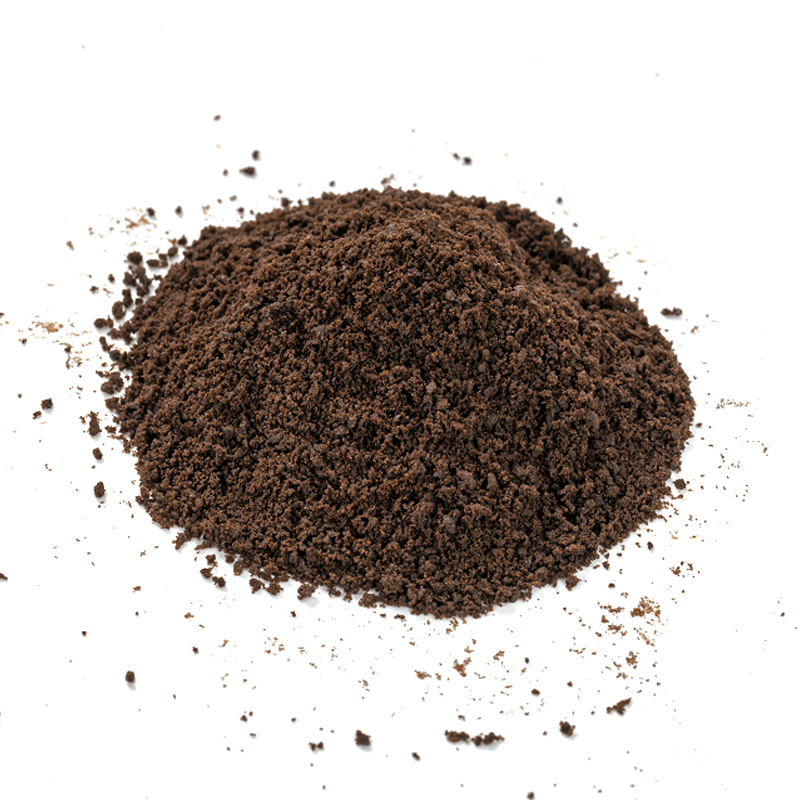
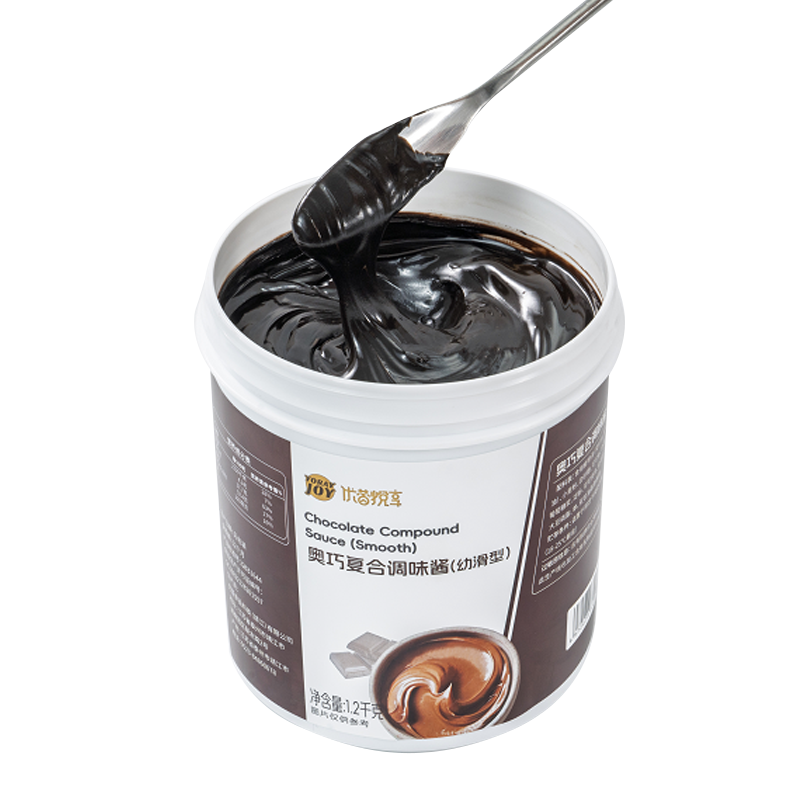
Proper Storage of Rectangular Cocoa Crispy Biscuits to Prevent Moisture Damage
The most effective way to prevent moisture damage is to store rectangular cocoa crispy biscuits in an airtight container at temperatures between 15°C and 25°C (59°F–77°F), with relative humidity kept below 50%. Once exposed to humidity above 65% RH, cocoa crispy biscuits typically begin to lose their signature crunch within 24 to 48 hours, making storage environment control the single most critical factor in shelf-life management.
Why Moisture Is the Primary Enemy
Rectangular cocoa crispy biscuits rely on a low water activity (Aw) level—typically between 0.2 and 0.4—to maintain their crisp texture. When ambient moisture infiltrates the packaging or storage container, water molecules bind to the starch and sugar matrix in the biscuit, causing the cellular structure to soften. The cocoa coating, while providing some barrier, is particularly susceptible to fat bloom when exposed to temperature fluctuations combined with humidity.
- An increase in water activity from 0.3 to 0.6 can reduce perceived crispness by over 60% in sensory evaluations.
- Fat bloom on the cocoa layer becomes visible at temperature swings exceeding 10°C within a short period.
- Microbial spoilage risk increases significantly once Aw exceeds 0.65.
Recommended Storage Conditions by Context
| Storage Context | Temperature Range | Humidity (RH) | Recommended Container |
|---|---|---|---|
| Home / Retail | 15°C – 25°C | < 50% RH | Resealable zip-lock bag or airtight tin |
| Commercial / Warehouse | 18°C – 22°C | < 45% RH | Sealed original carton with desiccant |
| Food Service / B2B | 15°C – 20°C | < 40% RH | Climate-controlled dry storage room |
Industry Knowledge: Understanding the Structure of Rectangular Cocoa Crispy Biscuits
Rectangular cocoa crispy biscuits are engineered layered products, not simply flavored crackers. Their performance—both as standalone snacks and as biscuit base materials in confectionery applications—is deeply tied to their structural composition. A typical formulation consists of three functional layers: a low-moisture crisp wafer or biscuit base, an intermediate binding or flavoring layer, and a cocoa-based outer coating or enrobing.
Key Raw Material Considerations
The selection of raw materials directly influences the biscuit's crispness retention, flavor intensity, and suitability as a base layer in downstream products such as ice cream, mousse cakes, or chocolate bars.
- Flour type: Low-protein wheat flour (7%–9% protein content) is preferred to achieve a tender, non-chewy crisp structure.
- Fat selection: Partially or fully hydrogenated fats with a high solid fat content at room temperature provide structural rigidity and extend shelf life.
- Cocoa powder quality: Alkalized (Dutch-process) cocoa at 10%–12% fat content delivers deeper color and milder bitterness compared to natural cocoa.
- Leavening agents: Ammonium bicarbonate is commonly used over baking soda in crispy biscuits because it decomposes fully during baking without leaving a residual alkaline taste.
The Role of Baking Parameters
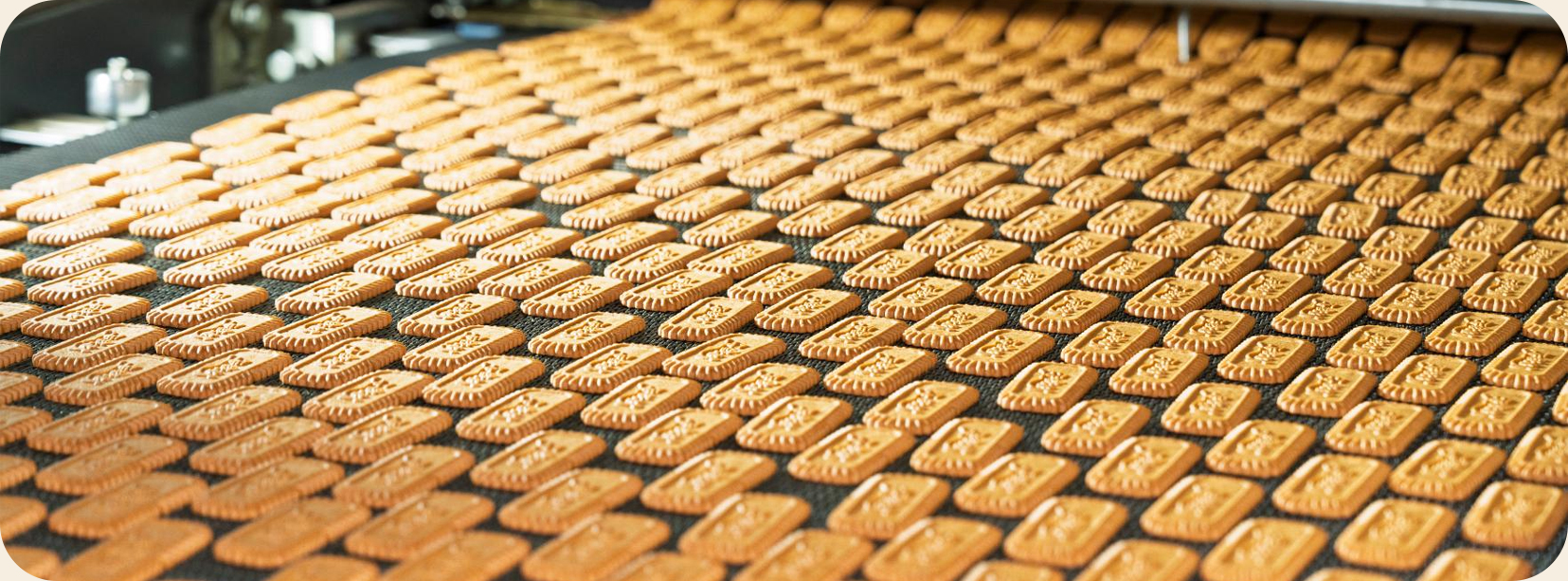
Achieving the right level of crispness requires precise control of oven temperature and baking time. Industry-standard tunnel ovens typically operate at 180°C–210°C for 8–12 minutes, depending on biscuit thickness. Underbaking leaves residual moisture in the crumb structure, while overbaking causes excessive browning and bitterness in the cocoa component. Post-bake moisture content should be reduced to below 3% for optimal crispness and shelf stability.
Frequently Asked Questions About Rectangular Cocoa Crispy Biscuits
How long is the typical shelf life?
Under proper storage conditions, rectangular cocoa crispy biscuits typically have a shelf life of 9 to 12 months. Products with individually sealed inner packaging and nitrogen-flushed outer bags can extend this to 15 months. Once opened, the product should be consumed within 7–14 days to preserve texture quality, depending on ambient humidity.
Why does the cocoa coating sometimes turn gray or white?
The grayish-white appearance is known as fat bloom or sugar bloom, and it is one of the most common quality complaints in cocoa-coated biscuits. Fat bloom occurs when cocoa butter migrates to the surface and recrystallizes, often triggered by temperature fluctuations (e.g., storing biscuits near a heat source or moving them in and out of refrigeration). Sugar bloom results from surface moisture dissolving and then recrystallizing sugar. Neither type affects food safety, but both negatively impact consumer perception and texture.
Prevention strategies include:
- Maintaining consistent storage temperatures without cycling above and below 20°C.
- Avoid refrigeration unless the ambient environment exceeds 30°C.
- Using tempering-stable cocoa butter alternatives (CBEs or CBRs) in the coating formulation.
Can rectangular cocoa crispy biscuits be used as a base material in other food products?
Yes. Rectangular cocoa crispy biscuits are widely used as biscuit base materials in the food manufacturing industry, including applications in ice cream sandwiches, layered dessert cakes, mousse bases, and premium chocolate confections. Their uniform rectangular shape facilitates automated assembly lines, and their structural rigidity allows them to hold up under cream, ganache, or frozen fillings without disintegrating. Key selection criteria for B2B buyers include dimensional consistency (tolerance within ±1mm), moisture resistance after enrobing, and break strength under compression.
What packaging formats are standard for bulk or commercial supply?
Commercial supply of rectangular cocoa crispy biscuits typically follows these packaging formats:
- Inner pack: 50g–200g flow-wrapped trays or pillow bags with nitrogen flushing.
- Mid-level: 1kg–5kg resealable foil bags for food service or ingredient use.
- Bulk export: 10kg–20kg corrugated cartons lined with moisture-barrier PE film, often palletized with stretch wrap and desiccant sachets.
Are there allergen or labeling considerations specific to this product category?
Rectangular cocoa crispy biscuits commonly contain or may be cross-contaminated with several major allergens: wheat (gluten), milk (from cocoa mass or coating), soy (from lecithin used as an emulsifier), and tree nuts if produced on shared lines. Compliant labeling under regulations such as the EU Food Information for Consumers Regulation (EU FIC 1169/2011) or the FDA Food Allergen Labeling and Consumer Protection Act (FALCPA) requires a clear declaration of all present allergens, including those from processing aids. Manufacturers supplying global markets are advised to maintain strict HACCP protocols and conduct regular allergen swab testing on production lines.
Quality Control Standards in Rectangular Cocoa Crispy Biscuit Manufacturing
Consistent product quality in this category depends on rigorous in-process and finished-goods inspection protocols. Leading manufacturers implement multi-point quality gates throughout production to ensure dimensional accuracy, texture performance, and microbiological safety.
Critical Quality Parameters
| Parameter | Industry Benchmark | Test Method |
|---|---|---|
| Moisture Content | ≤ 3% | Oven drying / NIR analysis |
| Water Activity (Aw) | 0.20 – 0.40 | Chilled mirror dew point meter |
| Break Strength | 800 – 1,500 g-force | Texture Analyzer (3-point bend) |
| Dimensional Tolerance | ± 1 mm (L/W), ± 0.5 mm (thickness) | Digital caliper/vision system |
| Total Plate Count | < 10,000 CFU/g | Standard plate count (SPC) |
The Importance of Biscuit Base Material Consistency for Downstream Applications
For manufacturers using rectangular cocoa crispy biscuits as a base material in composite desserts or confections, dimensional and textural consistency is not a preference—it is a production necessity. Variability in biscuit thickness greater than ±1mm can disrupt automated depositing and stacking equipment, leading to line stoppages and increased waste rates of 3%–8% per batch. Sourcing from manufacturers with validated inline vision inspection systems and documented Cpk values above 1.33 significantly reduces downstream quality risk.