English
 中文简体
中文简体

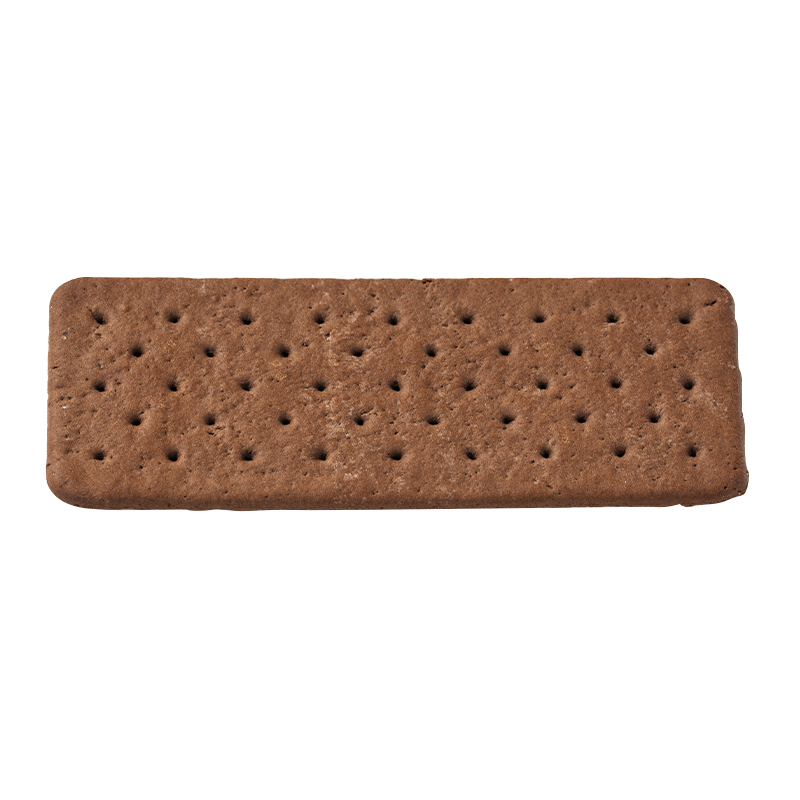
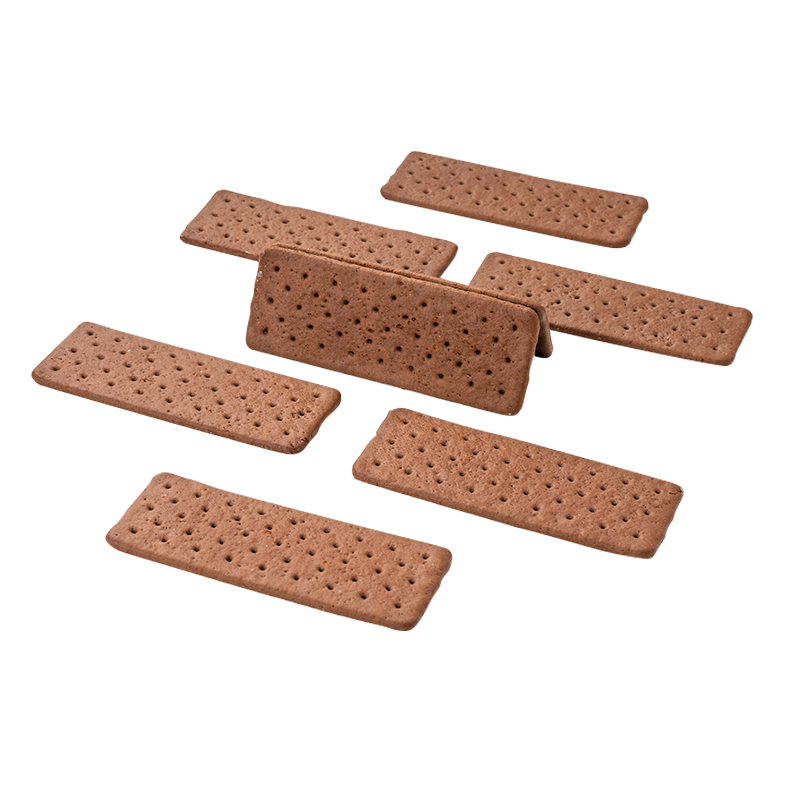
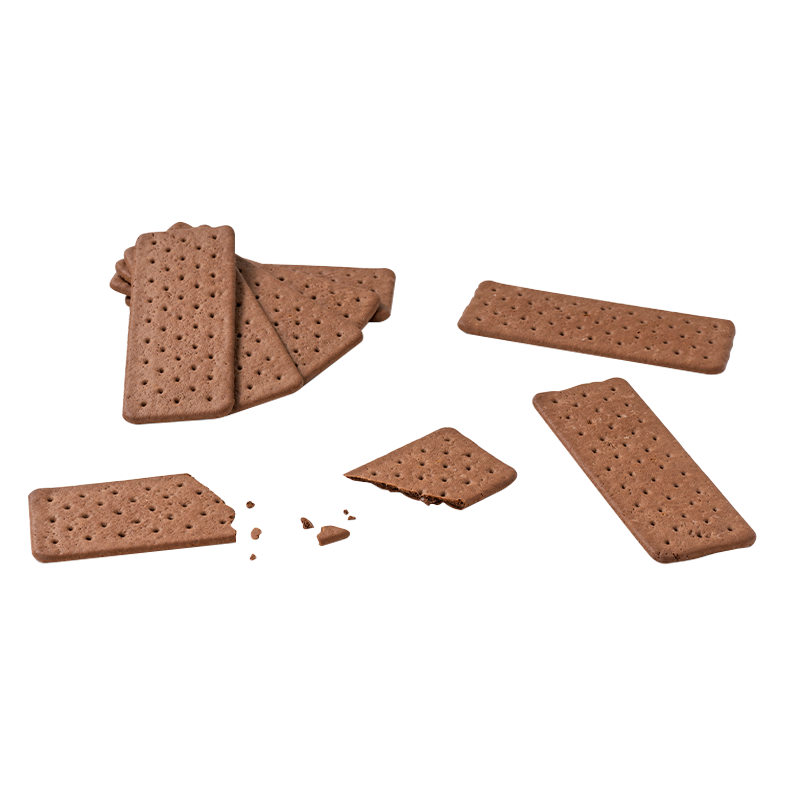


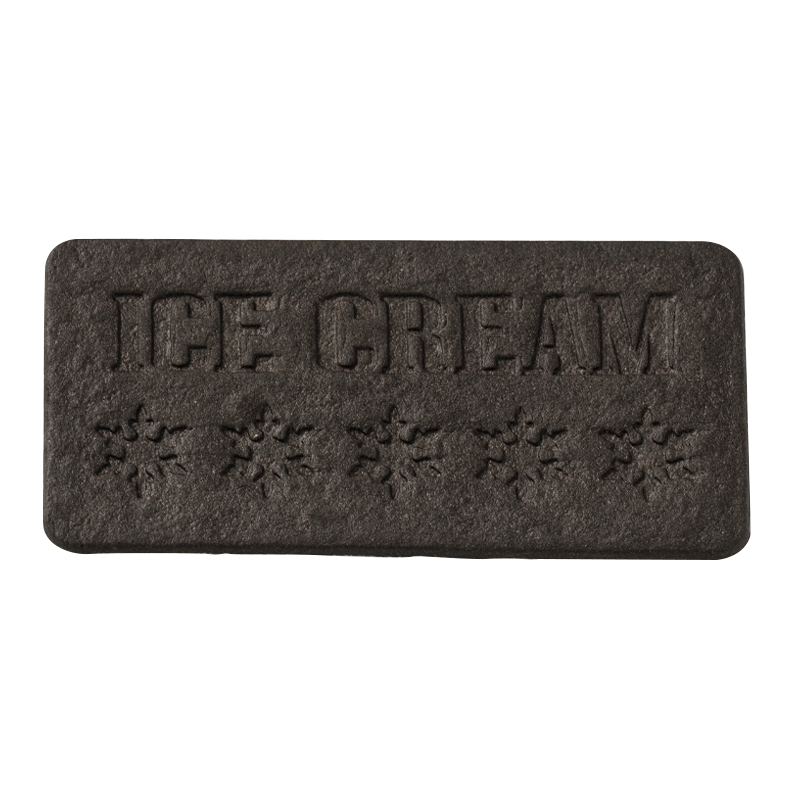
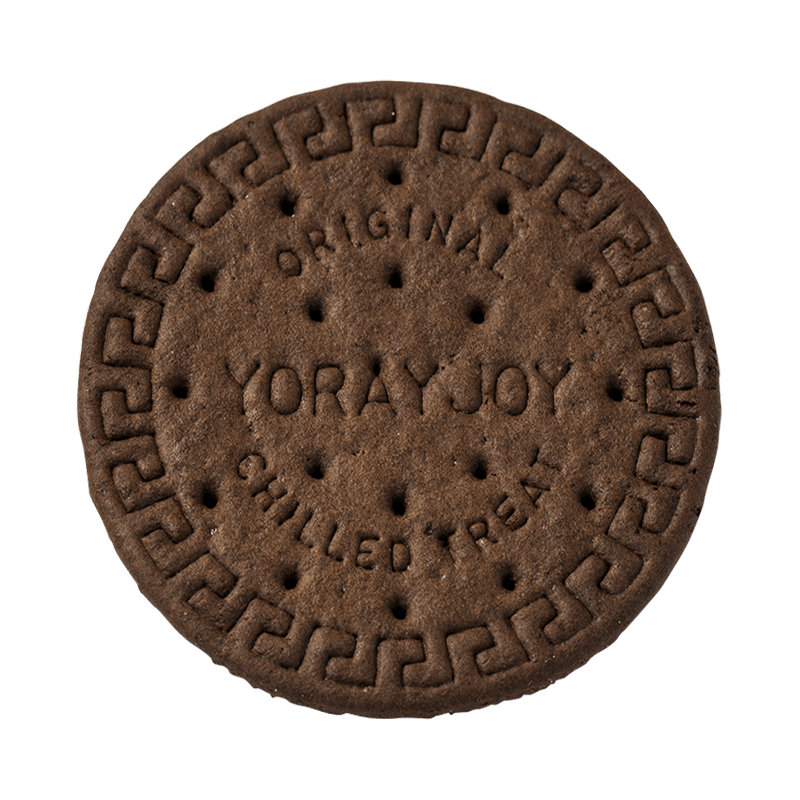
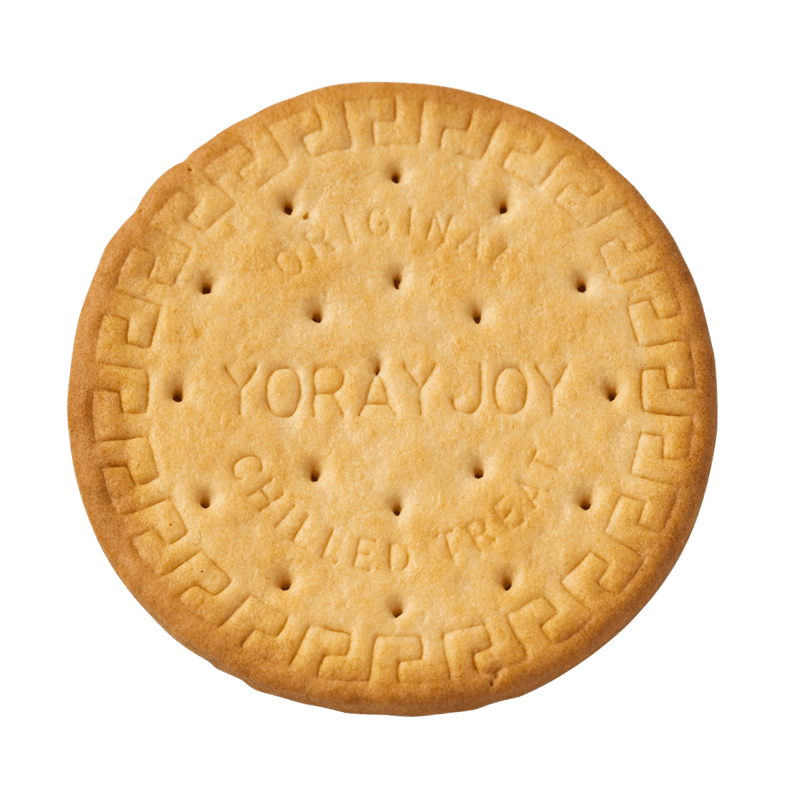
Baking Temperature and Time: The Core Parameters for Rectangular Cocoa Hard Biscuits
For Rectangular Cocoa Hard Biscuits, the recommended baking temperature range is 160–185°C (320–365°F), with a baking time of 12–18 minutes, depending on biscuit thickness, oven type, and dough formulation. Cocoa-containing doughs are more heat-sensitive than plain doughs due to the Maillard reaction accelerating at lower temperatures in the presence of cocoa's natural compounds — making precise control essential to avoid over-darkening or bitter aftertastes.
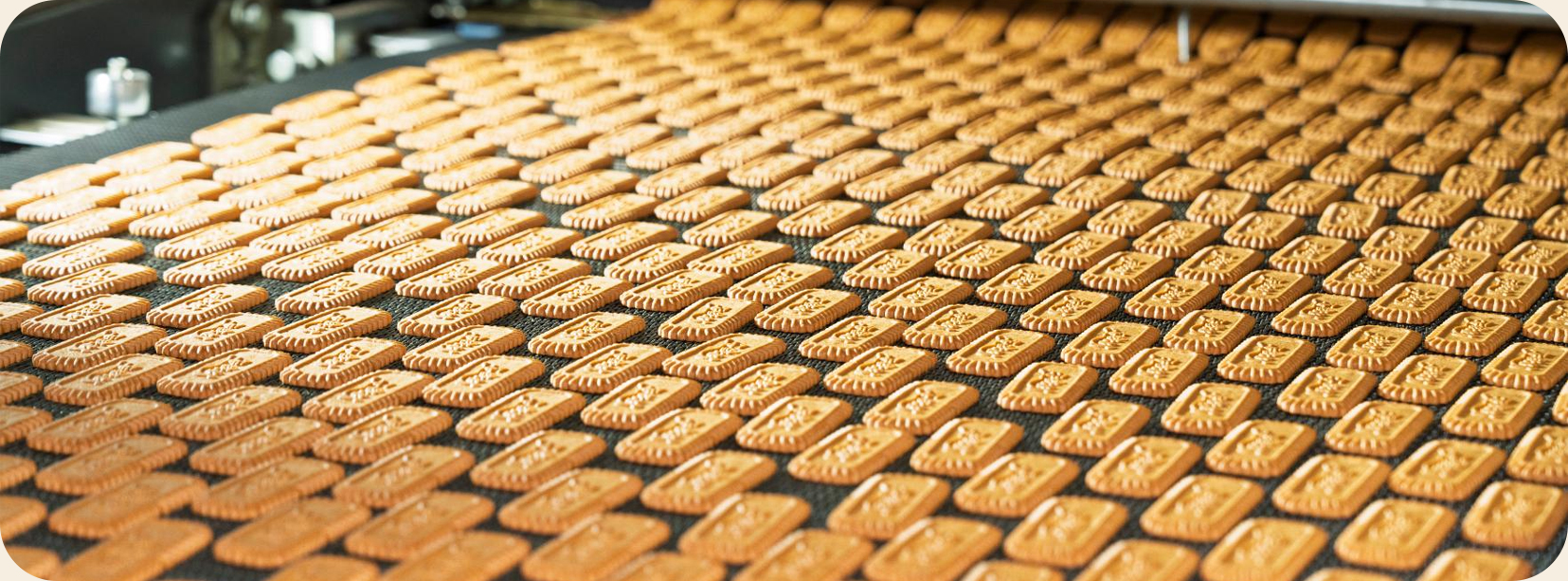
The key principle: lower temperature + longer time yields more even moisture reduction and a crisper bite, while higher temperature + shorter time risks surface burning before the interior fully sets. Industrial production lines for hard biscuits typically use tunnel ovens with multiple temperature zones to achieve consistent results at scale.
Why Cocoa Dough Requires Different Temperature Management
Cocoa powder introduces two critical variables that distinguish it from standard hard biscuit production:
- Accelerated browning: Cocoa contains amino acids and reducing sugars that intensify Maillard browning reactions. At temperatures above 190°C, cocoa biscuits can develop bitter, acrid flavors within minutes.
- Moisture retention differences: Alkalized (Dutch-process) cocoa powder absorbs water differently than natural cocoa, affecting dough water activity and the time needed to reach a final moisture content of ≤3% — the standard threshold for hard biscuit shelf stability.
- Color masking: The dark color of cocoa dough makes visual browning cues unreliable. Producers must rely on time/temperature logs and moisture measurement rather than visual inspection alone.
Recommended Baking Parameters by Production Scale
| Production Type | Oven Type | Temperature Range | Baking Time | Target Final Moisture |
|---|---|---|---|---|
| Small-batch / artisan | Deck oven | 165–175°C | 14–18 min | ≤3.5% |
| Mid-scale industrial | Rotary oven | 170–180°C | 13–16 min | ≤3.0% |
| Large-scale continuous | Multi-zone tunnel oven | Zone 1: 160°C / Zone 2: 180°C / Zone 3: 165°C | 12–15 min total | ≤2.5% |
In tunnel oven setups, the three-zone temperature profile is industry-standard: an initial lower-temperature zone drives out surface moisture without hardening the crust too quickly; the middle high-heat zone completes structural setting; and a final reduced-temperature zone prevents overbaking as the biscuit exits.
How Biscuit Thickness Affects Time-Temperature Decisions
Rectangular hard biscuits intended as base materials (e.g., for chocolate coating, filling, or stacking) are typically pressed to 4–7 mm thickness. Every 1 mm increase in thickness requires approximately 1–1.5 additional minutes at the same temperature to achieve equivalent internal moisture reduction.
Practical guidelines by thickness:
- 4 mm: 160–165°C for 12–13 minutes — minimal heat penetration time needed; risk is over-drying edges.
- 5–6 mm (most common for B2B base biscuits): 170–178°C for 14–16 minutes — optimal balance of throughput and texture consistency.
- 7 mm: 175–185°C for 16–18 minutes — requires careful monitoring; lower oven zones may need increased bottom heat to prevent underbaking centers.
Common Defects Caused by Incorrect Baking Control
Improper baking temperature and time are responsible for the majority of quality rejections in hard biscuit production. The table below maps key defects to their most likely temperature-related causes:
| Defect | Likely Cause | Corrective Action |
|---|---|---|
| Soft/chewy texture after cooling | Insufficient time or temperature; moisture >4% | Extend baking by 2–3 min; verify oven calibration |
| Burnt edges, pale center | Temperature too high; uneven heat distribution | Reduce top heat by 10°C; check fan/airflow balance |
| Cracking or shattering | Rapid cooling after overbaking; moisture too low | Add gradual cooling zone; target moisture ≥2.0% |
| Bitter aftertaste | Cocoa scorching; peak temperature >190°C | Lower max zone temp; shorten dwell time at peak |
| Blistering on the surface | Too much steam / high initial temperature | Reduce entry zone temp; improve dough sheeting uniformity |
Frequently Asked Questions About Baking Control
How do I know if the baking temperature is accurate if the oven thermostat seems inconsistent?
Oven thermostat readings and actual baking chamber temperatures often differ by ±10–20°C in older or less-maintained equipment. Use an independent oven thermometer or data logger placed at biscuit level to verify actual conditions. Recalibrate control parameters based on measured temperatures, not thermostat display values.
Should top heat and bottom heat be set differently for rectangular cocoa biscuits?
Yes. A common industry practice is to set the bottom heat 5–10°C higher than the top heat during the initial baking phase to ensure thorough cooking from the base up, preventing a raw center. In the final phase, top heat can be increased slightly to achieve the desired surface color and crispness. For cocoa biscuits, keep the top heat conservative to avoid darkening.
What is the correct cooling procedure after baking?
Biscuits should be cooled on a ventilated conveyor for at least 5–8 minutes before packaging, allowing internal temperature to drop below 40°C. Rapid cooling to ambient conditions (20–25°C) without condensation is critical — moisture reabsorption during cooling is one of the leading causes of post-production softness. Avoid stacking biscuits immediately after exiting the oven.
Does cocoa percentage in the recipe change the required baking time?
Yes, but the effect is modest. Recipes with >8% cocoa content by flour weight tend to absorb more moisture during mixing, which can require an additional 1–2 minutes of baking to reach the same final moisture target. More significantly, higher cocoa content increases surface heat absorption, so peak zone temperatures should be lowered by approximately 5°C to compensate.
How does docking (pin-pricking the dough sheet) affect baking performance?
Docking is essential for hard biscuits. It allows steam to escape evenly during baking, preventing surface blistering and ensuring flat, uniform rectangles — critical for downstream processes like chocolate enrobing or packaging. A dock density of 12–16 holes per 10 cm² is typical for standard hard biscuit formats. Insufficient docking at high temperatures leads to uneven puffing that compromises dimensional consistency.
Process Checklist for Consistent Baking Results
The following checklist reflects best practices for maintaining consistent output in rectangular cocoa hard biscuit production:
- Verify oven temperature with an independent probe before each production run.
- Confirm dough sheet thickness is uniform across the full belt width (tolerance: ±0.3 mm).
- Check docking roller condition; worn or clogged pins reduce steam release efficiency.
- Log time-temperature data for each batch; establish baseline curves for the specific recipe.
- Sample biscuit moisture at exit using a moisture analyzer; target 2.5–3.0% for long shelf-life formats.
- Allow full cooling before stacking or packaging; monitor ambient humidity in the cooling zone.
- Review color consistency across the belt width to detect hot/cold spots in the oven.