English
 中文简体
中文简体

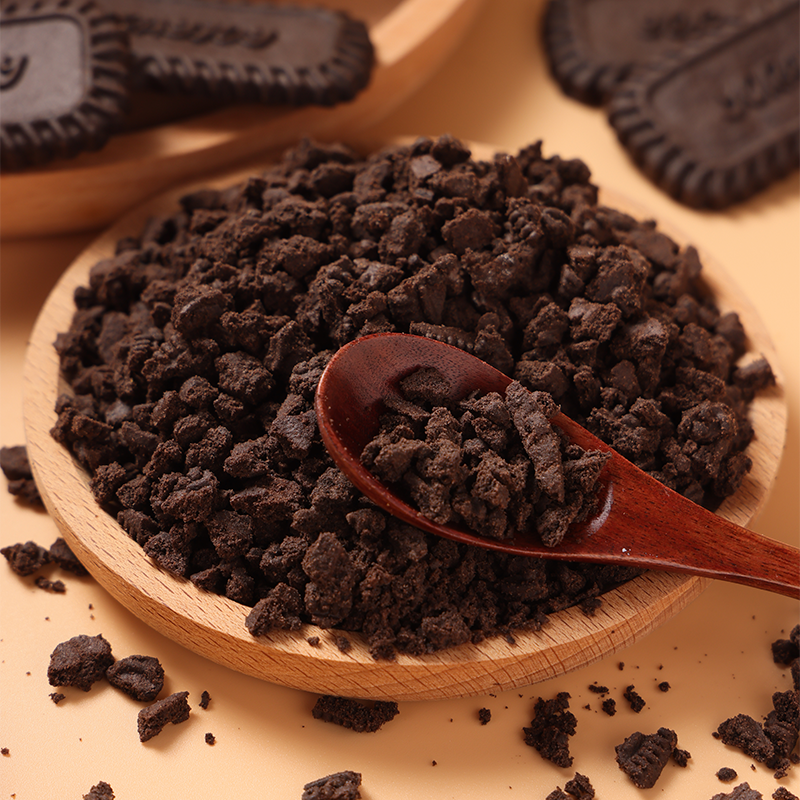
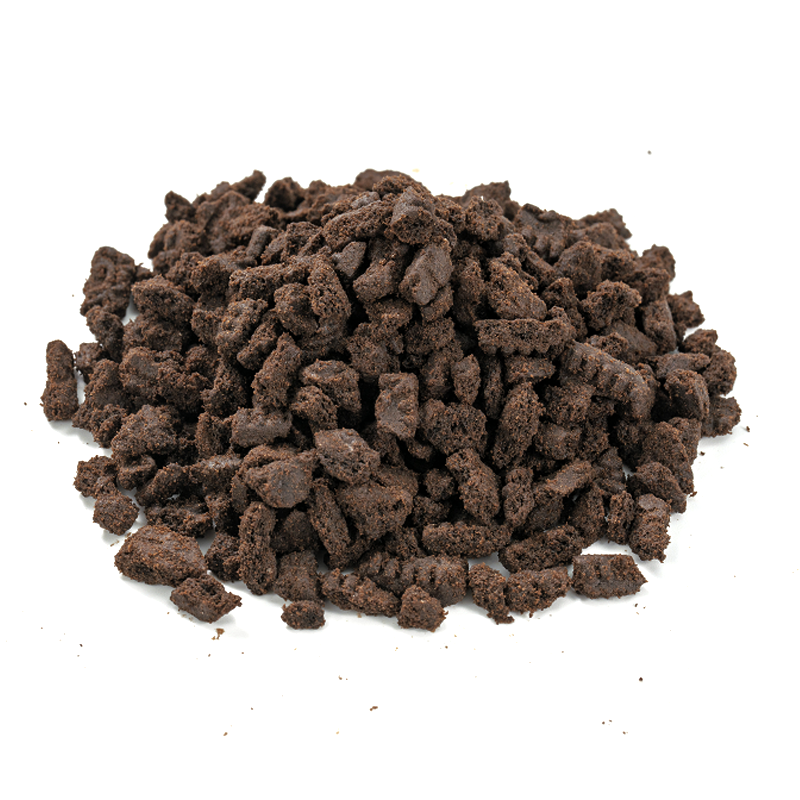



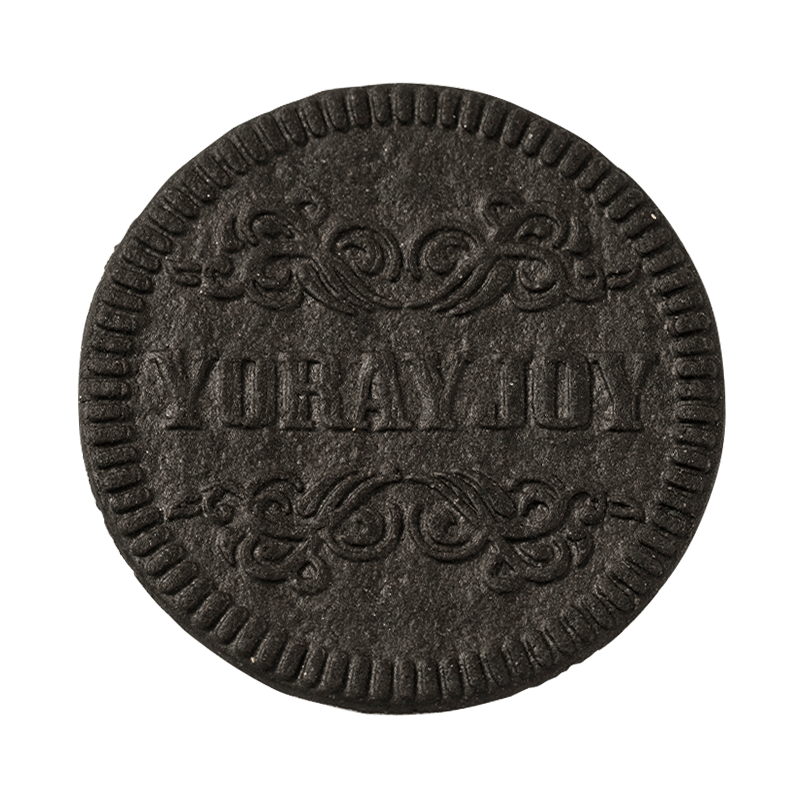
What Are Medium Cocoa Biscuit Crumbles and Why They Matter in Food Manufacturing
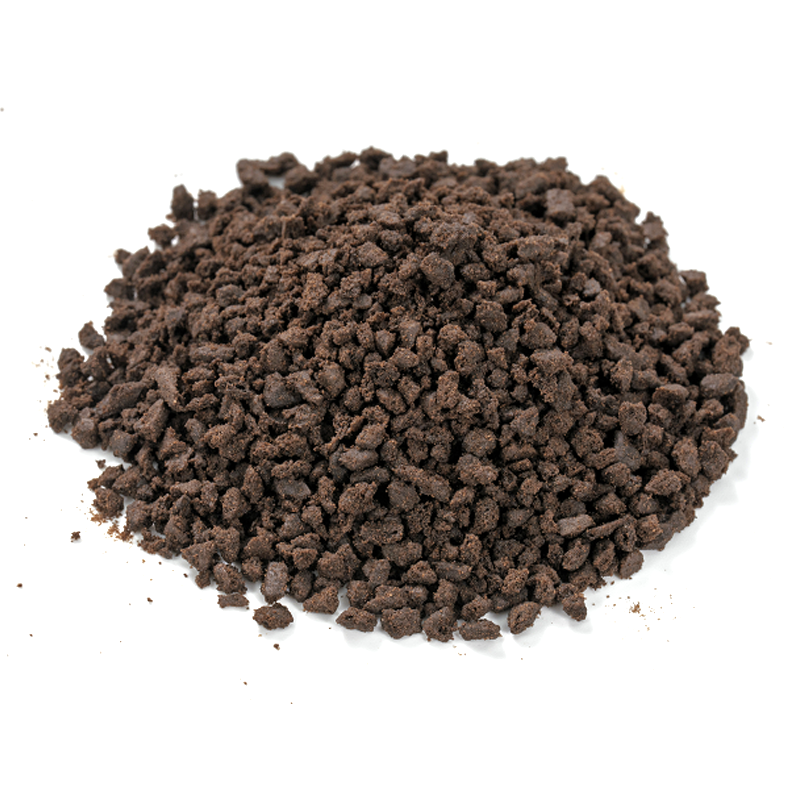
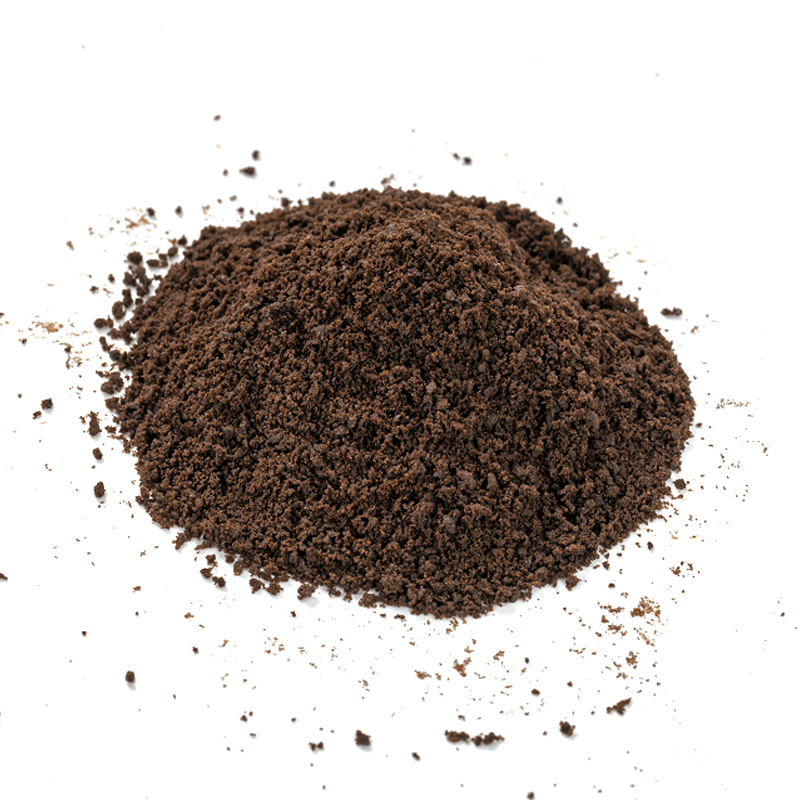
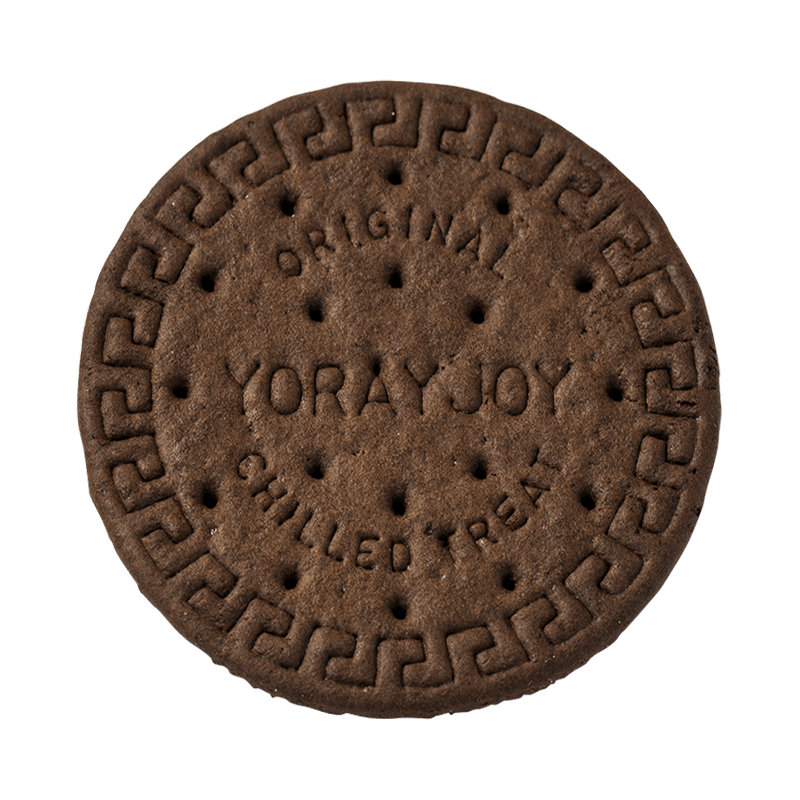
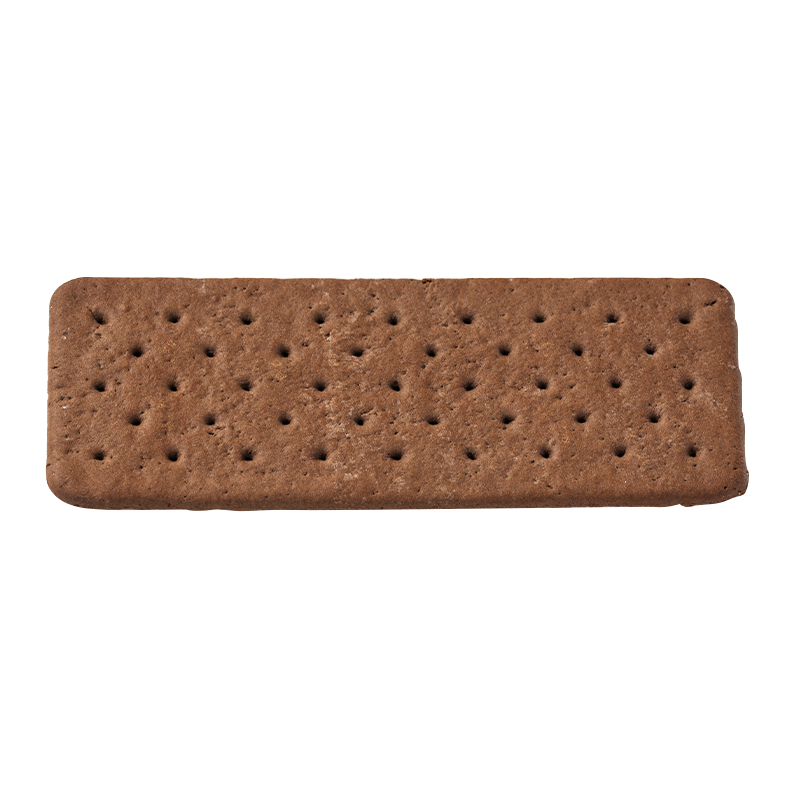
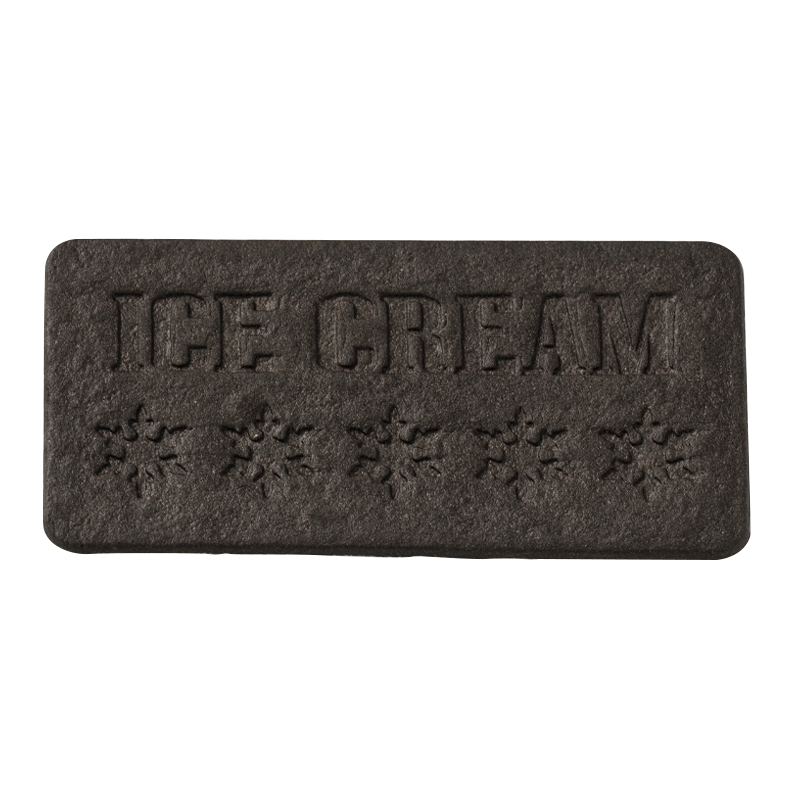
Medium cocoa biscuit crumbles are pre-processed biscuit fragments with a standardized cocoa content — typically ranging from 10% to 20% cocoa solids — designed specifically as functional base materials for industrial food applications. Unlike whole biscuits intended for direct consumption, these crumbles are engineered for inclusion in composite food products such as ice cream, yogurt toppings, cheesecake bases, chocolate mousse layers, and bakery fillings.
Their importance in food manufacturing stems from three core value propositions: texture consistency, flavor profile stability, and processing reliability. A well-produced medium cocoa biscuit crumble delivers a signature crunch or tender-crumb texture that survives freezing, mixing, or baking processes — a critical requirement for large-scale production lines.
Key Industry Standards and Product Specifications
In the biscuit base material industry, "medium cocoa" is a defined flavor tier. Understanding the specifications helps procurement teams and product developers make accurate sourcing decisions.
| Parameter | Light Cocoa | Medium Cocoa | Dark Cocoa |
|---|---|---|---|
| Cocoa Solids Content | 3%–8% | 10%–20% | 22%–35% |
| Color (L* value) | 45–55 | 30–44 | 15–29 |
| Typical Moisture | ≤4% | ≤3.5% | ≤3% |
| Primary Application | Vanilla desserts, dairy | Ice cream, tea beverages, cheesecakes | Chocolate-forward confections |
Moisture content is especially critical: crumbles exceeding 4% moisture risk clumping in frozen applications and shortened shelf life, which is why reputable manufacturers maintain strict drying protocols.
How Medium Cocoa Biscuit Crumbles Are Manufactured
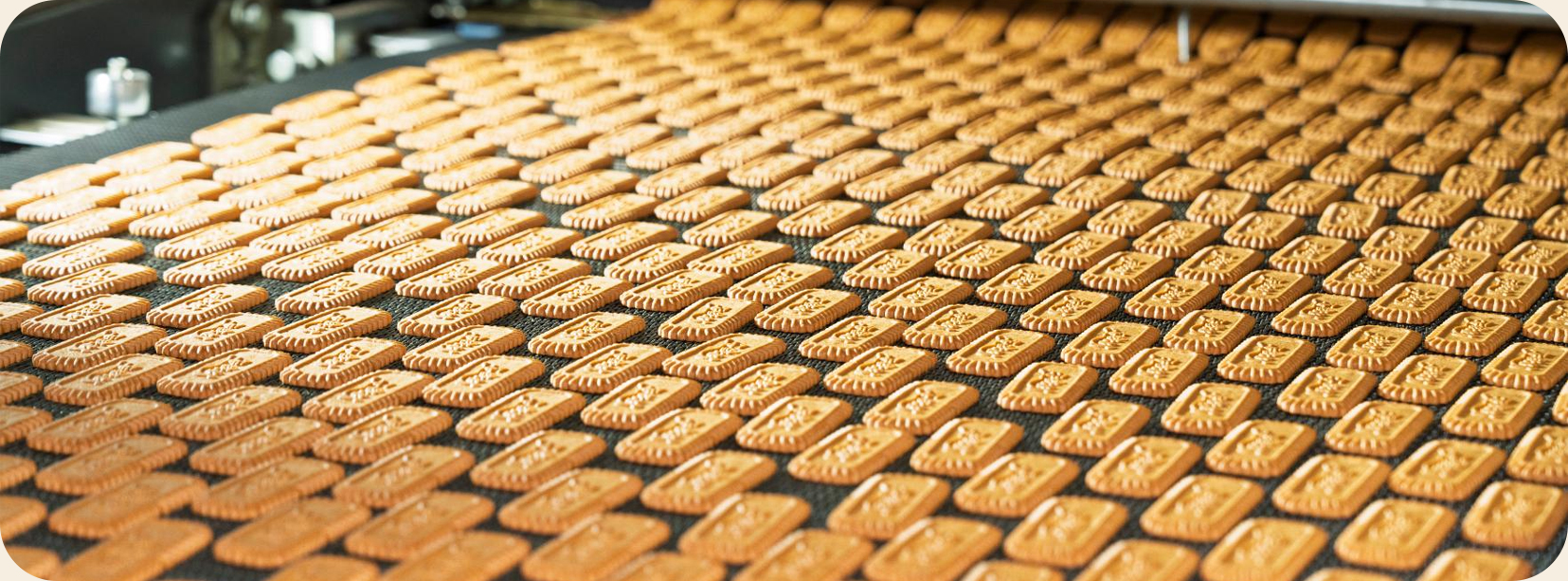
Industrial production of medium cocoa biscuit crumbles follows a tightly controlled sequence. Each stage directly affects the final product's performance in downstream applications.
Stage 1: Raw Material Blending
Wheat flour, fat (typically palm-based shortening or butter), sugar, and Dutch-processed cocoa powder are blended in precise ratios. Dutch-processed cocoa is preferred in the medium tier because its alkalized pH (6.8–8.1) produces a milder, rounder chocolate flavor compared to natural cocoa, which can be too sharp for neutral-base applications like yogurt parfaits.
Stage 2: Forming and Baking
The dough is formed into sheets or extruded shapes, then baked at temperatures between 160°C and 200°C. Baking time and temperature directly determine the crumble's final hardness (measured in Newtons via texture analyzers) — a parameter that must be calibrated based on intended end use. Ice cream inclusions, for example, require a higher bake hardness (typically above 25N) to maintain structure after freezing.
Stage 3: Crushing and Particle Size Grading
Post-baking, biscuits are mechanically crushed and sieved to achieve target particle size distributions. Common grades include:
- Fine crumbles (0.5–2mm): Used in cheesecake bases, no-bake crust layers, and powder-blended coatings.
- Medium crumbles (2–6mm): The most versatile size, widely used in ice cream mix-ins, layered desserts, and topping applications.
- Coarse crumbles (6–12mm): Preferred for visible inclusions in premium frozen desserts and artisanal-style baked goods.
Stage 4: Quality Control and Packaging
Final batches are inspected for moisture, color consistency (using spectrophotometers), microbial load, and particle uniformity before packaging in food-grade multi-layer bags — typically nitrogen-flushed to extend shelf life. Standard shelf life for properly packaged medium cocoa biscuit crumbles is 12–18 months at ambient temperature (≤25°C, ≤60% RH).
Primary Industrial Applications
Medium cocoa biscuit crumbles serve as functional ingredients across a wide range of food categories. The following outlines the most commercially significant use cases:
Frozen Desserts and Ice Cream
This is the largest single application category. Crumbles are incorporated as mix-ins, swirls, and cone coatings. The key performance requirement is freeze-thaw stability — the crumble must not become soggy or lose textural contrast after temperature cycling between -18°C and 4°C during distribution. Manufacturers often apply a thin fat coating (cocoa butter or PGPR-based) to crumbles used in this segment to retard moisture migration.
Milk Tea and Ready-to-Drink Beverages
The boom of new-style tea beverage brands across Asia has created substantial demand for biscuit crumbles as floating toppings. In this application, controlled dissolution rate is critical: the crumble should maintain structural integrity for 5–10 minutes in liquid before softening, ensuring a satisfying mouthfeel during consumption. Medium cocoa flavor pairs naturally with milk-tea bases, making it the preferred cocoa tier for this category.
Dairy Products and Yogurt
Biscuit crumbles are widely used as stirred-in inclusions or separate topping sachets in yogurt, pudding, and fromage frais formats. Dairy applications demand low-fat bloom susceptibility and allergen declaration clarity (gluten, milk, soy), as co-packaging with dairy can trigger cross-contamination compliance requirements in regulated markets such as the EU and North America.
Bakery and Confectionery Bases
Fine and medium crumble grades are used as pressed or bound crust layers in cheesecakes, tarts, and slices. When combined with melted butter at a standard ratio of 100g crumble: 30–40g fat, they form a cohesive, sliceable base layer. They are also used in truffle coatings, chocolate bark inclusions, and layered confectionery bars.
Sourcing Criteria: What to Evaluate When Selecting a Supplier
For food manufacturers and product developers, supplier selection for biscuit base materials should go beyond price. The following criteria are industry-standard evaluation benchmarks:
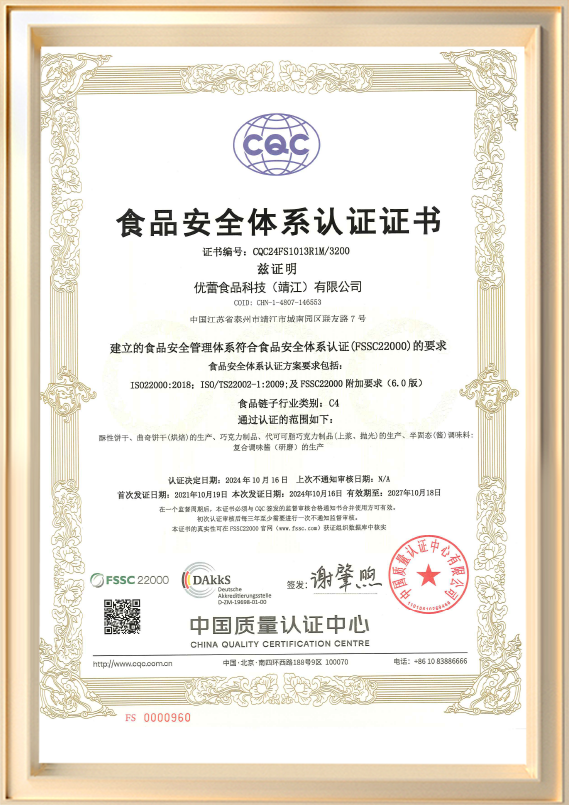
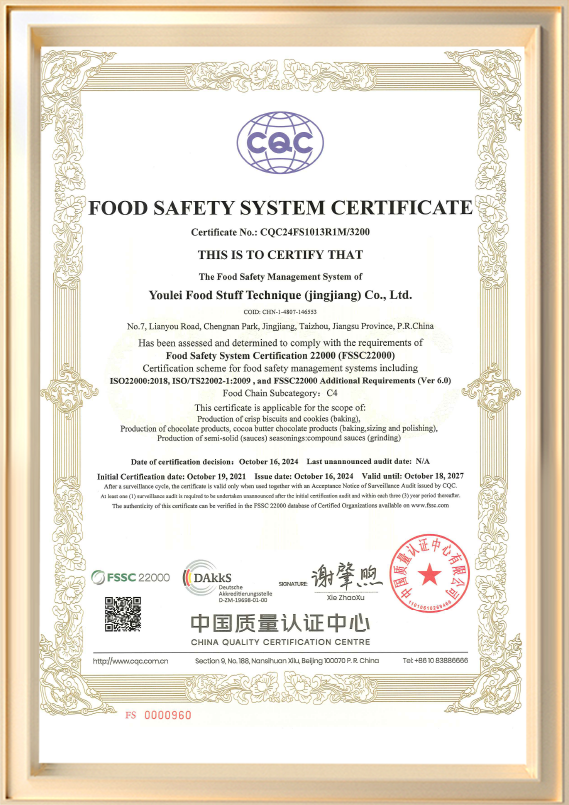
- Certifications: Verify FSSC 22000 or BRC Grade A certification as a baseline. Halal and Kosher certifications are required for Middle Eastern and North American markets respectively.
- Customization capacity: Can the manufacturer adjust cocoa percentage, particle size, fat type, or sugar level for your specific formulation? Rigid catalog-only suppliers limit product differentiation.
- Batch-to-batch consistency: Request CoA (Certificate of Analysis) data across 6–12 consecutive batches to evaluate color variance (ΔE), hardness deviation, and moisture range. A ΔE of less than 2.0 is considered acceptable for medium cocoa products in premium dessert lines.
- Lead time and MOQ: Standard MOQs from industrial manufacturers range from 500kg to 2MT per SKU. Suppliers serving national-scale frozen food brands typically have responsive capacity buffer of 15–25% above forecast.
- Application development support: Top-tier suppliers offer formulation trials, texture testing, and pilot line simulation — not just sample shipments. This R&D partnership capability significantly shortens new product development cycles.
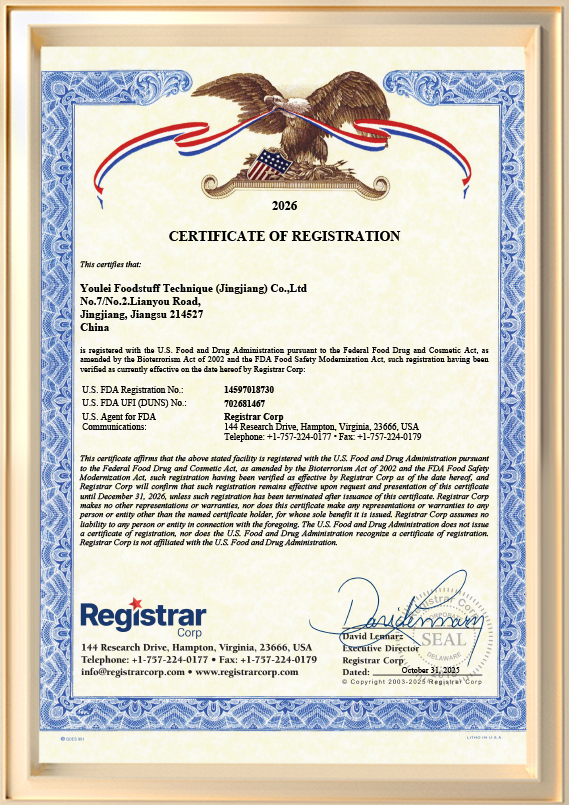
As a specialist Medium Cocoa Biscuit Crumbles manufacturer, YOULEI FOOD TECHNOLOGY CO., LTD. has built its reputation through partnerships with century-old dairy benchmarks, global chocolate heritage brands, and leading frozen food companies — a portfolio that reflects the rigorous quality standards the industry requires from a biscuit base material company.
Common Formulation Challenges and Industry Solutions
Even with quality raw materials, product developers encounter recurring formulation issues when working with cocoa biscuit crumbles. Understanding these challenges — and the standard industry responses — prevents costly reformulation cycles.
Challenge 1: Moisture Migration in Multi-Layer Products
In products like layered yogurt cups or refrigerated cheesecakes, moisture from the wet layer migrates into the crumble layer over shelf life, causing sogginess. The standard solution is to apply a moisture barrier coating — typically a thin layer of tempered chocolate or fractionated palm fat — to the crumble surface. Alternatively, reducing the aw (water activity) of the adjacent layer below 0.85 can significantly slow migration rate.
Challenge 2: Fat Bloom on Crumble Surfaces
Temperature fluctuations during distribution can cause fat in the crumble to migrate and recrystallize on the surface, producing a white, chalky appearance. This is primarily an aesthetic defect but affects perceived quality. Using fully hydrogenated fats or high-SFC (solid fat content) palm fractions in the crumble formulation reduces bloom susceptibility. Suppliers operating at the premium tier typically offer bloom-stabilized crumble variants for ambient chocolate confectionery applications.
Challenge 3: Inconsistent Texture in Frozen Applications
Ice cream and frozen dessert manufacturers sometimes report that crumble hardness varies between batches, leading to inconsistent eating experience. This is typically traced back to oven temperature drift or inconsistent dough hydration in the baking process. Specifying a hardness tolerance band (e.g., 25–35N at ambient) in the product specification sheet, and requiring the supplier to report texture analyzer readings on each CoA, is the recommended procurement practice.
Market Trends Shaping the Biscuit Crumble Segment
Several macro trends are actively reshaping demand patterns and product development priorities within the biscuit base material category:
- Clean label reformulation: Brand owners are requesting shorter ingredient lists, which means pressure on suppliers to eliminate artificial emulsifiers and use non-PGPR fat systems. This has elevated demand for high-quality natural fat alternatives that maintain performance without synthetic aids.
- Sugar reduction: With sugar taxes and health-positioning pressures increasing, manufacturers are requesting low-sugar or sugar-substitute variants. Medium cocoa crumbles using maltitol or erythritol blends are now commercially available from select manufacturers, though texture adjustments are required as sugar reduction affects crispness and browning behavior.
- Premiumization of tea beverage formats: In China, South Korea, and Southeast Asia, the growth of elevated tea brands has created a new high-volume channel for biscuit crumbles as specialty toppings — a use case that barely existed five years ago. This has driven investment in new crumble geometries and flavor profiles specifically engineered for beverage applications.
- Plant-based compatibility: As plant-based dessert lines expand, suppliers are being asked to reformulate with non-dairy fats and ensure no animal-derived emulsifiers are used, enabling crumbles to qualify for vegan product labeling.
Leading Medium Cocoa Biscuit Crumbles companies that invest in forward-looking R&D are better positioned to serve brand owners navigating these shifts — particularly those that can simultaneously address clean-label demands, texture performance, and flavor innovation within a single product development partnership.
Frequently Asked Questions About Medium Cocoa Biscuit Crumbles
What exactly is "medium cocoa" in biscuit crumbles?
"Medium cocoa" refers to a cocoa solids content of 10%–20% in the biscuit formulation. This positions the product between light cocoa variants (mild, biscuit-forward flavor) and dark cocoa variants (intense, bitter-leaning profile). Medium cocoa delivers a balanced chocolate taste that pairs broadly with dairy, frozen, and beverage applications without overpowering other flavor components.
How are medium cocoa biscuit crumbles different from crushed biscuits?
Retail biscuits crushed in-house are inconsistent in particle size, moisture content, and hardness, which causes unpredictable results in production. Industrial medium cocoa biscuit crumbles are purpose-manufactured to defined specifications: controlled particle size grades (fine, medium, coarse), standardized moisture (≤3.5%), and verified hardness values. This consistency is essential for repeatable quality on high-volume production lines.
What is the typical shelf life of medium cocoa biscuit crumbles?
When stored in nitrogen-flushed, sealed multi-layer packaging at ambient conditions (≤25°C, ≤60% relative humidity), medium cocoa biscuit crumbles typically have a shelf life of 12–18 months. Once opened, the product should be resealed and consumed within 30 days to prevent moisture absorption and oxidative rancidity.
Can medium cocoa biscuit crumbles be used directly in frozen desserts without any pre-treatment?
Yes, in many cases. However, for applications requiring extended freeze-thaw stability — such as ice cream mix-ins distributed through cold chain — a thin fat coating (cocoa butter or fractionated palm fat) is recommended to retard moisture migration and maintain crunch after temperature cycling. Standard uncoated crumbles perform well in single-serve or short shelf-life frozen formats.
What particle size should I specify for my application?
The right particle size depends on end use. Fine crumbles (0.5–2mm) suit pressed cheesecake bases and powder coatings. Medium crumbles (2–6mm) are the most versatile and widely used in ice cream inclusions and dessert layering. Coarse crumbles (6–12mm) work best where visible texture and a bold eating experience are priorities, such as premium frozen desserts or artisan-style baked goods.
Are medium cocoa biscuit crumbles suitable for plant-based or vegan products?
It depends on the formulation. Standard recipes may contain dairy-derived ingredients such as milk powder or butter. However, vegan-compatible variants using non-dairy fats and plant-based emulsifiers are available from manufacturers that offer customized formulations. Always request a full ingredient declaration and allergen statement from your supplier before use in plant-based product lines.
How do I prevent the crumbles from becoming soggy in layered dessert products?
Moisture migration from adjacent wet layers is the primary cause of sogginess. The two most effective industry solutions are: applying a fat-based moisture barrier coating to the crumble surface, or ensuring the water activity (aw) of the adjacent layer stays below 0.85. Specifying a crumble with lower base moisture (≤3%) also provides additional protection in refrigerated or ambient shelf-stable formats.
What certifications should I look for when sourcing medium cocoa biscuit crumbles?
At a minimum, look for FSSC 22000 or BRC Grade A food safety certification. Depending on your target market, Halal certification is required for the Middle East, and Kosher certification is important for parts of North America and Europe. For export to the EU or US, verify allergen compliance documentation covering gluten, milk, soy, and nuts as applicable to the formulation.
Can the cocoa percentage or flavor profile be customized?
Yes — leading manufacturers offer formulation customization, including adjustments to cocoa percentage, cocoa type (natural vs. Dutch-processed), sugar level, fat system, and added flavors such as vanilla or malt. Custom development typically requires a minimum order quantity (MOQ) of 500kg–1MT per SKU and a formulation trial period. Working with a supplier that has dedicated R&D support significantly shortens the development timeline.
What is the standard ratio for making a cheesecake or tart base with medium cocoa biscuit crumbles?
The widely used industry benchmark is 100g of medium cocoa biscuit crumbles combined with 30–40g of melted fat (butter or coconut oil). This ratio produces a cohesive, pressable base layer with good structural integrity after chilling. Fine crumble grades (0.5–2mm) are preferred for this application as they compact more uniformly and produce a smoother cut edge in finished slices.