2026.06.05
 Industry News
Content
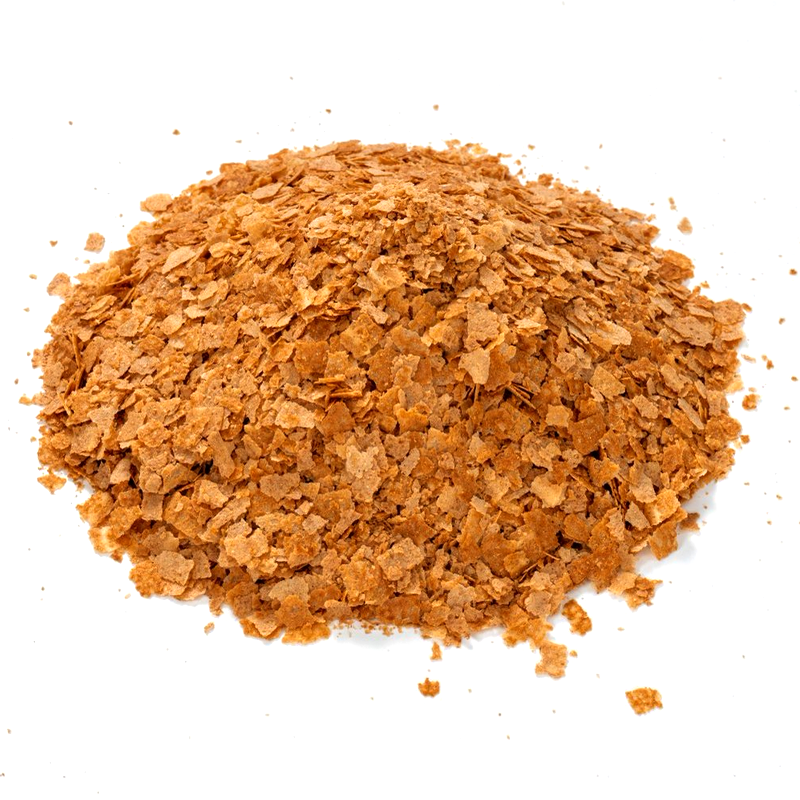
Feuilletine flakes are ultra-thin, baked wheat wafer shards — 2 to 8 mm in size, with moisture as low as 3 to 5% — engineered to deliver a lasting, satisfying crunch inside chocolate fillings, praline layers, and premium frozen desserts. For brands and manufacturers seeking consistent quality at scale, partnering with a high-end feuilletine factory in China offers the most competitive combination of food-safety certification, custom formulation capability, and export-ready supply capacity.
The word feuilletine comes from the French crêpe dentelle, a lace-thin biscuit specialty of Quimper, Brittany. Pailleté feuilletine — the broken, flaked commercial form — is either a byproduct of crêpe dentelle production or a dedicated ingredient manufactured using the same wheat-flour batter process. At scale, both are functionally identical: light, irregular shards with a neutral-to-lightly-sweet flavor profile that act as a vehicle for crunch rather than taste.
It is important to distinguish feuilletine from superficially similar ingredients. Cornflakes carry a noticeable malt or cereal note and lose crunch within one to two weeks inside ganache. Puffed rice absorbs moisture in under a week. Standard wafer pieces fare better but still fall short of feuilletine's four-to-eight-week crunch retention window when properly fat-coated. This technical edge is the reason feuilletine commands a premium position in professional pastry ingredient sourcing.
Performance Comparison: Feuilletine vs. Common Crunchy Inclusions
| Property | Feuilletine Flakes | Cornflakes | Puffed Rice | Wafer Pieces |
| Moisture Content | 3 – 5% | 3 – 4% | 4 – 6% | 2 – 4% |
| Crunch Retention in Ganache | 4 – 8 weeks | 1 – 2 weeks | Less than 1 week | 2 – 4 weeks |
| Flavor Neutrality | High | Low (malt note) | High | Moderate |
| Freeze-Thaw Stability | Good (fat-coated) | Poor | Poor | Moderate |
| Typical Inclusion Rate | 10 – 30% | 20 – 40% | 15 – 35% | 15 – 30% |
Understanding the manufacturing sequence helps buyers evaluate factory capability with greater precision. Each step has a direct bearing on the final flake's moisture, color consistency, and crunch performance.
Wheat flour, sugar, butter, and water are blended to a thin, pourable batter with a specific gravity near 1.05. The fat-to-flour ratio determines the eventual richness and color of the baked flake.
The batter is spread at 0.5 to 1.5 mm thickness onto continuous baking bands and passed through tunnel ovens at 180 to 210 degrees Celsius. Precise time-temperature control achieves Maillard browning without scorching.
Rapid post-oven cooling locks in crispness before the baked sheet is mechanically broken into irregular shards targeting 2 to 8 mm dimensions.
Calibrated sieves separate fines from usable product. Sieve data showing percentage retained at each mesh size is a reliable proxy for factory process control.
Finished feuilletine is sealed in moisture-barrier pouches under nitrogen atmosphere to maintain moisture below 5% throughout the supply chain, supporting a minimum 12-month shelf life.
The most widespread professional application involves blending feuilletine with hazelnut or almond praline paste at roughly a 1:2 ratio by weight, then spreading the mixture as a 5 to 8 mm croustillant layer inside mousse cakes. This technique was codified by Valrhona in the 1990s and remains a defining element of contemporary French pâtisserie.
Within praline-filled chocolates, feuilletine provides an audible snap against the smooth ganache center. Because the flake is pre-coated in fat before inclusion, crunch is preserved for four to eight weeks at 16 to 18 degrees Celsius — a shelf-life window that satisfies most retail channel requirements without additional preservatives.
When tempered chocolate or cocoa butter is used as a carrier before freezing, feuilletine retains its snap through freeze-thaw cycles — a property that puffed rice and cornflakes consistently fail to replicate. This makes crunchy feuilletine a premium inclusion for ice cream bars, gelato variegato, and frozen bonbons targeting the upper price tier.
The fastest-growing emerging application is as a finishing topping on premium milk tea and café beverages. Feuilletine's low weight, neutral flavor, and immediate crunch on contact make it visually and texturally effective in small quantities — typically 3 to 6 grams per serving — without competing with tea or fruit flavor profiles.
China's specialist biscuit ingredient manufacturers have invested heavily in continuous-baking tunnel oven infrastructure over the past decade. Factories operating five or more dedicated production lines can sustain annual feuilletine outputs measured in thousands of metric tons — sufficient to supply both regional artisan chocolatiers placing orders of a few hundred kilograms and international food groups requiring full container shipments.
Certified Chinese feuilletine factories hold BRCGS, HACCP, ISO 22000, and HALAL certifications simultaneously, meeting the compliance requirements of dairy multinationals, global chocolate brands, and frozen food producers. Custom formulation services — including butter, cocoa, and vegan variants using plant-based fat substitutes — are routinely offered alongside private-label packaging programs tailored to destination market requirements.
Quality Checkpoints Every Buyer Should Verify Before Placing an Order
Can feuilletine be used without mixing it into a fat medium first?
As an immediate-service topping on plated desserts, yes. In any application where the flake contacts moisture — ganache, mousse, cream, or fruit — it must first be coated or blended into a fat-based carrier such as couverture, praline paste, or cocoa butter. Fat creates a hydrophobic barrier that dramatically slows moisture ingress and extends crunch retention.
Does higher cocoa butter content in the chocolate improve crunch retention?
Yes. Dark couverture at 70% or above sets firm at room temperature, forming a denser barrier around each feuilletine shard. Feuilletine in dark praline combinations shows superior crunch longevity versus milk or white chocolate environments, where higher sugar and dairy fat can introduce more moisture activity over time.
What is the difference between paillete feuilletine and crêpe dentelle?
Crêpe dentelle is the whole, rolled biscuit originating in Quimper, France. Paillete feuilletine is its broken, flaked form — produced either as a manufacturing byproduct or as a purpose-built ingredient using the same batter formulation. At industrial scale, the two are functionally equivalent.
Are vegan feuilletine options available from Chinese factories?
A growing number of manufacturers offer vegan feuilletine using plant-based fat substitutes in place of butter. Availability varies by factory. Buyers requiring vegan compliance should request full ingredient declarations and confirmation of production line segregation to rule out cross-contamination with dairy.
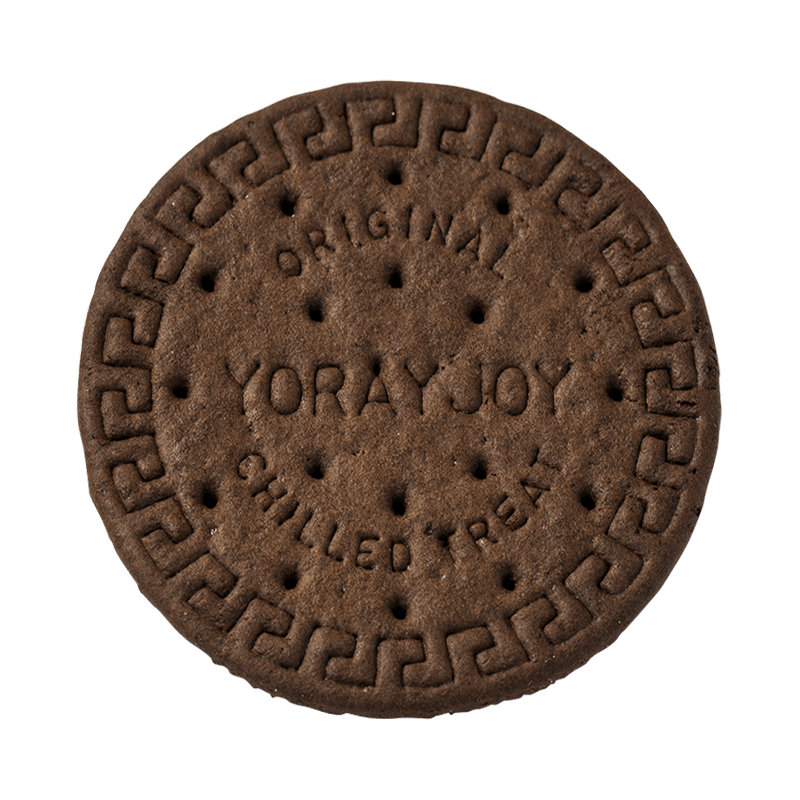
These Round Cocoa Hard Biscuits are specially designed for high-end frozen desserts and creative snacks, combining a crisp texture with excellent cold-chain transformation properties.
See Details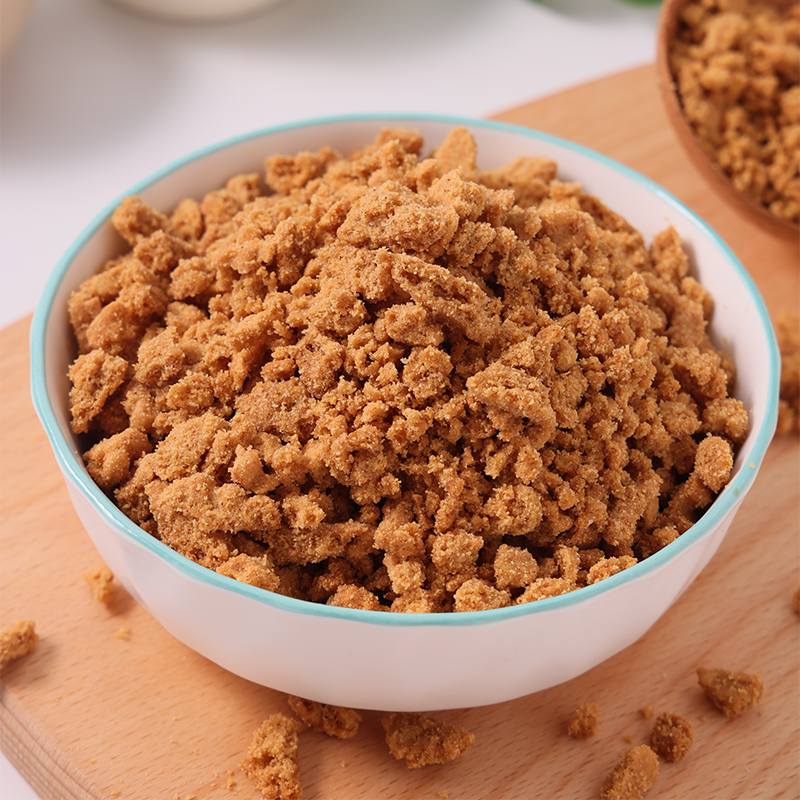
Baked using traditional European methods, this product boasts a natural amber color. Its core appeal lies in the perfect blend of rich caramel sweetness and spicy cinnamon aroma, with a distinct granular texture. It's a ...
See Details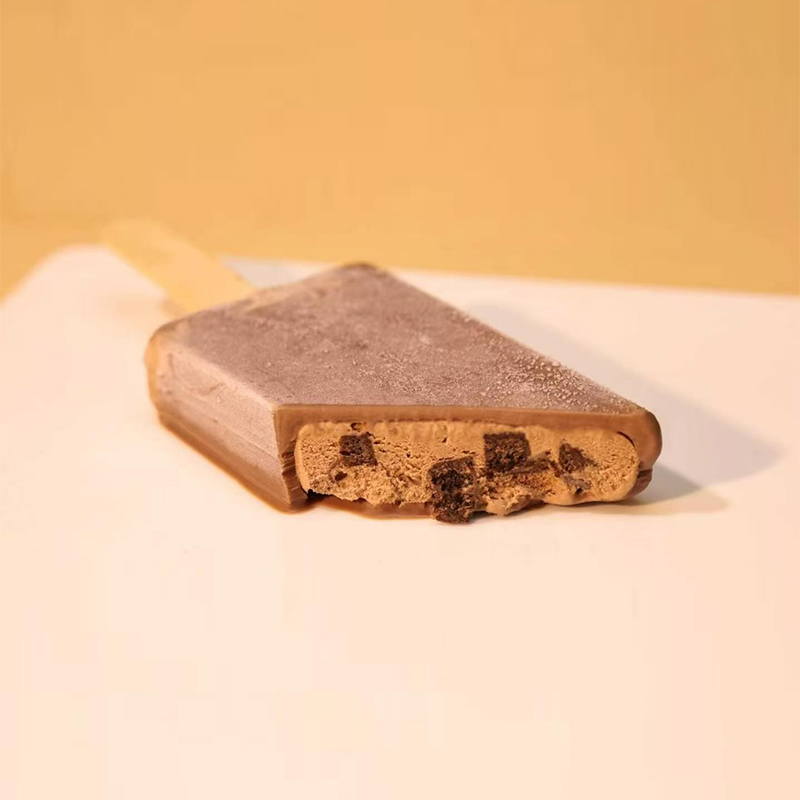
This soft cocoa cookie crumb has a rich, mellow, chewy texture and is an ideal partner for chocolate and vanilla ice cream. It keeps its soft bite even after being mixed into ice cream.
See Details
Quick Links
Product Category
Code Preview

 English
 中文简体
中文简体