 English
 中文简体
中文简体
These Round Cocoa Hard Biscuits are specially designed for high-end frozen desserts and creative snacks, combining a crisp texture with excellent cold-chain transformation properties.
See Details

 2026.05.29
 Industry News
Content
Round cocoa hard biscuits and round cocoa crispy biscuits share the same cocoa flavor and circular appearance as ice cream sandwich bases, but their core divergence lies in gluten development, fat content, and baking craftsmanship. Hard biscuits suppress gluten formation and use lower baking temperatures to maintain a dense, chewy softness at -18°C, making them ideal for products requiring extended shelf life and strong structural support. Crispy biscuits control gluten content with higher baking temperatures to deliver a layered, flaky texture in frozen conditions, suiting ready-to-eat products that prioritize immediate sensory experience. The choice depends on the end product's shelf life targets, consumption scenarios, and texture positioning.
The primary distinction between hard and crispy biscuits is gluten network development. Hard biscuit formulations employ low or medium-protein flour with minimal mixing, deliberately restricting gluten formation to create a dense, uniform internal structure after baking. This structure avoids stress concentration in frozen conditions, preventing fracture. Typical hard biscuits control gluten content within 8%-10%.
Crispy biscuits allow moderate gluten development, typically using medium-protein flour with moderate mixing times to form a certain elastic network. During baking, this gluten network alternates with fat layers, creating a distinct laminated structure. This structure produces layered fracture upon biting—the source of "crispy" mouthfeel. Crispy biscuit gluten content usually ranges 10%-12%, slightly higher than hard biscuits.
The two biscuit types also differ significantly in fat strategy. Hard biscuit formulations contain 25%-30% fat relative to flour weight, with fat primarily functioning to lubricate starch granules, reduce dough viscosity, and maintain softness in frozen conditions. Fat is predominantly liquid unsaturated oil (60%-75% of total fat), ensuring it remains fluid at -18°C.
Crispy biscuits have a higher fat ratio, typically 30%-35%, and employ a "lamination" process to layer fat into the dough. These fat layers melt during baking, creating voids in the dough that solidify upon cooling to form the flaky laminated structure. Crispy biscuits have slightly lower requirements for low-temperature fat fluidity since the laminated structure itself provides textural diversity, though core fats must still remain plastic at -18°C.
| Process Stage | Round Cocoa Hard Biscuit | Round Cocoa Crispy Biscuit |
|---|---|---|
| Dough Mixing | Low speed, short time; gluten suppression | Medium speed, moderate time; gluten development |
| Forming Method | Rotary moulding or stamping | Lamination + cutting or rotary moulding |
| Baking Temperature | 150-160°C (low temp, slow bake) | 170-180°C (medium temp, fast bake) |
| Terminal Moisture | 4%-5% | 3%-4% |
| Internal Structure | Dense and uniform, no lamination | Laminated structure with visible voids |
| Breaking Force at -18°C | 10-15N (chewy softness) | 8-12N (crispy, easy fracture) |
| Shelf Life (Assembled) | 15-18 months | 12-15 months |
Hard biscuits use low-temperature slow baking at 150-160°C with relatively longer baking times, allowing heat to slowly penetrate to the biscuit center and form a uniformly dense structure. Low-temperature baking also helps retain more moisture (4%-5%), which is key to maintaining softness in frozen conditions.
Crispy biscuits employ medium-temperature fast baking at 170-180°C, where the surface rapidly forms a hard crust and internal moisture quickly vaporizes to create steam bubbles. These steam bubbles collapse during cooling to form laminated voids. Terminal moisture is controlled at 3%-4%, lower than hard biscuits, because excessive moisture would cause the laminated structure to collapse due to ice crystal growth during frozen storage.
Hard biscuits taken directly from -18°C present a dense yet chewy softness when bitten. Teeth encounter uniform resistance, and the biscuit slowly softens in the mouth, blending with the ice cream. This texture resembles a frozen soft cookie, appealing to consumers who enjoy a "chewy" experience. The dense structure also makes hard biscuits more impact-resistant during transport and handling, with lower breakage rates.
When bitten in frozen conditions, crispy biscuits first penetrate the surface hard shell, then the laminated structure fractures layer by layer, producing a distinct "crunch" sensation and crumb release. This texture more closely resembles ambient shortbread biscuits, adding an extra textural dimension to ice cream sandwich products. However, the laminated structure also makes crispy biscuits more prone to edge chipping during transport, requiring enhanced packaging protection.
The dense structure of hard biscuits offers stronger resistance to moisture migration from ice cream. Combined with barrier coatings, they maintain structural integrity for 15-18 months of shelf life. While the laminated voids of crispy biscuits provide textural advantages, they also create channels for moisture penetration, resulting in a typically shorter assembled shelf life of 12-15 months.
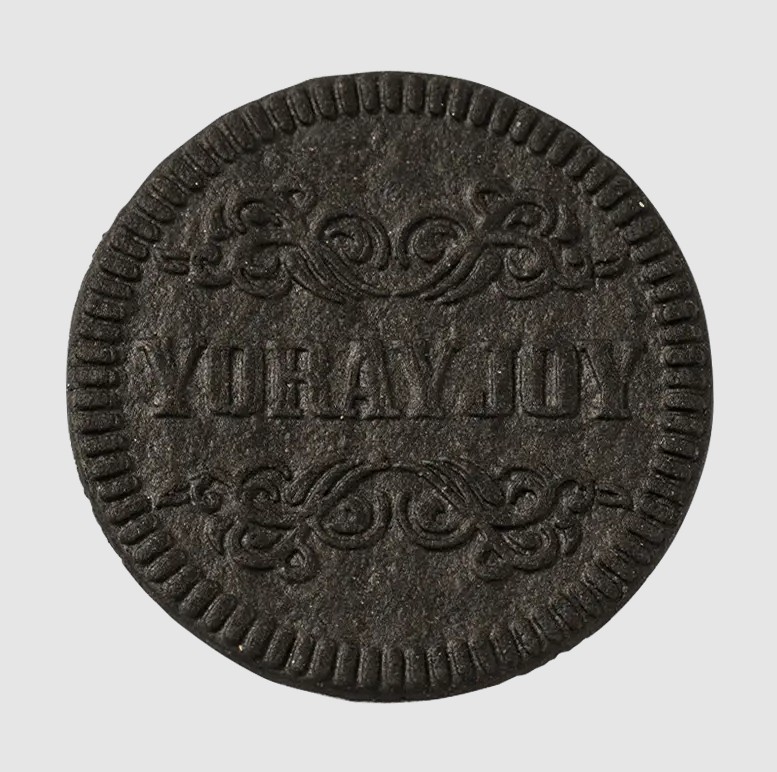
The two biscuit bases suit different commercial scenarios, and procurement decisions should integrate end-product positioning, distribution channels, and consumption contexts:
Whether hard or crispy, cocoa-flavored ice cream sandwich biscuit bases face identical formulation challenges:
Cocoa powder has strong oil and water absorption properties. When addition exceeds 8% of flour weight, dough becomes dry and hard with reduced extensibility. The two biscuit types employ different countermeasures: hard biscuits compensate for cocoa's oil absorption by increasing liquid oil ratio by 2%-3%; crispy biscuits must increase fat layer thickness during lamination to ensure the layered structure is not compromised by cocoa powder.
Both biscuit types use alkalized cocoa powder (pH 7-8) to achieve deep, stable coloration. However, because hard biscuits use lower baking temperatures, Maillard reactions are less pronounced, yielding a dark brown finish. Crispy biscuits' medium-temperature fast baking promotes more browning, producing a dark brown to near-black visual effect with stronger "chocolate" perception.
The dense structure of hard biscuits results in slower cocoa flavor release, presenting a gradual flavor fusion when mixed with ice cream. Crispy biscuits' laminated voids increase specific surface area, causing cocoa flavor to release rapidly upon fracture, creating a more intense taste contrast with ice cream.
Ice cream manufacturers should establish a systematic evaluation framework when selecting hard or crispy biscuits as sandwich bases:
| Evaluation Dimension | Hard Biscuit Priority | Crispy Biscuit Priority |
|---|---|---|
| Shelf Life Requirement | High (15-18 months) | Medium (12-15 months) |
| Logistics Tolerance | High (strong breakage resistance) | Medium (requires enhanced packaging) |
| Texture Richness | Medium (chewy, single-note) | High (layered, rich fracture) |
| Filling Thickness Compatibility | High (supports thick fillings) | Medium (suits thin fillings) |
| Production Cost | Low (simple process) | Medium (complex lamination) |
| Market Positioning | Mass market/family stock-up | Premium/immediate experience |
Final selection should be based on target market consumer insights. In mature markets, hard biscuits dominate mainstream share due to reliability and cost-effectiveness; in markets with pronounced consumption upgrading trends, crispy biscuits are rapidly penetrating premium channels through differentiated texture experiences. Some leading brands have begun adopting a dual product line strategy, simultaneously launching both hard and crispy biscuit versions of sandwich products to cover different consumption scenarios and demographics.
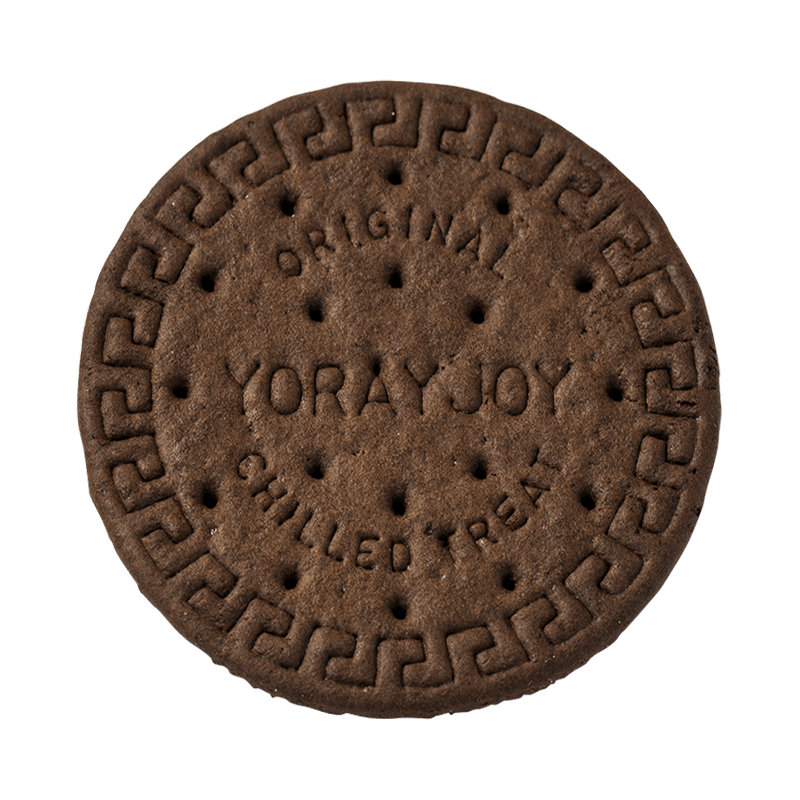
These Round Cocoa Hard Biscuits are specially designed for high-end frozen desserts and creative snacks, combining a crisp texture with excellent cold-chain transformation properties.
See Details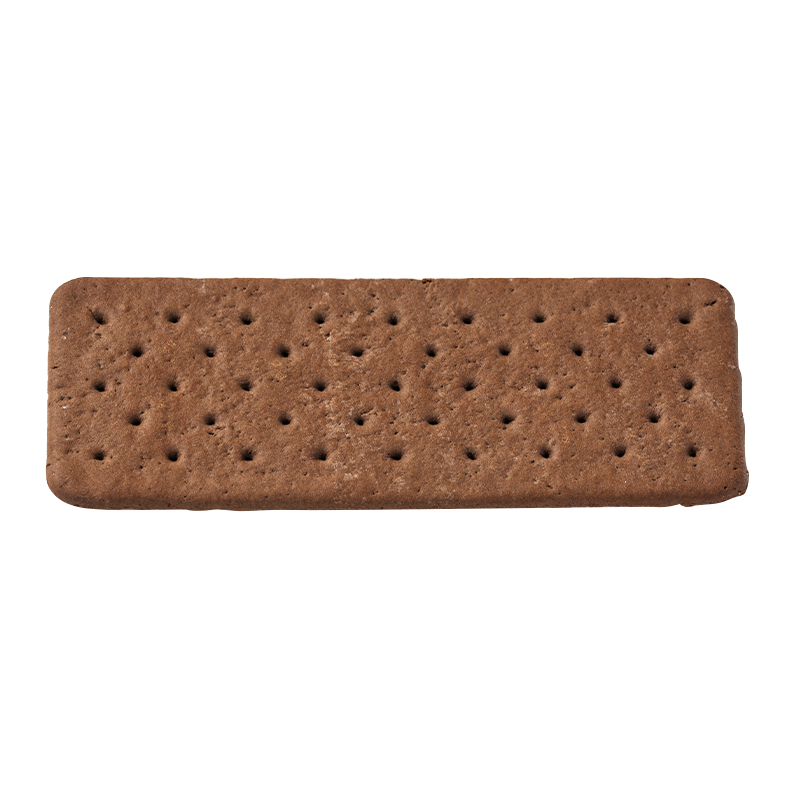
This rectangular cocoa hard biscuit is a classic baked semi-finished product, combining a crisp texture with excellent physical compatibility, making it an ideal base for frozen desserts and creative snacks.
See Details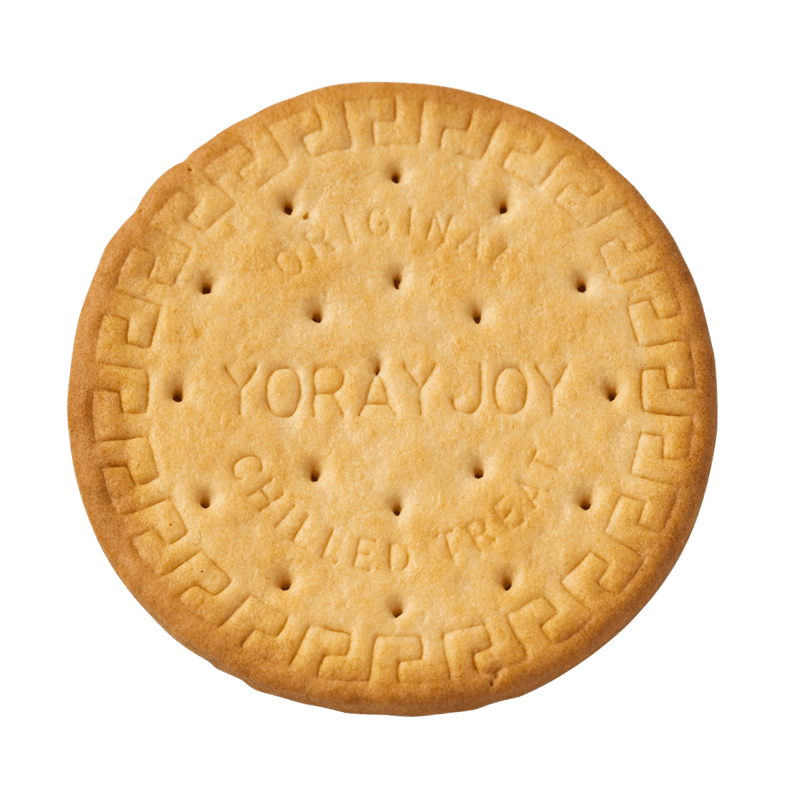
These Round Butter Hard Biscuits combine classic flavor with versatile textures, making them the ideal base for ice cream sandwiches.
See Details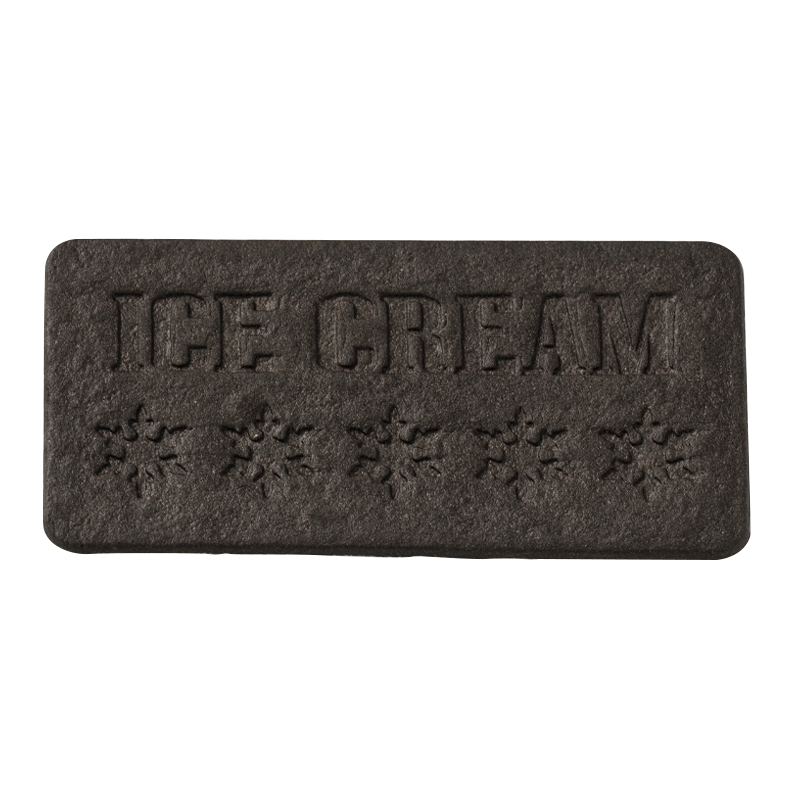
This rectangular cocoa crisp biscuit is the ideal shell for ice cream sandwiches. It continues the classic "Oreo" flavor profile and is optimized for cold chain environments.
See Details
This core component, specifically designed for premium ice cream, features a scientifically formulated high-fat and high-sugar ratio, providing both robust structural support and a melt-in-your-mouth crispness.
See Details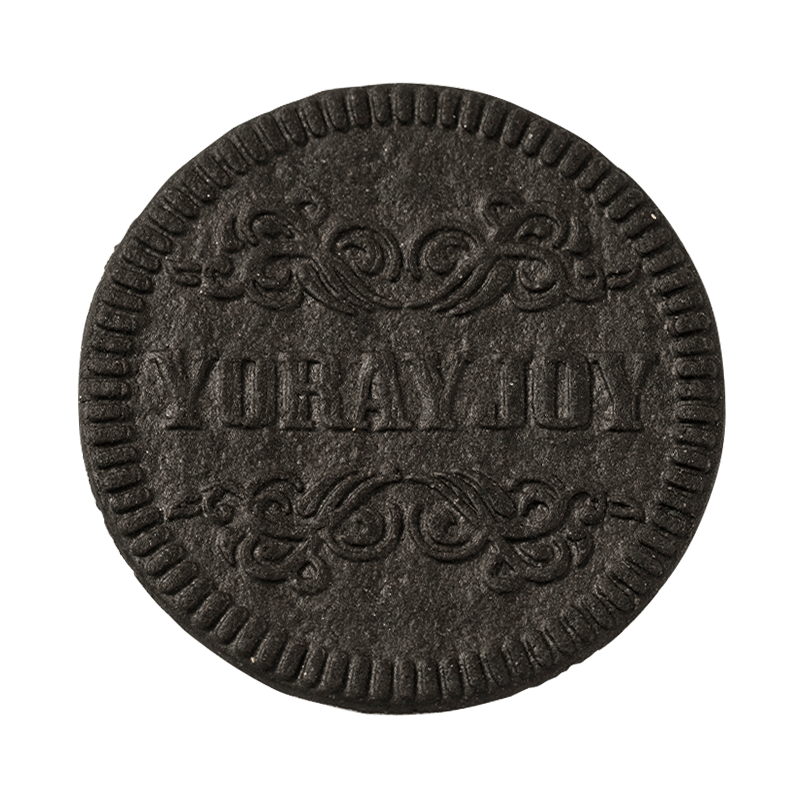
This product is a professional base ingredient specifically designed for high-end frozen desserts. It uses a high oil-to-sugar ratio and select low-gluten flour to create an exceptionally crisp texture that crumbles in y...
See Details
Quick Links
Product Category
Code Preview
