English
 中文简体
中文简体
This soft matcha cookie crumb has a springy, chewy texture, and both its color and flavor come from real matcha. It adds a distinctive, recognizable touch to matcha desserts and ice cream.
See Details

 2026.05.22
 Industry News
Content
Ice cream sandwich biscuits have evolved from seasonal treats into a core category within the global frozen dessert market. The technical barrier lies in the formulation's need to simultaneously deliver soft texture at -18°C storage while maintaining structural stability at ambient production temperatures. This dual requirement has driven continuous innovation in specialized ingredient systems and manufacturing processes. Currently, the category benefits from three major trends—premiumization, functionalization, and new channel expansion—making it a key battleground for bakery suppliers and ice cream brands competing for growth. The global ice cream market reached approximately USD 97 billion in 2023, with sandwich formats representing one of the fastest-growing segments.
Ordinary biscuits become hard and brittle in frozen environments due to fat solidification and glass transition. Ice cream sandwich biscuits address this contradiction through three formulation strategies:
Chocolate flavor is the most dominant variant in ice cream sandwich biscuits, but cocoa powder selection directly impacts final product performance. Dutch-processed cocoa (pH 7-8) outperforms natural cocoa (pH 5-6) because its reduced acidity minimizes adverse reactions with leavening agents and produces a more stable, darker color. Cocoa powder inclusion typically ranges from 5-12% of flour weight; excessive amounts reduce dough elasticity and affect shaping. To enhance chocolate flavor without increasing cocoa powder, small amounts of cocoa mass or dark malt powder can be added for color adjustment.
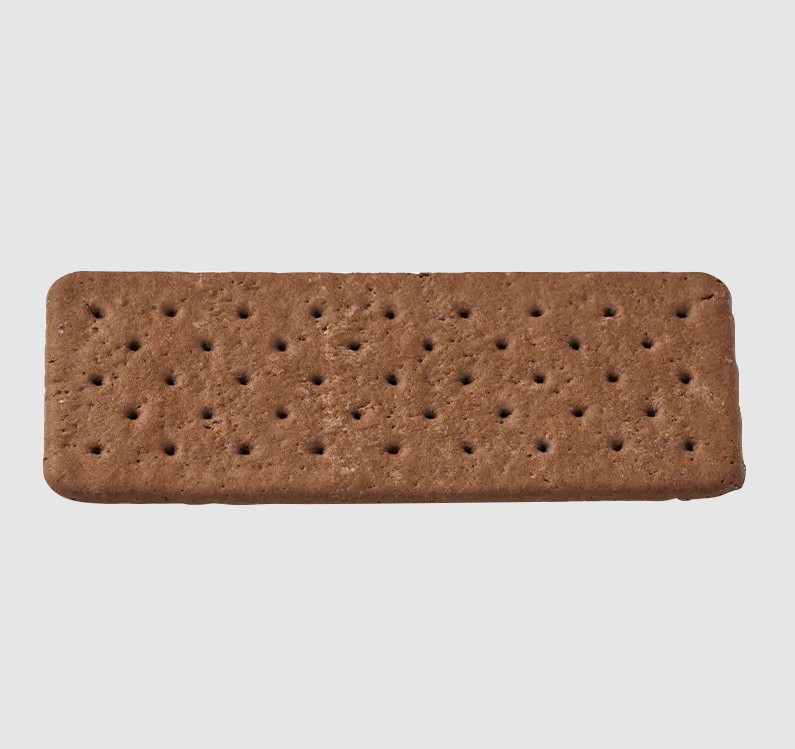
Every stage of the production process must be adapted for frozen applications, forming a complete technical loop from dough preparation to final assembly:
Continuous mixing systems ensure uniform fat dispersion, with dough temperature strictly controlled at 18-22°C to prevent premature fat melting. Wafer-type sandwich biscuits use sheeting lines, while molded cookie types use rotary moulders. Thickness tolerance must be within ±0.2mm to ensure precision in automated sandwich assembly. For chocolate dough, cocoa powder absorbs fat and reduces elasticity, requiring reduced gluten development or addition of small amounts of lecithin to improve extensibility.
Low-temperature baking at 150-170°C (compared to 180-210°C for regular biscuits) prevents excessive surface hardening while retaining slightly higher terminal moisture to support frozen softness. Baking time must be precisely adjusted so biscuits emerge with slight flexibility rather than full crispness. After baking, rapid cooling tunnels bring biscuits to near-ambient temperature before coating or assembly, preventing condensation and abnormal moisture absorption.
Spraying or enrobing the biscuit surface that contacts ice cream with a freeze-stable compound chocolate or cocoa butter barrier is critical to preventing sogginess over a 12-18 month shelf life. Unprotected sandwich products show texture degradation within weeks. Modern barrier technology has evolved from single fat layers to multi-layer composite systems: a high-melting-point fat base (melting point >35°C) provides structural support, while a low-melting-point fat surface (melting point <35°C) disperses micronized high-melting-point fat particles to control crystallization stability. Acetylated monoglycerides (2-10% addition) serve as excellent plasticizers, maintaining coating flexibility at low temperatures and preventing cracking.
Modern production lines feature high-efficiency biscuit dispensers with capacities reaching 3,000 to 15,000 units per hour. Ice cream, processed through continuous freezers, is deposited with precise metering onto the bottom biscuit layer, with the top biscuit applied under controlled pressure. Assembled products immediately enter hardening tunnels at -30°C to -35°C for rapid setting, followed by flow-wrapping for sealing. The entire process requires no manual intervention, maximizing contamination prevention and quality consistency.
| Parameter | Ice Cream Sandwich Biscuit | Regular Sandwich Biscuit |
|---|---|---|
| Storage Temperature | -18°C (Frozen) | 18-25°C (Ambient) |
| Target Texture | Soft, pliable, non-shattering | Crisp, crunchy, snappy |
| Fat Type | High unsaturated liquid oils | Partially hydrogenated or solid fats |
| Sugar Profile | High invert sugar/fructose ratio | Standard sucrose or glucose syrup |
| Water Activity (Aw) | 0.3-0.45 (moisture migration control) | Low Aw (ambient shelf stability) |
| Terminal Moisture Content | 3%-5% | 1%-2% |
| Typical Thickness | 4-8mm | 6-12mm |
| Baking Temperature | 150-170°C | 180-210°C |
The global ice cream market reached approximately USD 97 billion in 2023, with sandwich formats among the fastest-growing segments. Leading brands are partnering with chocolate or bakery heritage brands for co-branded products, elevating sandwich biscuits from commodity ingredients to brand assets. Such co-branded products command retail premiums of 40-80%. This trend forces suppliers to build traceable flavor profiles and clean-label ingredient systems. Consumers willingly pay significant premiums for "single-origin cocoa" or "Belgian dark chocolate bases," driving bakery suppliers to shift from commodity models to customized solutions.
Tea beverage chains in East and Southeast Asia have introduced ice cream sandwich biscuits as seasonal limited-edition SKUs. These channels demand suppliers with small minimum order quantities and rapid 4-8 week new product development cycles, supporting unconventional flavors like matcha, taro, and black sesame. Flexibility has become a core competency for bakery factories. Additionally, convenience store channels' demand for portability and ready-to-eat formats has driven innovation in mini-sized and individually wrapped sandwich products.
Reduced-sugar, high-protein, and gluten-free variants are gaining shelf space. High-protein formulations typically substitute 5-10% of flour with whey or pea protein, but this increases frozen hardness, requiring rebalancing of the fat-sugar-starch system. Gluten-free versions rely on rice flour or oat flour blends, posing higher demands on binding and freeze-thaw stability. Sugar alcohol sweeteners like maltitol perform well in reduced-sugar lines due to their hygroscopicity and lower freezing point depression coefficient, though excessive consumption may cause digestive discomfort.
The greatest technical challenge for ice cream sandwich biscuits is moisture migration. Ice cream contains significant free water that migrates toward the lower-Aw biscuit layer during storage, causing biscuit sogginess and ice cream dehydration. Research shows that under -20°C storage, unprotected sugar cookie sandwiches exhibit visible ice crystal penetration within 7 days, with porosity dropping from 95% to 87%.
Lipid-based barriers are preferred due to their hydrophobicity. Waxes (carnauba, beeswax) offer extremely low water vapor permeability but are brittle; triglycerides (fractionated hydrogenated vegetable oils) provide better flexibility but slightly inferior moisture resistance. The optimal solution is a composite barrier: a soft fat layer (5-20% solid fat content at 20°C) fills pores and evens the surface, covered by a high-melting-point fat layer for moisture resistance. This dual-layer structure extends product acceptability from days to over 30 days.
Adding inert fillers to fat coatings (starch, microcrystalline cellulose, or food-grade silicates at 10-25%) significantly improves coating performance. Organic fillers (starches) primarily enhance mechanical properties and coating processability; inorganic fillers (silicates) substantially boost moisture resistance, keeping crispy cereals crunchy for over four weeks in refrigerated non-frozen environments. Filler particle size must be controlled to avoid affecting mouthfeel smoothness.
For ice cream manufacturers, evaluating sandwich biscuit suppliers requires assessment of the following qualifications and capabilities:
Unassembled chocolate sandwich biscuit bases typically have a shelf life of 6-12 months at ambient temperature (15-20°C, humidity-controlled). Finished products assembled with ice cream and stored at -18°C can achieve 12-18 months shelf life, contingent on moisture migration control and packaging integrity. Packaging must use high-barrier materials to prevent moisture exchange and flavor oxidation during frozen storage.
Artificial intelligence is gradually entering the biscuit industry, from automated formulation development to roller design optimization, balancing innovation efficiency with traditional process expertise. In sustainability, plant-based oils and clean-label emulsifiers replacing traditional hydrogenated fats have become mainstream directions for formulation upgrades. Furthermore, advances in edible coating technology enable thinner, more efficient barrier layers that extend shelf life and reduce fat addition without compromising taste. Looking ahead, suppliers capable of rapid market trend response, digital R&D capabilities, and sustainable ingredient systems will dominate this high-growth ice cream sandwich biscuit segment.
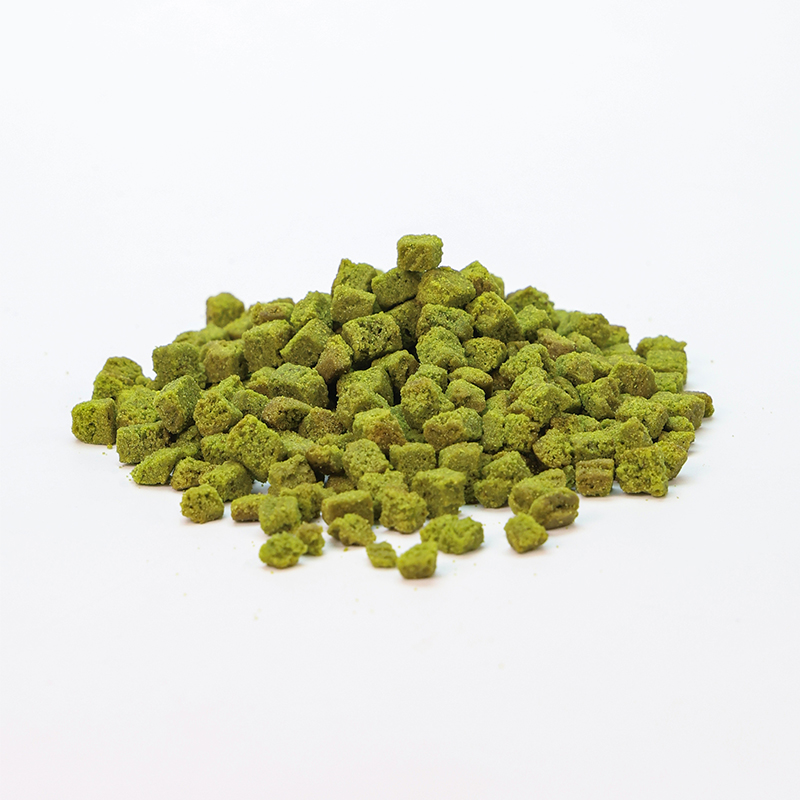
This soft matcha cookie crumb has a springy, chewy texture, and both its color and flavor come from real matcha. It adds a distinctive, recognizable touch to matcha desserts and ice cream.
See Details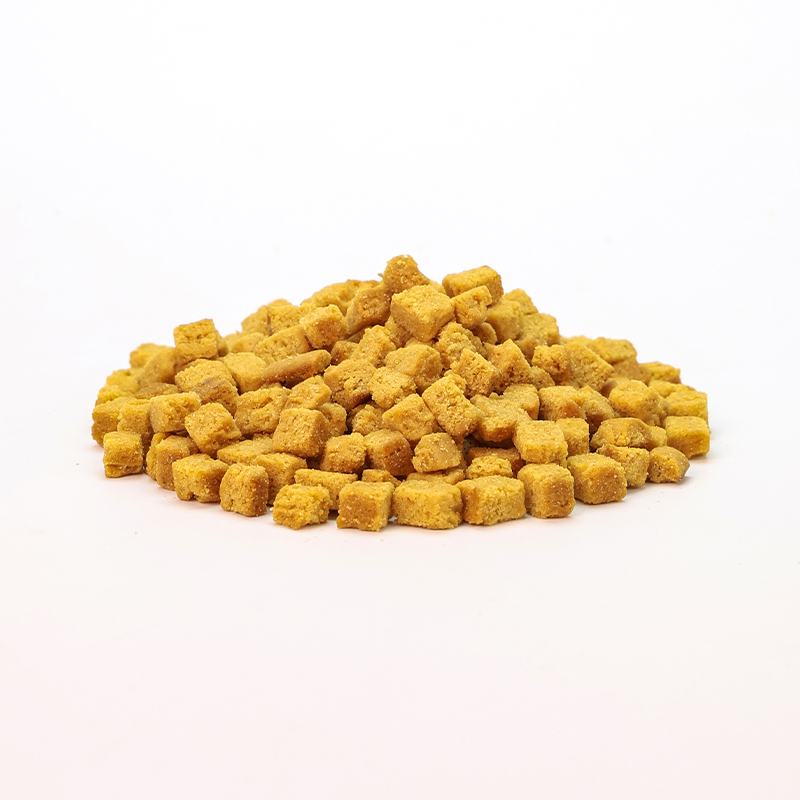
This soft butter cookie crumb has a springy, chewy texture and a rich natural butter aroma. It gives ice cream a cake-like richness and can also be used as a base layer for cheesecake.
See Details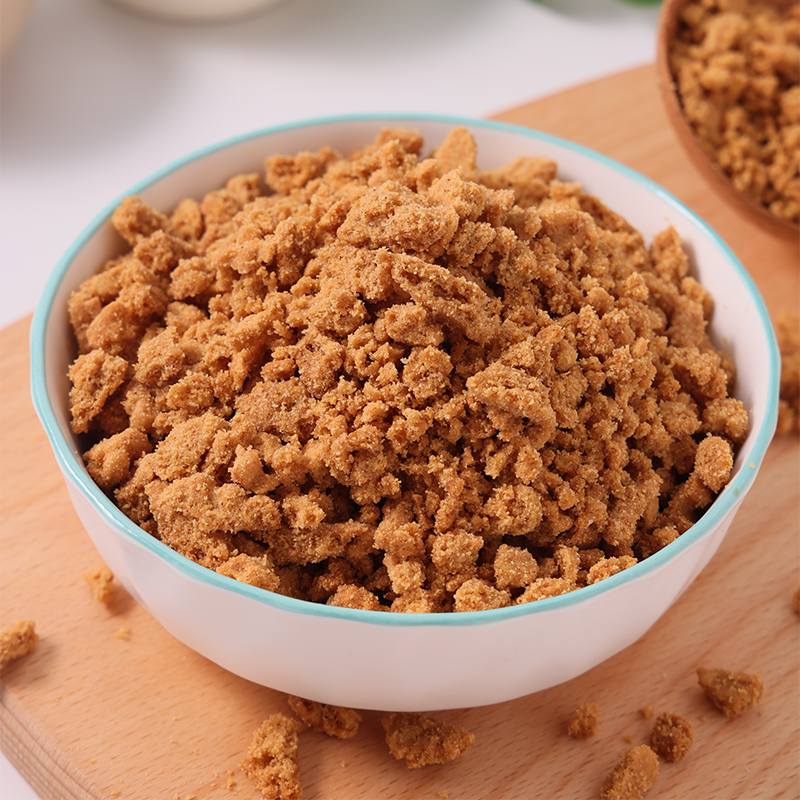
Baked using traditional European methods, this product boasts a natural amber color. Its core appeal lies in the perfect blend of rich caramel sweetness and spicy cinnamon aroma, with a distinct granular texture. It's a ...
See Details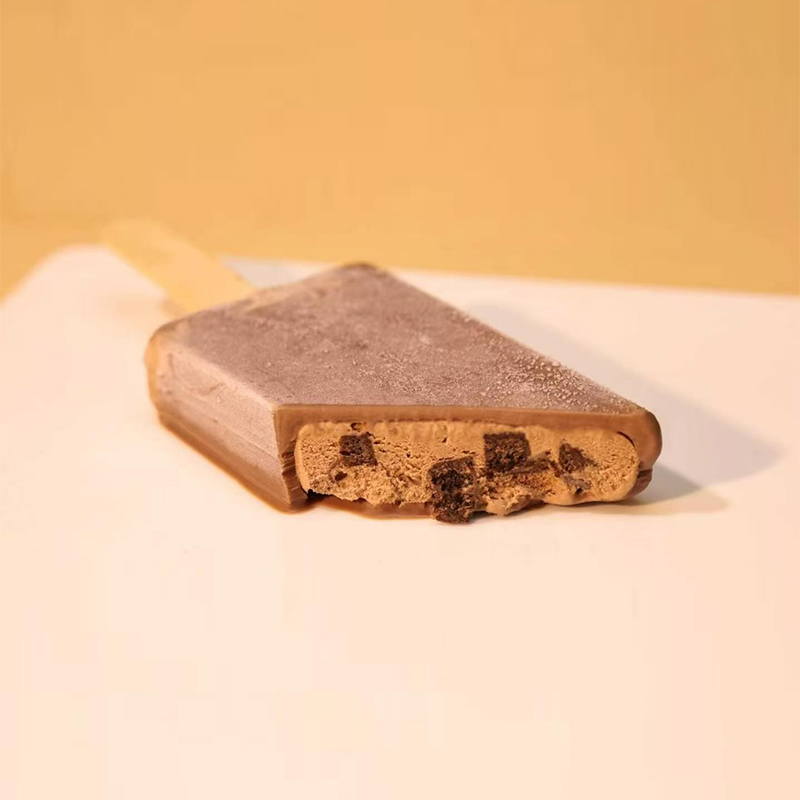
This soft cocoa cookie crumb has a rich, mellow, chewy texture and is an ideal partner for chocolate and vanilla ice cream. It keeps its soft bite even after being mixed into ice cream.
See Details
Quick Links
Product Category
Code Preview