2026.04.10
 Industry News
Content
To choose the right butter feuilletine, prioritize flake texture, butter content (minimum 30%), and sugar type. For most pastries, select a product with ≥32% butterfat and thin, even flakes (0.5–1.5 mm). Avoid feuilletine with added preservatives or clumping agents if you need a delicate crunch. For chocolate bars or entremets, choose feuilletine labeled “extra crispy” or “praliné compatible”.
Pro chefs recommend: 85% of patissiers prefer unsalted butter feuilletine for better control over flavor balance. Always check the production date – freshness within 6 months guarantees optimal crispiness.
Butter feuilletine is not a one-size-fits-all ingredient. The following parameters directly affect performance in recipes:
Higher butter content (32–38%) yields richer flavor and better caramelization. Products below 28% butterfat often use palm oil or fillers, resulting in soggy texture within hours. For example, Valrhona’s Gavottes contain 34% butter, while budget brands average 24%.
Feuilletine flakes range from 0.3 mm (powder-like) to 2 mm (chunky). Use 0.5–1 mm for mousse cakes and 1.5–2 mm for ice cream coatings. Over 70% of professional recipes fail when using mismatched flake size – too fine disappears into cream, too coarse breaks chocolate shells.
Standard feuilletine uses cane sugar (12–15%). For diabetic or keto applications, look for erythritol-based feuilletine (less than 2g net carbs per serving). Classic butter feuilletine has caramelized notes due to Maillard reaction – avoid if you need neutral sweetness.
| Grade | Butter % | Flake size | Best for |
|---|---|---|---|
| Standard | 28-30% | 1.2 mm | Praline paste, ice cream |
| Premium | 34-38% | 0.8 mm | Entremets, chocolate bars |
| Organic | 32% | 1.0 mm | High-end patisserie |
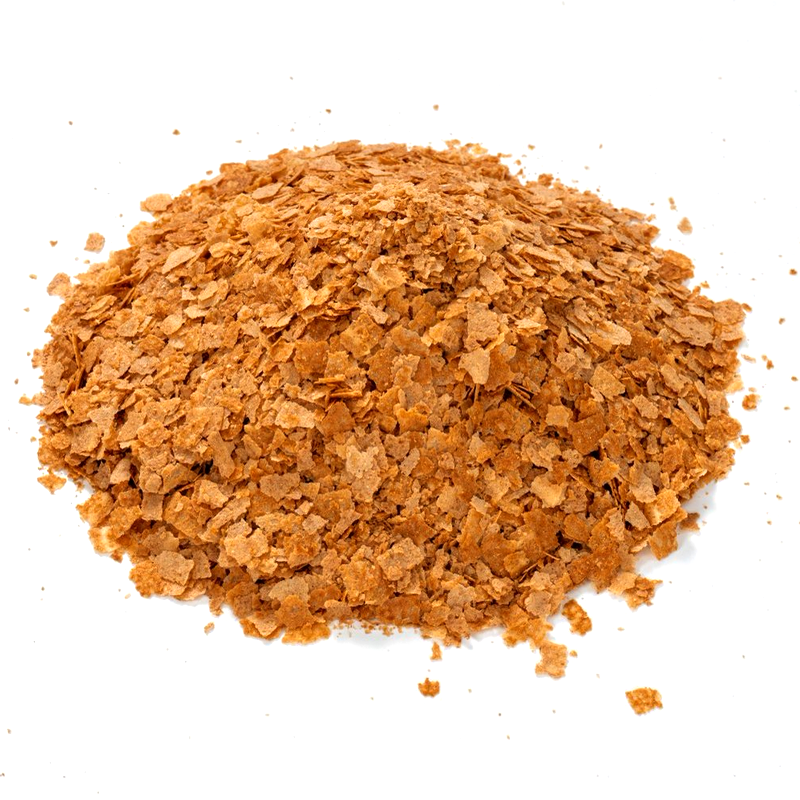
Butter feuilletine is a crispy, caramelized crepe flake made from wheat flour, sugar, butter, and salt. It is baked into thin sheets then broken into irregular flakes. Unlike puff pastry scraps, feuilletine is intentionally produced for a light, airy crunch that doesn’t become chewy.
In an airtight container at 18–20°C: 2 weeks. If exposed to humidity, crispiness drops by 50% within 24 hours. Professional bakers store it with silica gel packs or vacuum seal portions. Never refrigerate – moisture from condensation ruins texture within 6 hours.
Yes, but results vary. Homemade versions typically contain 20–25% butter vs 32%+ commercial. To replicate, spread thin crêpe batter on a Silpat, bake at 180°C for 8 min, then break while warm. However, 80% of home attempts yield uneven browning or soft centers. For consistent results, buy from brands like DGF, Cacao Barry, or Valrhona.
Praliné feuilletine contains ground hazelnuts or almonds (20–30%) mixed with feuilletine flakes. Butter feuilletine is nut-free. For nut allergy environments, always choose pure butter feuilletine. Praliné version adds +40 calories per 10g serving and reduces crunch longevity by about 30% due to oil migration from nuts.
Apply a fat barrier – brush melted cocoa butter (32–35°C) onto the feuilletine layer before adding mousse. Alternatively, mix feuilletine with 15% melted white chocolate (by weight), spread thin, then freeze. This creates a moisture-proof shell. Data shows: untreated feuilletine loses 90% crunch in 4 hours when in contact with mousse; treated retains 85% crunch for 48 hours.
Even the best butter feuilletine will fail without correct storage. Follow these data-backed guidelines:
Restaurants that track waste report: proper storage reduces feuilletine spoilage by 62% compared to leaving in original packaging.
Butter feuilletine pricing varies from $12/kg to $45/kg. Here’s what you get at each tier:
For home bakers making <5 kg per year, the sweet spot is premium tier. A cost test shows: using economy feuilletine leads to 30% recipe failure rate due to sogginess, wasting more money than the price difference.
Successful use case: A Parisian patisserie replaced standard feuilletine (28% butter) with premium 34% butter feuilletine in their chocolate entremets. Result: customer satisfaction score rose from 82% to 96%, mainly due to “crisp contrast” lasting 24 hours longer.
Failed use case: Adding 0.5 mm fine feuilletine directly into a whipped ganache without a fat barrier. Within 3 hours, flakes absorbed moisture and turned into a paste. Texture failure rate: 100%. The fix: pre-coat the same flakes in 20% tempered cocoa butter, then fold in – crispiness maintained for 3 days.
Measure your application: For high-moisture environments (mousse, curd, cream), always select larger flakes (1.5 mm+) and pre-treat. For low-moisture (chocolate shells, dry cookies), standard fine flakes work perfectly.
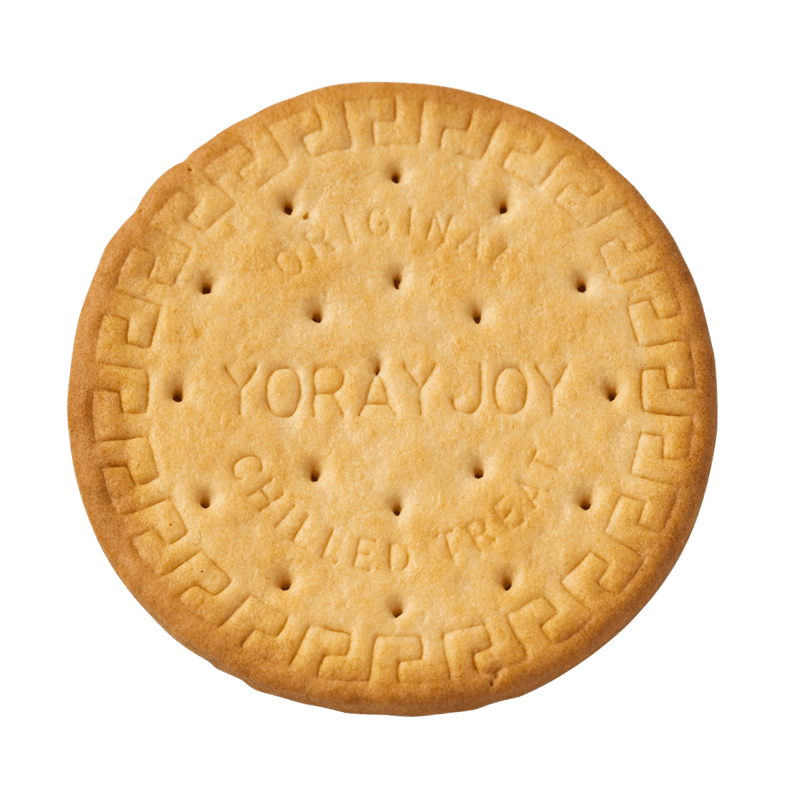
These Round Butter Hard Biscuits combine classic flavor with versatile textures, making them the ideal base for ice cream sandwiches.
See Details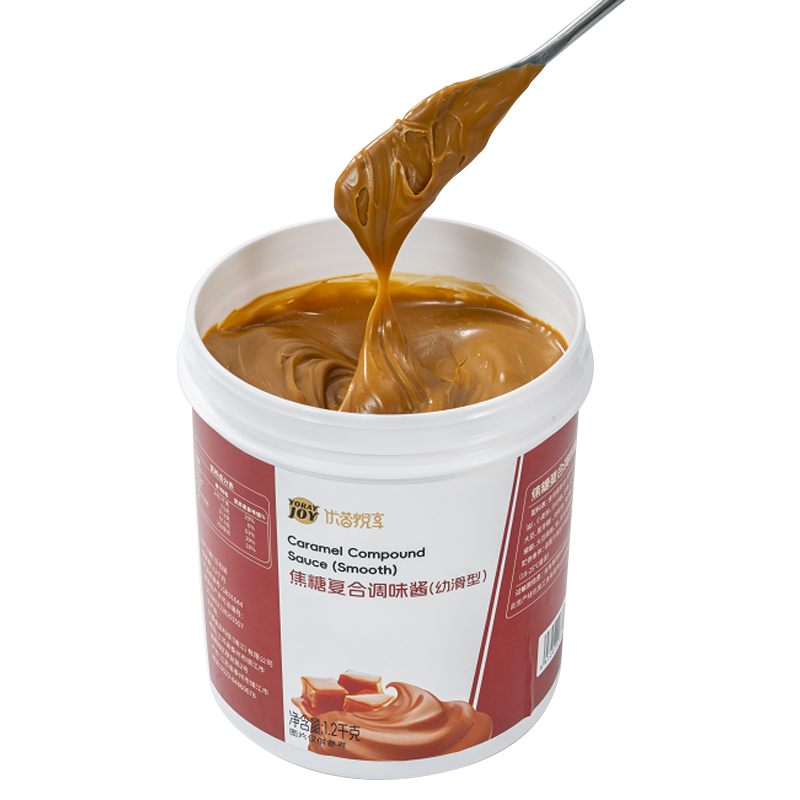
Inspired by classic European craftsmanship, this product perfectly blends the deep sweetness of caramel with the warm aromas of cinnamon and cloves, transforming them into a silky-smooth liquid form. Adhering to a natura...
See Details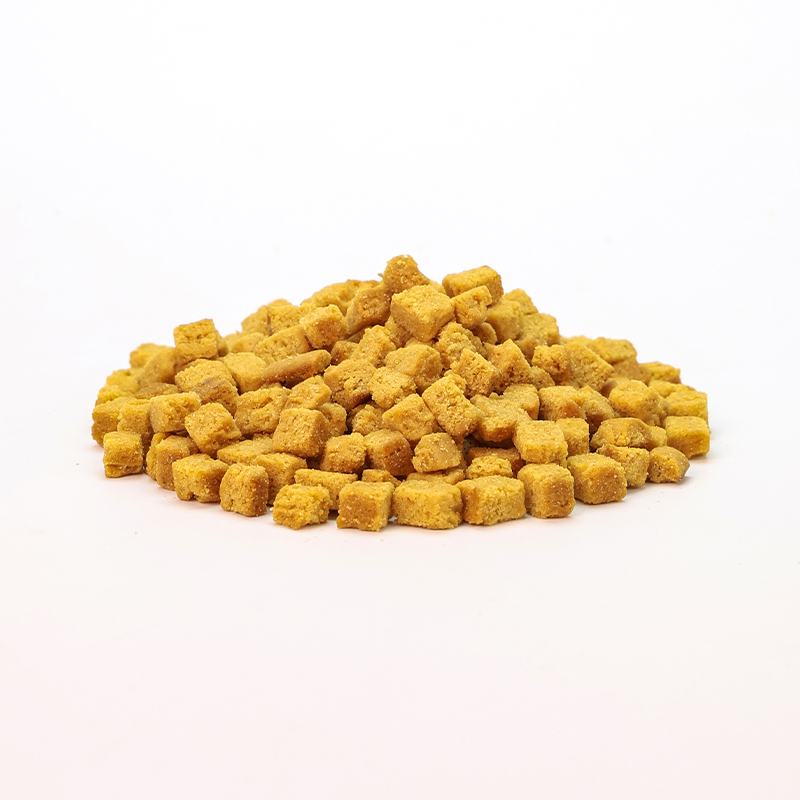
This soft butter cookie crumb has a springy, chewy texture and a rich natural butter aroma. It gives ice cream a cake-like richness and can also be used as a base layer for cheesecake.
See Details
Quick Links
Product Category
Code Preview

 English
 中文简体
中文简体