2026.08.21
 Industry News
Content
You just opened a box of feuilletine, and the golden flakes are perfectly crisp. But if the bag is left open overnight, that pleasant snap turns into a flat, chewy disappointment. This is not a rare accident; it is the predictable behavior of an engineered wafer with an enormous surface area. The good news? Proper storage is straightforward once you understand the moisture, temperature, and packaging rules that keep feuilletine stable.
Here is the short version before the details: keep feuilletine in an airtight container at 15–20°C, keep relative humidity below 50%, protect it from light and odors, and never refrigerate an opened bag without a sealed moisture barrier. Follow these conditions, and commercial feuilletine stays crisp for months; ignore them, and it can soften within hours.
Feuilletine is essentially a thin, caramelized wafer that has been shattered into delicate flakes. The same geometry that creates its airy crunch also exposes a huge amount of surface area to the surrounding air. Water vapor in the atmosphere is absorbed quickly by the sugars and starches in the toasted crumbs, making them less brittle.
At room temperature with 70% humidity, an uncovered tray of feuilletine can lose its crispness in under two hours. At 40% humidity, the same tray might remain crunchy for a full workday. That sensitivity is why professional bakers treat it like a dehydrated product: the goal of storage is to keep water out. For a deeper look at what makes these flakes desirable, read about the purpose of feuilletine in modern pastry.
Crispness retention drops as relative humidity rises. Values are illustrative for a closed container that is opened once daily.
Moisture is not the only enemy. Oxygen accelerates oxidation of the butter and caramelized sugars, causing stale flavors. Light and strong odors can also migrate into the flakes because their thin structure absorbs volatiles easily. That is why storage is about more than just putting a clip on the bag.
The easiest way to store large quantities is to keep the product in its original sealed liner until use. There are four conditions that matter:
If you store feuilletine in a container that is opened multiple times a day, such as on a pastry station, portion it: keep a small working jar for daily use and a larger sealed reservoir for the rest. This limits moisture exposure each time the main container is opened.
Different settings call for different storage methods. The table below summarizes the practical options for a commercial kitchen or production facility.
| Method | Expected Shelf Life | Best For | Main Risk |
|---|---|---|---|
| Airtight container at 15–20°C | 4–6 weeks after opening; months if unopened | Daily pastry work, small to medium batches | Frequent opening lets in humid air |
| Original sealed pouch/carton | Up to 6–9 months from production | Bulk storage before first use | Damaged packaging |
| Freezer at -18°C | Up to 12 months | Long-term reserves | Condensation during thawing |
| Open container at room temp | 1–3 days | Only for immediate use | Quick moisture absorption and staleness |
| Refrigerator (4°C) | 1–2 weeks if sealed; shorter if not | Not recommended for most | Condensation on cold flakes when removed |
Notice that refrigeration is rarely the answer. If you must keep feuilletine cool, freeze it instead and open the container only after it has reached room temperature. This avoids condensation, which instantly wets the flakes.
For bakeries and food factories, storage begins at the receiving dock. Check the outer carton for damage, note the production date, and apply the first-in, first-out (FIFO) rule. Do not store feuilletine near coffee, spices, cleaning products, or anything with a strong aroma, because the flakes will absorb those odors.
The right product also makes storage easier. A high-quality butter feuilletine made with consistent moisture control will hold its snap longer in a sealed container than a poorly processed wafer. When you reorder, request the moisture specification and the recommended shelf life from your supplier.
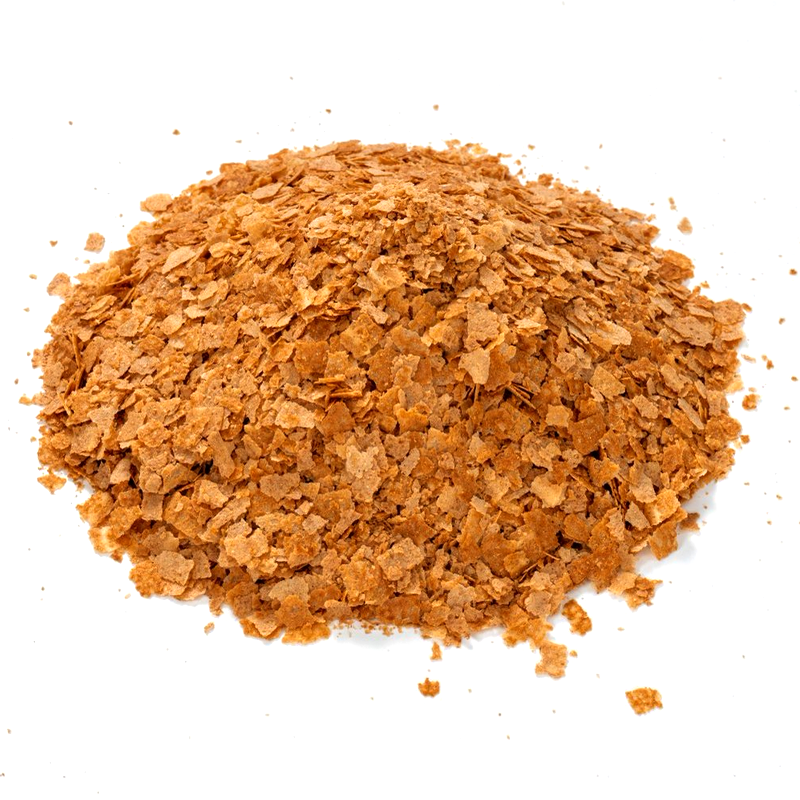
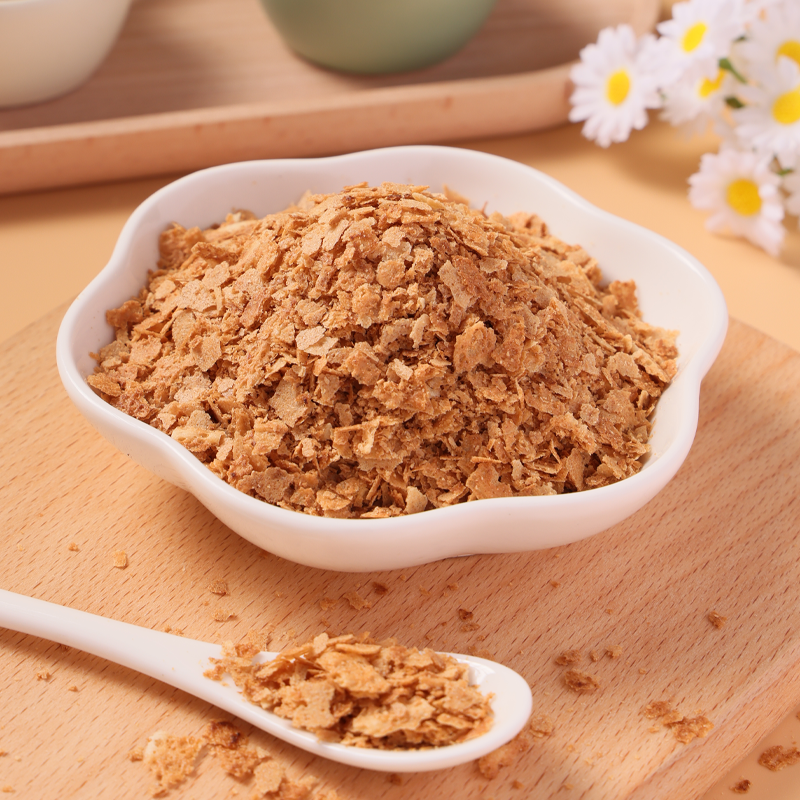 Butter Feuilletine Manufacturer, Butter Feuilletine CompanyAs China butter feuilletine manufacturer and butter feuilletine company, YOULEI FOOD TECHNOLOGY CO.,LTD. specialize in wholesale butter f...View Product →
If your recipes call for a chocolate-flavored crunch, the cocoa feuilletine performs the same way in storage, provided the same sealing and temperature rules are followed. For complete options, see the feuilletine product range.
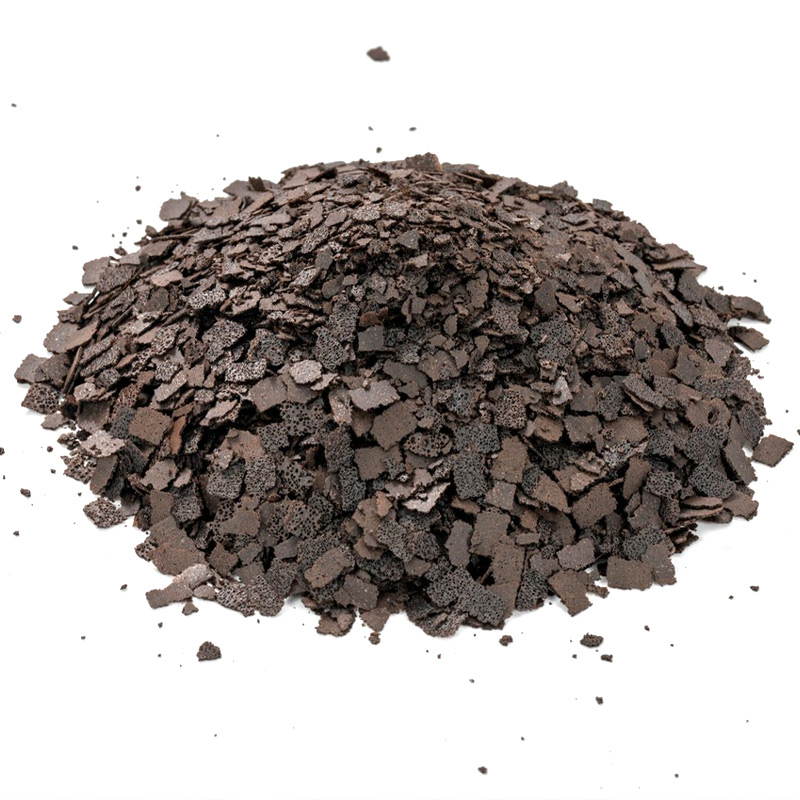
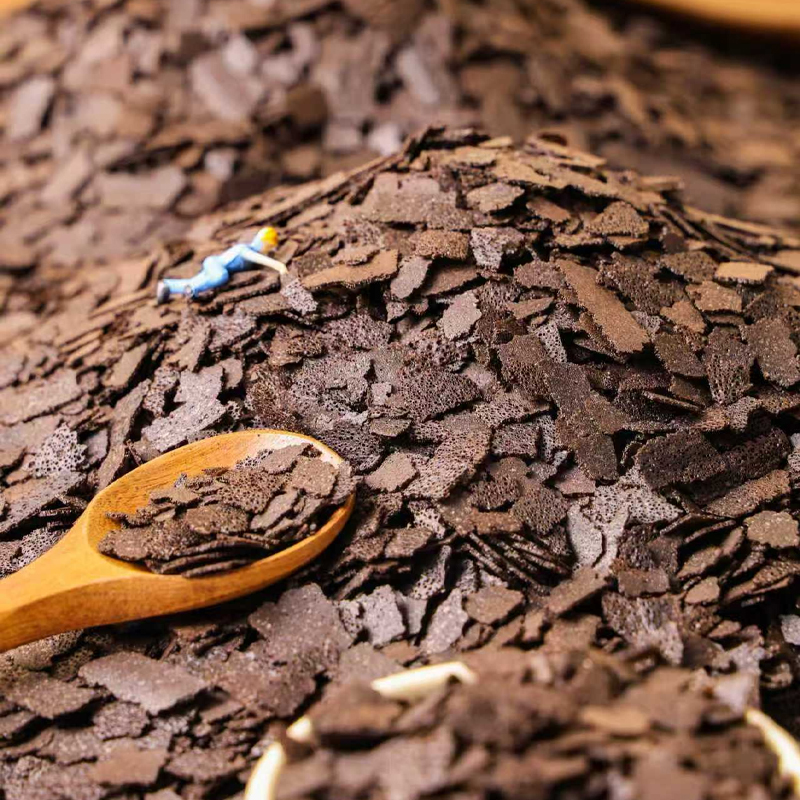 Cocoa Feuilletine Supplier, Chocolate Feuilletine FactoryAs China cocoa feuilletine supplier and chocolate feuilletine factory, YOULEI FOOD TECHNOLOGY CO.,LTD. specialize in wholesale cocoa feui...View Product →
Feuilletine does not spoil the way dairy does, but it can go stale or rancid. The first sign is a loss of crunch; flakes bend instead of snapping. Then the smell turns cardboard-like or slightly rancid, especially in butter-rich products. If you notice damp clumps, gray patches, or an off odor, discard the batch.
To test a stored batch, place a tablespoon in a bowl and press it with the back of a spoon. Fresh feuilletine fractures sharply and gives a crackling sound. Soft flakes are not dangerous, but they will ruin the texture of your final product.
It is not recommended. The moisture in a refrigerator condenses on the cold flakes when removed, and the cool air often carries food odors. If you need longer storage, freeze it in a sealed, moisture-proof container instead.
Unopened, a well-packaged commercial feuilletine can last 6 to 9 months from the production date. Once opened, keep it sealed; it typically stays crisp for 4 to 6 weeks at 15–20°C.
Yes. Freeze it in an airtight freezer bag or container. Let it thaw to room temperature inside the sealed container before opening to prevent condensation.
A rigid, airtight container made of glass, metal, or food-grade plastic with a tight gasket. Add a food-safe silica gel desiccant in humid climates. Avoid flimsy bags that can be punctured.
Storing feuilletine properly is not complicated, but it requires deliberate handling. Keep it sealed, keep it dry, keep it cool, and keep it away from odors. Whether you manage a small patisserie or an industrial production line, the same principle applies: the less moisture you let in, the longer the crackle stays.

Quick Links
Product Category
Code Preview

 English
 中文简体
中文简体