 English
 中文简体

What the Fat Number on a Biscuit Spread Label Really Tells You A product developer opens a spec sheet for a cookie butter and sees 35 to 38 g of fat per 100 g....
READ MORE
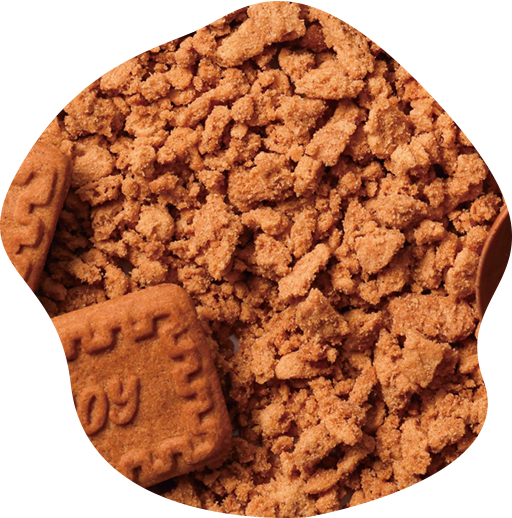
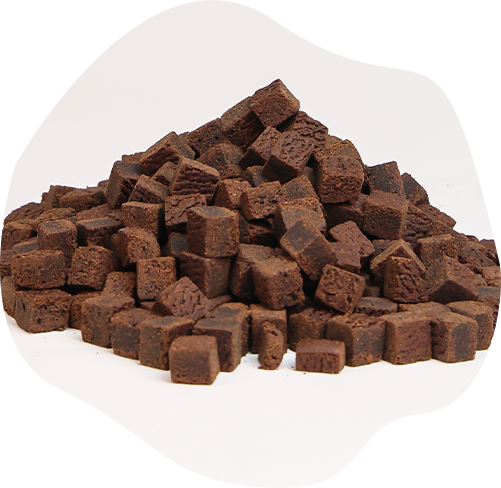
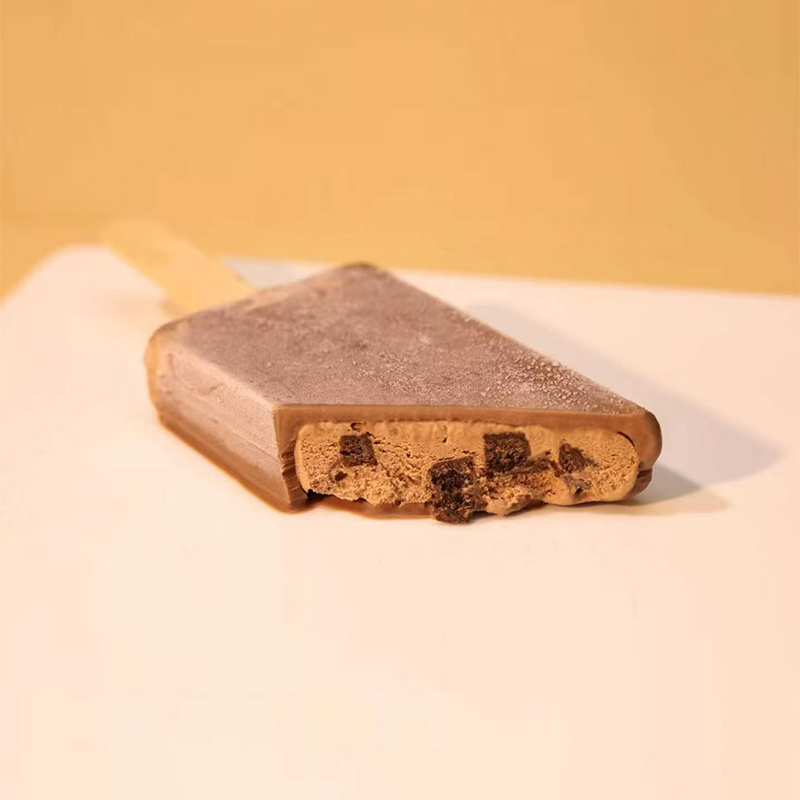
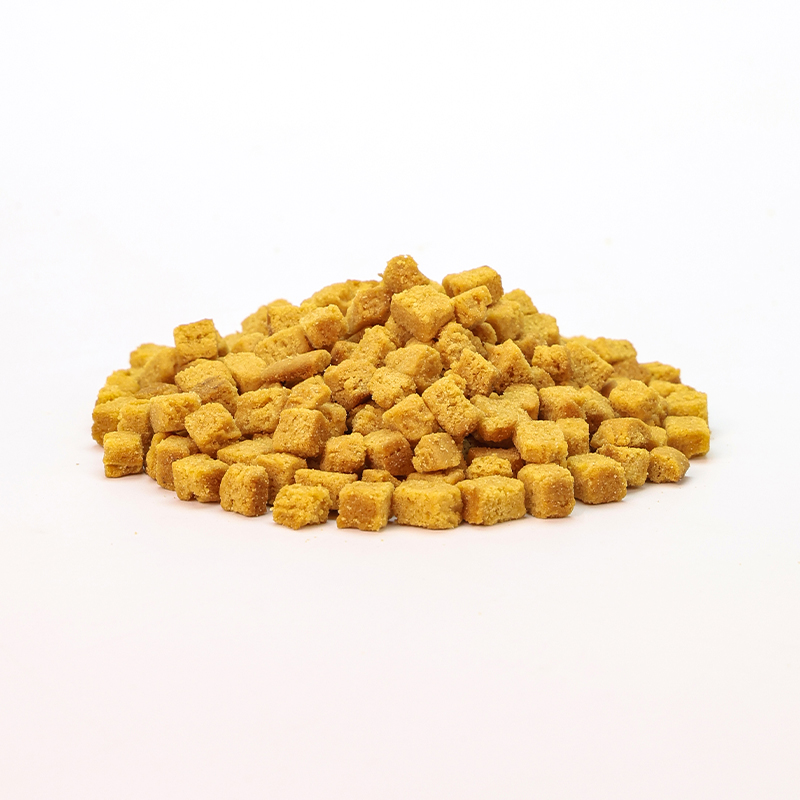
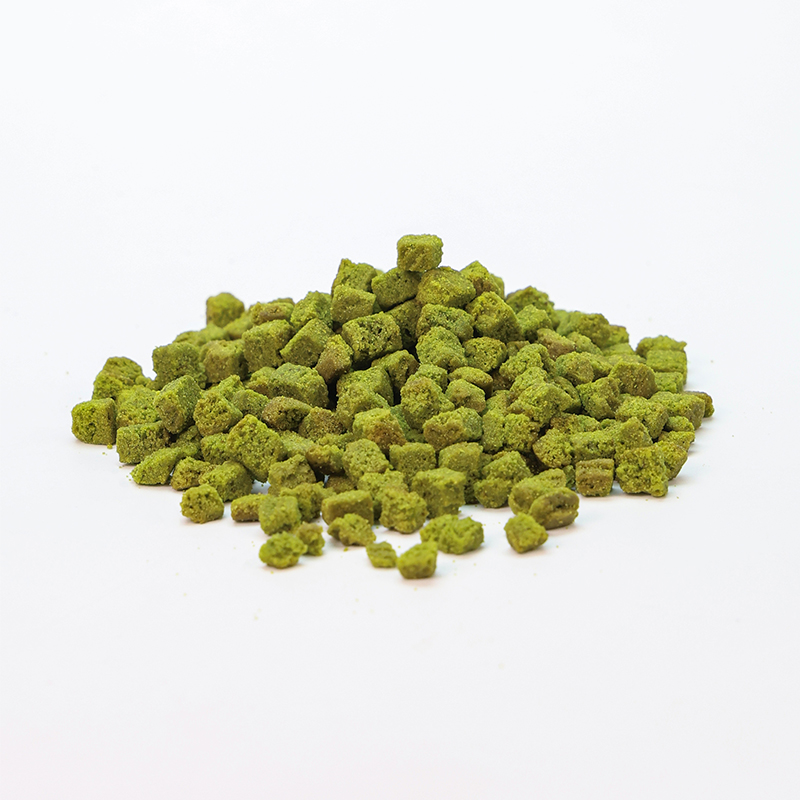
Unlike traditional biscuit crumbs that soften and fall apart when wet, this series has a moisture content of 9% and a naturally soft, chewy texture. The recipes are clean, contain no colorants, and use real ingredients. They keep a stable moisture balance when combined with ice cream or bakery bases, so the springy texture lasts. They suit ice cream systems and add layers of flavor and texture, and can also serve as a base for cheesecakes and mousse cakes, where the softer texture makes them easy to scoop.

Annual production of biscuits

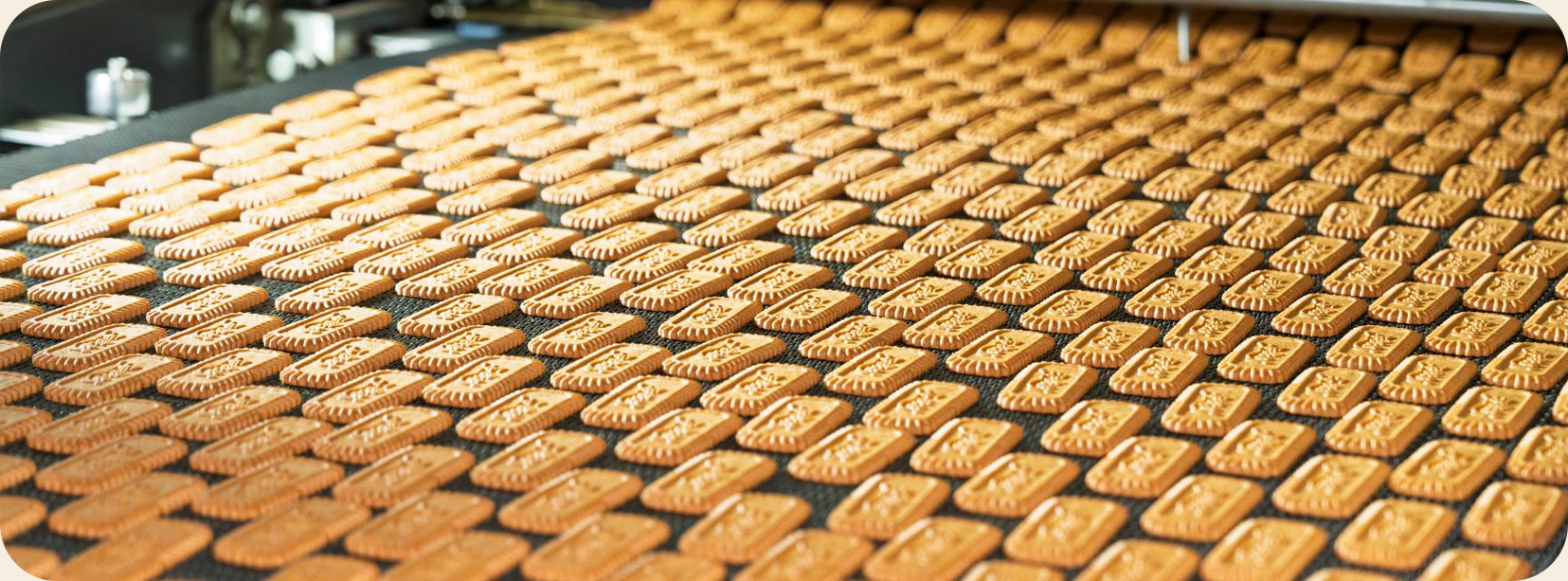
Cookie production line

Export countries
What the Fat Number on a Biscuit Spread Label Really Tells You A product developer opens a spec sheet for a cookie butter and sees 35 to 38 g of fat per 100 g....
READ MOREYour mousse cake is set, the glaze is perfectly smooth, and then the first slice collapses into a wet, grainy mess where the crunch layer used to be. That sing...
READ MORETwo quotations for the same 500 kg of filling land on a product developer's desk. One is headed "caramel biscuit spread", the other "speculoos cookie butter". ...
READ MOREIf a cheesecake base tastes dull and slightly cardboard-like, or the crumb layer inside a frozen dessert goes soft three weeks into the cold chain, the recipe ...
READ MOREFilling failures rarely show up on the line. They show up two or three weeks later, when the cookie shell has gone soft, the filling has crept toward the seam,...
READ MORE
Quick Links
Product Category
Code Preview
