 English
 中文简体
These Round Cocoa Hard Biscuits are specially designed for high-end frozen desserts and creative snacks, combining a crisp texture with excellent cold-chain transformation properties.
See Details

 2026.10.16
 Industry News
Content
A product developer opens a spec sheet for a cookie butter and sees 35 to 38 g of fat per 100 g. The first question is almost always whether that figure can be halved without losing the spread's body. It cannot, at least not without changing what the product is. In biscuit spread, fat is not filler - it is the continuous phase that carries the milled biscuit solids, the sugar and the flavour, and it is the reason the paste spreads at all.
Most commercial spreads, whether speculoos style or cocoa style, sit in a fairly narrow band of roughly 30 to 40 g of fat per 100 g. Products below about 25 g per 100 g are usually reformulated rather than lightly trimmed: solids go up, oil comes down, and texture is rebuilt with fibre, cocoa powder or extra biscuit powder. If you are new to the category, this overview of what biscuit spread actually is is a useful primer before you write a specification.
What follows explains where the fat comes from, how the declared figure is controlled, what that fat does functionally, and what a food manufacturer should lock down when buying.
A biscuit spread is a two-phase system: fine biscuit particles, sugar and cocoa or spice solids suspended in a continuous oil phase. The fat on the label is the sum of three contributions, and developers who only look at the added oil usually miss a third of the number.
The practical consequence is that you cannot make a fat-free speculoos spread by leaving out the oil, because the biscuit substrate is already fatty. Lowering the declared figure means changing the oil-to-solids ratio, not deleting a single ingredient.
Fat is declared per 100 g on most labels outside the United States, which makes comparison between products easy but alarms anyone who eats a 15 g tablespoon. A spread at 36 g per 100 g delivers about 5.4 g of fat per serving - a useful consumer figure, but a poor formulation target.
Declared values are also controlled declarations rather than exact measurements. Under EU labelling guidance, a declared fat value is normally accepted within a tolerance band of roughly plus or minus 20 percent when checked by laboratory analysis. A spread labelled at 36 g per 100 g should therefore test between about 29 and 43 g. If a batch comes back at 47 g, the cause is usually the oil-to-solids ratio in production, not the analytical method.
| Spread style | Total fat (g/100 g) | Saturated fat (g/100 g) | Main fat source | Fat per 15 g serving |
|---|---|---|---|---|
| Speculoos / cookie butter | 34 - 38 | 8 - 10 | Palm oil plus biscuit fat | 5.1 - 5.7 g |
| Cocoa cookie spread | 30 - 36 | 9 - 13 | Palm oil plus cocoa butter | 4.5 - 5.4 g |
| Nut-based cocoa spread | 29 - 32 | 5 - 8 | Palm oil plus nut paste | 4.4 - 4.8 g |
| Reduced-fat spread, bulked with biscuit powder or fibre | 18 - 25 | 5 - 8 | Palm olein, reduced dosage | 2.7 - 3.8 g |
Two pieces of arithmetic are worth keeping in mind. Fat supplies 9 kcal per gram, so cutting 10 g of fat per 100 g removes roughly 90 kcal from every 100 g. And a reduced-fat claim in most markets requires at least a 30 percent reduction against a comparable reference product.
Fat is the continuous phase. Below roughly 25 percent the paste stops flowing: it turns short, crumbly and dry on the palate, and it will not spread at 5 °C after a night in a chilled store room. Above roughly 40 percent the product turns oily and can weep at warm ambient temperatures.
Palm-based blends are popular because their solid fat content (SFC) can be tuned. A blend measuring about 8 to 14 percent SFC at 20 °C usually gives a stable, spoonable paste. Too much liquid oil and the jar separates, or fat migrates into the wafer shell of a sandwich biscuit; too much solid fat and the paste feels waxy and melts slowly. SFC is measured by NMR or dilatometry and belongs in the purchase specification next to the fat percentage.
Cocoa, caramel and spice notes are largely fat-soluble, so cutting fat without adjusting flavour loading flattens the taste - which is why reduced-fat spreads often taste sweeter and thinner than the standard version.
A well-made speculoos-style cookie butter is a useful reference point for how that oil-to-solids balance looks in a finished product.
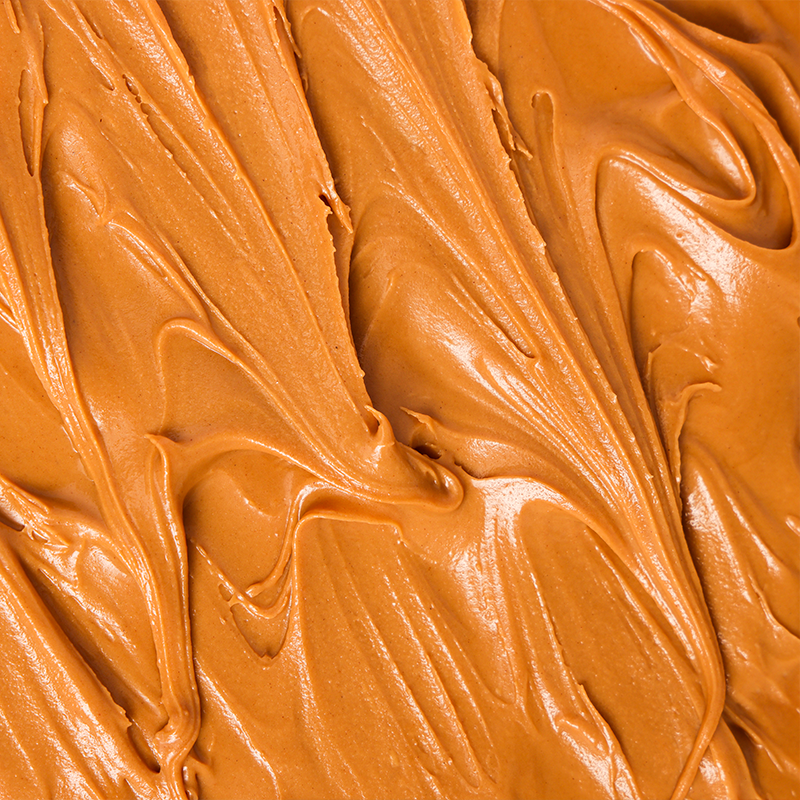 Wholesale Speculoos Cookie Butter Biscuit Spread for Industrial FillingVegetarian, dairy-free caramel biscuit spread with clean-label positioning and pumpable rheology for bakery fillings, frozen desserts, and beverage applications.View Product →
Two spreads can declare almost identical fat content and behave completely differently on a filling line. Speculoos-style spreads lean on caramelised biscuit solids and a high sugar load; the sugar and the fine particles help hold the oil, so the recipe tolerates a slightly lower oil dosage. Cocoa spreads carry cocoa powder, which is itself 10 to 12 percent fat and highly oil-absorbing, so formulators often need marginally more oil to reach the same spreading viscosity. Nut-based spreads trade part of the oil for nut paste, which lowers the saturated fat figure but adds an allergen and exposure to hazelnut markets.
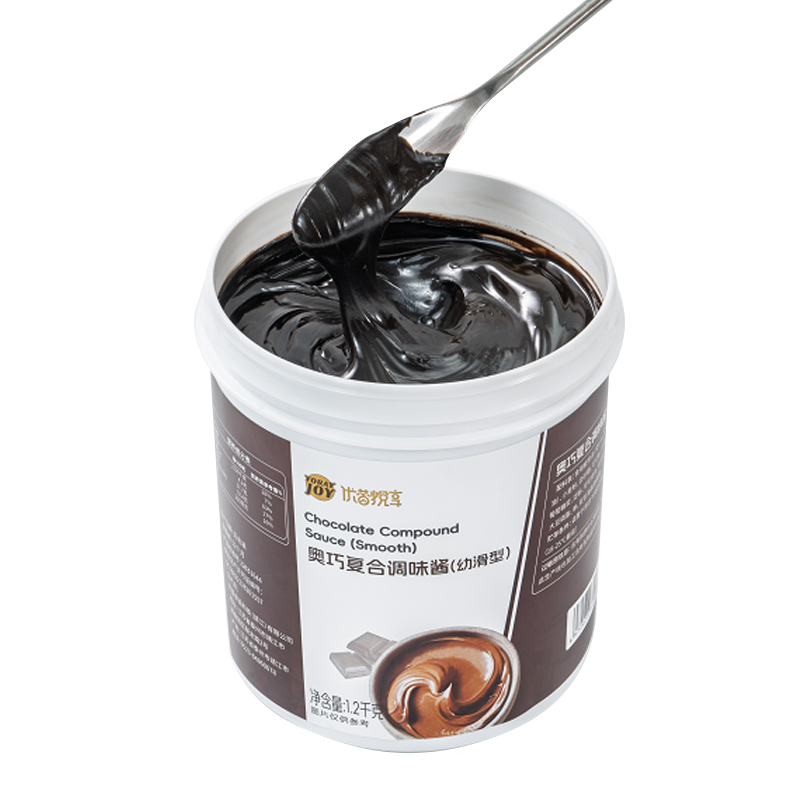 Cocoa Cookie Spread for Biscuit Fillings and Wafer CreamsCocoa-based industrial filling with cocoa powder, vegetable oils, and cookie crumbs; stable for sandwich biscuits, wafers, and frozen applications.View Product →
When comparing samples, ask for fat content by analysis, SFC at 20 °C and 30 °C, and a 30-day oil-separation result at 20 °C. Those three data points explain most of the difference between two spreads that carry the same declared fat figure.
Fat content alone is a weak specification. Two spreads at 36 g per 100 g can differ by 15 percent in hardness and by weeks in shelf life. A workable specification typically covers the following points.
If you are reformulating towards a lower fat figure, a practical route is to raise the solids content with a fine cocoa biscuit powder instead of simply removing oil. The powder rebuilds body and keeps the cocoa note intact while the oil dosage comes down.
It also helps to work with a supplier that runs its own laboratory and can test fat, moisture and SFC batch by batch rather than relying on certificates alone. A manufacturer with biscuit milling and spread capacity under one roof, such as a biscuit base supplier with in-house production and laboratory testing, can adjust the oil-to-solids ratio at the mill instead of reworking a finished paste.
Only partly. Fat supplies 9 kcal per gram, so a 10 g reduction per 100 g saves roughly 90 kcal per 100 g. Reduced-fat recipes usually add sugar, fibre or extra biscuit powder to rebuild texture, so the calorie saving is smaller than the fat reduction suggests.
Only with an adequate emulsifier system and tight water activity control. An unstabilised emulsion separates within days, and free water raises microbial risk in a product that is otherwise shelf-stable at ambient temperature.
Palm-based blends harden as storage temperature falls. A spread that flows easily at 25 °C can be noticeably firm at 12 °C. If the product is shipped or stored unheated, specify the SFC range accordingly or ask for a more liquid oil fraction.
Fat content in biscuit spread is a formulation decision inside a narrow workable window, not a number to be minimised. Read the declared figure together with the oil blend, the biscuit base beneath it and the SFC range, and the label stops looking like an obstacle and starts looking like a specification you can manage.
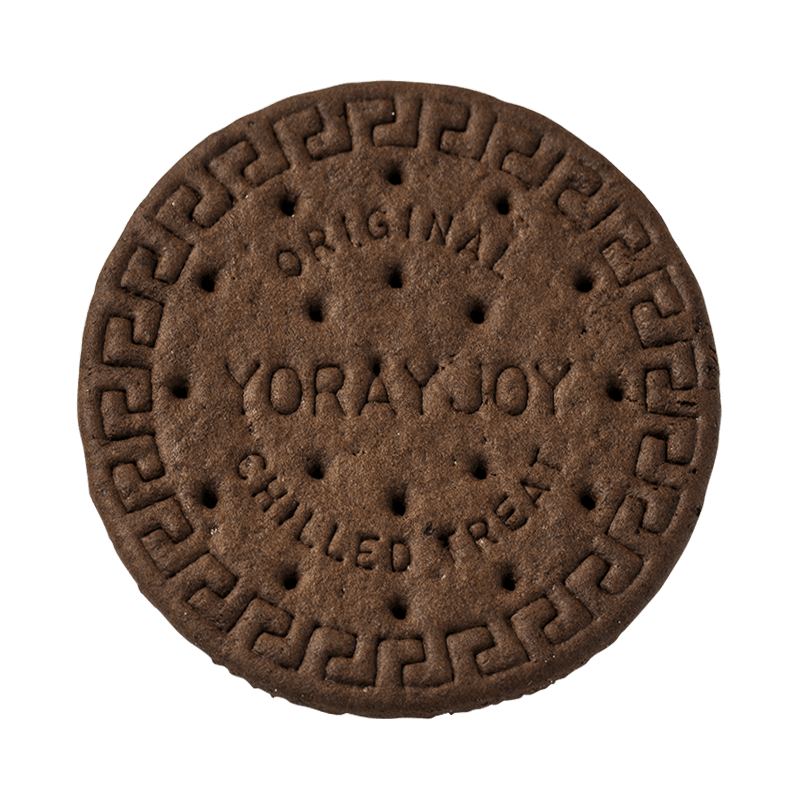
These Round Cocoa Hard Biscuits are specially designed for high-end frozen desserts and creative snacks, combining a crisp texture with excellent cold-chain transformation properties.
See Details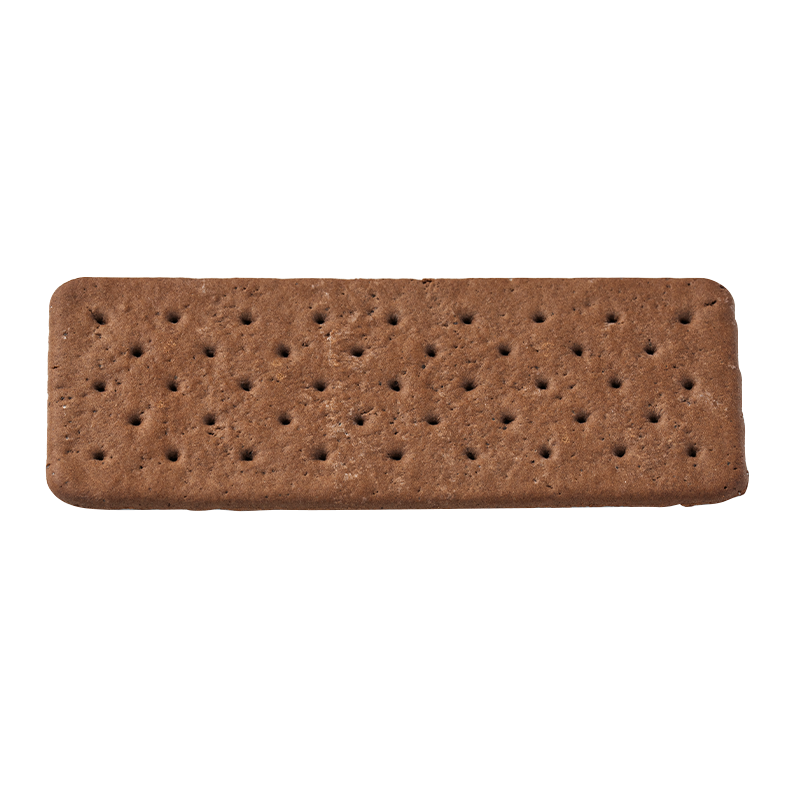
This rectangular cocoa hard biscuit is a classic baked semi-finished product, combining a crisp texture with excellent physical compatibility, making it an ideal base for frozen desserts and creative snacks.
See Details
These Round Butter Hard Biscuits combine classic flavor with versatile textures, making them the ideal base for ice cream sandwiches.
See Details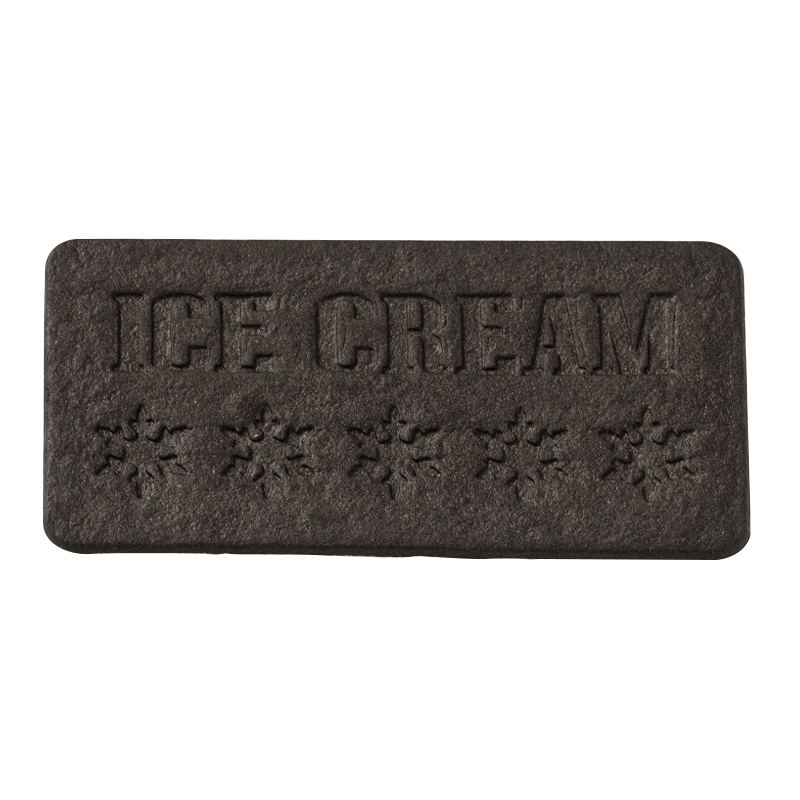
This rectangular cocoa crisp biscuit is the ideal shell for ice cream sandwiches. It continues the classic "Oreo" flavor profile and is optimized for cold chain environments.
See Details
This core component, specifically designed for premium ice cream, features a scientifically formulated high-fat and high-sugar ratio, providing both robust structural support and a melt-in-your-mouth crispness.
See Details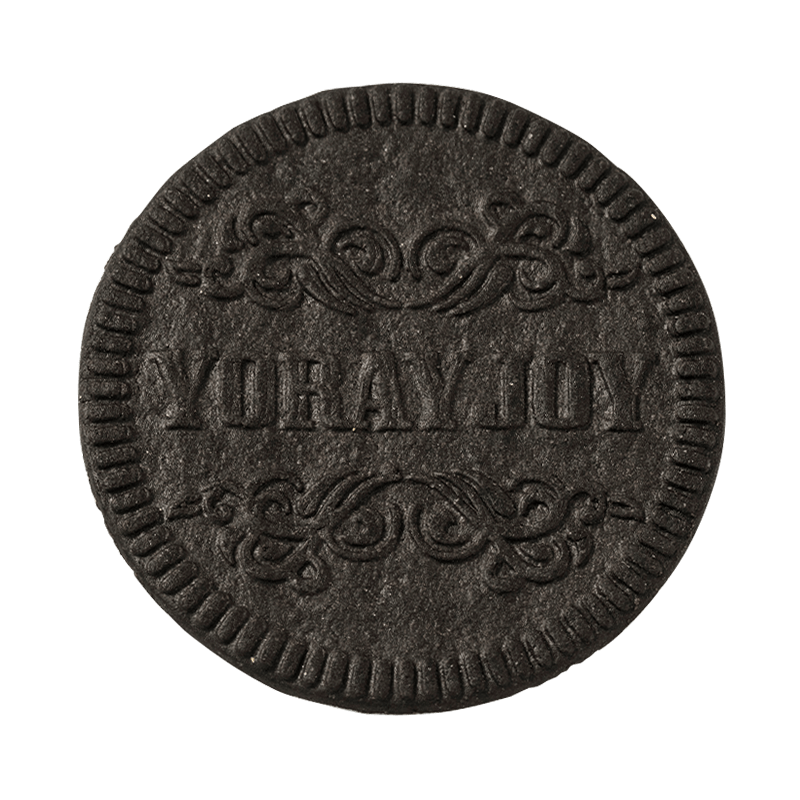
This product is a professional base ingredient specifically designed for high-end frozen desserts. It uses a high oil-to-sugar ratio and select low-gluten flour to create an exceptionally crisp texture that crumbles in y...
See Details
Quick Links
Product Category
Code Preview
