2026.10.09
 Industry News
Content
Your mousse cake is set, the glaze is perfectly smooth, and then the first slice collapses into a wet, grainy mess where the crunch layer used to be. That single failure can ruin an otherwise flawless entremet. The fix is not more skill—it is choosing the right crunchy layer for your mousse cake and understanding how it behaves under refrigeration. A successful crunch layer delivers a clean snap or crumble without drawing moisture from the mousse, and it must hold that texture for at least 24 to 48 hours. Feuilletine, stabilized biscuit crumbs, and thin praline layers are the most reliable options, but each has specific tolerances for fat content, particle size, and assembly temperature.
The enemy is moisture migration. Mousse contains 40–60% water, and any hygroscopic crunch layer—think plain sponge, dacquoise, or finely ground biscuit flour—will pull that water inward. Within a few hours, the layer softens and loses its snap. Fat migration is the second problem. Chocolate-based crunch layers can bleed cocoa butter into the mousse, creating a greasy band. Third, gravity compresses thick, heavy layers, so a 1 cm praline slab will feel dense and cut poorly. The solution is a crunch layer that is either fat-coated or low in free starch, and thin enough (2–4 mm) to stay crisp.
| Type | Base | Texture | Best Pairing | Main Risk | Ratio per 300 g Mousse |
|---|---|---|---|---|---|
| Feuilletine praline | Thin gaufrette flakes + praline paste | Crisp snap | Chocolate, coffee, hazelnut mousse | Can soften if too little fat | 50–70 g |
| Biscuit crumb layer | Ground biscuits + butter or cocoa butter | Sandy crumble | Fruit, vanilla, caramel mousse | Fine powder absorbs moisture | 60–80 g |
| Dacquoise | Nut meringue | Chewy-crisp | Nutty, praline, coffee mousse | High moisture absorption | 40–60 g |
| Chocolate praline crunch | Chocolate + feuilletine + nuts | Hard snap | Dark chocolate, intense mousse | Can be too hard when cold | 60–90 g |
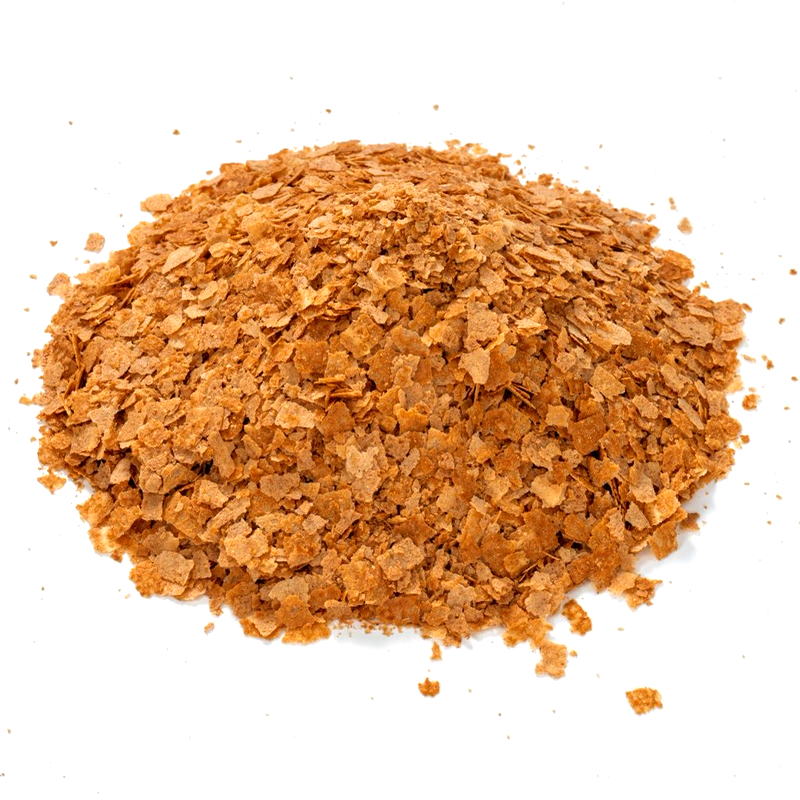
Feuilletine is a thin, crisp gaufrette flake that resists moisture better than most alternatives once it is coated in fat. When mixed with praline paste or melted chocolate, the fat forms a barrier around each flake, so the mousse’s water cannot easily penetrate. The classic ratio is 60 g feuilletine to 40 g praline paste, spread 3 mm thick. Add this layer when the mousse is partially set, or build it as a separate layer before the final chill. For a deeper look at how feuilletine behaves in different desserts, see this explanation of the purpose of feuilletine.
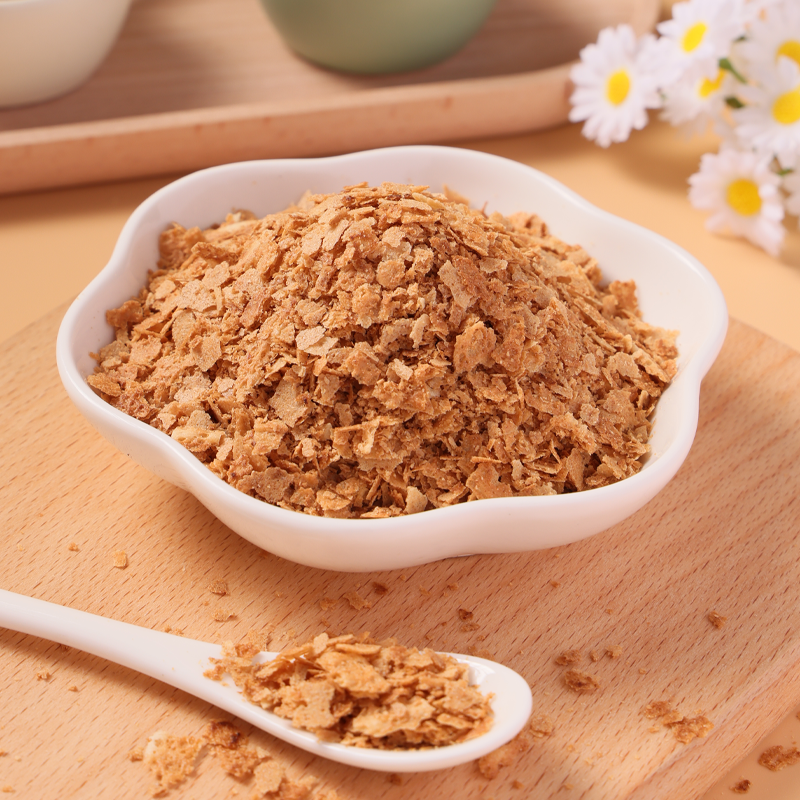 Butter Feuilletine Crisp Flakes for Pastry and ConfectioneryDairy-butter feuilletine flakes add layered crunch to praline, chocolate, and mousse applications; keep the layer thin in fat-based desserts.View Product →
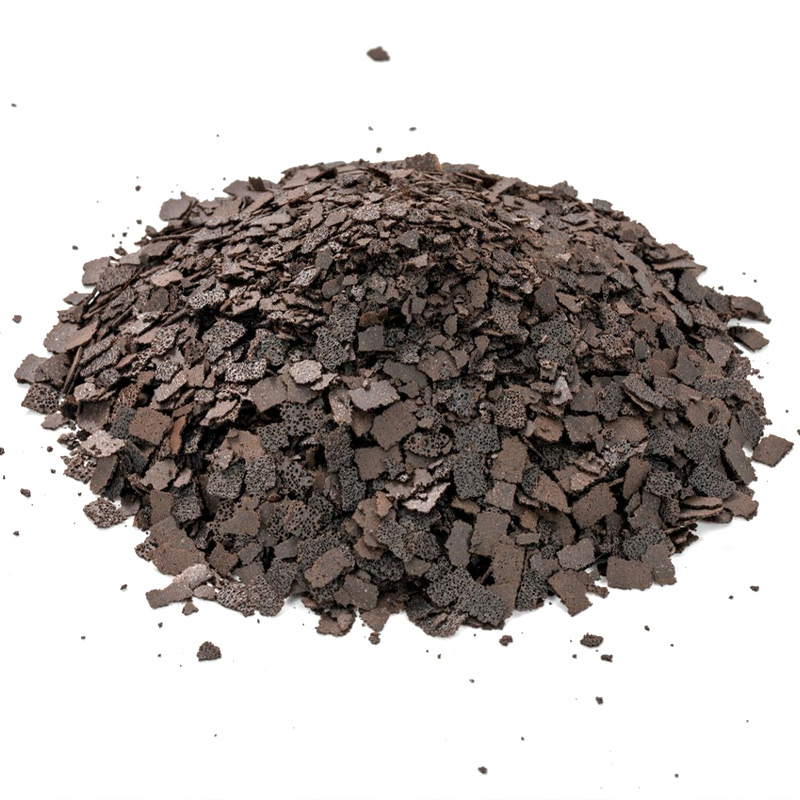
Butter feuilletine offers a clean dairy note that pairs well with vanilla, caramel, and milk chocolate mousse. Cocoa feuilletine is a better match for dark chocolate or coffee profiles. In both cases, keep the layer thin; a 5 mm slab may taste pleasant but will crush under the weight of the mousse and become hard to cut.
Biscuit crumbs give a softer, sandy crunch that many pastry chefs prefer for fruit mousses and caramel entremets. The critical variable is particle size. Crumbs between 1 mm and 2 mm create a pleasant bite without turning into paste. Finer powder—especially under 0.5 mm—behaves like flour and absorbs water quickly. Mix the crumbs with 5–10% cocoa butter or anhydrous butter to coat the particles and slow moisture migration. Medium cocoa biscuit crumbles are a practical starting point for chocolate and caramel mousse cakes.
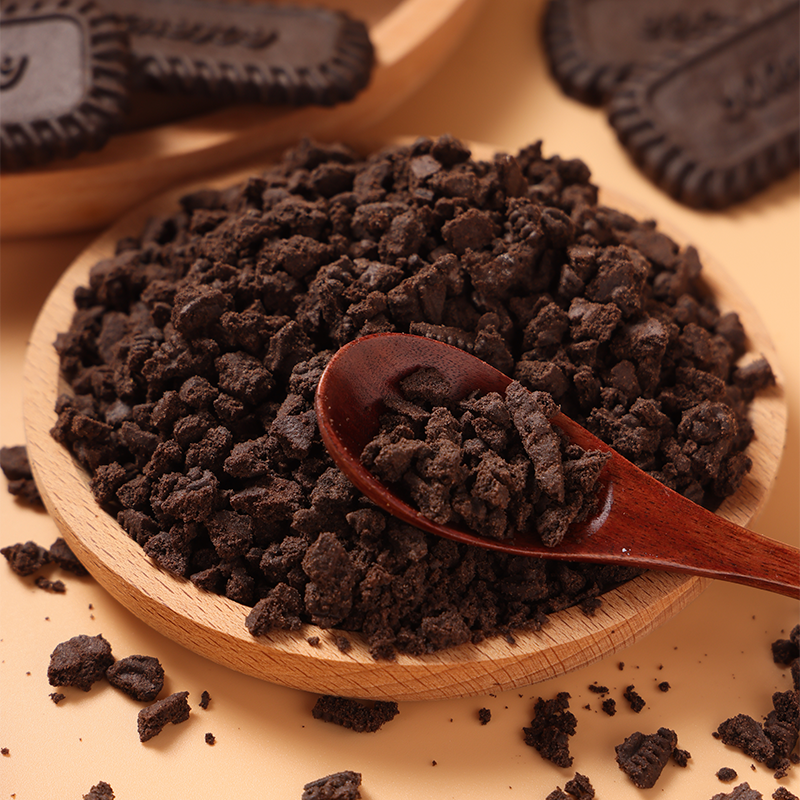 Medium Cocoa Biscuit Crumbles for Mousse and Dessert LayersMedium cocoa crumbles give chocolate and caramel mousse cakes a softer sandy crunch; coat with fat to slow moisture migration.View Product →
Caramel biscuit crumbles and cocoa biscuit powder can also work, but powder requires a higher fat ratio to remain crisp. If you use a crumb layer, press it gently into an even 3 mm layer. Do not compact it too firmly, or the mousse will not adhere and the slice may separate during cutting.
A thin layer of biscuit spread can do double duty: it seals the crumb layer against moisture and adds a rich caramel or cocoa flavor. Speculoos-style cookie butter is particularly effective because its fat content creates a hydrophobic film. Warm the spread slightly so it is pipeable, then apply a 1–2 mm layer directly on top of the set mousse or over the crumb base. This technique is common in entremet production because it protects the crunch without adding a heavy chocolate shell. To understand how different biscuit spreads are made and selected, read this guide on what is biscuit spread.
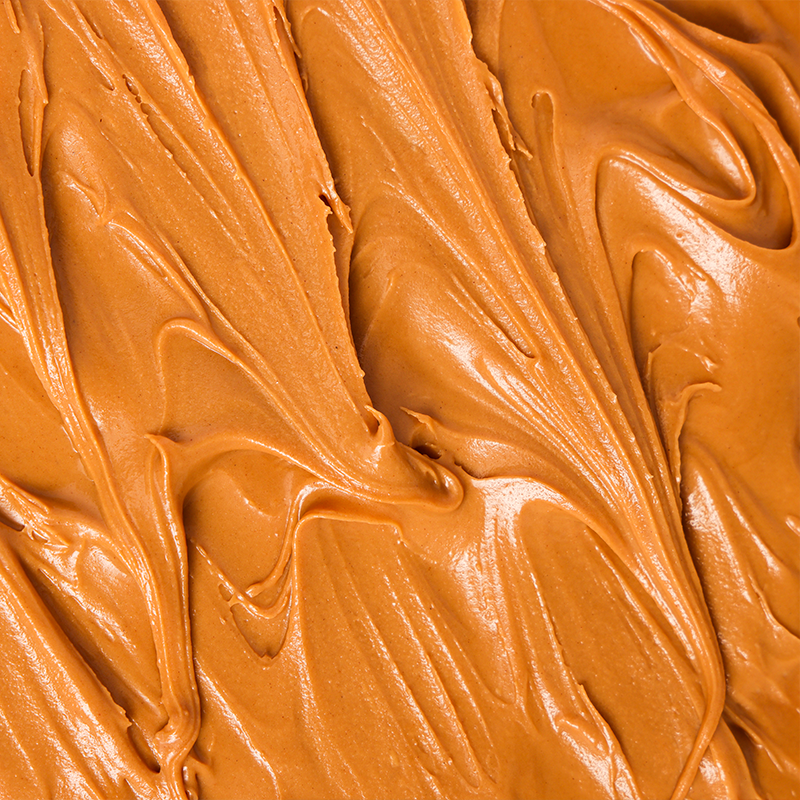 Speculoos Cookie Butter Spread for Pastry and Dessert LayersSpeculoos-inspired cookie butter brings caramel and spice notes; a thin layer seals crumb bases and complements pear, apple, or caramel mousse.View Product →
Speculoos cookie butter caramel biscuit spread brings warm spice notes that work well with pear, apple, and caramel mousse. A cocoa cookie spread, by contrast, is a better fit for dark chocolate or mocha entremets. Keep the layer thin; too much spread will dominate the palate and can make the slice feel heavy.
Small differences in temperature and thickness decide whether your crunch layer survives. Follow these practical tolerances for reliable results.
When you scale a mousse cake from a test kitchen to a production line, the crunch layer becomes a specification problem. You need consistent particle size, stable fat content, and a moisture specification that prevents batch-to-batch variation. Ask suppliers for particle-size distribution, water activity (aw below 0.4 is a good target), and fat-coating consistency. Youlei Food Stuff Technique, based in Jingjiang, China, produces over 8,000 tons of biscuit-based substrates annually and offers custom crumb sizes for mousse and entremet applications. Their range includes cocoa biscuit crumbles, caramel biscuit powder, and butter feuilletine, supported by in-house R&D and a quality-control lab. For manufacturers, the practical benefit is fewer rejected batches and a crunch layer that behaves the same way on day one and day three.
Yes, but you must stabilize them. Mix crushed cookies with melted cocoa butter at a 4:1 ratio, let the mixture set for 10 minutes, then spread it thinly. Without this fat coating, the crumbs will absorb water from the mousse and turn soft within hours.
Create a moisture barrier. A 1–2 mm layer of biscuit spread or dark chocolate ganache between the mousse and the crunch layer will block water migration. Also keep the crunch layer under 4 mm thick and chill the mousse thoroughly before assembly.
For every 300 g of mousse, use 50–80 g of crunch layer. Too much crunch makes the slice difficult to cut and dominates the texture; too little and the layer disappears into the mousse.
Yes. A feuilletine or crumb mixture can be made and stored in an airtight container in the refrigerator for up to 3 days. Assemble the cake within 24 hours of serving, and avoid holding assembled slices longer than 48 hours.
The best crunchy layer for a mousse cake is the one that stays crisp through the chill, the slice, and the first bite. Feuilletine gives you a professional snap when coated in fat, biscuit crumbs offer a softer crumble when sized and sealed correctly, and a thin biscuit spread layer can protect either option from moisture. Focus on fat coating, particle size, and a 2–4 mm thickness, and your mousse cake will deliver texture instead of disappointment.
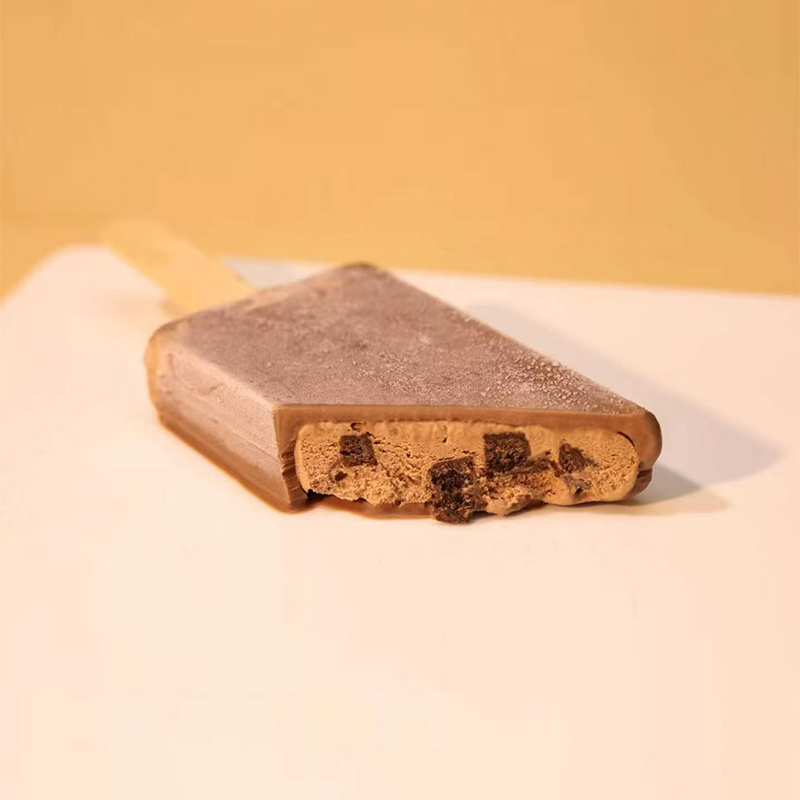
This soft cocoa cookie crumb has a rich, mellow, chewy texture and is an ideal partner for chocolate and vanilla ice cream. It keeps its soft bite even after being mixed into ice cream.
See Details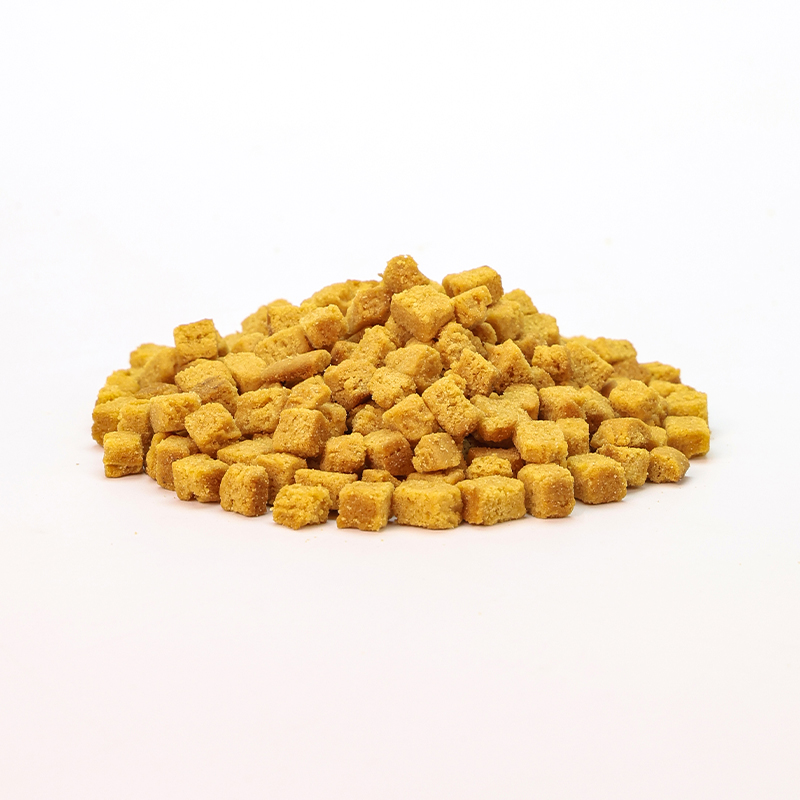
This soft butter cookie crumb has a springy, chewy texture and a rich natural butter aroma. It gives ice cream a cake-like richness and can also be used as a base layer for cheesecake.
See Details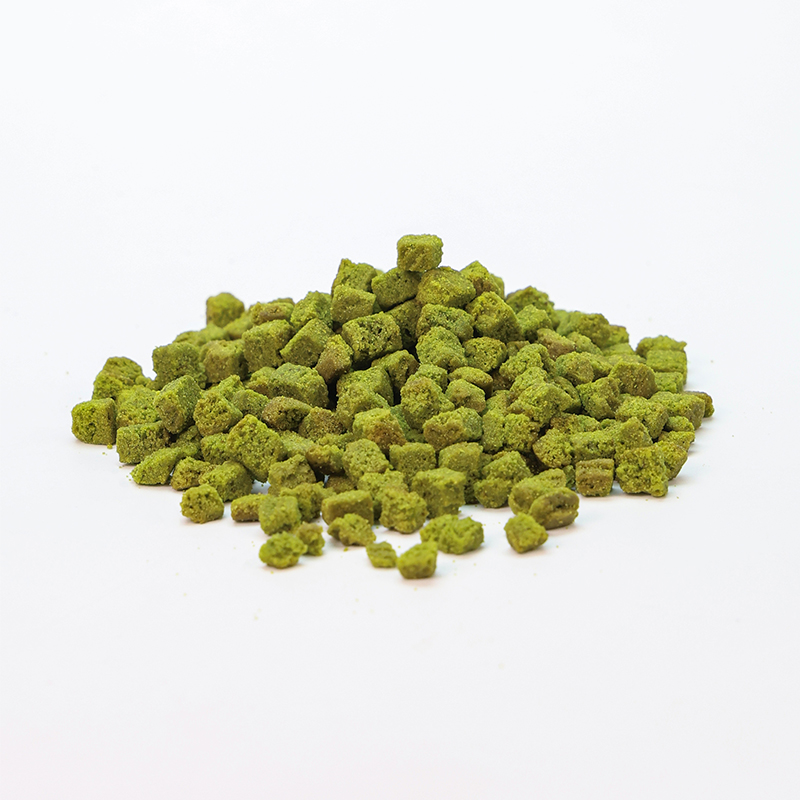
This soft matcha cookie crumb has a springy, chewy texture, and both its color and flavor come from real matcha. It adds a distinctive, recognizable touch to matcha desserts and ice cream.
See Details
Quick Links
Product Category
Code Preview

 English
 中文简体