 English
 中文简体
中文简体
These Round Cocoa Hard Biscuits are specially designed for high-end frozen desserts and creative snacks, combining a crisp texture with excellent cold-chain transformation properties.
See Details

 2026.03.12
 Industry News
Content
Biscuit spread is a smooth, spreadable paste made by finely grinding biscuit particles and blending them with vegetable oils. It delivers a concentrated toasted biscuit flavor in a creamy, fluid texture — ideal for fillings, toppings, and baking applications. Unlike nut butters, it is plant-based, nut-free (in most formulations), and free from artificial colors.
The questions below — from ingredient composition to dietary suitability — are the ones food buyers, bakeries, and home cooks ask most often. Each answer is grounded in how biscuit spread is actually manufactured.
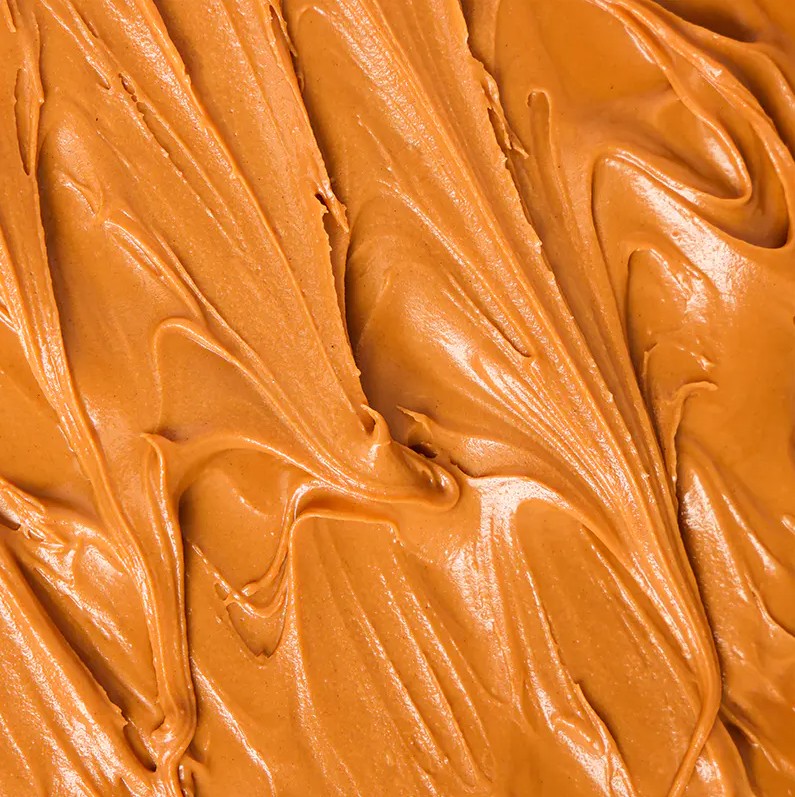
These two spreads share a similar creamy format but differ significantly in raw materials, flavor profile, allergen status, and nutritional composition. Here is a side-by-side comparison:
| Feature | Biscuit Spread | Peanut Butter |
|---|---|---|
| Primary ingredient | Ground biscuit powder + vegetable oil | Roasted peanuts (80–90%) |
| Flavor profile | Toasted, caramelized biscuit (e.g., speculoos spice notes) | Nutty, savory, slightly bitter |
| Peanut allergen | None (nut-free formulations available) | Yes — major allergen |
| Protein content (per 100g) | ~3–5 g | ~25 g |
| Fat source | Added vegetable oil (e.g., palm, sunflower) | Natural peanut fat + sometimes added oil |
| Water content | None (pure oil base) | Low but present |
| Best use case | Pastry filling, wafer coating, dessert topping | Sandwiches, protein snacks, smoothies |
The most practical distinction for food producers: biscuit spread excels in bakery and confectionery applications where a neutral, toasty base is needed without the allergen risk of nuts. Peanut butter, with its higher protein density (~25 g per 100 g), serves a different nutritional purpose.

A typical commercial biscuit spread contains a short, readable ingredient list — one of its competitive advantages over many processed spreads:
The absence of water is a functional feature, not merely a marketing claim. Zero water content extends shelf life, prevents microbial growth, and produces a uniquely smooth, melt-in-your-mouth texture that water-based spreads cannot replicate.
In cocoa cookie spread variants, alkalized cocoa powder (typically 10–12% fat cocoa) is incorporated alongside the biscuit powder, producing a dark, glossy spread with intense chocolate-biscuit notes — without any dairy or milk powder in base formulations.
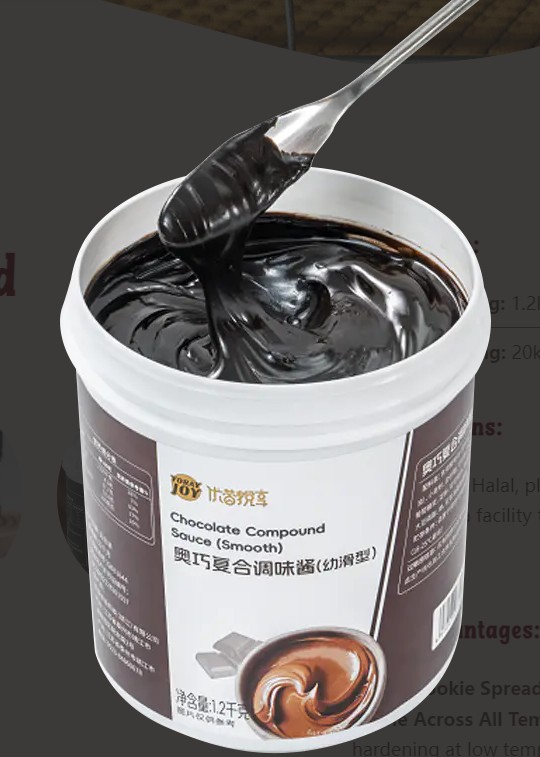
Yes — standard biscuit spread contains gluten. The primary ingredient is biscuit powder derived from wheat-flour cookies. Wheat is one of the eight major allergens recognized by regulators worldwide and is a direct source of gluten proteins (gliadin and glutenin).
For individuals with celiac disease or non-celiac gluten sensitivity, standard biscuit spread is not suitable. The implications for product labeling and purchasing are straightforward:
Some specialty manufacturers produce biscuit spread using gluten-free biscuit bases (made from rice flour, oat flour certified GF, or tapioca starch). If gluten-free status is required, look specifically for a certified gluten-free label and a statement that production occurs in a dedicated gluten-free facility — cross-contamination risk is meaningful in shared bakery environments.
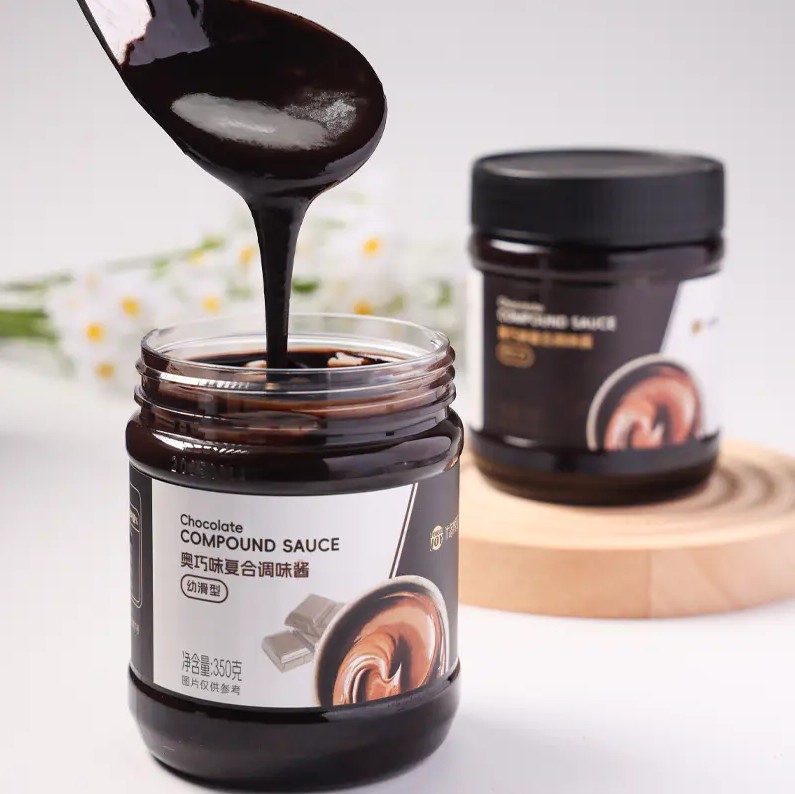
Most standard biscuit spread formulations are dairy-free and therefore suitable for people with lactose intolerance. The core ingredients — biscuit powder and vegetable oil — do not inherently contain lactose. However, there are important caveats:
For buyers sourcing for lactose-intolerant consumers, request a full allergen declaration from the manufacturer and confirm whether the product line is produced on shared equipment with milk-containing products.
Biscuit spread is suitable for vegetarians in virtually all standard formulations. Vegan suitability depends on whether the biscuit base contains eggs or dairy derivatives.
| Dietary Group | Suitability | Key Ingredient to Verify |
|---|---|---|
| Lacto-ovo vegetarian | Yes — in nearly all cases | No animal flesh; eggs and dairy acceptable |
| Vegan | Likely yes for plain formulations; verify dairy/egg in biscuit | Butter, milk powder, egg in biscuit base |
| Halal | Confirm halal-certified status of emulsifiers | Soy lecithin source; no porcine-derived additives |
| Kosher | Possible; requires kosher-certified production | Certification mark on packaging |
Many manufacturers producing plain speculoos or cocoa biscuit spreads use an entirely plant-based biscuit base, making the final product vegan by composition. The safest approach is to look for explicit vegan certification on the label, particularly when sourcing for institutional or retail channels.
Because biscuit spread contains no water, it is shelf-stable at room temperature. Typical recommended storage is below 25°C (77°F) in a dry location away from direct sunlight. Refrigeration is not required and may cause the spread to solidify and become difficult to work with. Once opened, use within 3–6 months depending on the manufacturer's specification.
Standard biscuit spread formulations do not contain tree nuts or peanuts as intentional ingredients. This makes them a viable alternative filling for nut-free school environments and allergen-controlled production lines. However, always verify the allergen cross-contact statement on the product specification sheet — shared equipment with nut-containing products is a common scenario in large-scale bakeries.
Sugar content varies by formulation. A typical speculoos cookie spread contains approximately 35–45 g of sugar per 100 g — significantly higher than natural peanut butter (~6–8 g per 100 g) and comparable to chocolate-hazelnut spreads. This is an important consideration for nutritional labeling and for clients targeting reduced-sugar product lines.
Yes — its oil-based composition makes biscuit spread highly stable under moderate heat (up to approximately 60–70°C / 140–158°F) without breaking or separating. It is widely used as:
Speculoos cookie spread is a specific variety of biscuit spread made from Belgian or Dutch-style spiced shortcrust biscuits (speculaas). It carries a pronounced warm spice profile — cinnamon, cardamom, ginger, clove — and a caramelized brown color from the dark-baked biscuit. Plain biscuit spread uses a neutral wheat biscuit base with a milder, buttery flavor and lighter appearance.

These Round Cocoa Hard Biscuits are specially designed for high-end frozen desserts and creative snacks, combining a crisp texture with excellent cold-chain transformation properties.
See Details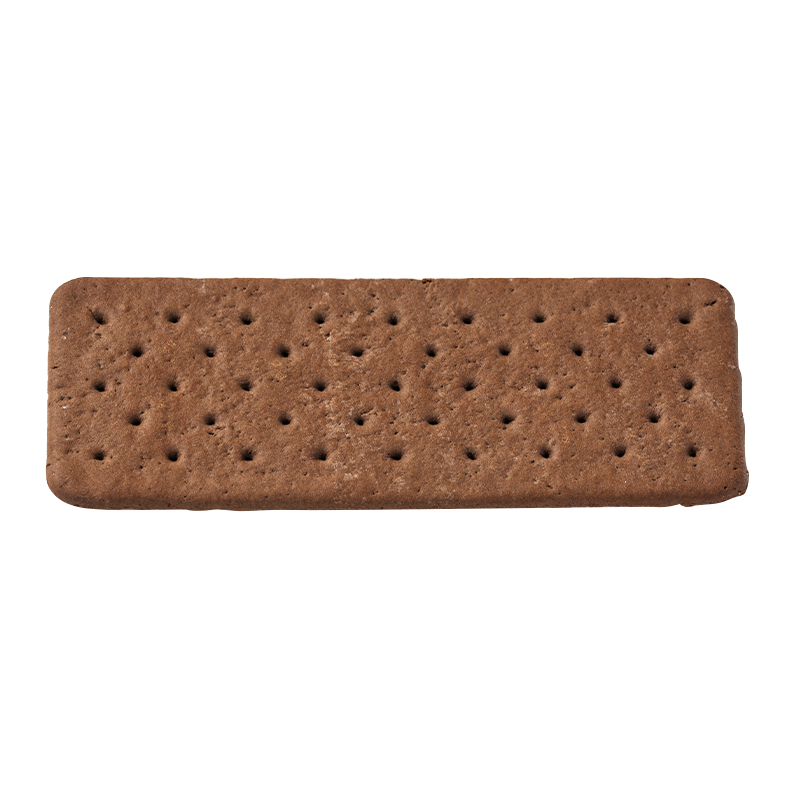
This rectangular cocoa hard biscuit is a classic baked semi-finished product, combining a crisp texture with excellent physical compatibility, making it an ideal base for frozen desserts and creative snacks.
See Details
These Round Butter Hard Biscuits combine classic flavor with versatile textures, making them the ideal base for ice cream sandwiches.
See Details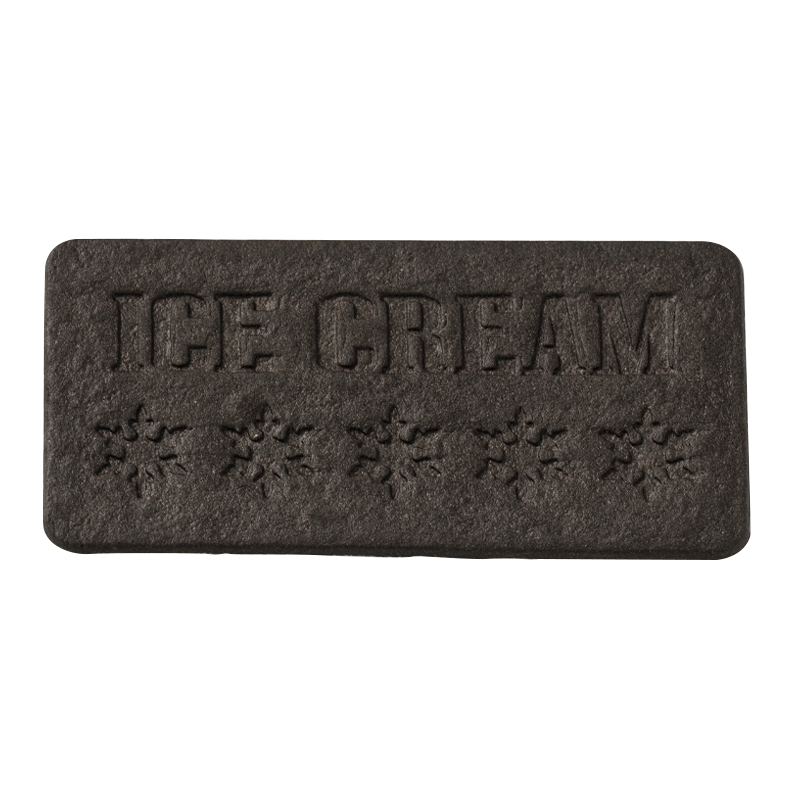
This rectangular cocoa crisp biscuit is the ideal shell for ice cream sandwiches. It continues the classic "Oreo" flavor profile and is optimized for cold chain environments.
See Details
This core component, specifically designed for premium ice cream, features a scientifically formulated high-fat and high-sugar ratio, providing both robust structural support and a melt-in-your-mouth crispness.
See Details
This product is a professional base ingredient specifically designed for high-end frozen desserts. It uses a high oil-to-sugar ratio and select low-gluten flour to create an exceptionally crisp texture that crumbles in y...
See Details
Quick Links
Product Category
Code Preview
