English
 中文简体
Inspired by classic European craftsmanship, this product perfectly blends the deep sweetness of caramel with the warm aromas of cinnamon and cloves, transforming them into a silky-smooth liquid form. Adhering to a natura...
See Details

 2026.10.02
 Industry News
Content
Two quotations for the same 500 kg of filling land on a product developer's desk. One is headed "caramel biscuit spread", the other "speculoos cookie butter". The price per kilo is close, the specification sheets are not identical, and the obvious question follows: are these two different products, or one product sold under two names?
They are one product family. Both are made by baking sweet biscuits, milling them into a fine powder, and blending that powder with fat, sugar and a little salt or emulsifier until the result is spoonable at room temperature. What changes with the name is the default base. Cookie butter almost always points to a caramelised, lightly spiced speculoos biscuit, while biscuit spread is the broader trade term that also covers cocoa, butter and plain sweet-biscuit bases. Everything a production line actually cares about — biscuit solids, added fat, particle size, water activity — lives in the specification, not in the label.
There is no technical wall between the two names. A single batch of caramelised biscuit paste can be sold as cookie butter in the United States and as a biscuit spread in the United Kingdom, Ireland or Germany, from the same recipe and the same production run. Both terms describe a category rather than a standard, which is exactly why two suppliers can quote very different products under the same heading.
The names still carry information about expectations. A buyer asking for cookie butter is almost always picturing a caramel-brown paste with cinnamon and clove overtones, built on a speculoos-type biscuit and often carrying a slight grit. A buyer asking for biscuit spread may mean anything from a pale butter-biscuit paste to a deep cocoa spread.
| Point of comparison | Biscuit spread | Cookie butter |
|---|---|---|
| Where the name is usual | UK, Ireland, Germany and wider European trade | US retail and food service |
| Default base biscuit | Any sweet biscuit: speculoos type, cocoa, butter, plain | Caramelised speculoos with cinnamon, clove and nutmeg |
| Typical colour | Pale cream to dark brown, depending on the base | Warm caramel brown |
| Flavour direction | Follows the base: cocoa, vanilla, butter, caramel | Toffee, warm spice, caramelised sugar |
| Added fat | Vegetable fat blends selected for firmness and shelf life | Commonly palm or palm-rapeseed blends, firm at 20°C |
| Texture | Smooth, or crunchy with retained crumb | Smooth, or crunchy with visible biscuit pieces |
| Main buyer | Food manufacturers using it as an ingredient | Retail shoppers, bakeries and dessert menus |
| On the ingredient deck | Listed as biscuit (wheat flour, sugar, fat) | Listed as cookie or speculoos |
The practical consequence: do not approve a sample on the strength of a name. Ask for the base biscuit, the fat system and the sieve specification before the first pallet ships.
The split is linguistic before it is technical. "Biscuit" comes from the Latin bis coctus, twice baked, and remains the everyday word in Britain, Ireland and much of Europe. "Cookie" entered American English through the Dutch koekje, little cake, and now dominates US packaging. A shopper reading "cookie butter" in Chicago and one reading "biscuit spread" in Hamburg may be holding nearly the same jar.
Cookie butter became a category name in US retail around 2011, when own-label and brand launches pushed speculoos paste from a European import to a mainstream shelf item. In Europe the same paste had already been sold for decades as biscuit spread or speculoos spread. Our own note on what biscuit spread is walks through the product from a manufacturer's angle.
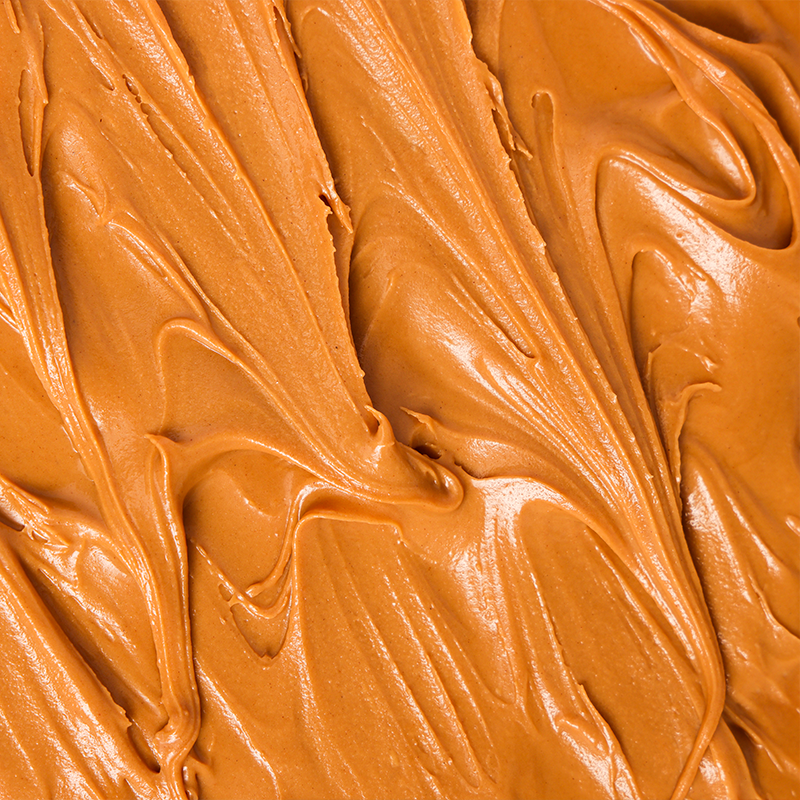 Wholesale Speculoos Cookie Butter and Caramel Biscuit SpreadA dairy-free, vegetarian caramel biscuit spread for bakery fillings, ice cream bases and beverages; smooth or crunchy wholesale formats with clean-label positioning.View Product →
When a brief says cookie butter, the formulation behind it is usually a caramelised biscuit base: dark sugar syrup baked into the dough, a fat system that stays firm on a warm shelf, and enough spice to read clearly against coffee, vanilla or cream.
Most spreads in this family sit inside a fairly narrow window: 50 to 60 percent milled biscuit solids, 25 to 35 percent added fat, 5 to 12 percent sugar or syrup, and the balance salt, emulsifier or leavening carried over from the biscuit itself. Water is not added in most recipes, which is why water activity typically stays below 0.6 and the product is shelf stable without preservatives.
Indicative formulation ranges for milled-biscuit spreads. Confirm the real numbers on your supplier's specification sheet.
The base biscuit is what separates one spread from another. A cocoa biscuit base gives a darker paste with a mild bitterness that balances the sugar; a caramelised speculoos base delivers the toffee and spice notes associated with cookie butter; a plain butter-biscuit base gives a lighter, more neutral paste that works as a carrier for other flavours.
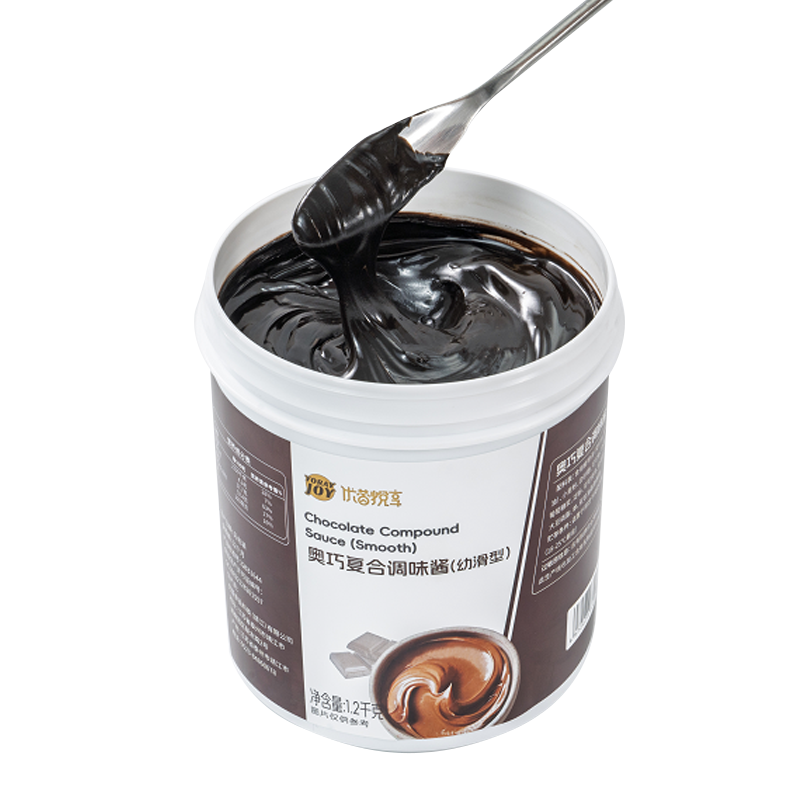
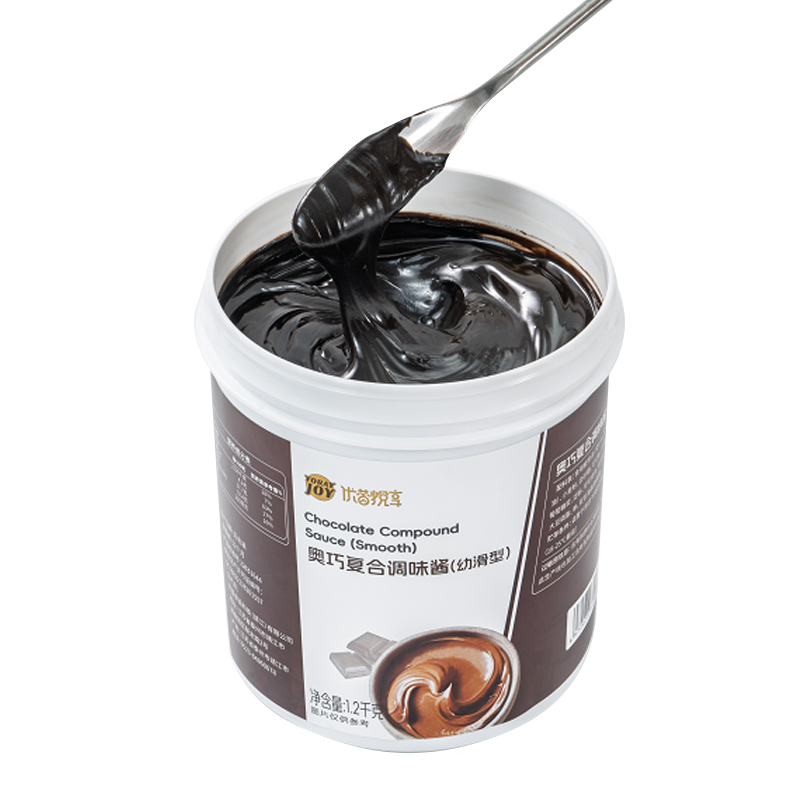 Cocoa Cookie Spread for Industrial Biscuit Filling and CoatingFat-based cocoa biscuit filling/base with Halal, plant-based suitability; stable, ready-to-use texture for sandwich biscuits, wafers, soft cakes and enrobing.View Product →
Fat choice decides how the spread behaves on the line and in storage. A blend that is firm at 20°C holds a peak on a spoon, resists oil separation in a warm warehouse and pumps evenly. Too soft a fat and the product slumps, weeps oil at the surface and deposits inconsistently. Sugar level matters too: undissolved sugar crystals are the usual cause of a spread that turns grainy three months into shelf life.
Texture is the difference buyers notice before they taste anything else. Smooth spreads are milled until the biscuit solids pass fine screens, typically under 0.5 mm with the bulk below 200 µm. Crunchy versions deliberately retain a fraction of larger pieces, usually between 0.8 and 2 mm, at roughly 8 to 15 percent of the finished weight.
Typical sieve windows for crumb formats used as a spread base. Values are indicative; agree a measured sieve specification with your supplier.
If you are developing a spread, the base crumb is the first decision, not the last. A crumb with a tight particle-size distribution gives fewer hard spots and a more even mouthfeel; a wide distribution gives inconsistent grit and can blind fine screens on the mill. Many manufacturers buy crumb and powder instead of running their own baking line, which shortens development and removes the need for a rotary moulder. Working across different crumb and powder formats lets you dial in texture and sugar release without reformulating the whole recipe.
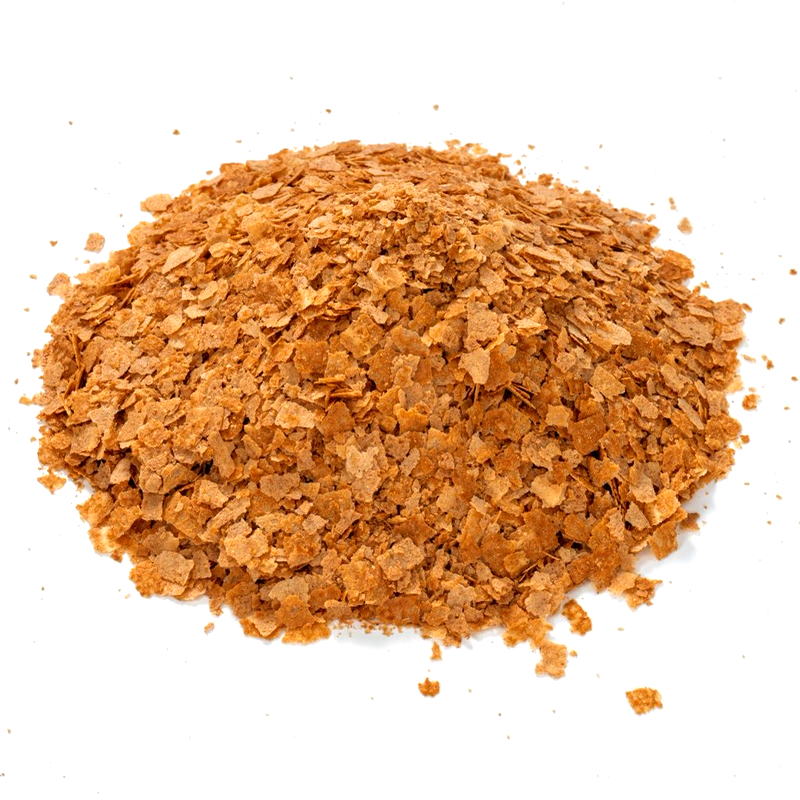
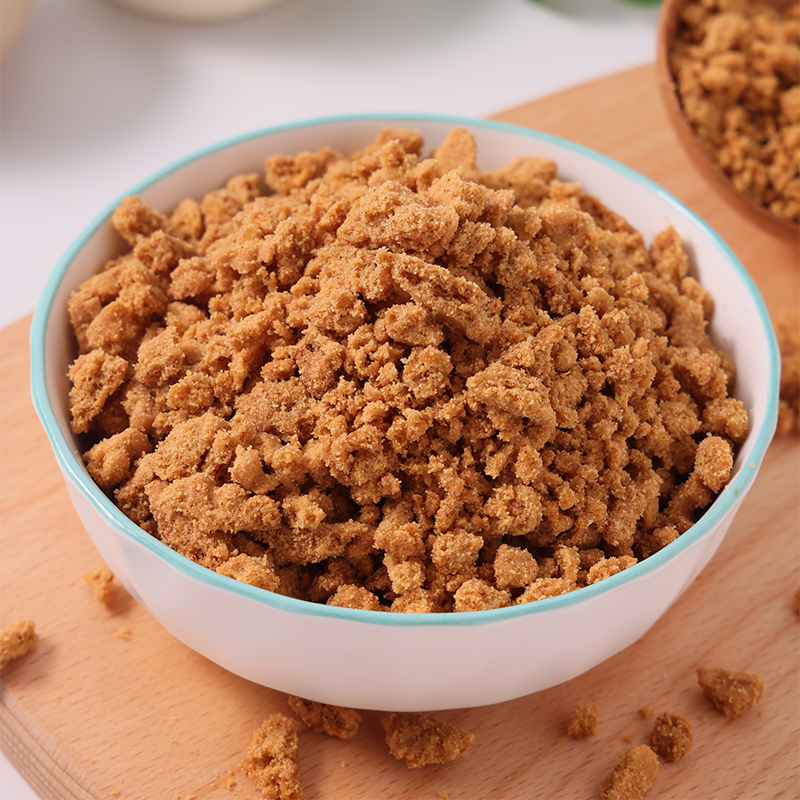 Wholesale Caramel Biscuit Crumbles for Dessert and Drink ToppingsAmber caramel biscuit crumbles with cinnamon aroma for ice cream, baked desserts and tea drinks, offering granular texture and plant-based Halal suitability.View Product →
A caramel-based crumb is the usual starting point for a cookie-butter style paste, because the caramelised sugar already carries the toffee note that a plain crumb would need flavouring to reach.
Two spreads with the same name can differ by ten percentage points of biscuit solids. These are the lines worth checking before you sign:
No. Peanut butter is ground nuts; cookie butter is ground biscuits. The difference matters for allergens, protein content and nutrition labelling, and they are not interchangeable on a specification sheet.
Usually one for one by weight if both are smooth, but expect a different colour, sweetness and spice level. A speculoos base is sweeter and more aromatic than a plain biscuit base, so you may need to pull back added sugar in the rest of the recipe.
Temperature cycling. Fat crystals and sugar recrystallise when a product moves repeatedly between cool and warm storage. Keep it between 15 and 25°C, warm gently to 35 to 40°C if you need to loosen it, and stir rather than whisk so you do not whip in air.
Not automatically. Many speculoos-style spreads are dairy free, but butter-biscuit bases and milk-containing recipes also exist. The ingredient deck settles it in seconds, and so does the allergen statement for the production line.
Biscuit spread and cookie butter come from the same process and the same short list of ingredients. The name tells you which base biscuit the buyer has in mind, and nothing more. What decides whether a filling works in your ice cream, cake or drink is the specification: biscuit solids, fat system, particle size and storage behaviour, checked lot after lot. Ask for those numbers first, and the naming question answers itself.
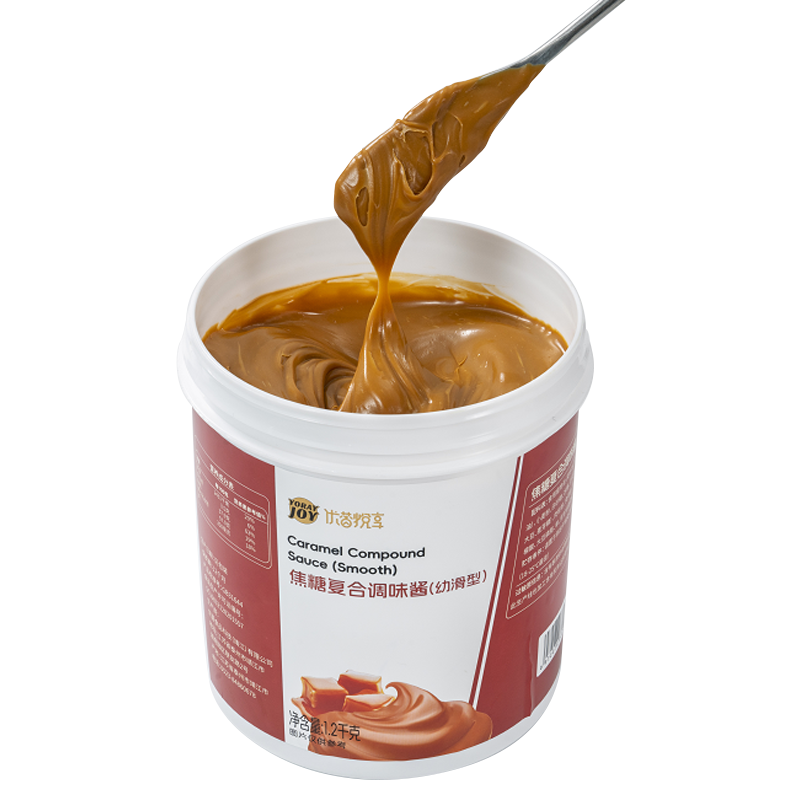
Inspired by classic European craftsmanship, this product perfectly blends the deep sweetness of caramel with the warm aromas of cinnamon and cloves, transforming them into a silky-smooth liquid form. Adhering to a natura...
See Details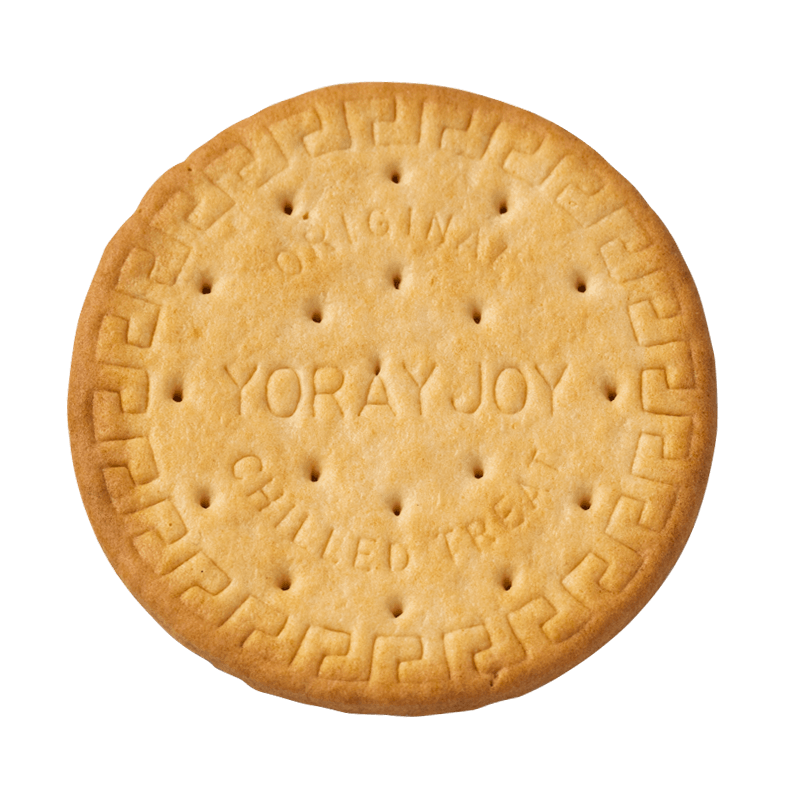
These Round Butter Hard Biscuits combine classic flavor with versatile textures, making them the ideal base for ice cream sandwiches.
See Details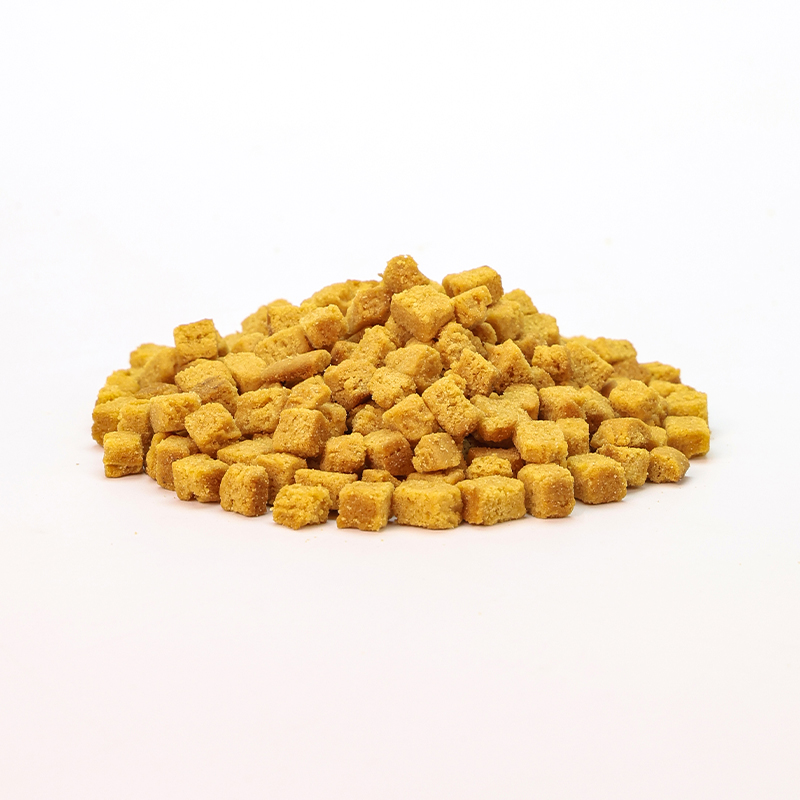
This soft butter cookie crumb has a springy, chewy texture and a rich natural butter aroma. It gives ice cream a cake-like richness and can also be used as a base layer for cheesecake.
See Details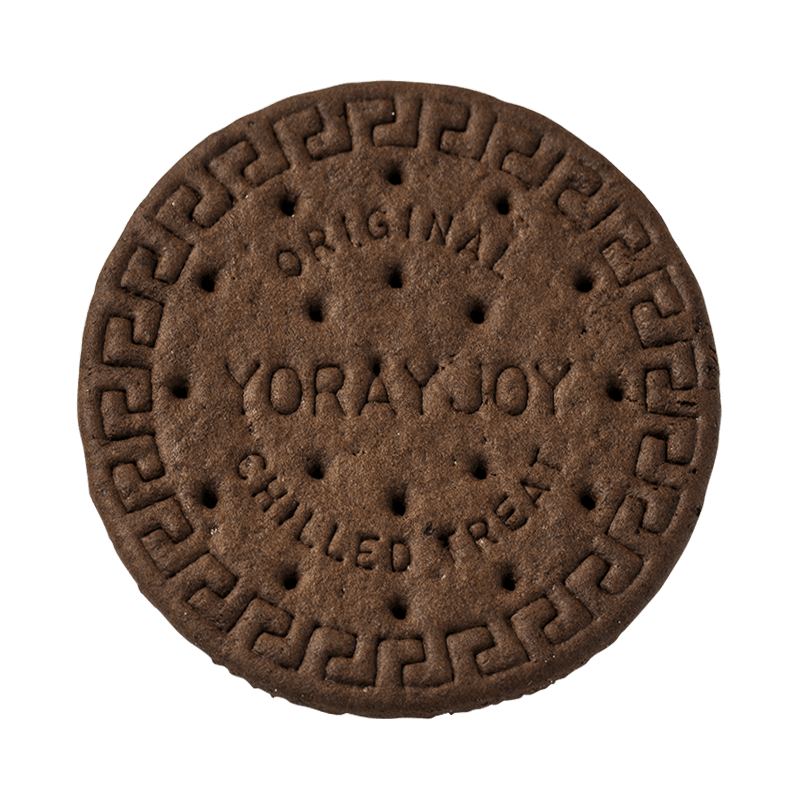
These Round Cocoa Hard Biscuits are specially designed for high-end frozen desserts and creative snacks, combining a crisp texture with excellent cold-chain transformation properties.
See Details
Quick Links
Product Category
Code Preview