 English
 中文简体
These Round Cocoa Hard Biscuits are specially designed for high-end frozen desserts and creative snacks, combining a crisp texture with excellent cold-chain transformation properties.
See Details

 2026.09.21
 Industry News
Content
Filling failures rarely show up on the line. They show up two or three weeks later, when the cookie shell has gone soft, the filling has crept toward the seam, or the whole sandwich tastes dull and flatly sweet.
Biscuit spread is the fastest fix for most of those cases. A biscuit spread is a baked, milled biscuit held in a fat phase, not a water-based cream and not a flavouring. Replacing a powdered or water-based filling base with it changes water activity, texture and flavour at the same time, and usually shortens the recipe card rather than lengthening it.
A biscuit spread behaves the way a finished baked good behaves: already caramelised, already milled, already carrying its own fat. That single fact explains nearly every advantage it offers.
For the base recipe and processing route, our explainer on what biscuit spread is walks through how the biscuit is baked, milled and stabilised into a pumpable paste.
Two spreads cover most bakery briefs, and the decision is a flavour decision first, a cost decision second. Caramel and cocoa spreads behave almost identically on a depositor, so you are choosing perception, not process.
Built on caramelised sugar with warm spice and a brown-butter finish. It flatters toffee, apple, banana, coffee and salted caramel briefs, and it reads sweeter on the palate than its sugar figure suggests, because caramelised notes are perceived as richer. Watch the spice level if your filling is thick: spice intensity climbs in the mouth the longer the filling lingers.
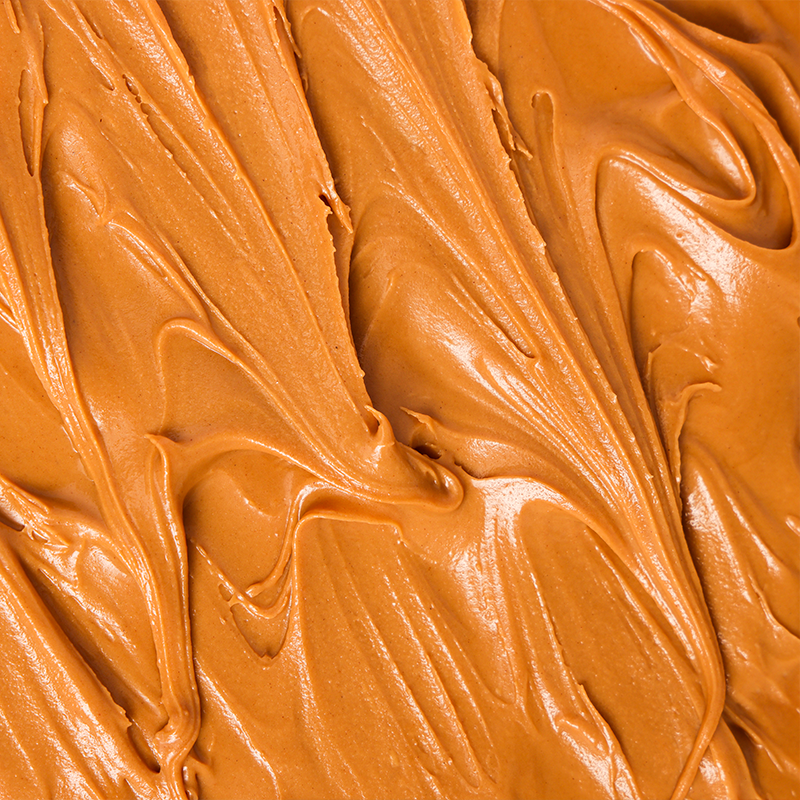 Speculoos Cookie Butter/caramel biscuit spreadInspired by classic European craftsmanship, this product perfectly blends the deep sweetness of caramel with the warm aromas of cinnamon and cloves, transforming them ...View Product →
Darker, less sweet in perception, and better at carrying background notes such as hazelnut, cherry, orange and mint. It also holds up better in chocolate-heavy products, where a caramel spread tends to blur into the coating. If your filling sits between two chocolate biscuits, cocoa is usually the safer pick.
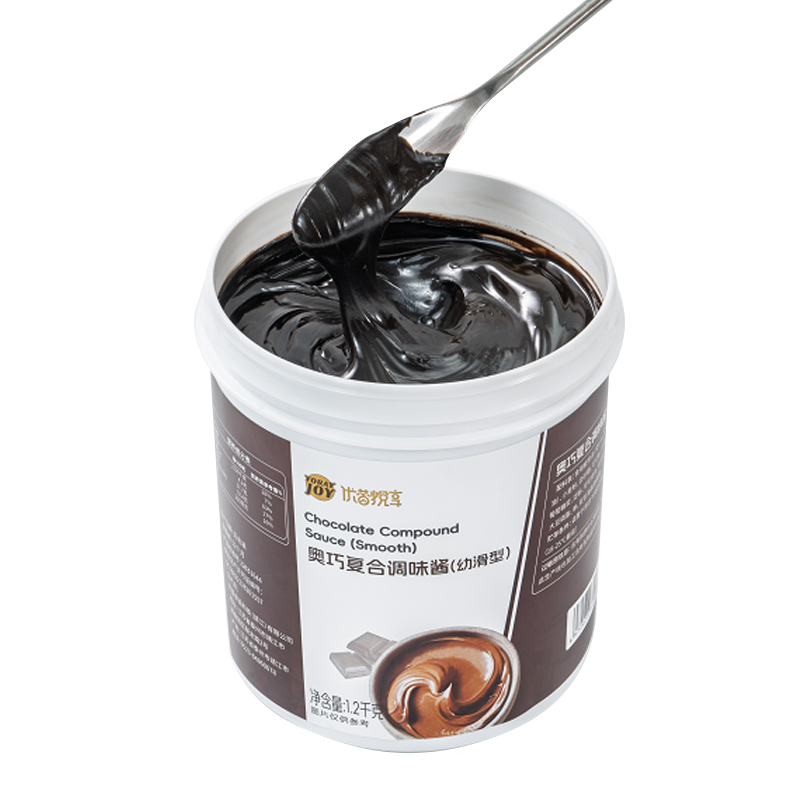 Cocoa Cookie SpreadSmall packaging: 1.2kg/drum, 8 drums/boxView Product →
Ask for six numbers before you book a trial. They are the ones that decide whether a filling pumps, holds and survives shelf life, and they are all cheap to test on a bench before anything reaches the depositor.
| Parameter | Indicative range | Why the filling line cares |
|---|---|---|
| Water activity (aw) | 0.25 – 0.40 | Keeps wafer and shortbread shells crisp and slows mould growth. |
| Fat content | 30 – 38% | Drives spreadability and oil migration; more fat flows better but creeps more at the seam. |
| Fineness of grind | 18 – 30 µm | Above roughly 35 µm the filling reads gritty on the tongue. |
| Working temperature | 22 – 28 °C | Below 20 °C it will not pump cleanly; above 32 °C it greases out. |
| Sugar content | 38 – 48% | Sets sweetness balance and how firm the filling goes when chilled. |
| Added crumb size | 0.5 – 3 mm | Trade-off between texture contrast and nozzle wear or clogging. |
Typical biscuit spread share of total filling mass, by application (%).
One practical warning: a biscuit spread is a post-bake component. If you bake it inside a dough, the sugar phase boils, the filling expands and the shape collapses. Add it after the oven, or reformulate with a bake-stable system.
Soft fillings sell, but they are also the reason a product tastes monotonous by the third bite. The cheapest way to add structure is to fold a crisp element into the spread itself.
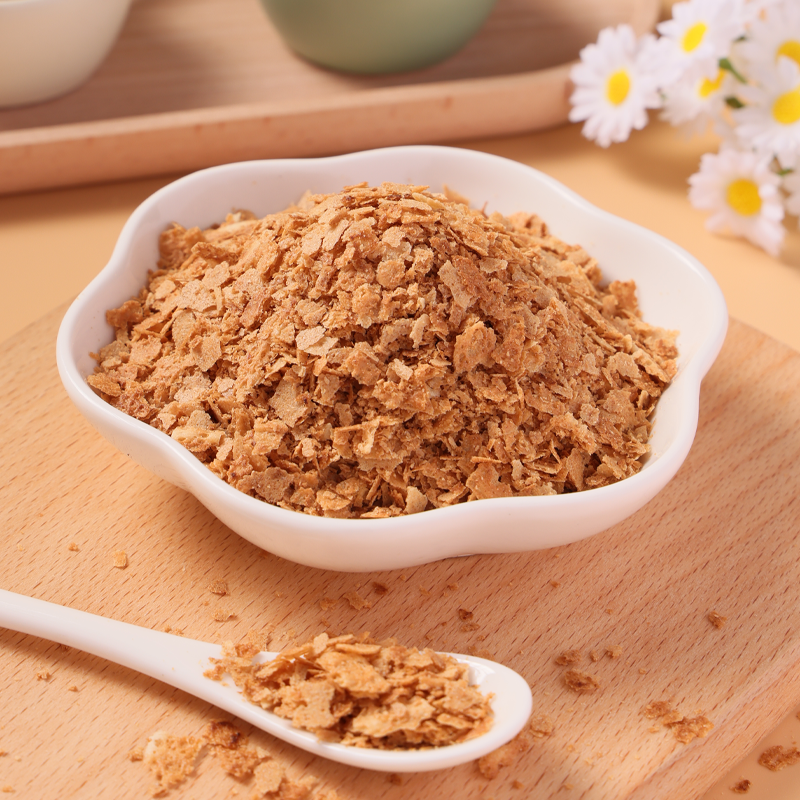 Butter FeuilletineSmall packaging: 1kg/bag, 10 bags/boxView Product →
Most filling complaints trace back to things that could have been checked before the first pallet arrived. Work through this list with your supplier.
Illustrative breakdown of filling complaints recorded during line trials; use it as a checklist, not as market data.
Sometimes, but conditioning first is safer. Bring the pail to 22–28 °C and stir, then check viscosity against your depositing nozzle. Cold spread bridges and stalls; overheated spread greases out at the seam.
No. Biscuit spread is a post-bake component. Depositing after the oven keeps the caramel and cocoa notes intact and avoids boil-out.
With aw kept under 0.40 and no moisture path into the shell, six to nine months is realistic for a sealed, ambient-stable product. Crumb inclusions fade faster than the spread itself.
Yes, up to a point. The spread brings its own fat, so reduce added shortening by roughly the fat percentage it contributes, then monitor grease-out over four weeks before committing to a full batch.
The short version: treat biscuit spread as an ingredient with specifications, not as a flavour drop. Match the flavour direction to the finished product, confirm the six numbers, run a bench trial with crumb or feuilletine at your intended inclusion rate, and hold the finished product in storage before you scale.
Suppliers with their own test laboratory and defined particle-size ranges make that process shorter, because the numbers you trial are the numbers you will receive on repeat orders.

These Round Cocoa Hard Biscuits are specially designed for high-end frozen desserts and creative snacks, combining a crisp texture with excellent cold-chain transformation properties.
See Details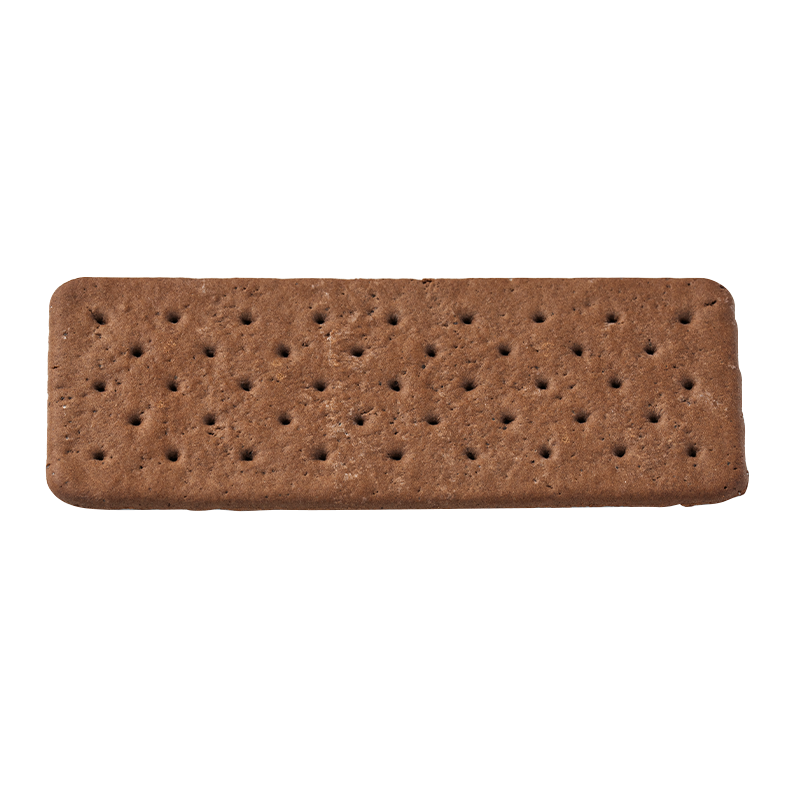
This rectangular cocoa hard biscuit is a classic baked semi-finished product, combining a crisp texture with excellent physical compatibility, making it an ideal base for frozen desserts and creative snacks.
See Details
These Round Butter Hard Biscuits combine classic flavor with versatile textures, making them the ideal base for ice cream sandwiches.
See Details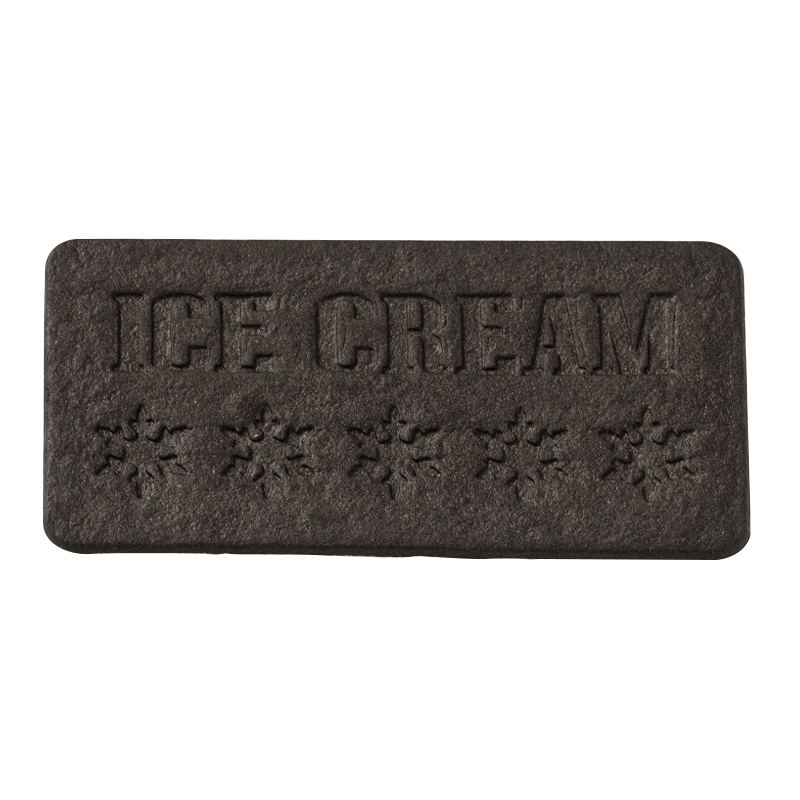
This rectangular cocoa crisp biscuit is the ideal shell for ice cream sandwiches. It continues the classic "Oreo" flavor profile and is optimized for cold chain environments.
See Details
This core component, specifically designed for premium ice cream, features a scientifically formulated high-fat and high-sugar ratio, providing both robust structural support and a melt-in-your-mouth crispness.
See Details
This product is a professional base ingredient specifically designed for high-end frozen desserts. It uses a high oil-to-sugar ratio and select low-gluten flour to create an exceptionally crisp texture that crumbles in y...
See Details
Quick Links
Product Category
Code Preview
