English
 中文简体
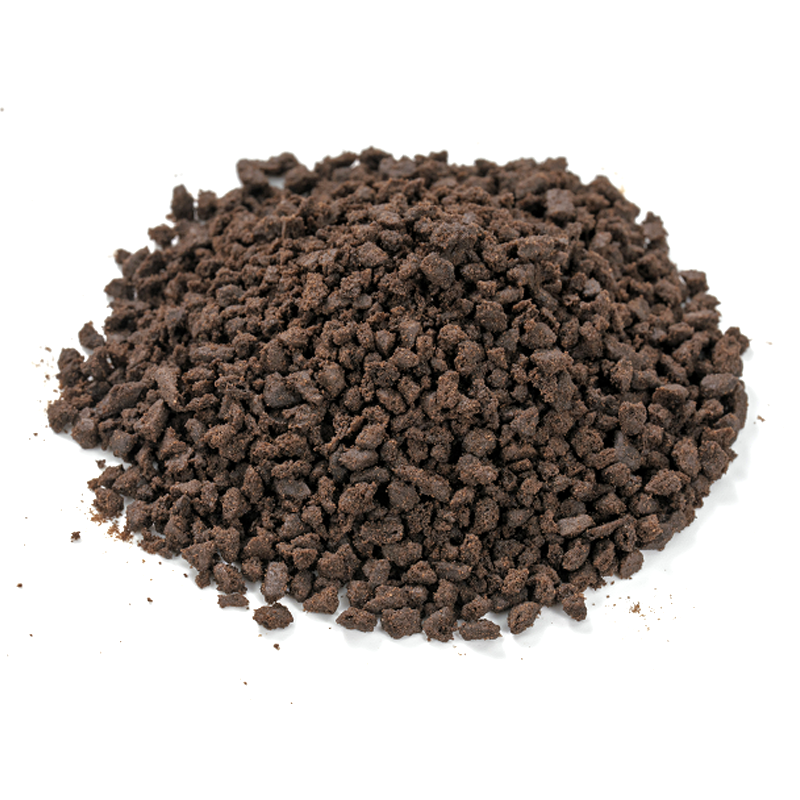
Medium Cocoa Biscuit Crumbles: Vegetarian, Natural, Versatile IngredientThis product is a high-quality ingredient specifically designed for the modern food industry, perfectly balancing rich bittersweet flavor with a las...
See Details

 2026.09.25
 Industry News
Content
If a cheesecake base tastes dull and slightly cardboard-like, or the crumb layer inside a frozen dessert goes soft three weeks into the cold chain, the recipe is usually not the culprit. The crumb is. Graham cracker crumb and biscuit crumb come from different doughs, carry different fat and sugar loads, and react differently to moisture, oil migration and freeze-thaw cycling.
The short version: graham cracker crumb is a North American whole wheat crumb, sweetened with molasses or honey and milled from a crisp, faintly salty cracker. Biscuit crumb is the wider category covering caramelised, cocoa, butter and digestive biscuit crumbs, most of them baked from wheat flour dough with a different sugar and fat profile. Graham is the right choice when the whole wheat flavour is the point. A specified biscuit crumb is the right choice when you need tighter control over particle size, free fat, colour and crunch retention.
They do not swap one for one in either direction, and the reasons are practical rather than philosophical.
Graham flour is a coarsely ground whole wheat flour named after Sylvester Graham, an American dietary reformer of the 1830s. In the United States the name is tied to a standard of identity, so a crumb sold as graham is expected to contain bran and germ rather than refined wheat flour with colouring. The cracker is baked from that flour with molasses or honey, salt and often cinnamon, then milled into crumb.
Three properties follow from that formula. The bran particles never fully dissolve, so the crumb stays sandy and slightly coarse. Fat sits in the middle of the range for a bakery crumb, which leaves pressed crusts open and a little fragile. And the sweetness reads dark and faintly bitter from the whole grain, which is exactly what a classic cheesecake base is built around.
In European and Asian usage a biscuit is what a North American would call a cookie or a cracker, so biscuit crumb describes a family rather than one product:
Whichever family you buy, the grind matters as much as the flavour. A powder below roughly 0.5 mm behaves like a flour, a small crumb of 0.5–1 mm reads as a fine topping, and a medium crumb of 1–2 mm delivers visible pieces and real crunch.
Most specification disputes come from assuming the two crumbs are flavour variants of the same material. The table below shows why they are not.
| Property | Graham cracker crumb | Caramelised biscuit crumb | Cocoa biscuit crumb |
|---|---|---|---|
| Base flour | Coarsely ground whole wheat, bran included | Soft wheat flour, usually not wholemeal | Soft wheat flour with cocoa powder |
| Sweetener | Molasses or honey | Dark brown sugar, caramelised in the bake | Sucrose, sometimes glucose syrup |
| Typical fat (per 100 g) | 12–16 g | 16–20 g | 14–18 g |
| Typical sugar (per 100 g) | 22–30 g | 30–38 g | 22–30 g |
| Dominant flavour | Toasty whole wheat, faint bitterness, cinnamon | Deep caramel with warm spice | Cocoa, lightly bitter, dry |
| Crumb texture | Sandy, open, breaks short | Dense, slight stickiness under pressure | Fine and powdery |
| Pressed crust | Crumble at the edges, needs more added fat | Sets firm, holds a clean slice line | Can taste dry in reduced-sugar recipes |
Typical fat and sugar load per 100 g of crumb. Caramelised crumb carries both more sugar and more fat, which is why it binds harder in a no-bake base and softens faster against a wet filling.
The crust row is where development teams usually get caught. A graham crust is expected to be open and slightly crumbly at the cut, while a caramelised biscuit crust is expected to hold a clean slice line. Swap the two without rebalancing the added fat and the first complaint comes from the customer, not from the lab.
Graham crumb compresses into an open, sandy layer that needs a generous fat addition to stay together. Caramelised biscuit crumb behaves differently: the caramelised sugar re-crystallises as the base cools and sets, so a crust built on it slices cleanly with less added fat. Cocoa crumb sits between the two but tastes dry when a recipe is short on fat, a common fault in reduced-sugar formulations. If you are reworking a crust for a new market, the method behind building a crumb crust that holds its slice applies to all three crumbs, but the fat ratio has to be re-tested for each one.
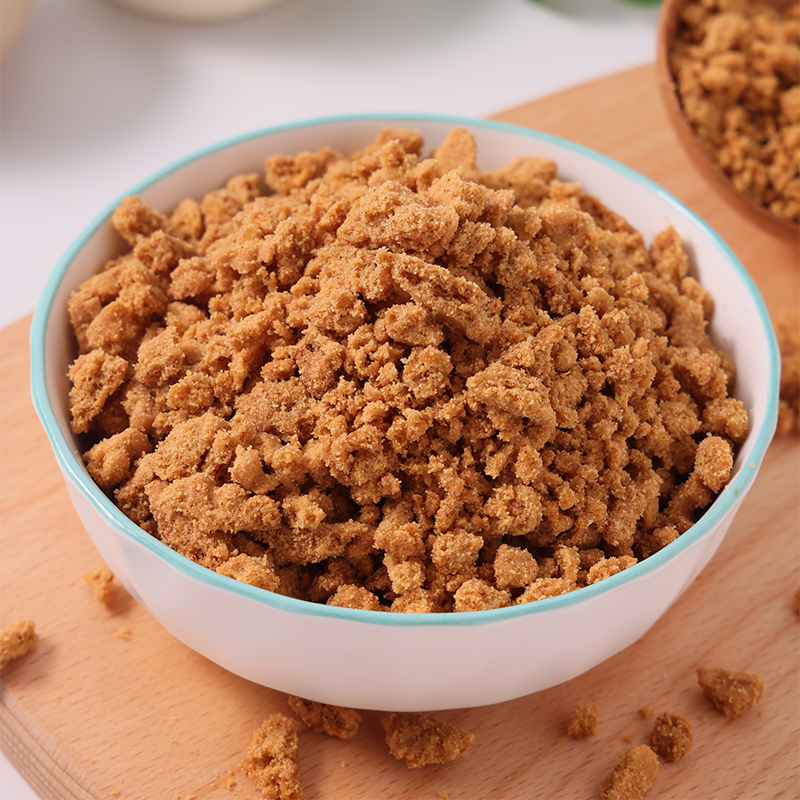 Caramel Biscuit CrumblesBaked using traditional European methods, this product boasts a natural amber color. Its core appeal lies in the perfect blend of rich caramel sweetness and spicy cinn...View Product →
For a no-bake base, ask for the caramelised crumb in a medium grind so the pieces press together without turning into paste.
Crunch retention is a moisture question. Graham crumb hydrates quickly because of its bran content and open structure, so inclusions go soft within weeks of cold-chain storage. A medium grind of 1–2 mm with a higher fat level and moisture at or below 5% resists hydration longer, and a thin fat coating slows it further. Water activity matters too: keep inclusions at or below roughly 0.4 aw and moisture migration from the ice cream base into the crumb stays manageable across a normal nine to twelve month shelf life.
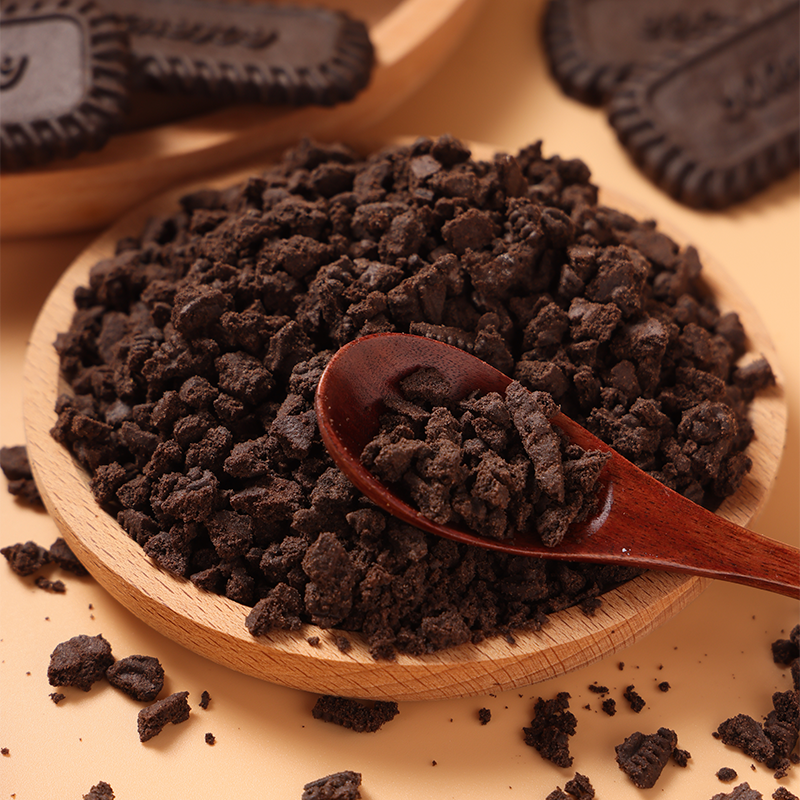 Medium Cocoa Biscuit CrumblesMedium Cocoa Biscuit Crumbles: Vegetarian, Natural, Versatile Ingredient This product is a high-quality ingredient specifically designed for the modern food industry, ...View Product →
Small and medium cocoa crumbs are also easier to dose accurately than a powder, which matters on lines that fill by volume rather than weight.
Here the enemy is oil migration rather than water. A crumb with a high free fat content bleeds into chocolate, and the bar develops soft spots and fat bloom. Specify free fat tightly, or add a thin cocoa butter barrier. Thin crisp inclusions such as feuilletine behave better in moulded chocolate than a dense biscuit crumb, while a small cocoa crumb works well in praline and truffle fillings where texture, not crunch, is the goal.
Dispersion and appearance drive the choice. Powder passes through a shaker without clogging and blends into a cream layer, a medium crumb on whipped topping gives visible texture but sinks if the foam is too soft, and against a pale cream or yoghurt base a cocoa crumb delivers contrast that a tan graham crumb simply cannot match.
Flavour wins the brief, but five numbers decide whether the line runs smoothly six months later.
| Parameter | Powder | Small crumb | Medium crumb |
|---|---|---|---|
| Typical sieve opening | up to 0.5 mm | 0.5–1 mm | 1–2 mm |
| Fines below 0.2 mm | up to 15% | up to 10% | up to 8% |
| Moisture | 5% maximum | 5% maximum | 5% maximum |
| Water activity | 0.4 maximum | 0.4 maximum | 0.4 maximum |
| Best suited to | Beverages, spreads, fillings | Dessert cups, ice cream inclusions | Crusts, visible toppings, clusters |
Example target distribution for a medium cocoa biscuit crumb. Real distribution depends on the mill setting and should be confirmed on the specification sheet.
Crumb is a low-margin, high-volume ingredient, and small process differences at the supplier show up as large differences in your finished product. Five questions are worth asking before a first order.
One point that is easy to overlook: the same base dough that becomes a crumb often becomes another format as well. A caramelised biscuit base can be ground to a medium crumb, milled to a fine powder, or processed further into a spreadable form, which lets you build two products on one flavour platform instead of running two separate development projects.
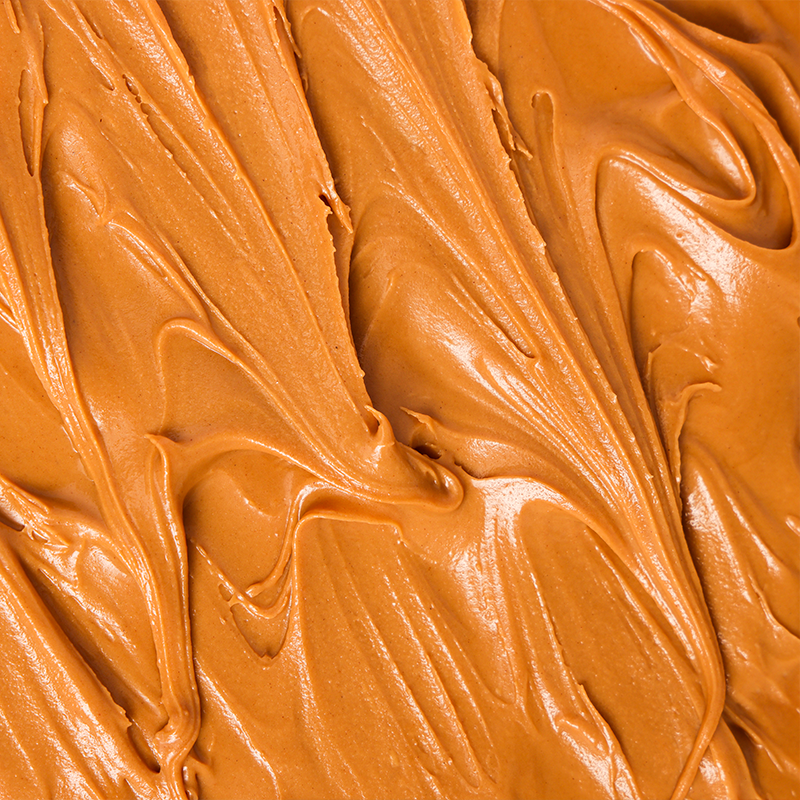 Speculoos Cookie Butter/caramel biscuit spreadInspired by classic European craftsmanship, this product perfectly blends the deep sweetness of caramel with the warm aromas of cinnamon and cloves, transforming them ...View Product →
Sampling two adjacent grind sizes from one supplier is usually the fastest way to see how much the grind, rather than the recipe, changes the result in your process.
By weight, yes. By result, rarely. Fat and sugar levels differ by several percentage points, so a crust or inclusion recipe usually needs the added fat or the sugar load adjusted. Taste the finished item, not the crumb.
In the United States the name is tied to whole wheat flour, so a crumb sold as graham should contain bran and germ. In other markets "graham" is often used loosely as a flavour descriptor for a lightly sweetened, cinnamon-accented crumb.
A medium grind of 1–2 mm with a higher fat content and moisture at or below 5%. Graham crumb hydrates faster because of its bran content and open structure, so it is the weaker choice for a nine to twelve month frozen shelf life.
Most contain wheat, and many contain soy. Milk and egg appear in some recipes while others are vegan. Graham crumb almost always contains wheat and often milk. Always confirm the full allergen and "may contain" statement for the specific product code.
Three usual causes: too little added fat, crumbs ground too fine so the fat cannot bridge the particles, or a crumb that is already too dry from storage. Check the sieve analysis and moisture figure before changing the recipe.
If the brief says cheesecake, s'mores or key lime, graham crumb is the flavour the market expects and fighting it costs sensory panel scores. If the brief says speculoos, cookie butter, chocolate inclusion or a clean-slicing no-bake base, specify a biscuit crumb with a defined grind and moisture limit.
Then lock the numbers. Sample two adjacent grind sizes from the biscuit crumb range offered here, run them through your actual process including the cold chain, and only then write a purchase specification. The crumb you choose is a process decision long before it is a flavour decision.
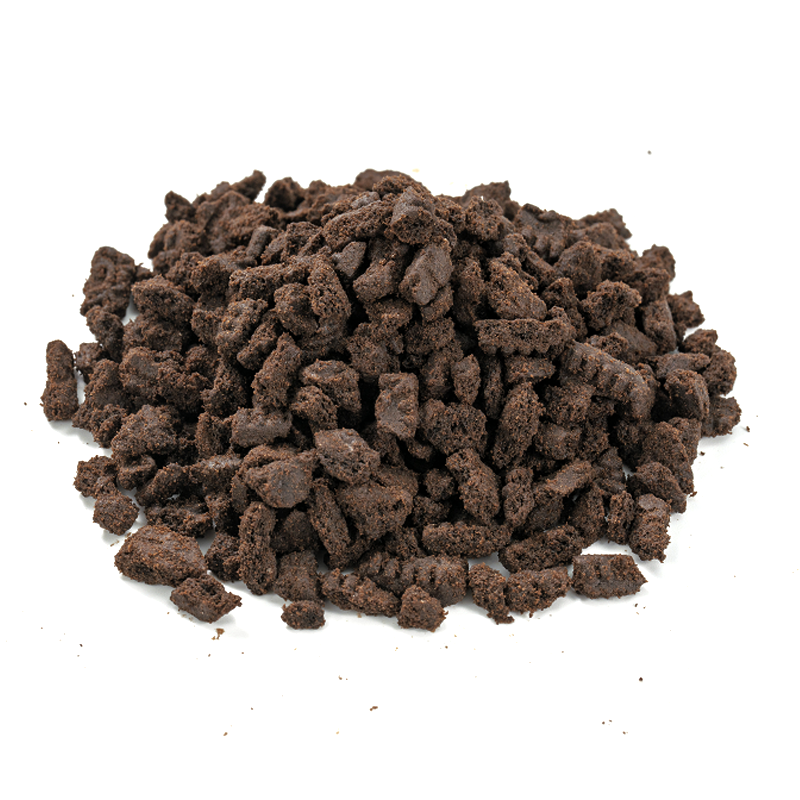
Medium Cocoa Biscuit Crumbles: Vegetarian, Natural, Versatile IngredientThis product is a high-quality ingredient specifically designed for the modern food industry, perfectly balancing rich bittersweet flavor with a las...
See Details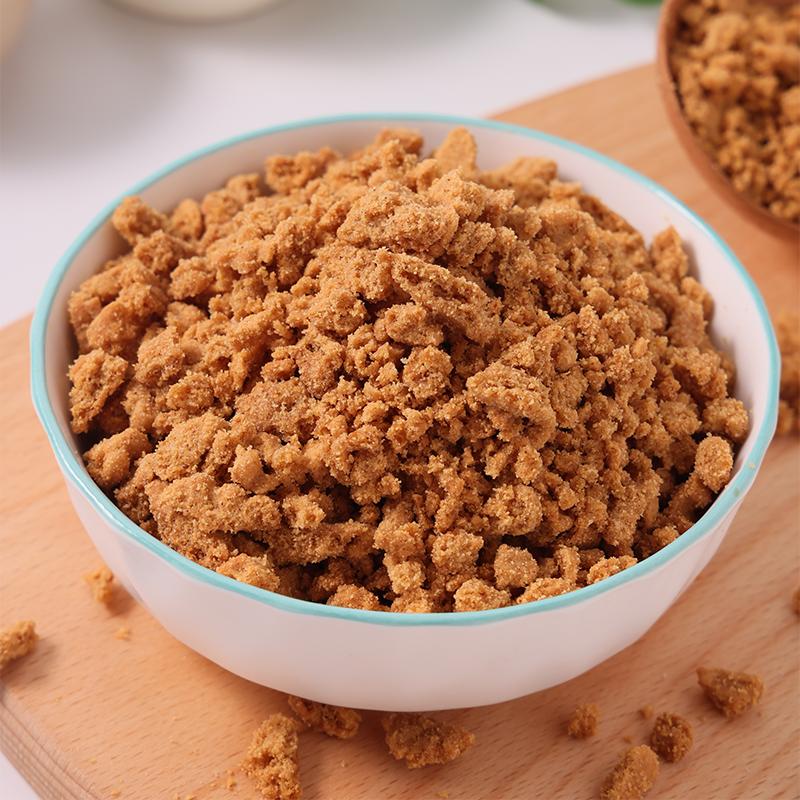
Baked using traditional European methods, this product boasts a natural amber color. Its core appeal lies in the perfect blend of rich caramel sweetness and spicy cinnamon aroma, with a distinct granular texture. It's a ...
See Details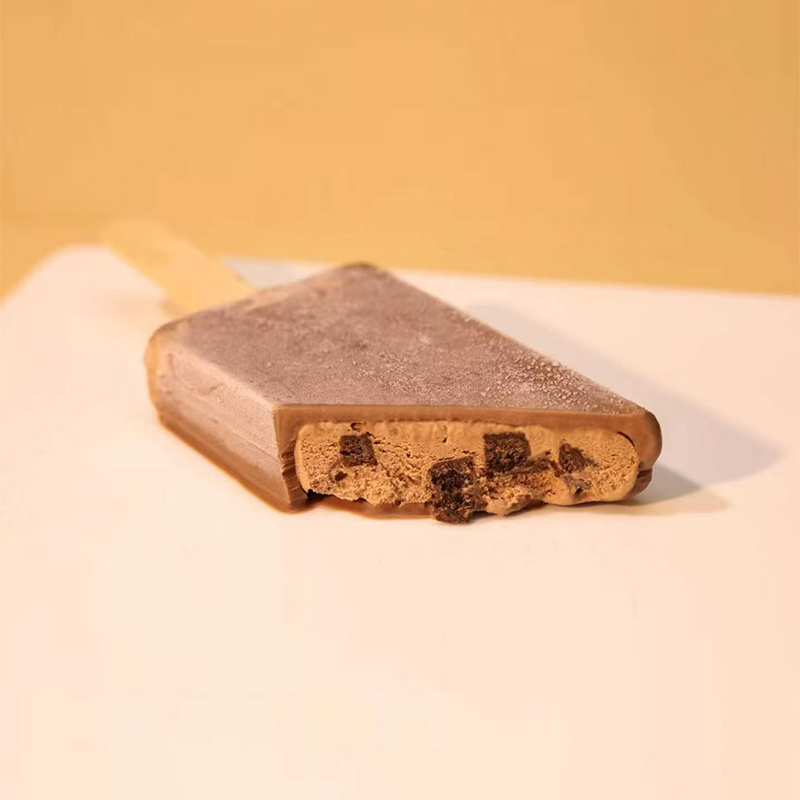
This soft cocoa cookie crumb has a rich, mellow, chewy texture and is an ideal partner for chocolate and vanilla ice cream. It keeps its soft bite even after being mixed into ice cream.
See Details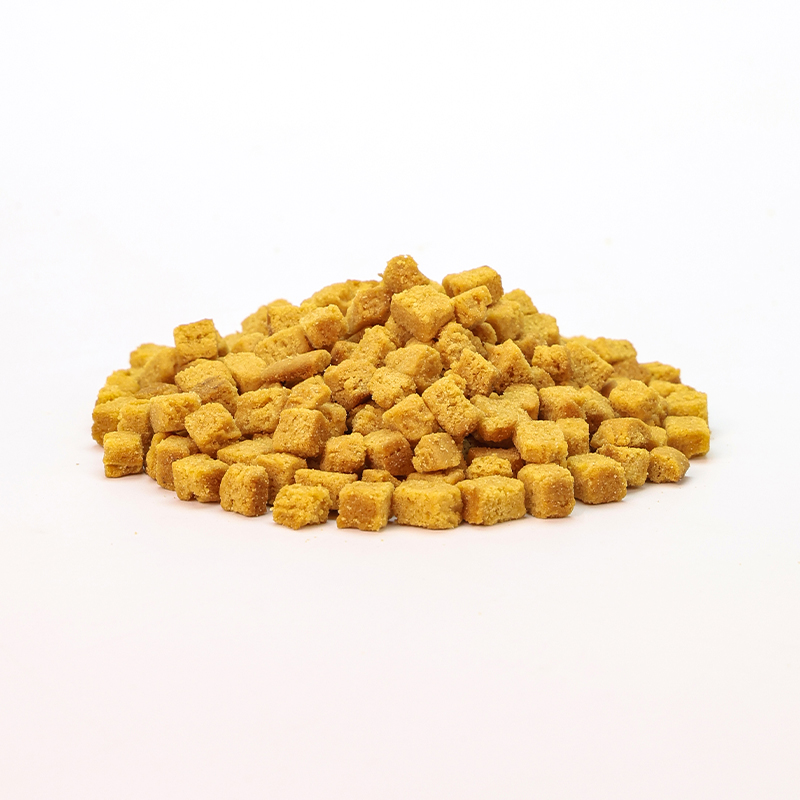
This soft butter cookie crumb has a springy, chewy texture and a rich natural butter aroma. It gives ice cream a cake-like richness and can also be used as a base layer for cheesecake.
See Details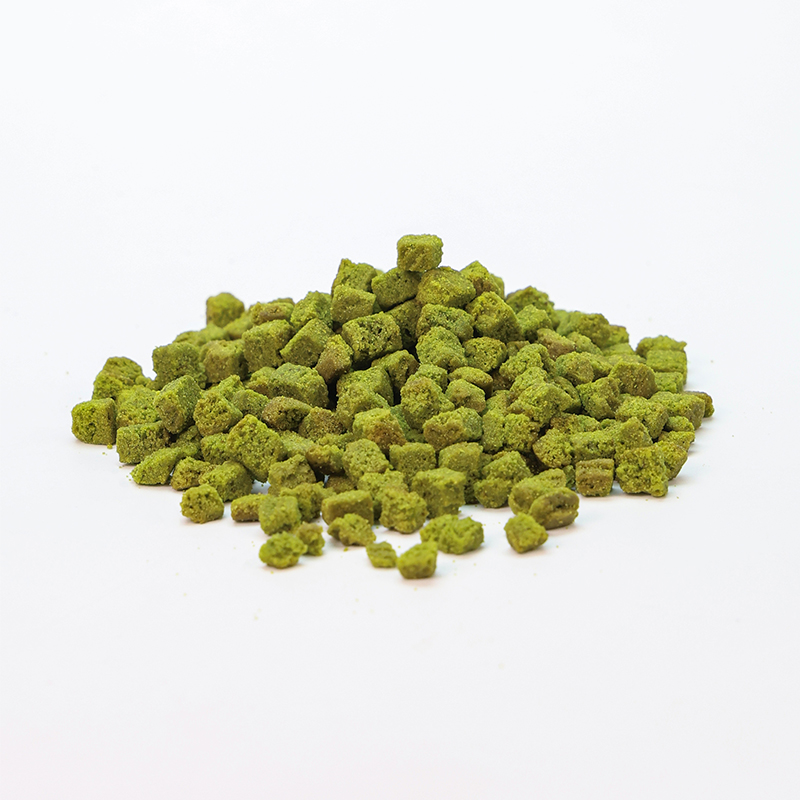
This soft matcha cookie crumb has a springy, chewy texture, and both its color and flavor come from real matcha. It adds a distinctive, recognizable touch to matcha desserts and ice cream.
See Details
Quick Links
Product Category
Code Preview