 English
 中文简体
中文简体
Medium Cocoa Biscuit Crumbles: Vegetarian, Natural, Versatile IngredientThis product is a high-quality ingredient specifically designed for the modern food industry, perfectly balancing rich bittersweet flavor with a las...
See Details

 2026.08.28
 Industry News
Content
Picture this: you have just unmoulded a cheesecake, and the biscuit crust feels damp and heavy. Or you are producing dessert cups in a commercial kitchen, and the crumb layer loses its crunch long before the cups reach the shelf. Soggy biscuit crumb is a frequent complaint, but it is not random. Once you understand the mechanics of moisture, you can prevent it almost every time.
The short version: keep the crumb dry, keep moisture away from it, and package it so it stays dry. This guide explains the causes, the fixes, and the product choices that help—whether you bake at home or source ingredients for a production line.
Biscuit crumb is a porous, low-moisture material. It stays crisp because the water activity inside the crumb is much lower than the water activity of most fillings. Cheesecake batter, pastry cream, ice cream, and fruit compotes all have water activity values above 0.80. Biscuit crumbs typically sit between 0.20 and 0.40. Water moves from high water activity to low water activity, which means it naturally moves into the crumb.
Three moisture sources usually cause the problem: filling moisture, condensation in the fridge, and ambient humidity. The first is the main culprit, but the other two can undo your work after the crumb has been assembled.
Illustrative distribution of moisture sources that soften biscuit crumbs.
In the fridge, temperature changes create condensation on surfaces. A cheesecake sitting uncovered for a day will absorb enough moisture to change its crust texture. Even crumbs stored in a pantry can go soft when the weather is humid.
Before trying any barrier or storage trick, make sure the crumb itself is dry. If you grind biscuits at home, spread the crumbs on a tray and bake them at low temperature—around 150°C—for five to ten minutes. This drives off surface moisture and produces a crisper, more stable base. Cool the crumbs completely before use, because warm crumbs create their own steam.
For baked cheesecake crusts, pre-bake the crust before adding the filling. This helps the crumb structure firm up and removes extra moisture. Place the pan on the lower oven rack and use a water bath only if the pan is fully sealed. Direct contact between the water bath and the pan sides can wet the crust.
Another habit is to wait until the filling has cooled completely before pouring it into the crust. A hot filling releases steam into the crumb, and that steam is enough to soften the base overnight. This is one of the simplest and least appreciated rules. For a full walkthrough, see our guide to making a perfect cookie crumb crust.
The most effective way to protect a crumb layer is to put a hydrophobic barrier between it and the liquid. In cheesecake, brushing the pre-baked crust with melted chocolate or white chocolate and letting it set before pouring the filling is a reliable technique. The chocolate layer blocks water migration and also gives a cleaner cut when you slice the finished cake.
Butter in the crumb helps, but it is not enough on its own. Too much butter makes the base oily and difficult to cut. A thin coating of chocolate or cocoa butter does more without weighing down the texture.
For ice cream, cookie pieces can be dipped in chocolate or tossed with cocoa butter. The coating keeps the pieces crunchy through the freezing and thawing cycle. In industrial applications, compound coatings with a low water activity are often used because they are easier to handle than pure chocolate.
Particle size matters more than most recipes admit. Fine powder has a large surface area and absorbs moisture quickly. It can turn into a paste within minutes. Larger chunks and flakes take longer to soften because the water must penetrate further before reaching the centre.
Use the table below to match crumb size to your application and to choose the right protection strategy.
| Crumb type | Best used for | Soggy risk | Protection tip |
|---|---|---|---|
| Fine powder | Toppings, mousse layers, lining moulds | High | Add just before serving or seal with fat |
| Medium crumble | Cheesecake bases, tart crusts | Medium | Pre-bake and coat with chocolate |
| Large chunks | Ice cream, dessert cups, bars | Medium | Coat with cocoa butter or compound coating |
| Feuilletine flakes | Chocolate fillings, crunchy layers | Medium | Keep inside sealed chocolate or fat matrix |
For ready-to-use bases, a medium caramel biscuit crumble with a controlled moisture level saves time in a busy bakery. Our caramel biscuit crumble is granulated for even coverage in crusts and dessert layers. If you need a darker, more neutral crumb for chocolate desserts, small cocoa biscuit crumbles offer a practical balance between texture and moisture resistance.
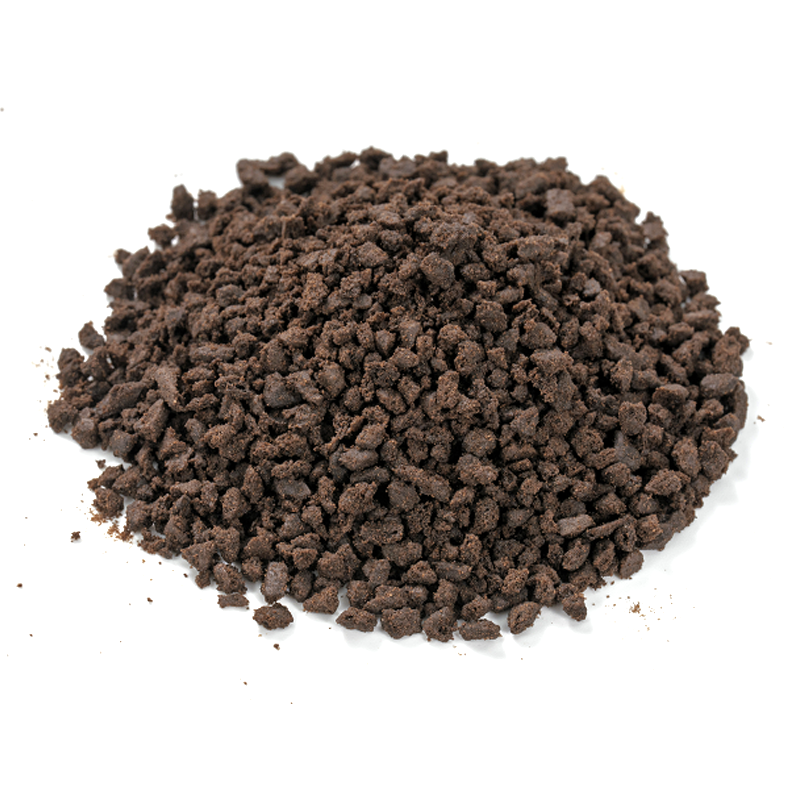 Wholesale Small Cocoa Biscuit Crumbles Suppliers, Exporter Company - YOULEI FOODYOULEI FOOD TECHNOLOGY CO.,LTD. is a China Small Cocoa Biscuit Crumbles suppliers and exporter company, We specializes in wholesale Small...View Product →
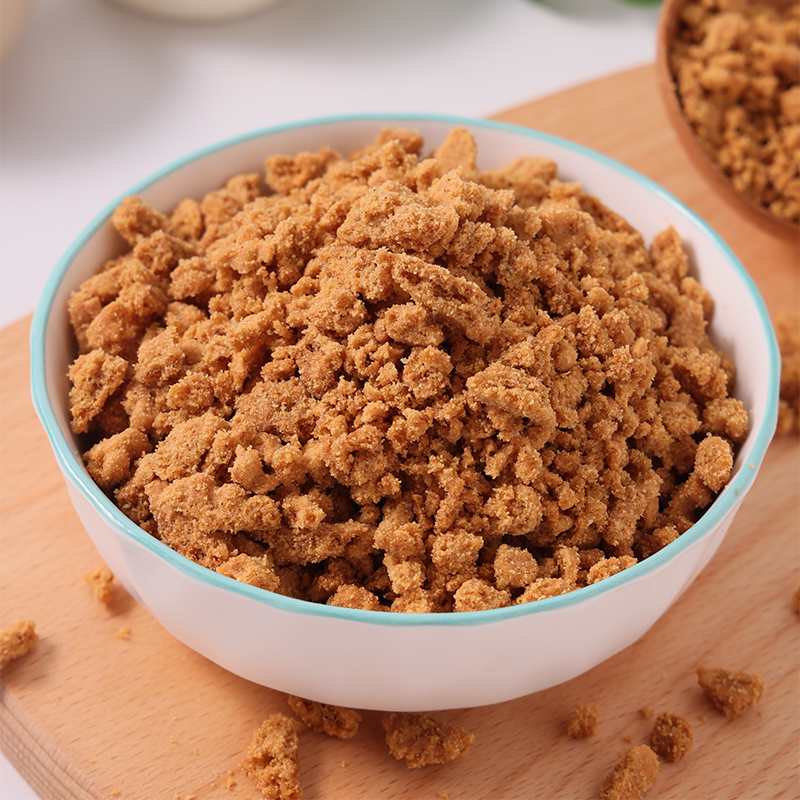 Wholesale Caramel Biscuit Crumbles Suppliers, Exporter Company - YOULEI FOOD TECYOULEI FOOD TECHNOLOGY CO.,LTD. is a China Caramel Biscuit Crumbles suppliers and exporter company, We specializes in wholesale Caramel B...View Product →
Once the crumb is in your dessert, the battle moves to storage. At home, loose biscuit crumbs stay crisp longer when stored in an airtight container with a few grains of raw rice at the bottom. The rice works as a simple desiccant, absorbing humidity that would otherwise reach the biscuits.
Fridge storage is a different challenge. A fridge is a wet environment. If your cheesecake must be chilled, cover it with a sealed container or wrap it tightly before refrigerating. An uncovered cake collects condensation on the crust edges and under the base.
For commercial products, choose packaging film with a low water vapour transmission rate (WVTR). A desiccant sachet inside a sealed bag can help for dry crumb products. The goal is to keep the water activity of the crumb stable until the product is opened.
In bakery and dessert production, a small change in crumb moisture can affect the whole batch. A dessert cup that loses its crunch before reaching the retailer will generate complaints and returns. That is why many food manufacturers now partner with suppliers who can guarantee particle size, moisture content, and fat application.
A dedicated biscuit-base supplier can produce crumbs to your specification, from fine powder to large flakes. This is especially useful when you need a consistent texture across thousands of units. Our team works with ice cream brands, bakeries, and chocolate manufacturers to build the right crumb profile for each application.
For frozen products, a finely ground cocoa biscuit powder can be used as a flavour layer in mousse and ice cream bases. It blends smoothly without creating hard lumps, but it should be added at the right moment and protected from high-water syrups. Our cocoa biscuit powder is one example of a crumb designed for such use.
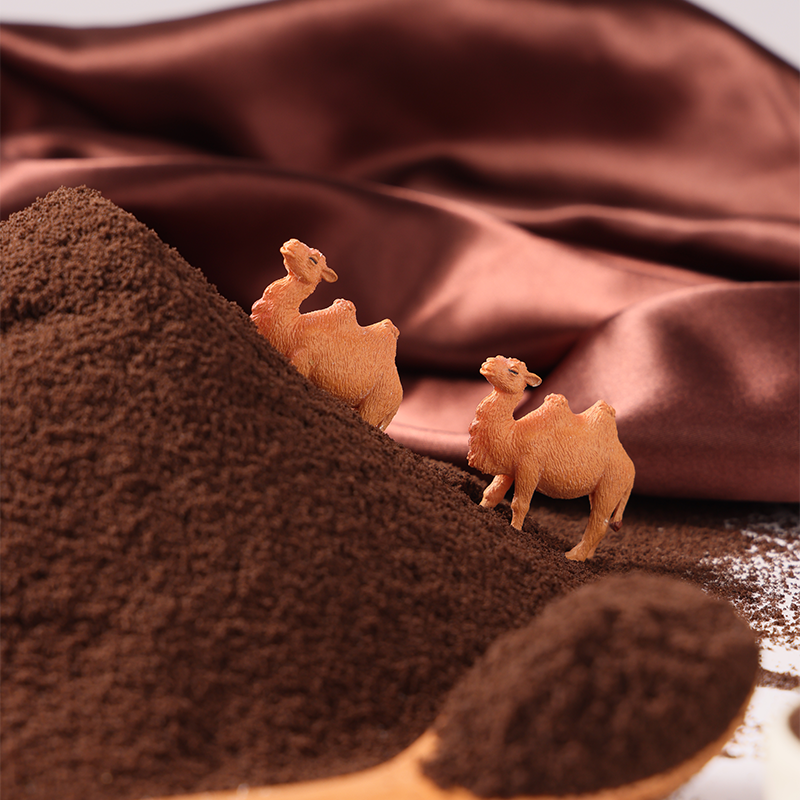 Wholesale Cocoa Biscuit Powder Suppliers, Exporter Company - YOULEI FOOD TECHNOLYOULEI FOOD TECHNOLOGY CO.,LTD. is a China Cocoa Biscuit Powder suppliers and exporter company, We specializes in wholesale Cocoa Biscuit...View Product →
If you are developing a new dessert, ask your supplier for the crumb's water activity, particle-size distribution, and recommended handling. These specifications matter more than any brand promise.
If the crumb has only absorbed a small amount of moisture, spread it on a baking tray and dry it in a low oven for a few minutes. Once the texture has turned pasty or mould develops, it cannot be restored.
Not always, but it is the most effective barrier. For no-bake cheesecakes, a thin layer of melted chocolate or white chocolate will keep the crust noticeably crisper.
Use coarser chunks for pieces that must stay crunchy. Fine powder is better as a swirl or dusting, and it should be combined with fat or added just before freezing.
Yes. The lower rack keeps the cheesecake away from the hottest air at the top and reduces the chance of water bath leakage or steam damage to the crust. It is a practical habit, not a myth.
The key to crisp biscuit crumbs is not a single ingredient or a lucky trick. It is a system: dry the crumb, reduce moisture migration, choose the right particle size, and package correctly. Each step buys you more time between production and serving.
Whether you are preparing a home cheesecake or sourcing ingredients for a commercial line, the same principles apply. Start with a dry, consistent crumb, keep water away from it, and the crunch will stay where it belongs.
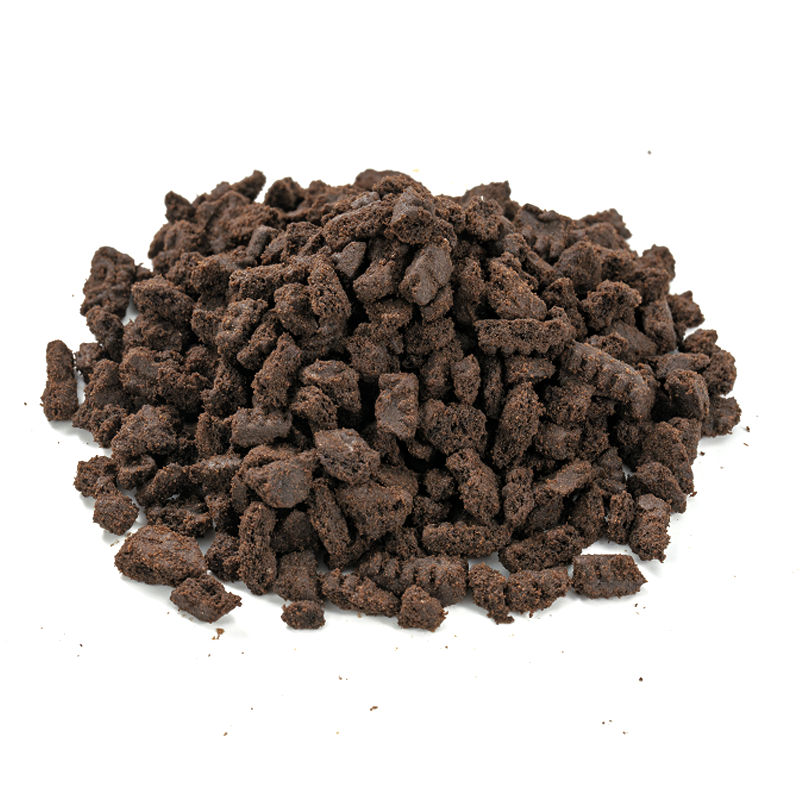
Medium Cocoa Biscuit Crumbles: Vegetarian, Natural, Versatile IngredientThis product is a high-quality ingredient specifically designed for the modern food industry, perfectly balancing rich bittersweet flavor with a las...
See Details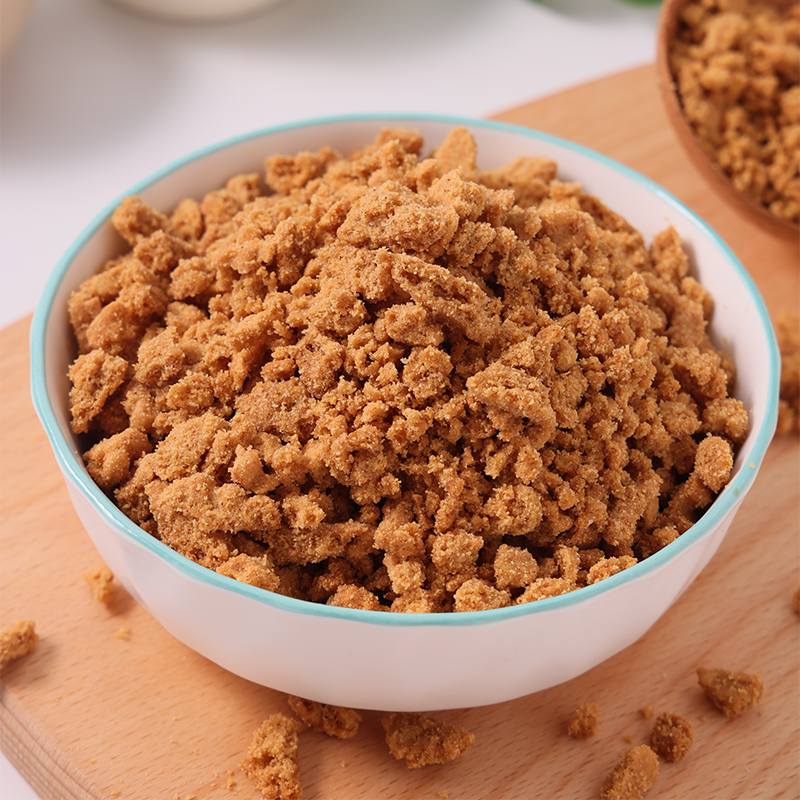
Baked using traditional European methods, this product boasts a natural amber color. Its core appeal lies in the perfect blend of rich caramel sweetness and spicy cinnamon aroma, with a distinct granular texture. It's a ...
See Details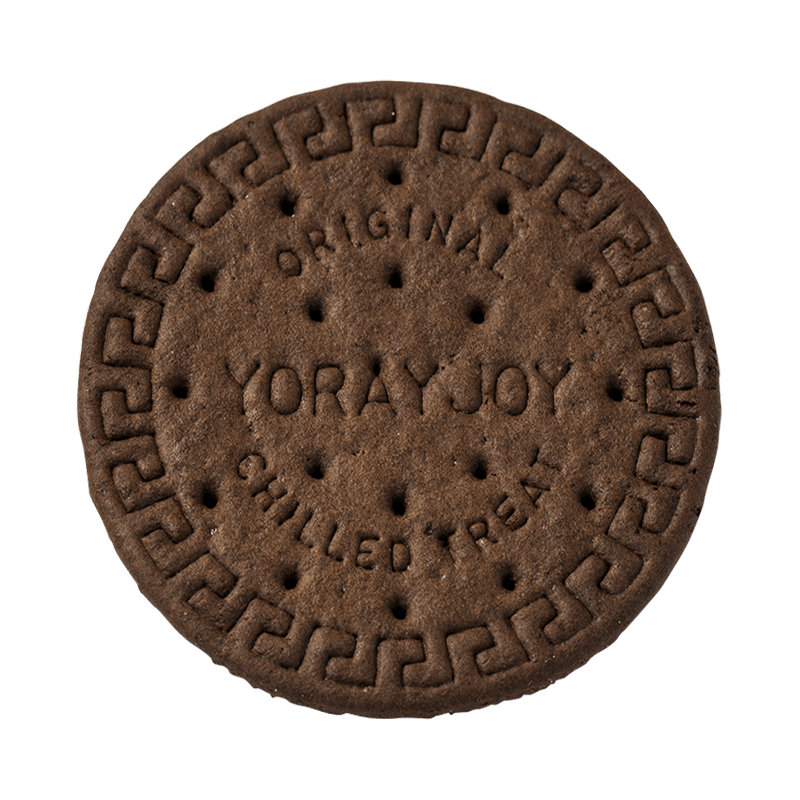
These Round Cocoa Hard Biscuits are specially designed for high-end frozen desserts and creative snacks, combining a crisp texture with excellent cold-chain transformation properties.
See Details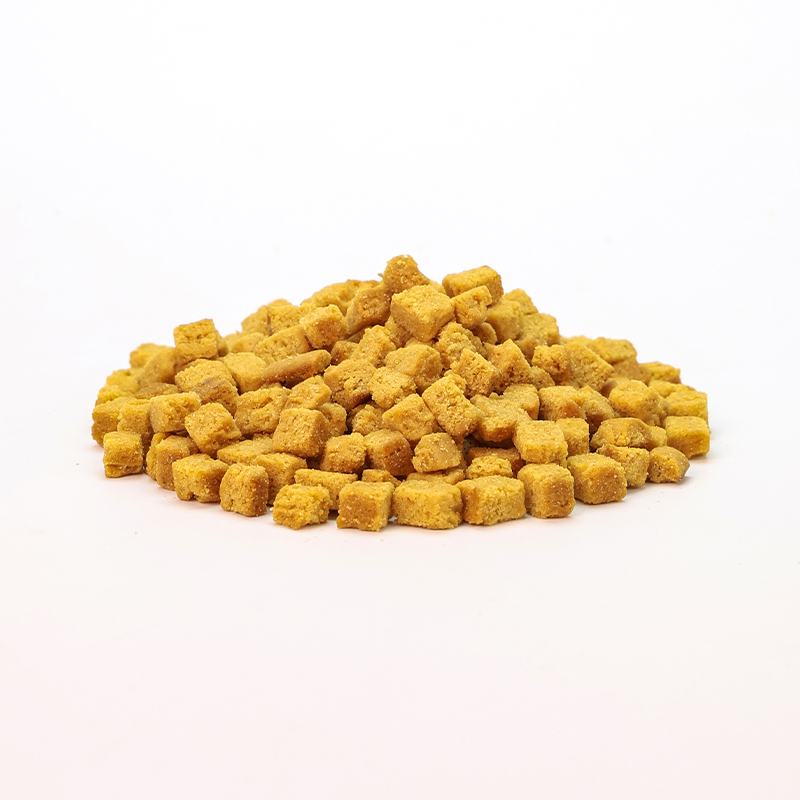
This soft butter cookie crumb has a springy, chewy texture and a rich natural butter aroma. It gives ice cream a cake-like richness and can also be used as a base layer for cheesecake.
See Details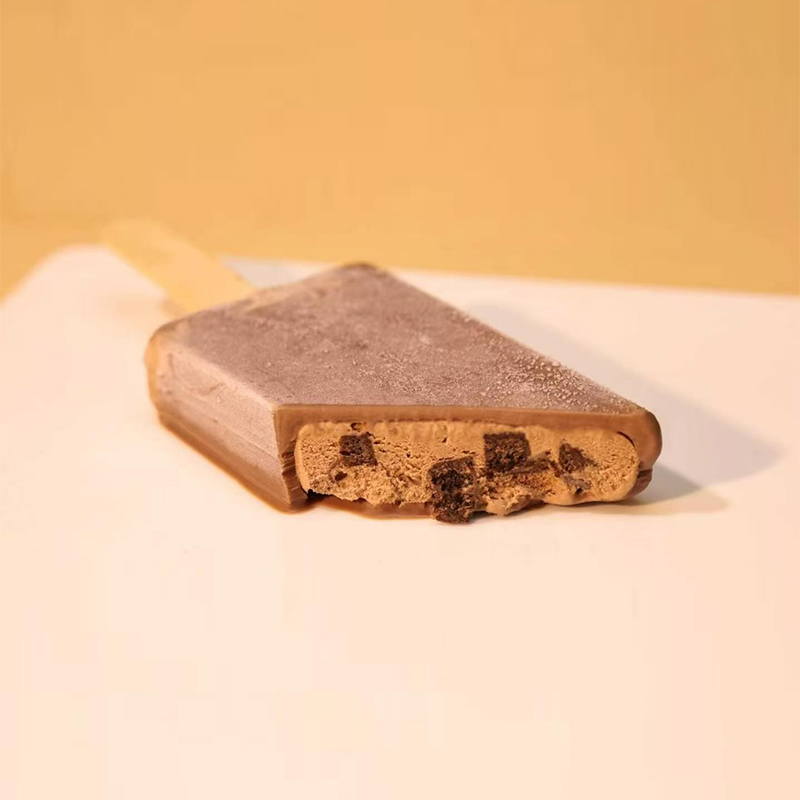
This soft cocoa cookie crumb has a rich, mellow, chewy texture and is an ideal partner for chocolate and vanilla ice cream. It keeps its soft bite even after being mixed into ice cream.
See Details
Quick Links
Product Category
Code Preview

