English
 中文简体
中文简体
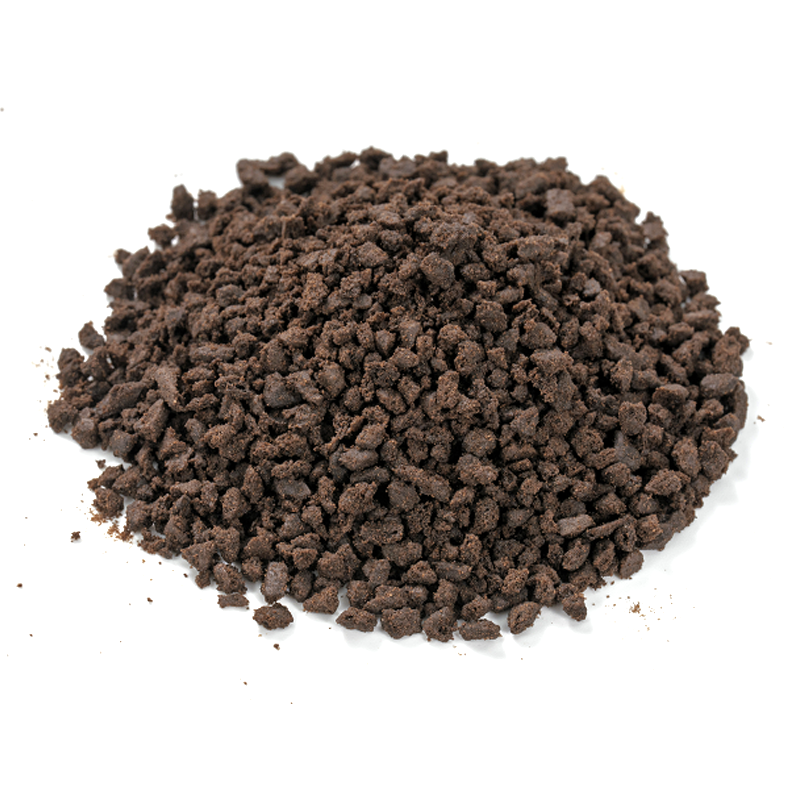
Medium Cocoa Biscuit Crumbles: Vegetarian, Natural, Versatile IngredientThis product is a high-quality ingredient specifically designed for the modern food industry, perfectly balancing rich bittersweet flavor with a las...
See Details

 2026.09.04
 Industry News
Content
A cheesecake base pressed from biscuit crumb that was milled too fine bakes into a dense, pasty layer with no snap. The same recipe built on crumb that is too coarse soaks up butter unevenly and collapses at the first cut. In both cases the recipe is rarely the problem—the particle size of the crumb is.
In crumb supply, biscuit crumb particle size for baking is the specification that quietly decides whether a pressed base binds or falls apart, whether a topping stays crisp or turns soggy overnight, and whether an ice cream inclusion reads as pleasant crunch or as grit. Treating it as a primary parameter—rather than a line item on the order form—is what separates a consistent crumb supply from an erratic one.
Three mechanisms tie the performance of biscuit crumb directly to its particle size: how it handles moisture, how it fractures in the mouth, and how it looks on the finished product.
Finer particles expose far more surface area, so they absorb fat and moisture faster and more completely. That is why a fine biscuit powder pulls melted butter into an even, compact base, while coarse crumb leaves loose pockets that can weep fat after baking. The same physics drives sogginess: in a chilled dessert, fine crumb at the surface softens within hours, while a crumble of 2–3 mm keeps its edge much longer because less of its structure sits in contact with moisture.
Flour research points in the same direction. Milling studies repeatedly show that dough performance shifts measurably as average particle size moves between roughly 200 microns and 1 mm, and anyone working with crumb sees the same sensitivity one scale up.
The finer the crumb, the shorter and more tender the eat. Powdered biscuit crumb delivers a melt-away, almost creamy texture that suits pressed bases and dustings. Small crumbles add a light, even crunch that distributes smoothly through yogurt or ice cream. Medium and coarse pieces bring an audible shatter—the property that makes a topping feel generous rather than dusty.
On a glazed cake or the inside wall of a dessert cup, fine powder coats completely but reads as a flat dusting and can darken unevenly as it catches moisture. Crumbles in the 2–5 mm range give visible, appetizing texture and stay anchored in cream or chocolate, which is why most decorative applications sit in that band.
Industrial suppliers grade biscuit crumb by passing it through calibrated sieves, then describe each grade by its target size and tolerance. Names vary between suppliers, but the working bands below cover most baking and dessert applications.
| Grade | Typical size | Behavior in the product | Best-fit applications |
|---|---|---|---|
| Crumb powder | Below about 0.5 mm | Binds fat and moisture quickly; forms smooth, compact layers | Cheesecake and pie bases, dusting, flavor layers in spreads |
| Small crumbles | About 1–2 mm | Light, even crunch; distributes without sinking | Yogurt and dessert cups, ice cream mixing, thin coatings |
| Medium crumbles | About 2–5 mm | Distinct bite with visible texture | Cake decoration, toppings, inclusions in chocolate and cream layers |
| Coarse pieces | Above about 5 mm | Pronounced shatter; strong visual statement | Statement toppings, cookie pieces in frozen treats |
Powder deserves a note of its own: because it behaves more like an ingredient than a topping, buyers often treat it as two products in one—base builder and flavor carrier.
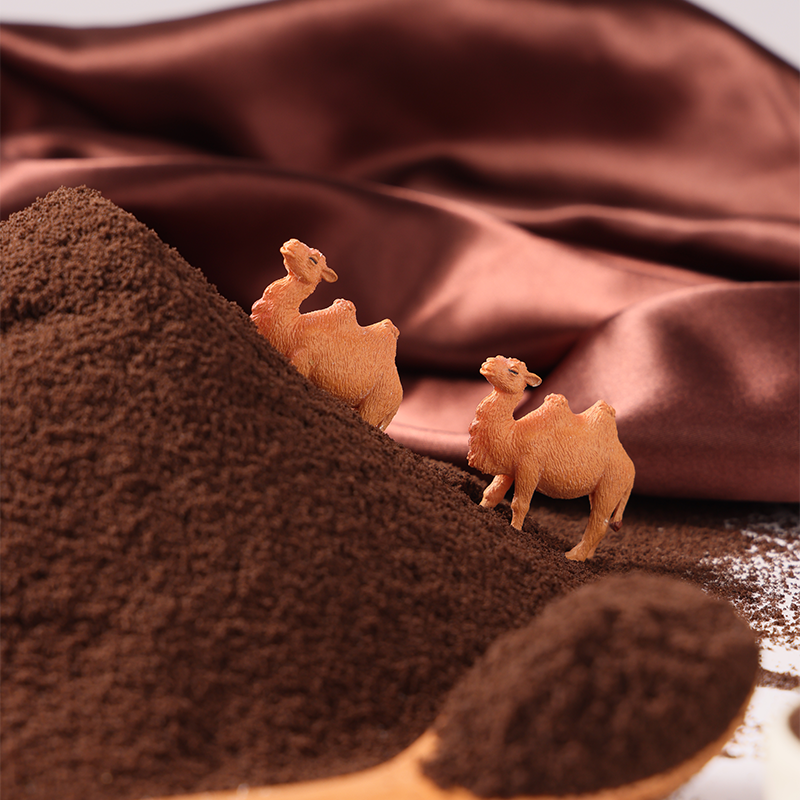 Cocoa Biscuit Powder for Baking, Beverages and DessertsA plant-based cocoa biscuit powder with no artificial colors or dairy, available in retail and bulk formats. It works as both a base builder and flavor carrier, and the following paragraphs discuss choosing grades by application.View Product →
The right grade depends less on the product category and more on what the crumb has to survive: heat, moisture, freezing or long contact with fat.
Cheesecake and pie bases need fine-to-small crumb, typically milled powder blended with a small share of 1–2 mm particles. The powder packs tightly against the fat, while the slightly larger fraction stops the base from turning into a solid slab. Baked or no-bake, the ratio between those two fractions determines whether the slice holds a clean edge. For a step-by-step walkthrough of the base itself, see our guide to building a perfect cookie crumb crust.
Freezing punishes fine particles: crumb below roughly 1 mm turns leathery at low temperature and disappears into the mix. Small and medium crumbles, by contrast, stay defined through freeze–thaw cycles. Ice cream sandwich biscuits raise a different question—the texture there is engineered into the baked wafer before freezing, with crisp or hard formulations chosen to survive contact with the frozen mix.
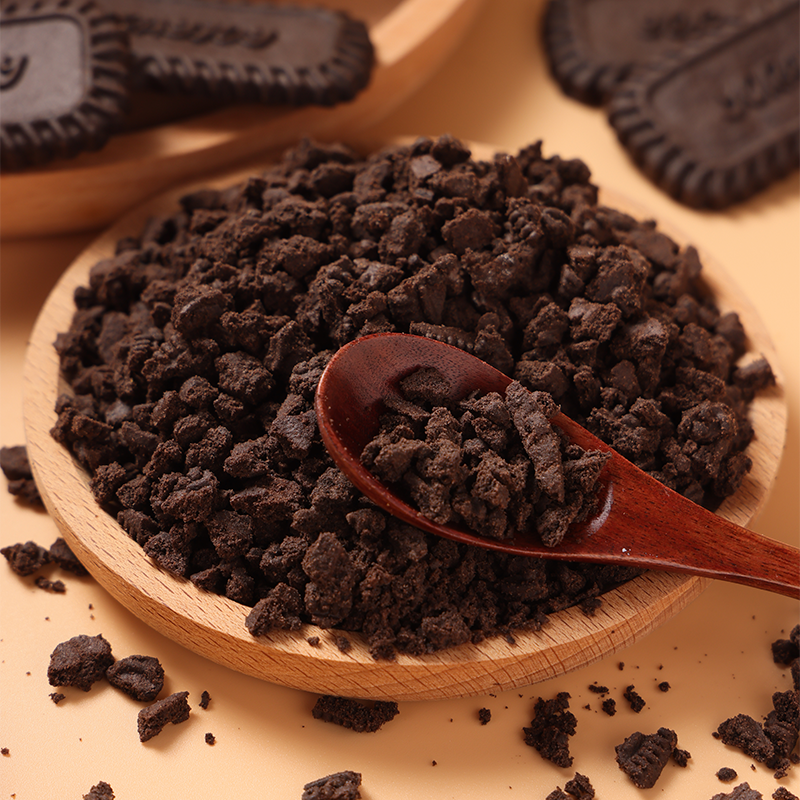 Medium Cocoa Biscuit Crumbles for Frozen ApplicationsThese graded medium crumbles keep their texture through mixing and freeze–thaw cycles, making them suited to ice cream and cold desserts. The dairy-free, vegetarian formula holds bittersweet cocoa flavor with minimal powder residue.View Product →
Fat-based matrices favor thin, flaky structures. This is where feuilletine-style flakes earn their place: because the crisp lamellae are so thin, chocolate surrounds them completely and moisture never reaches the starch, so the shatter survives months on the shelf. Chunkier crumb works too, but only when each piece is small enough for chocolate to coat every face.
Yogurt cups, dessert jars and topped milk teas share one problem: the crumb sits against moisture for hours or days. Medium crumbles of 2–4 mm resist softening longest, and caramel-flavored crumb holds its identity against dairy better than lighter recipes. Packing the crumb separately and adding it at filling is the other half of the answer.
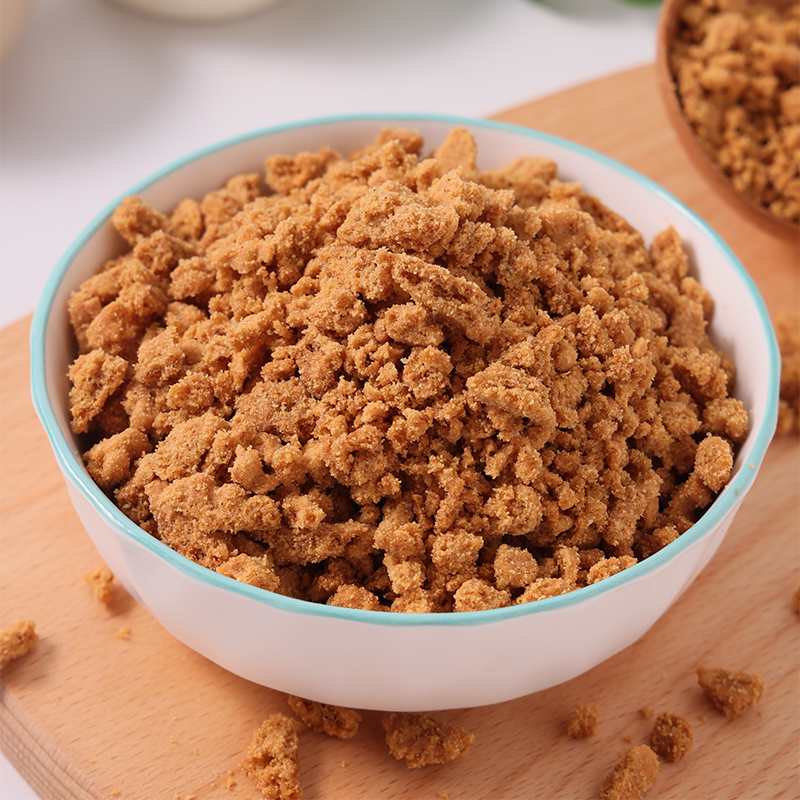 Caramel Biscuit Crumbles for Moist Dessert CupsCaramel-flavored crumb holds its identity against dairy and resists softening in yogurt cups and dessert jars. The plant-based, clean-label granules add amber color, caramel sweetness and a distinct chewy texture.View Product →
A number on a datasheet means little without the method behind it, so a workable crumb specification should nail down five points:
Suppliers who control grading in their own facility can hold these tolerances across orders; those who buy crumb on the open market usually cannot. Reviewing a supplier's grading capability before committing is the fastest way to avoid surprises, and comparing a full range of cookie crumb grades side by side makes the differences obvious.
No. Fine crumb binds fat and moisture quickly, which suits bases and dustings, but it turns leathery in frozen products and softens fastest in moist desserts. Coarser fractions trade binding power for texture and endurance. The correct grade depends on where the moisture will come from and how long the product must hold.
Yes, and many formulations do. A blend of powder with 1–2 mm crumb gives both tight packing and texture in a pressed base, while a powder-plus-medium blend covers cups with visible crunch. If you blend, specify the ratio and the tolerance of each fraction so the mix stays consistent between orders.
It changes how color reads. Fine powder produces a uniform, deeper-looking surface because it scatters light evenly and shows more of the baked crumb's tone. Larger crumbles create contrast between the pieces and the surrounding cream or coating, which reads lighter and more textured even when the crumb itself is identical.
Larger particles stay crisp longer simply because a smaller share of each piece touches moisture. Coating crumb in fat or chocolate—common in confectionery—extends that further by sealing the surface. For naked crumb on dairy, expect visible softening in fine grades within hours, and in grades above 3 mm over a day or more under refrigeration.
Biscuit crumb is not one ingredient but a family of them, defined first by particle size. Fix the grade, the tolerance and the moisture limits before anything else, and most texture problems downstream disappear before they start.
Working with a supplier that grades crumb in its own facility makes that easier. Producers such as Youlei Food Stuff Technique (Jingjiang) supply cocoa and caramel crumb in defined powder, small and medium grades, back the range with in-house quality control, and can adjust grading to match a customer's line—so the specification you write is the specification that arrives.
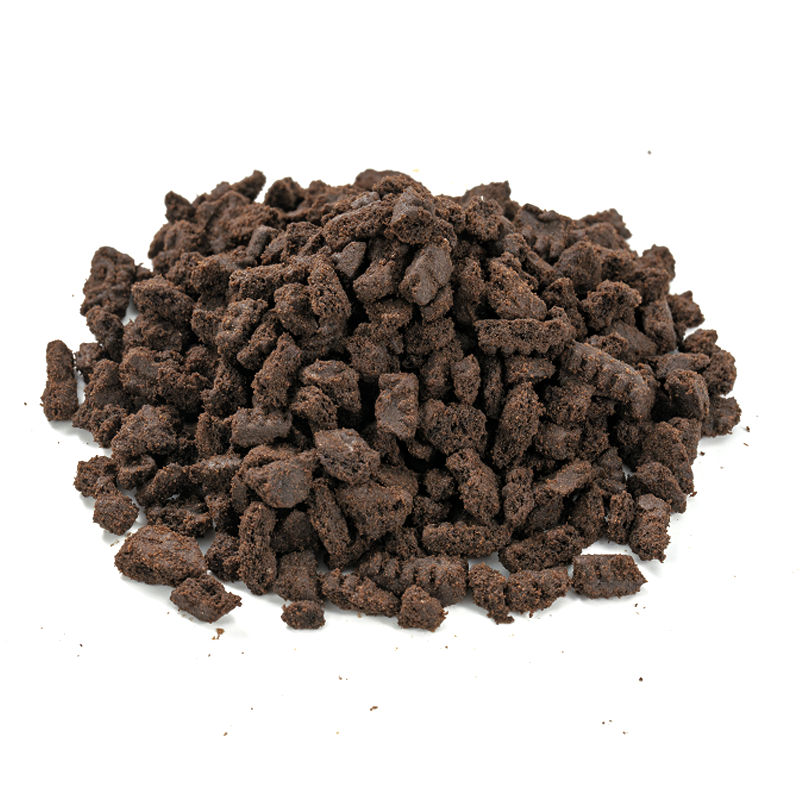
Medium Cocoa Biscuit Crumbles: Vegetarian, Natural, Versatile IngredientThis product is a high-quality ingredient specifically designed for the modern food industry, perfectly balancing rich bittersweet flavor with a las...
See Details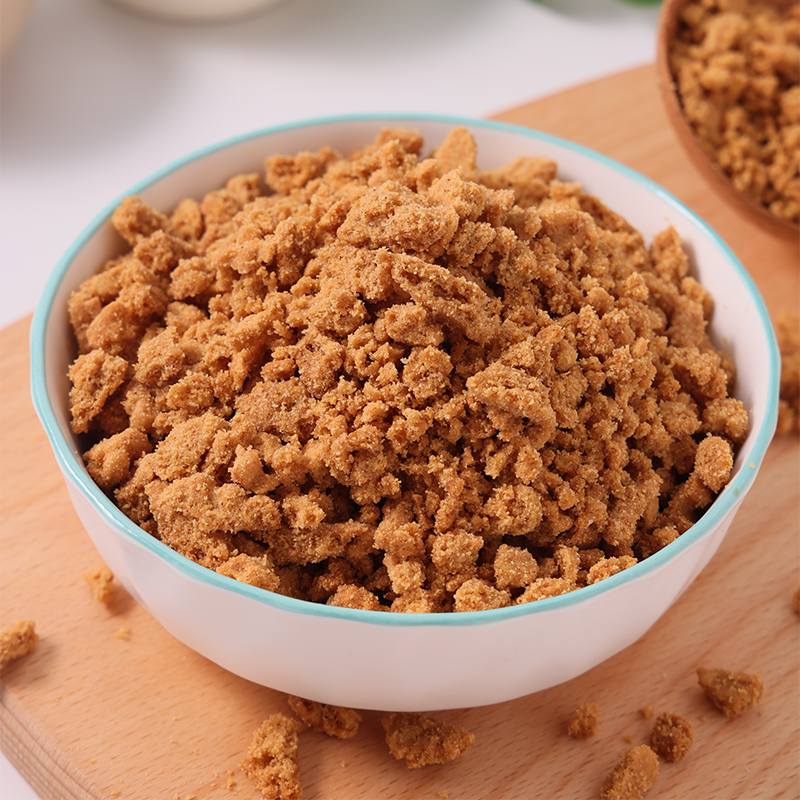
Baked using traditional European methods, this product boasts a natural amber color. Its core appeal lies in the perfect blend of rich caramel sweetness and spicy cinnamon aroma, with a distinct granular texture. It's a ...
See Details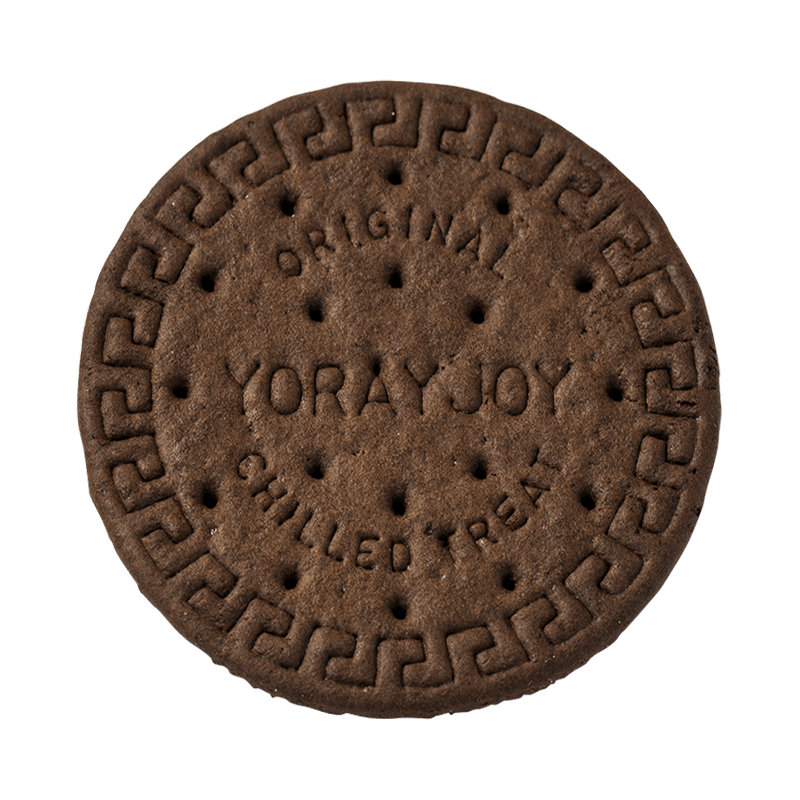
These Round Cocoa Hard Biscuits are specially designed for high-end frozen desserts and creative snacks, combining a crisp texture with excellent cold-chain transformation properties.
See Details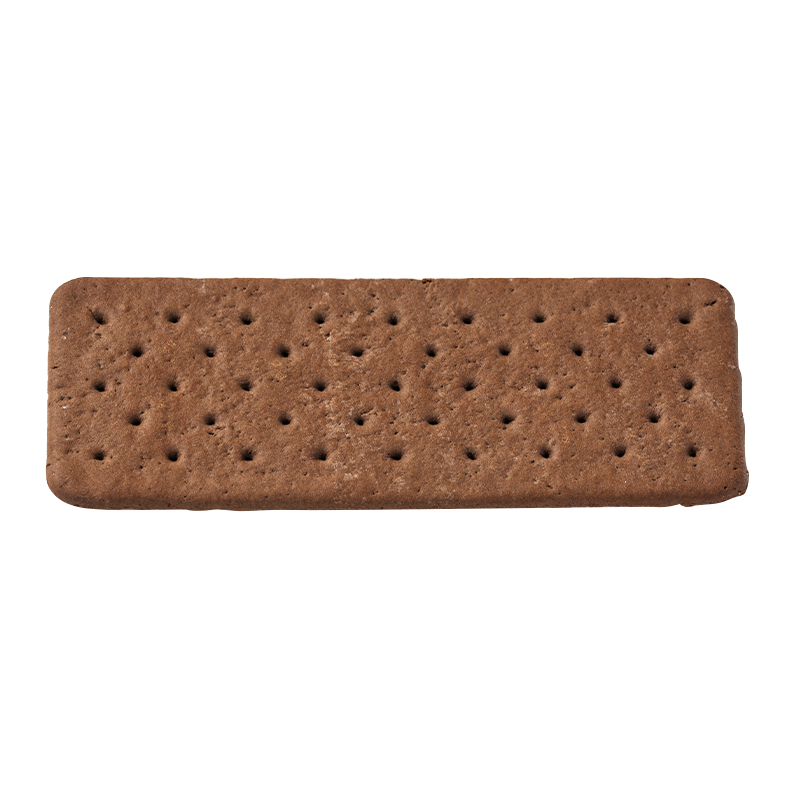
This rectangular cocoa hard biscuit is a classic baked semi-finished product, combining a crisp texture with excellent physical compatibility, making it an ideal base for frozen desserts and creative snacks.
See Details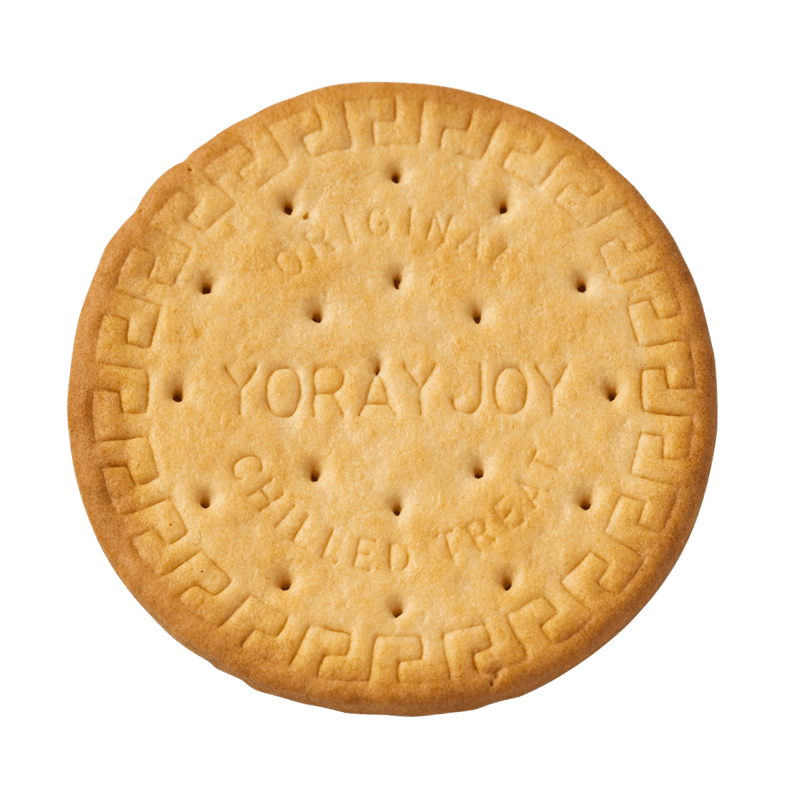
These Round Butter Hard Biscuits combine classic flavor with versatile textures, making them the ideal base for ice cream sandwiches.
See Details
Quick Links
Product Category
Code Preview