 English
 中文简体
These Round Cocoa Hard Biscuits are specially designed for high-end frozen desserts and creative snacks, combining a crisp texture with excellent cold-chain transformation properties.
See Details

 2026.09.07
 Industry News
Content
A container of cocoa biscuit crumb can be physically perfect — correct particle size, correct color, correct caramelized flavor — and still be held at a European border because its certificate of analysis omits ochratoxin A results or states no water activity value. Shipments are rarely refused for how a biscuit tastes. They are refused because the paperwork cannot prove the process was controlled.
That is the working reality of food safety standards for biscuit export. Buyers of biscuit crumbs, feuilletine, spreads and ice cream sandwich biscuits audit the documented system behind the product as closely as the product itself. This guide covers the standards that decide whether an order ships, the hazards specific to biscuit products, the documents inspectors expect, and the checks worth running before signing a supply contract.
The foundation is the Codex Alimentarius, the joint FAO/WHO reference from which most national food laws borrow. Two layers sit above it in daily trade: HACCP — the hazard analysis method that identifies critical control points such as baking, sieving and metal detection — and the GFSI-recognized certification schemes that retail and industrial buyers use as a purchasing filter.
Which scheme a buyer demands depends on the destination. Customers linked to UK and EU supermarkets normally ask for BRCGS Food Safety. Large ice cream, chocolate and dairy manufacturers commonly accept FSSC 22000 or an ISO 22000-based system. IFS dominates where French and German retail chains are involved. Under every scheme sit GMP and GHP prerequisite programs — pest control, personnel hygiene, equipment maintenance — which no audit waives.
| Requirement | What it verifies | Who typically requires it |
|---|---|---|
| Codex Alimentarius / GHP | Baseline hygiene and good manufacturing practice | National authorities; the foundation for all audits |
| HACCP plan | Hazard analysis with critical control points (baking, sieving, metal detection) | Virtually every B2B buyer |
| ISO 22000 | Management-system approach built around HACCP | Industrial buyers; public tenders in Asia and the Middle East |
| FSSC 22000 (GFSI) | Full certification audit of the food safety system | Large ice cream, chocolate and dairy manufacturers |
| BRCGS Food Safety (GFSI) | Certification audit with retail-grade requirements | UK- and EU-retail-linked customers |
| IFS (GFSI) | Certification audit common in continental Europe | French and German retail-linked customers |
Two practical points. First, a certificate is only as strong as its scope: confirm that the document covers the exact product category quoted, not just the factory site. Second, certification never replaces destination-market law — a flawless BRCGS audit does not exempt a biscuit base from EU chemical limits or US labeling rules.
Three hazard groups dominate compliance work on biscuit bases, and each one changes what a buyer should see in the supplier's records.
Wheat (gluten) is the flour itself; milk and soy lecithin are standard in most recipes; spread and caramel lines raise cross-contact questions wherever nuts are handled on site. The EU requires the 14 major allergens to be emphasized in ingredient lists, and the US FALCPA rules govern the "Contains" statement. For a base supplier this translates into three verifiable controls: segregated raw material storage, validated changeover cleaning on shared lines, and allergen swab results on the batch certificate of analysis.
Mycotoxins — aflatoxin and ochratoxin A above all — enter through grain and cocoa raw materials, and EU maximum levels sit in the low parts-per-billion range. Acrylamide forms during baking at temperatures above roughly 120 °C. It is governed by an EU benchmark of 350 µg/kg for biscuits rather than a legal maximum, with a stricter 150 µg/kg benchmark for biscuits and rusks aimed at infants.
In practice most industrial buyers treat the benchmark as a hard specification, which pulls baking parameters — piece thickness, final-zone temperature, browning targets — into the safety file alongside the recipe.
Low-moisture biscuits are microbiologically stable, which is why they ship without refrigeration. But low water activity is not the same as low risk: Salmonella survives for months in dry environments, so on crumb lines the critical weight falls on dust extraction, sieving and metal detection. Water activity also defines texture — crisp bases stay crisp below roughly 0.4–0.5 aw, while spreads and creams need their own moisture and fat-bloom controls. A barrier package and a per-batch aw test keep both hazards measurable.
The dossier that travels with a biscuit shipment has four equal pillars; a gap in any one of them can hold a container as effectively as a failed laboratory test.
Health certificates. Many destinations require an official export health certificate endorsed by the competent authority. Exporters to the US must also hold FDA facility registration, and EU importers must verify that suppliers are correctly listed where listing rules apply.
Batch documentation. Every lot should carry a certificate of analysis covering water activity, moisture, microbiology (Salmonella, Enterobacteriaceae, yeast and mould counts) and allergen status, backed by the metal-detection and sieving records generated at the control points.
Labeling. Ingredient declaration with allergens emphasized, nutrition panel, lot code, best-before date, country of origin and responsible operator details — formatted to the destination market's rules rather than the supplier's domestic template.
Traceability. One-step-back, one-step-forward lot linkage, plus a mock recall executed in hours rather than days. Auditors increasingly ask to see the last mock recall record, not just the written procedure.
For buyers, all of this reduces to a simple test: can the supplier answer specification questions from routine records, without special preparation?
Take crumb products. The commercial specification is particle size — powder for flavor dispersion in dairy and ice cream mixes, small and medium granules for coating and decoration. The safety-critical part is holding that distribution consistently through calibrated sieving, with metal detection downstream and documented rejection records.
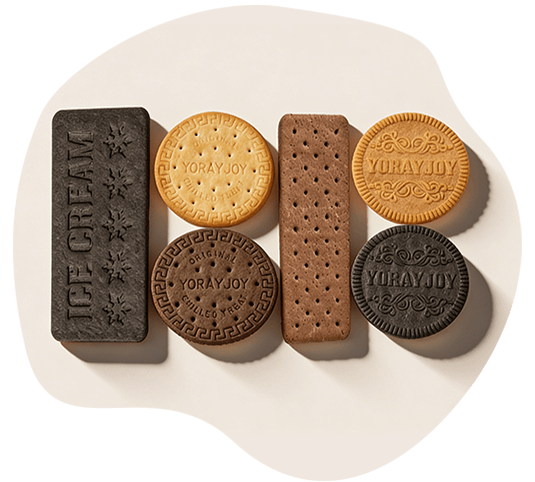 Cocoa and Caramel Cookie CrumbsProduced by crushing finished cocoa and caramel cookies into powder and graded granules, these crumbs carry natural color and caramelized aroma. Calibrated sieving and metal detection keep particle size distribution consistent for coatings, decorations, and ice cream or dairy mixes.View Product →
Feuilletine makes the moisture argument vividly. The ingredient only works if it stays crisp inside chocolate and ice cream applications, which means the producer must hold low water activity from the oven to the barrier bag — and evidence it with per-batch aw values rather than assurances.
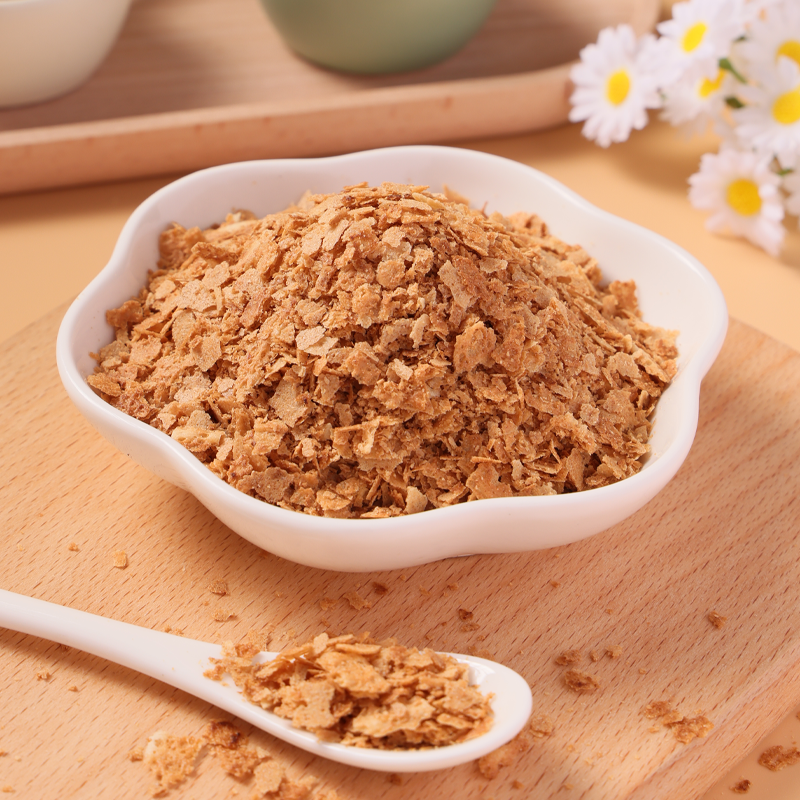 Butter Feuilletine for Pastry and Chocolate WorkUltra-thin crispy sheets made with premium anhydrous butter, designed to stay crisp when coated in chocolate or used in frozen applications. Per-batch water activity control from oven to barrier packaging preserves the crispness desserts depend on.View Product →
Spreads are the most demanding category in the biscuit base portfolio: grinding, emulsification and fat-phase stability sit alongside the usual hazards, and packaging must protect texture through weeks of sea freight. For a grounding in the category, this overview of what biscuit spread is and how it is formulated is a useful reference.
 Speculoos Cookie Butter SpreadA smooth, dairy-free caramel biscuit spread with cinnamon and clove notes, formulated for fat-phase stability to prevent oil separation. Its rheology suits baking fillings, ice cream bases, and beverages, with packaging sized to protect texture through long sea freight.View Product →
Verification closes the loop. An in-house laboratory running micro, moisture and aw tests, capacity large enough to dedicate a line to a customer's specification, and short port logistics all cut the compliance risk a buyer inherits. YOULEI Food Stuff Technique (Jingjiang), a biscuit base supplier four hours from Ningbo Port with annual output above 8,000 tonnes, works on exactly this basis for ice cream, bakery, chocolate, dairy and tea-drink manufacturers.
Before the first commercial order, run this list with the supplier:
No. Low water activity prevents microbial growth, but Salmonella can survive in dry foods for months, so hygiene, sieving and metal detection remain critical controls — and attached spreads or creams can shift moisture conditions.
A valid GFSI-recognized certificate — BRCGS, FSSC 22000 or IFS — or an ISO 22000 system covering the exact product scope, plus the latest batch CoA. Check expiry and scope before any audit visit.
The core requirements are identical, but the emphasis shifts: crumbs add sieving and dust hygiene, feuilletine adds moisture-barrier control, and spreads add emulsification records and different water activity targets.
Benchmarks are not legal maxima, so exceeding one triggers investigation and mitigation duties rather than an automatic ban. Most industrial buyers nevertheless treat 350 µg/kg as a contractual rejection limit, so handle it as a hard specification.
None of this is bureaucratic decoration. The exporters that clear border checks fastest are the ones for which certificates, CCP records and batch CoAs are routine outputs of daily production. Ask for those documents before the first order, align the specification with destination-market law, and food safety stops being a border risk and becomes a sourcing advantage.
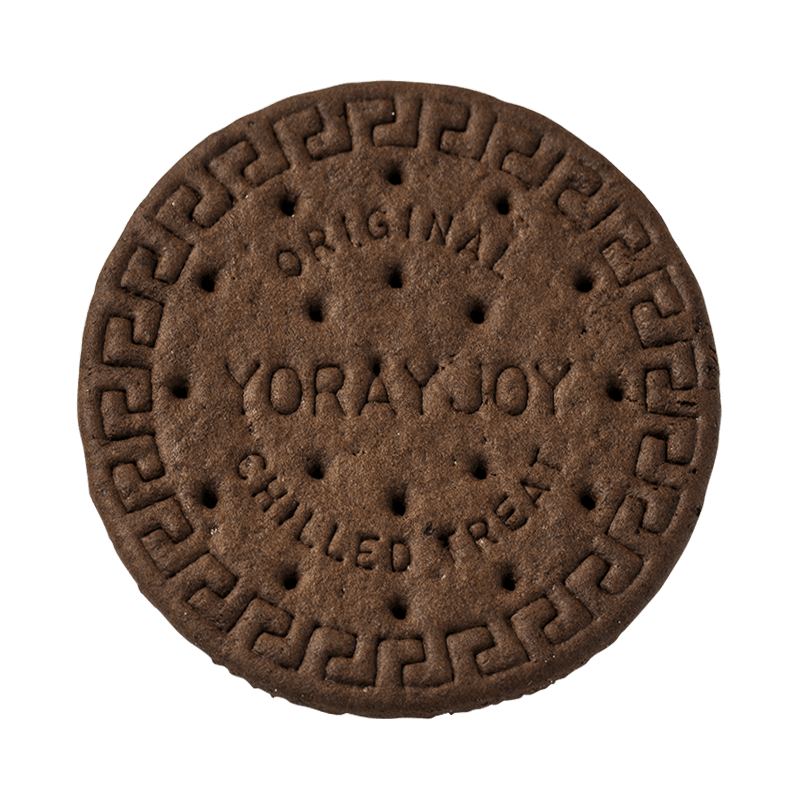
These Round Cocoa Hard Biscuits are specially designed for high-end frozen desserts and creative snacks, combining a crisp texture with excellent cold-chain transformation properties.
See Details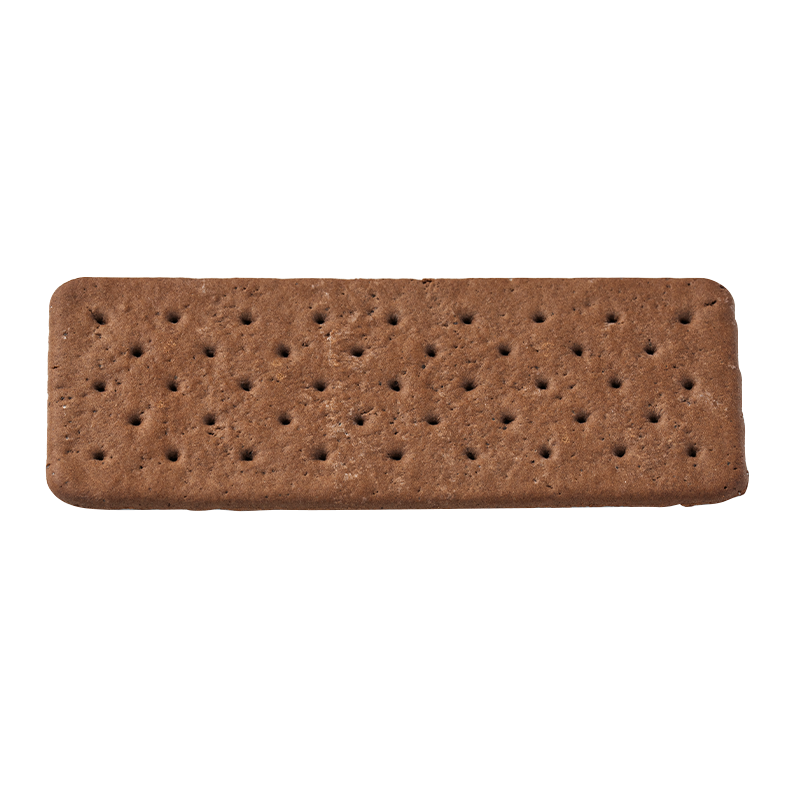
This rectangular cocoa hard biscuit is a classic baked semi-finished product, combining a crisp texture with excellent physical compatibility, making it an ideal base for frozen desserts and creative snacks.
See Details
These Round Butter Hard Biscuits combine classic flavor with versatile textures, making them the ideal base for ice cream sandwiches.
See Details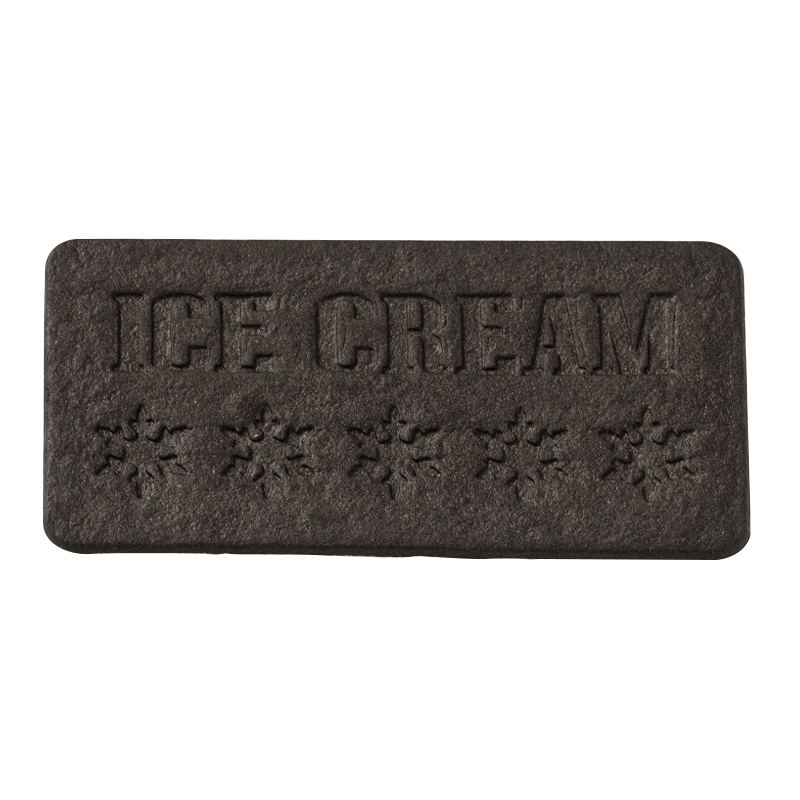
This rectangular cocoa crisp biscuit is the ideal shell for ice cream sandwiches. It continues the classic "Oreo" flavor profile and is optimized for cold chain environments.
See Details
This core component, specifically designed for premium ice cream, features a scientifically formulated high-fat and high-sugar ratio, providing both robust structural support and a melt-in-your-mouth crispness.
See Details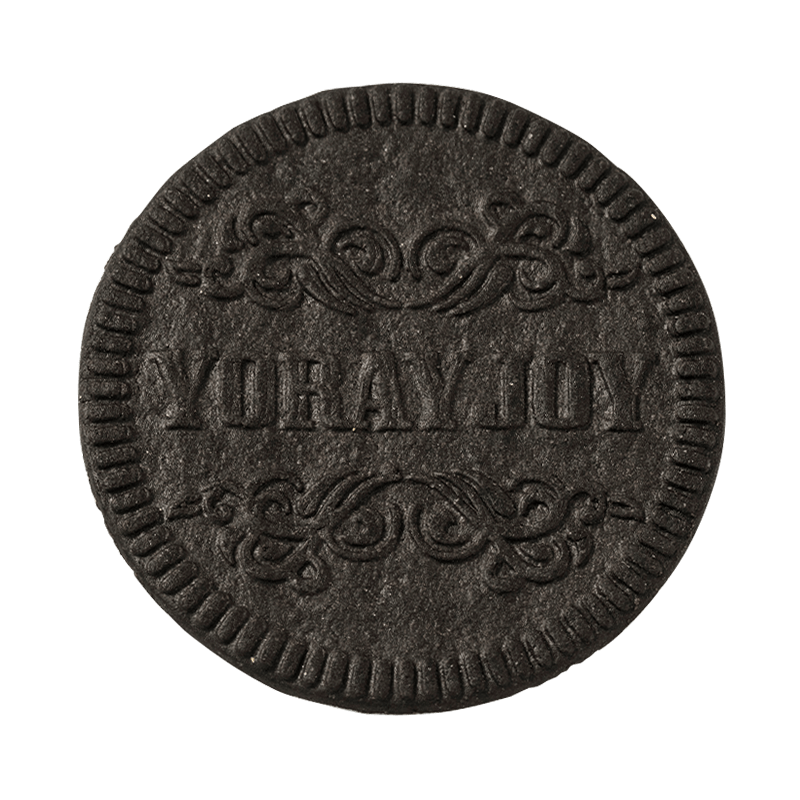
This product is a professional base ingredient specifically designed for high-end frozen desserts. It uses a high oil-to-sugar ratio and select low-gluten flour to create an exceptionally crisp texture that crumbles in y...
See Details
Quick Links
Product Category
Code Preview
