English
 中文简体
中文简体


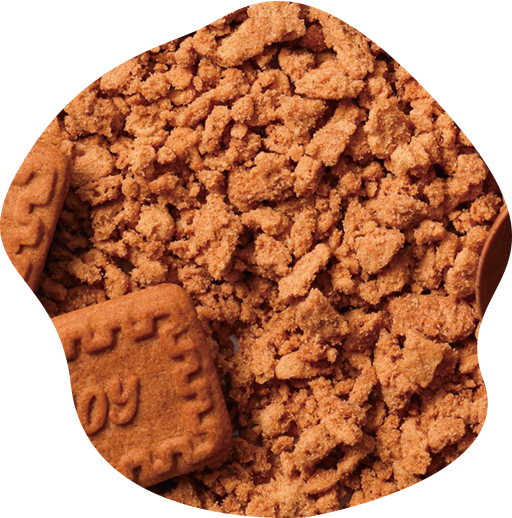
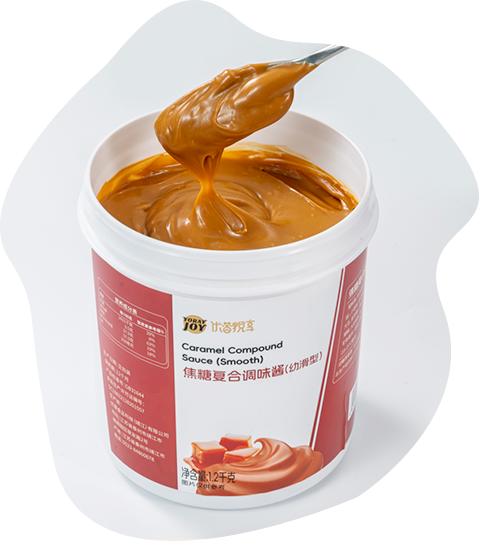
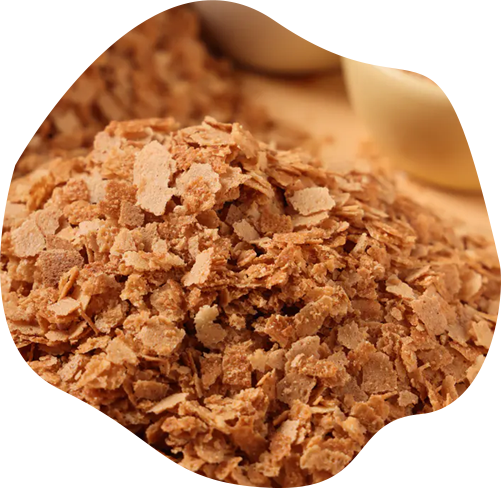
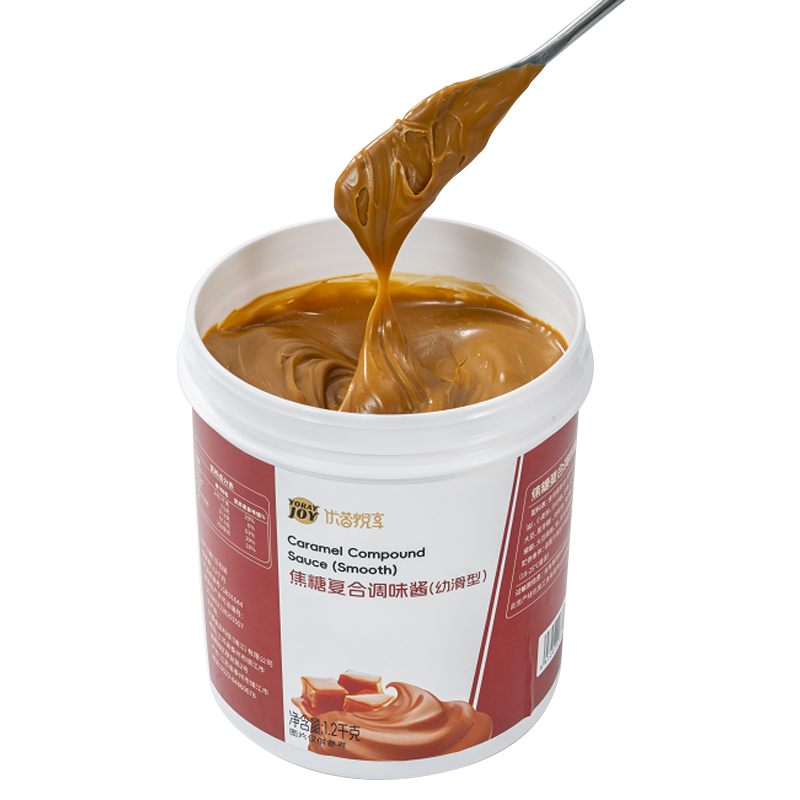






What Is Biscuit Spread?
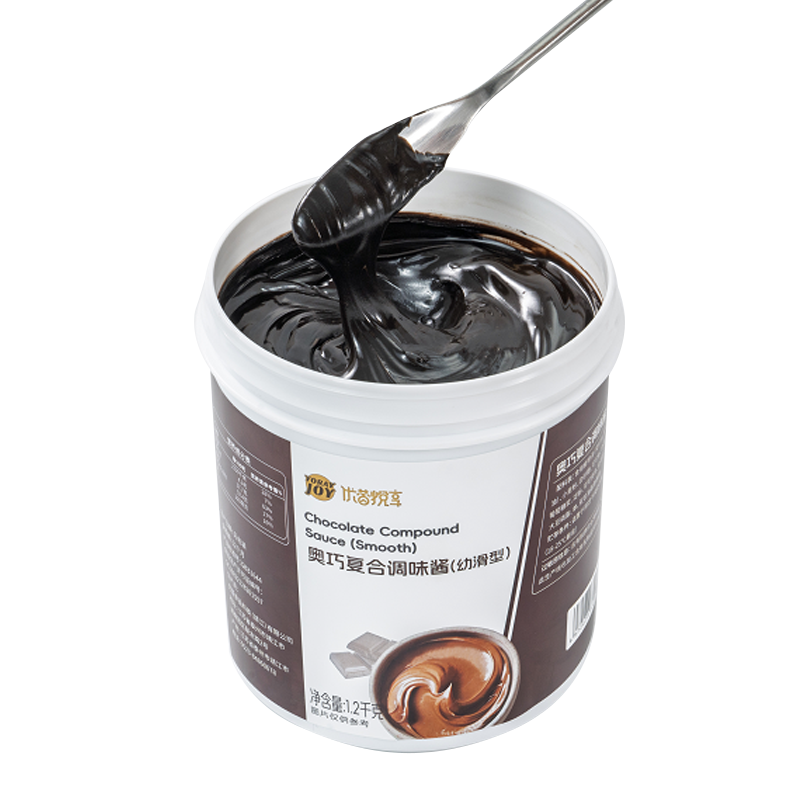
Biscuit spread is a category of semi-solid or paste-type filling material specifically engineered for application on or between biscuit-based products. Unlike generic jams or table spreads, biscuit spread is formulated to meet the mechanical, thermal, and shelf-stability demands of industrial biscuit manufacturing. It functions as both a flavor carrier and a structural component in the final product, directly affecting texture, bite, and consumer perception.
In the food manufacturing context, biscuit spreads are used in sandwich biscuits, wafer fillings, coated biscuit bases, and layered confectionery products. The global biscuit market was valued at approximately USD 104 billion in 2023, with filled and coated varieties representing one of the fastest-growing sub-segments — making biscuit spread a strategically critical material for product developers and procurement teams alike.
How Biscuit Spread Differs from Ordinary Jams or Creams
This is one of the most frequently asked questions in sourcing and product development. The differences are substantial and extend across formulation, processing behavior, and end-use performance.
| Attribute | Biscuit Spread | Ordinary Jam | Ordinary Cream |
|---|---|---|---|
| Primary Use | Industrial biscuit filling/coating | Retail table spread | Bakery topping or retail spread |
| Water Activity (Aw) | Typically 0.3–0.5 (low) | 0.75–0.85 | Varies, often 0.6–0.8 |
| Shelf Life (typical) | 12–24 months | 12–18 months (sealed) | 3–12 months |
| Fat System | Specialty fats (SFC-controlled) | No or minimal fat | Butter or vegetable fat |
| Moisture Migration | Engineered to prevent softening of biscuit | High risk of moisture transfer | Moderate risk |
| Pump/Extrusion Compatibility | Yes — designed for automated lines | Limited | Sometimes |
The critical technical distinction is water activity control. Ordinary jams contain high water content that migrates into the biscuit layer over time, causing sogginess and dramatically shortening shelf life. Biscuit spreads are formulated with low-moisture, fat-continuous systems that remain stable at ambient temperature without refrigeration — a non-negotiable requirement for retail-packaged biscuit products.
Core Formulation Components That Define Biscuit Spread Quality
Understanding what goes into biscuit spread is essential for buyers evaluating suppliers and for R&D teams working on new SKUs. The primary building blocks include:
Fat System
The fat system determines mouthfeel, meltdown profile, and temperature stability. Solid Fat Content (SFC) curves must be matched to the processing temperature — typically requiring a spread that is pumpable at 40–50°C during filling but firm and non-greasy at 20–25°C during retail storage. Palm-based fractions, shea butter derivatives, and hydrogenated vegetable oils are commonly used, often in blended systems to achieve target SFC profiles.
Sugar and Sweetener System
Powdered sugar (icing sugar) is the backbone of most biscuit creams. Particle size directly impacts texture: sugars ground to below 25 microns eliminate perceptible grittiness. For reduced-sugar variants, polyols such as maltitol or isomalt are used, but they require reformulation of the fat phase to maintain the correct rheology.
Flavor and Inclusions
Cocoa powder, milk powder, nut pastes (hazelnut, peanut, almond), and encapsulated flavorings are integrated into the fat-sugar matrix. Encapsulation technology is increasingly used to protect heat-sensitive flavors such as fruit notes and dairy characters through the high-temperature filling process.
Emulsifiers and Stabilizers
Lecithin (0.3–0.5%) is nearly universal for reducing viscosity and improving flow. Some formulations include PGPR (polyglycerol polyricinoleate) as an additional viscosity reducer, particularly in cocoa-based spreads where fat bloom resistance is a concern.
Frequently Asked Questions About Biscuit Spread in Industrial Procurement
What viscosity range is acceptable for sandwich biscuit filling lines?
Most high-speed sandwich biscuit lines operate at filling temperatures of 35–50°C. At this temperature, biscuit spread should typically exhibit a viscosity of 5,000–20,000 mPa·s (measured by Brookfield or similar rotational viscometer). Spreads outside this range either drip from the nozzle or clog the depositor, both causing yield loss and downtime. Always confirm viscosity-temperature curves with your supplier before scaling up.
How is shelf life of biscuit spread validated?
Shelf life validation typically involves accelerated shelf life testing (ASLT) at elevated temperatures (e.g., 38°C/75% RH for 8–12 weeks, extrapolated to ambient conditions), combined with water activity measurement and organoleptic evaluation. A water activity below 0.5 is generally considered the threshold for ambient microbiological stability in fat-based spreads. Oxidative stability (RANCIMAT or OSI testing) is equally critical for nut- and dairy-based variants.
Can biscuit spread be used for both filled and surface-coated applications?
Not always with the same formulation. Sandwich filling spreads are optimized for cohesion and compression strength (they must withstand the mechanical pressure of the top biscuit layer without squeezing out). Surface application spreads, used in drizzle or enrobing formats, require lower viscosity and faster set time. Request application-specific technical data sheets and confirm with pilot-scale trials before full production commitment.
What allergen controls should buyers require from a biscuit spread manufacturer?
Given that biscuit spreads frequently contain milk, tree nuts, peanuts, soy (lecithin), and wheat-derived ingredients, allergen management is a critical supply chain risk. Buyers should require:
- Full ingredient and allergen declarations per batch
- Documented allergen cleaning validation records (ATP swabs or ELISA test results)
- Segregated production scheduling for allergen-free SKUs
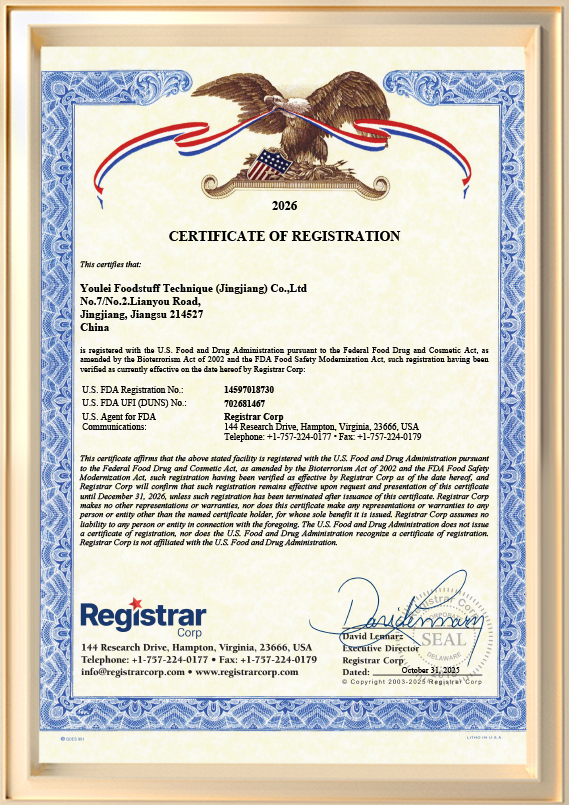
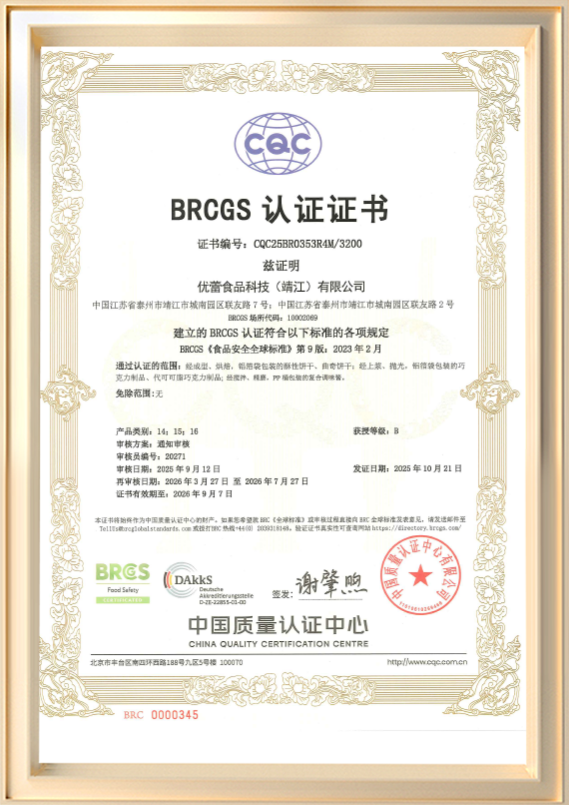
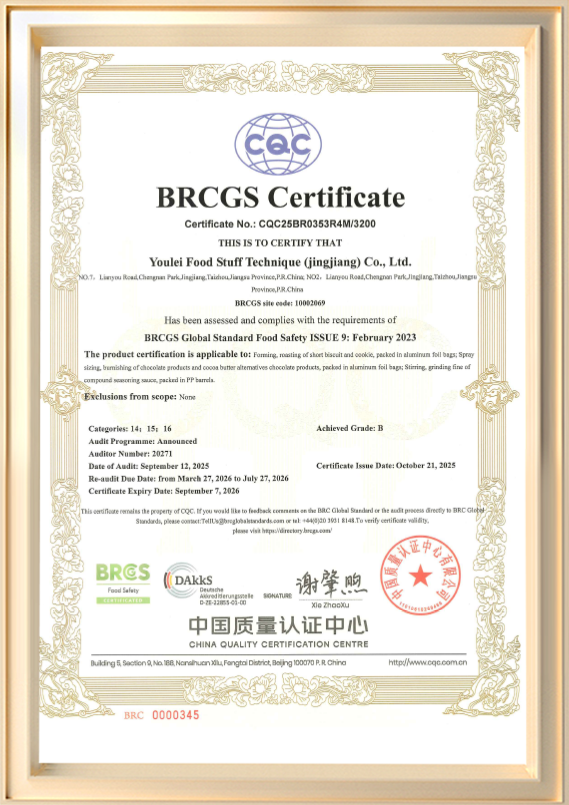
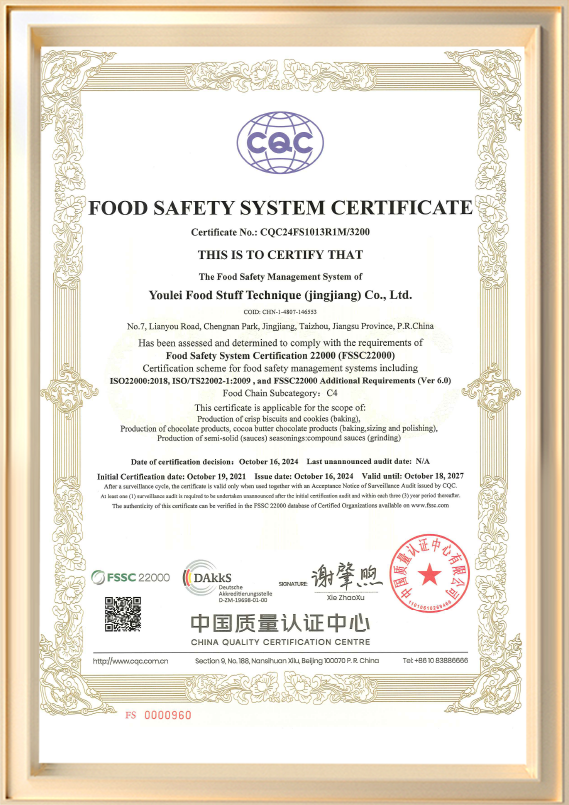
- Third-party certifications (e.g., BRC, FSSC 22000, SQF) as baseline
What minimum order quantities (MOQs) are typical for custom biscuit spread formulations?
MOQs vary significantly by manufacturer scale and formulation complexity. For standard catalog products, MOQs of 500–1,000 kg per order are common. For fully customized formulations with proprietary flavor systems or specific functional claims, MOQs may start at 2,000–5,000 kg to justify the development and setup costs. Pilot batches during development phases are typically 50–200 kg, often supplied at a development cost premium.
Key Quality Metrics Buyers Should Evaluate When Selecting a Biscuit Spread Supplier
Beyond basic flavor approval, a rigorous supplier evaluation for biscuit spread should cover the following parameters:
- Viscosity consistency batch-to-batch (target: ≤10% variation in viscosity at defined temperature)
- Fat bloom resistance — critical for chocolate and cocoa-based spreads stored at fluctuating temperatures
- Moisture and water activity certification per production lot
- Microbiological testing reports: TPC, yeast & mold counts at a minimum
- Organoleptic consistency: flavor, color, and aroma panel evaluation against approved reference standard
- Cold chain compliance for nut-paste-heavy formulations requiring refrigerated transport
Manufacturers with a demonstrated track record across diverse client categories — from dairy-anchored brands to global confectionery groups — bring formulation breadth that single-category suppliers often cannot match. This cross-category experience translates directly into more robust formulation problem-solving when production issues arise.
Emerging Trends Shaping the Biscuit Spread Category
The biscuit spread industry is not static. Several formulation and market trends are reshaping what manufacturers need from their spread suppliers:
Reduced Sugar and Functional Claims
Consumer pressure for "better-for-you" biscuits is driving demand for spreads with 25–40% sugar reduction while maintaining sensory equivalence. Formulating reduced-sugar biscuit spreads requires replacing bulk with polyols, fibers, or bulking agents without disrupting viscosity or mouthfeel — a technically demanding task that fewer suppliers can execute well.
Plant-Based and Dairy-Free Variants
Milk powder replacement in cream fillings is a growing requirement, particularly for manufacturers targeting vegan certification. Oat-based, rice-based, and pea protein alternatives are being evaluated, but each introduces flavor challenges — particularly "beany" off-notes in pea protein systems — that require careful masking and formulation balancing.
Regional Flavor Innovation
In Asian markets, flavors such as matcha, black sesame, taro, and salted egg yolk have become mainstream in premium biscuit lines. In Middle Eastern markets, rose, pistachio, and date-cream combinations are gaining traction. Suppliers capable of developing region-specific flavor systems — particularly those with sensory labs and local market insight — provide significant competitive advantage to brand owners entering new geographies.
Sustainability in Raw Material Sourcing
Palm oil remains central to most biscuit spread fat systems, but RSPO (Roundtable on Sustainable Palm Oil) certification is now a baseline expectation for major retail buyers in Europe and increasingly in Asia-Pacific. Buyers should confirm RSPO supply chain certification — either Mass Balance or Segregated — as part of standard supplier qualification.