English
 中文简体
中文简体



What Is Feuilletine and Why Does It Matter in Pastry
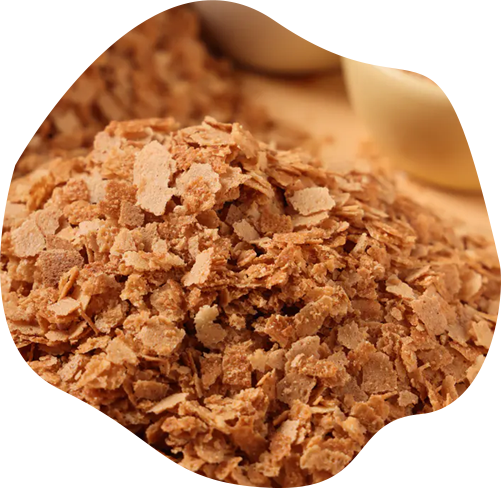
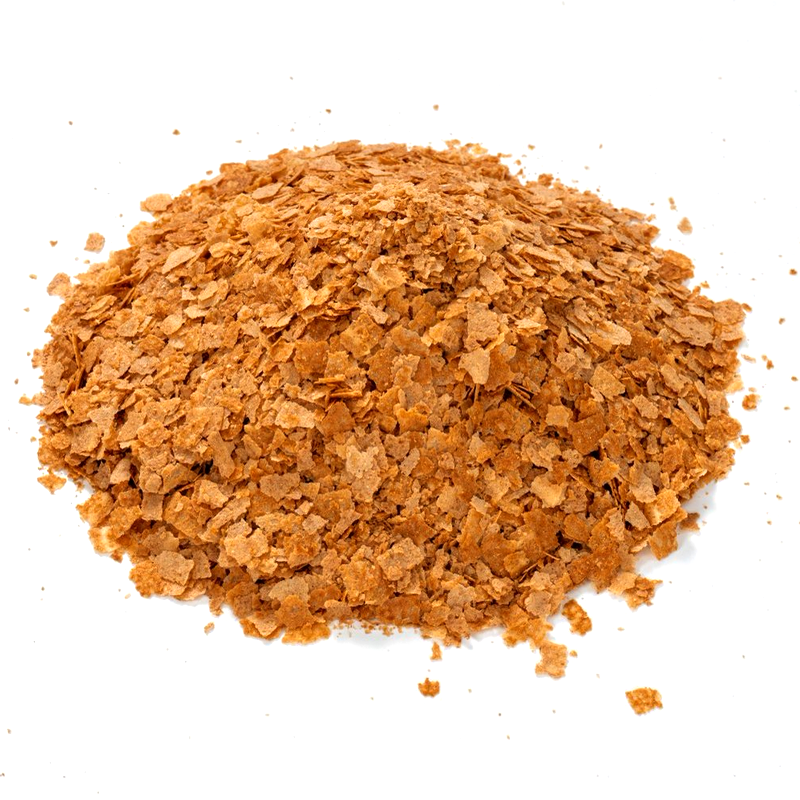
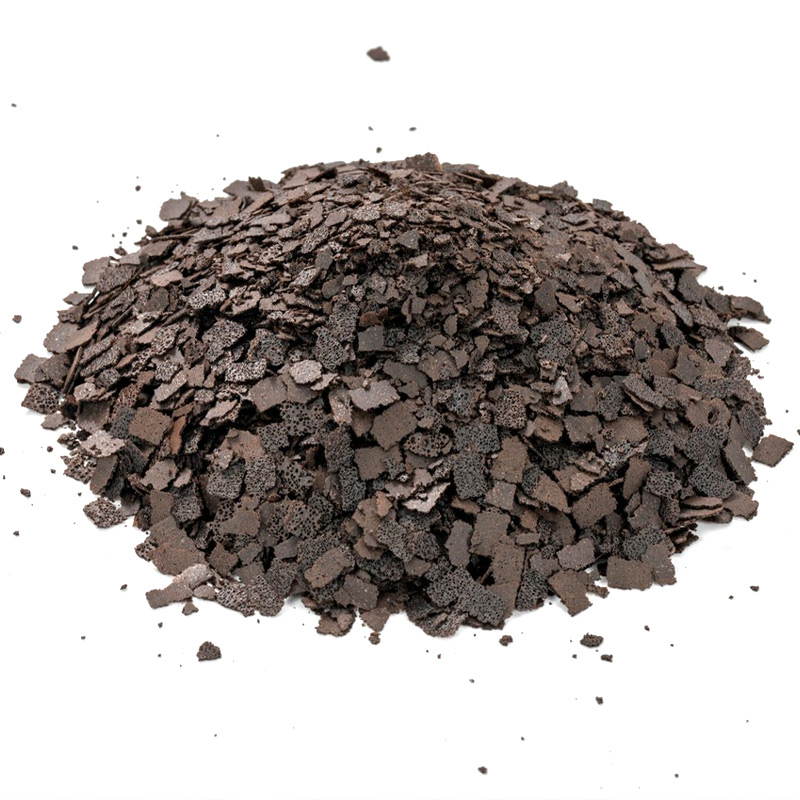
Feuilletine is a crispy, thin, flaked confection made from baked crêpe dentelle biscuits, crushed into irregular shards. It is a foundational ingredient in professional pastry and chocolate work, prized above all for one defining property: its ability to deliver a lasting, satisfying crunch inside chocolate-based fillings, pralines, and layered desserts without becoming soggy for hours or even days after assembly.
Unlike cornflakes or puffed rice, feuilletine flakes are produced from a wheat-flour batter that is spread ultra-thin, baked until golden, and then broken into pieces typically ranging from 2 mm to 8 mm in size. The result is a neutral-to-lightly-sweet flake with roughly 3–5% moisture content, which is low enough to resist moisture migration from ganaches and gianduja for extended shelf life — a critical advantage in industrial and artisan production alike.
Desserts and Applications Where Feuilletine Is Typically Used
Feuilletine's primary role is as a textural contrast element. It is almost always combined with fat-based carriers — such as couverture chocolate, praline paste, or cocoa butter — that coat and protect each flake, insulating it from moisture. Below are the most common professional applications:
Praline-Based Crunchy Layers (Croustillant)
This is the single most widespread use. Feuilletine is mixed with hazelnut or almond praline paste (typically at a 1:2 ratio by weight, feuilletine to praline) and spread as a thin croustillant layer between mousse and sponge in entremets. Brands such as Valrhona popularized this technique in the 1990s, and it remains a signature element of modern French pâtisserie.
Chocolate Bonbons and Praline Fillings
Molded chocolates frequently incorporate feuilletine within ganache or praline centers to add a crunchy counterpoint to the smooth shell. Because feuilletine is coated by fat before inclusion, it maintains its snap for 4–8 weeks at proper storage conditions (16–18 °C, controlled humidity), making it viable for retail shelf life requirements.
Entremets and Mousse Cakes
In multi-layered mousse cakes, a feuilletine croustillant insert — often 5–8 mm thick — acts as the structural base or a middle layer. It provides architectural support and introduces textural complexity that mousse alone cannot deliver. Common flavor pairings include dark chocolate feuilletine with raspberry mousse, and milk chocolate feuilletine with coffee or caramel.
Ice Cream and Frozen Desserts
Feuilletine is used in ice cream bars, gelato variegato, and frozen bonbons. When pre-coated in tempered chocolate or cocoa butter, it retains crunch even after freezing and thawing cycles — a behavior that cornflakes or wafer pieces typically fail to replicate reliably.
Tea Beverages and Bakery Products
Increasingly, feuilletine appears as a topping or inclusion in premium milk tea drinks, café-style beverages, and filled pastries. Its light weight and crunch make it effective even in smaller quantities, and its neutral flavor does not compete with tea or fruit notes.
Key Performance Comparison: Feuilletine vs. Common Alternatives
Understanding how feuilletine performs relative to alternatives helps formulators and pastry chefs make informed ingredient decisions:
| Property | Feuilletine | Cornflakes | Puffed Rice | Wafer Pieces |
|---|---|---|---|---|
| Moisture content | 3–5% | 3–4% | 4–6% | 2–4% |
| Crunch retention in ganache | Excellent (4–8 wks) | Moderate (1–2 wks) | Poor (<1 wk) | Good (2–4 wks) |
| Flavor neutrality | High | Low (malt/cereal note) | High | Moderate |
| Freeze-thaw stability | Good (when fat-coated) | Poor | Poor | Moderate |
| Typical inclusion rate | 10–30% of croustillant | 20–40% | 15–35% | 15–30% |
How Feuilletine Is Manufactured: The Production Process
Industrial feuilletine production follows a precise sequence to achieve consistent flake size, color, and moisture:
- Batter preparation: Wheat flour, sugar, butter, and water are combined into a thin, pourable batter with a specific gravity near 1.05.
- Spreading and baking: The batter is spread at thicknesses of 0.5–1.5 mm onto baking bands or plates, then baked at 180–210 °C for precise durations to develop Maillard browning without burning.
- Cooling and fracturing: The baked sheet is rapidly cooled to lock in crispness, then mechanically broken or crushed to target flake dimensions.
- Sieving and grading: Flakes are passed through calibrated sieves to separate fines from usable product, ensuring batch-to-batch uniformity.
- Packaging in moisture-barrier materials: Finished feuilletine is packed in nitrogen-flushed, hermetically sealed pouches to maintain moisture below 5% through the supply chain.
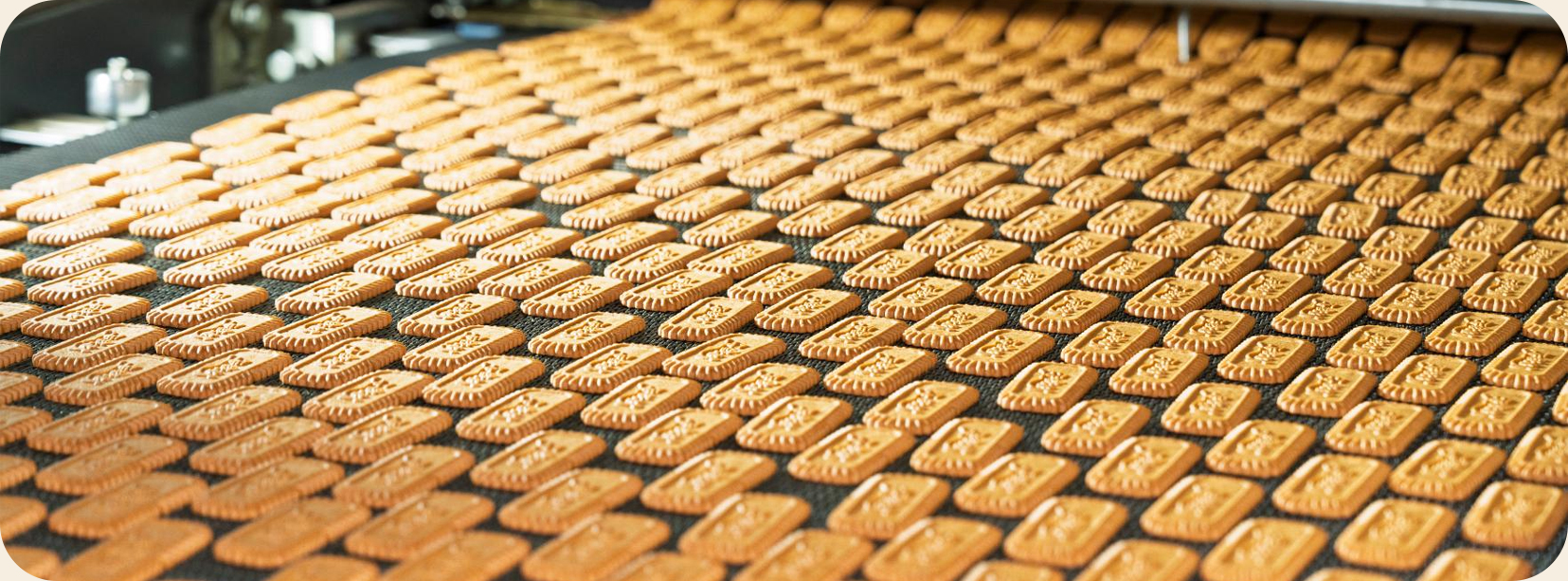
Leading manufacturers operate dedicated cookie production lines — often 5 or more continuous-baking lines — to achieve annual outputs in the thousands of metric tons, enabling supply to both regional artisan chocolatiers and large-scale industrial food groups simultaneously.
Sourcing and Quality Standards Buyers Should Verify
When evaluating feuilletine suppliers for export markets, procurement teams and R&D managers should confirm the following:
- Moisture specification: Certificates of Analysis (CoA) should confirm moisture ≤ 5% per batch. Higher moisture leads to accelerated crunch loss.
- Flake size distribution: Request sieve data showing the percentage retained at each mesh size. For standard croustillant use, 2–6 mm is the preferred range.
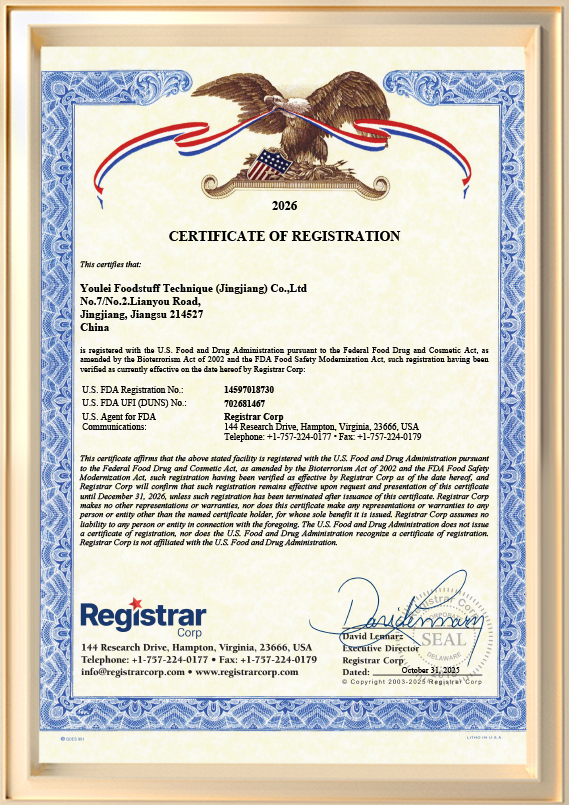
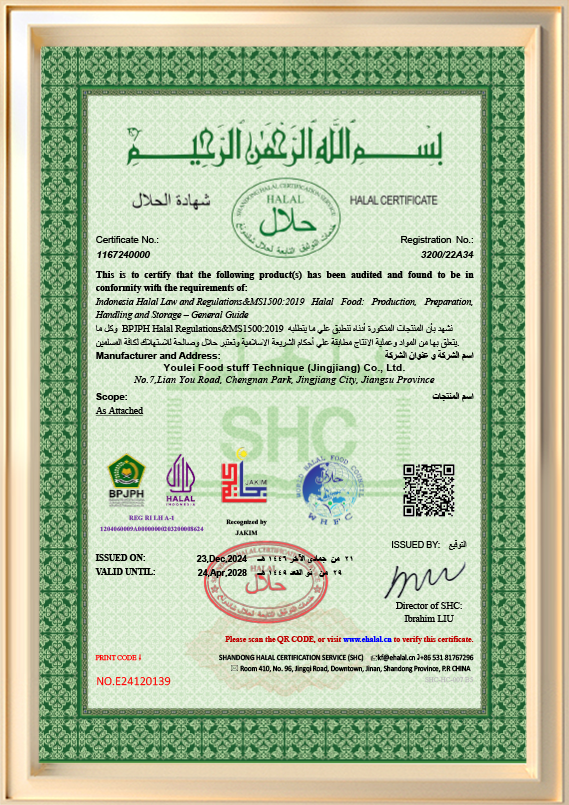
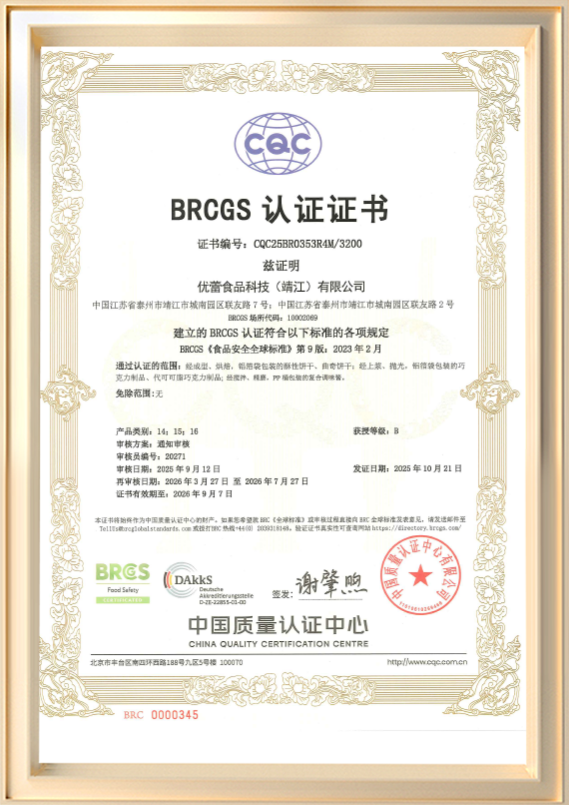
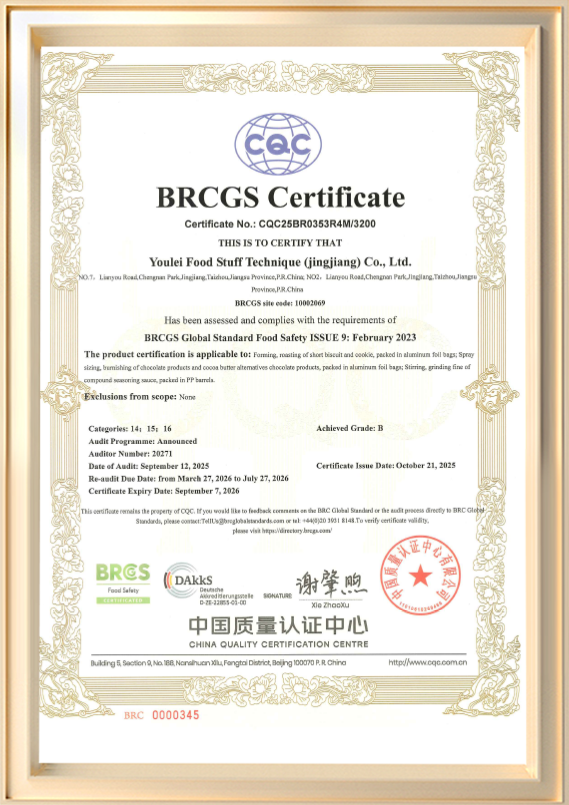
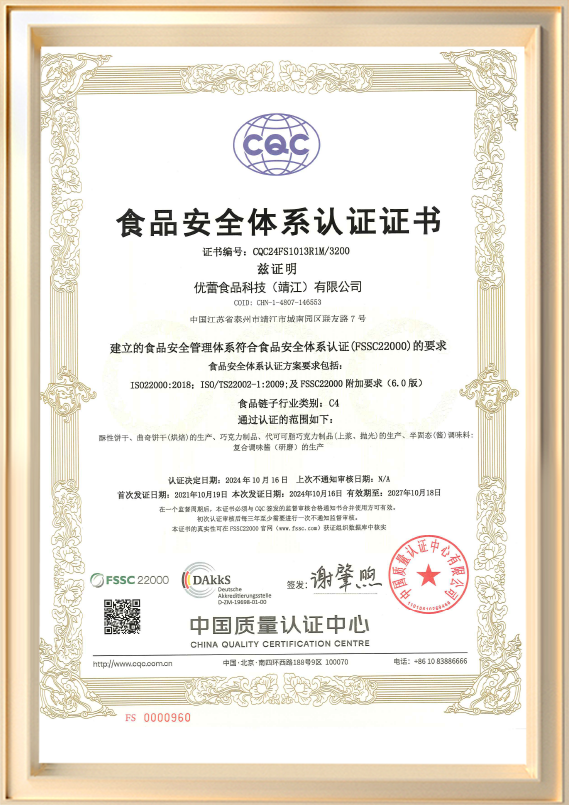
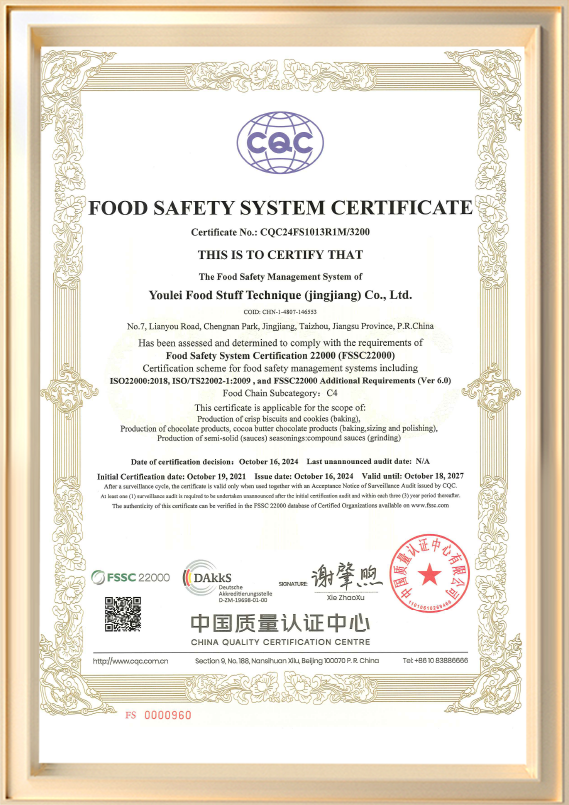
- Food safety certifications: BRCGS, IFS, HACCP, or ISO 22000 are benchmark certifications for suppliers serving dairy, chocolate, and beverage multinationals.
- Allergen management: Feuilletine contains wheat (gluten) and typically dairy (butter). Buyers requiring allergen-free variants should request dedicated production line validation.
- Shelf life documentation: A minimum 12-month shelf life from production date is standard for professionally packaged feuilletine under correct storage conditions.
Frequently Asked Questions About Feuilletine
Can feuilletine be used directly without mixing with fat?
It can be used as a topping on desserts consumed immediately, but for any application where it contacts moisture — ganache, cream, mousse, or fruit — it must be pre-coated or mixed with a fat-based medium (couverture, praline paste, or cocoa butter) before embedding. Fat creates a hydrophobic barrier that dramatically slows moisture ingress and preserves crunch.
What is the difference between feuilletine and crêpe dentelle?
Crêpe dentelle is the whole, rolled biscuit — a specialty of Quimper, Brittany, France. Feuilletine (pailleté feuilletine) is the broken, flaked form of that same biscuit, produced either as a byproduct of crêpe dentelle manufacturing or as a dedicated product using the same batter and baking process. In practice, pailleté feuilletine manufactured at scale is functionally identical to crushed crêpe dentelle.
How does feuilletine behave in high-cocoa-butter environments?
High cocoa butter content — such as in a 70%+ dark couverture — provides excellent crunch preservation because cocoa butter sets firm at room temperature and creates a robust barrier. Feuilletine in dark-chocolate praline combinations typically shows superior crunch longevity compared to milk or white chocolate environments, where higher sugar and dairy fat content can introduce more moisture activity.
Is feuilletine suitable for vegan formulations?
Standard feuilletine contains butter (dairy), making it unsuitable for vegan applications without reformulation. Some manufacturers now offer vegan feuilletine variants using plant-based fat substitutes, though availability varies. Buyers should request ingredient declarations and confirm production line segregation if cross-contamination is a concern.