 English
 中文简体
中文简体
This soft matcha cookie crumb has a springy, chewy texture, and both its color and flavor come from real matcha. It adds a distinctive, recognizable touch to matcha desserts and ice cream.
See Details

 2026.07.10
 Industry News
Content
Feuilletine and wafer crumbs are not the same ingredient, even though both are thin, baked, wheat-based flakes used for crunch. Feuilletine is a purpose-baked, ultra-thin crepe wafer crushed into fine, buttery shards specifically engineered to keep its crunch inside fat-based fillings like ganache or praline for weeks. Wafer crumbs are a broader category — often crushed leftover wafer sheets or biscuit offcuts — with thicker structure, higher moisture variance, and a shorter crunch life once mixed into cream or mousse. If your product sits in contact with moisture for more than a day, feuilletine is almost always the safer technical choice.
Feuilletine, sometimes written as paillete feuilletine or crunchy feuilletine, starts life as a very thin, sweetened batter spread across a heated band and baked until golden. Once cooled, the brittle sheet is broken into irregular flakes generally between 2mm and 8mm. The defining trait is low moisture, typically in the 3 to 5 percent range, which is precisely what allows feuilletine flakes to resist water migration when folded into ganache, praline paste, or chocolate spread. This is why pastry chefs treat feuilletine as an engineered texture component rather than a byproduct — every batch is baked, cooled, and sieved to a controlled specification.
Two commercial variants dominate the market: Butter Feuilletine, valued for its clean, dairy-forward flavor and pale golden color, and Cocoa Feuilletine, which carries a roasted cocoa note and a darker shard for chocolate-forward desserts. Both are produced on dedicated cookie production lines and packed in moisture-barrier pouches to protect the low water activity that gives feuilletine its long crunch life.
Wafer crumbs cover a wider family of crushed baked wheat products — thicker wafer sheets, broken ice cream cone pieces, or crushed hard biscuits repurposed as an inclusion. Unlike feuilletine, wafer crumbs are not always baked to the same thinness or moisture target, so particle thickness and crunch duration can vary noticeably between suppliers and even between batches from the same supplier. Wafer crumbs tend to sit closer to a general-purpose crushed cookie crumb or biscuit crumb base: useful for a biscuit crumb base under cheesecake, a simple biscuit cake base, or as a coating, but less consistent as a long-term textural insert inside a moist filling.
In practice, many manufacturers sourcing crushed cookie crumbs or chocolate cookie crumbs for baking are solving a different problem than pastry chefs sourcing feuilletine flakes — one group wants a stable biscuit base for structure, the other wants a flake that survives inside fat and moisture without going soft.
| Property | Feuilletine | Wafer Crumbs |
| Moisture content | 3 to 5 percent | 4 to 8 percent, variable |
| Flake thickness | 0.5 to 1.5mm, very thin | 1.5 to 3mm, thicker |
| Crunch retention in ganache | 4 to 8 weeks | 1 to 3 weeks |
| Flavor profile | Neutral to buttery, or cocoa | Neutral to mildly sweet |
| Best use case | Croustillant layers, pralines, chocolate bonbons | Biscuit cake base, coatings, general crumb toppings |
| Typical inclusion rate | 10 to 30 percent of a croustillant mix | 20 to 40 percent depending on format |
Table 1: Structural and performance comparison between feuilletine and standard wafer crumbs.
A snapshot of core biscuit base material solutions used across ice cream sandwiches, mousse cakes, and crumb toppings — from fine feuilletine flakes to graded cocoa and caramel biscuit crumbles.
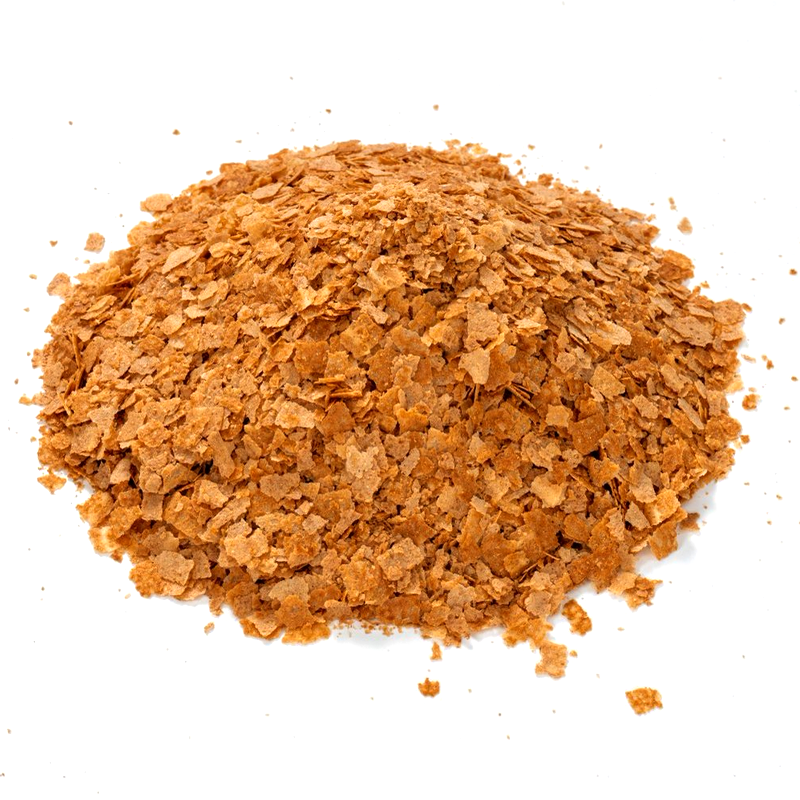
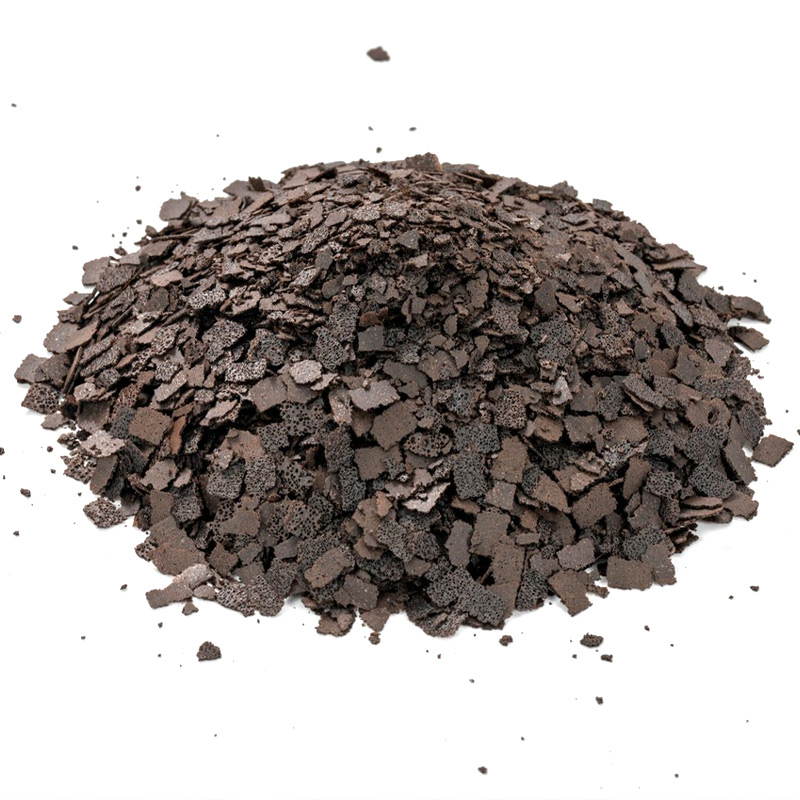
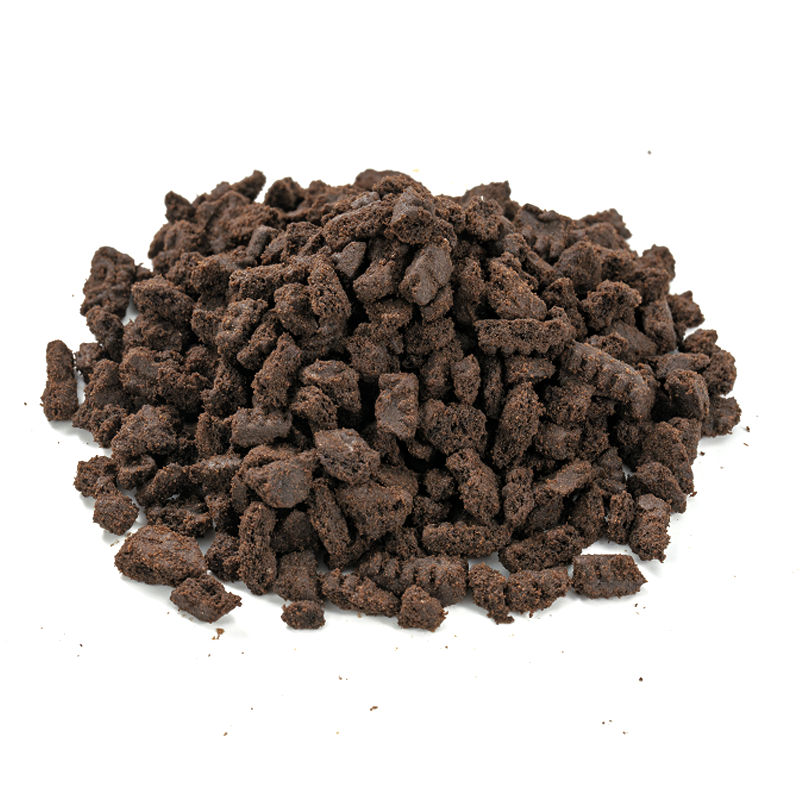
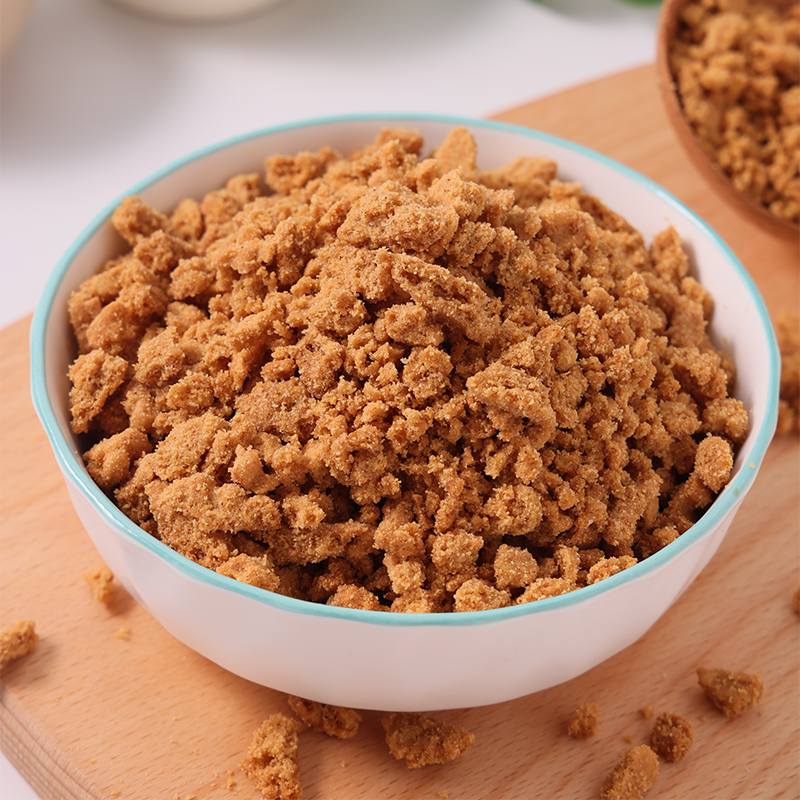
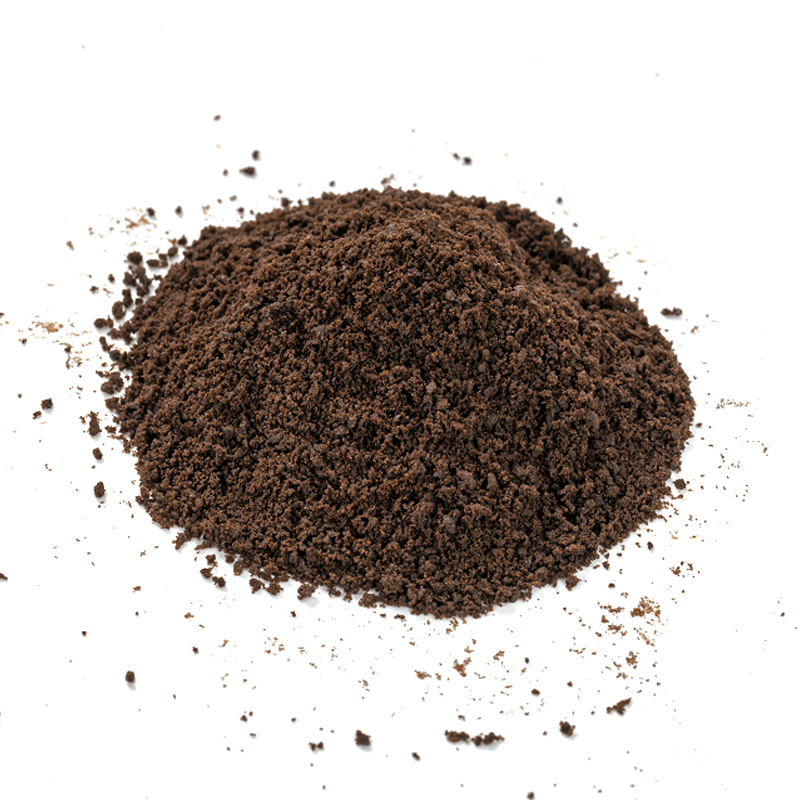
The gap between feuilletine and wafer crumbs shows up most clearly once moisture enters the picture. In a chocolate praline center, feuilletine coated with tempered couverture keeps its snap for four to eight weeks because the thin flake structure and low starting moisture leave very little room for water to migrate in. Wafer crumbs of similar thickness, especially from crushed hard biscuits or ice cream sandwich biscuits, tend to soften faster once combined with a cream or ganache, simply because the particle is thicker and started with more residual moisture.
For structural applications rather than embedded crunch — a biscuit crumb base under a cheesecake, or a biscuit cake base layer — this difference matters less, since the crumb is not fully submerged in a fat-based mixture. Here, a well-graded crushed cookie crumb, cocoa cookie crumbs for ice cream, or caramel biscuit crumbles can outperform feuilletine on cost and still deliver an easy biscuit base recipe with good bite and aroma.
| Application | Recommended Material |
| Croustillant layer in entremets | Feuilletine, mixed with praline paste |
| Chocolate bonbon or praline filling | Feuilletine, fat-coated before inclusion |
| Best biscuit base for cheesecake | Fine cocoa or caramel biscuit crumbles bound with butter |
| Ice cream sandwich biscuits | Purpose-formulated hard or crisp biscuits, not crumbs |
| Tea beverage topping or garnish | Feuilletine or coarse cookie crumbs, either works |
| Cream or spread-style dessert base | Speculoos cookie butter or cocoa cookie spread |
When comparing suppliers of feuilletine flakes against a sandwich biscuit factory or a cookie crumbs manufacturer, the specification sheet matters more than the marketing name. A few checks that consistently separate reliable biscuit base material solutions from inconsistent ones:
They can, but expect a shorter crunch window. Wafer crumbs typically hold their texture for one to three weeks inside a ganache or praline, compared to four to eight weeks for properly fat-coated feuilletine, so the substitution works best for products with a shorter shelf life target.
No. Crushed cookie crumbs come from whole baked biscuits crushed into granules, generally with higher fat and sugar content by weight and a coarser, denser particle. Feuilletine is baked as an ultra-thin sheet from the start, giving it a lighter, flakier structure and lower starting moisture.
Cookie crumbs or biscuit crumbles, not feuilletine. A cheesecake base benefits from a denser, more compact crumb that binds well with melted butter, whereas feuilletine's light, airy flake structure is better suited to being suspended inside a fat-based filling rather than pressed into a firm base.
For any application in contact with moisture — mousse, cream, ganache, or fruit compote — yes. Both feuilletine and wafer crumbs benefit from a thin coating of tempered chocolate, cocoa butter, or praline paste, which slows moisture absorption and preserves the crunch for a meaningfully longer period.
Under correct storage, sealed and packed in moisture-barrier materials, a minimum 12-month shelf life is standard for professionally produced feuilletine, cookie crumbs, and biscuit crumbles alike, provided storage temperature stays at or below 25 degrees Celsius and relative humidity is kept at or below 65 percent.
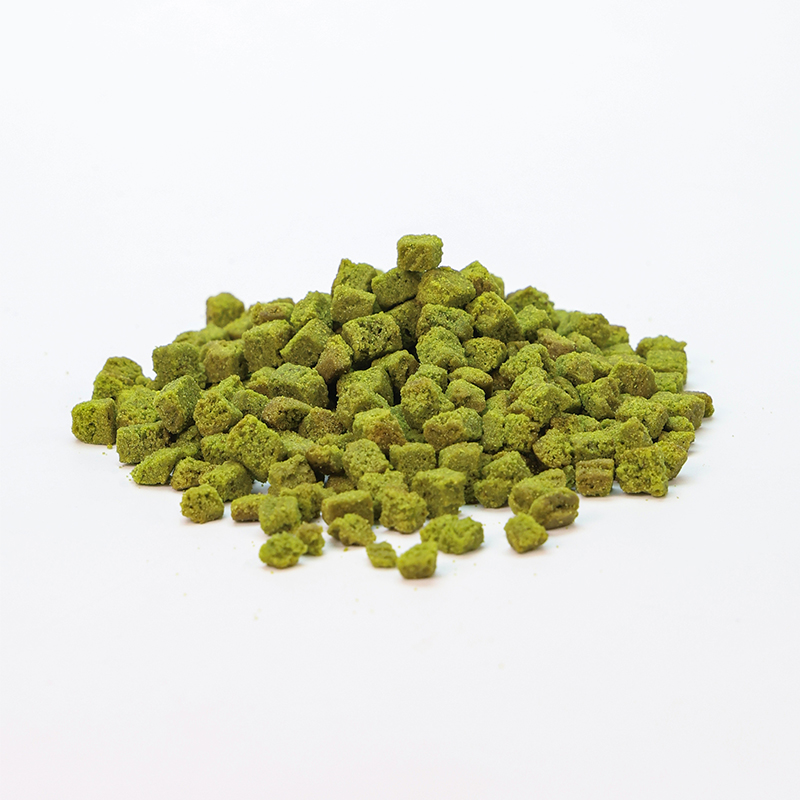
This soft matcha cookie crumb has a springy, chewy texture, and both its color and flavor come from real matcha. It adds a distinctive, recognizable touch to matcha desserts and ice cream.
See Details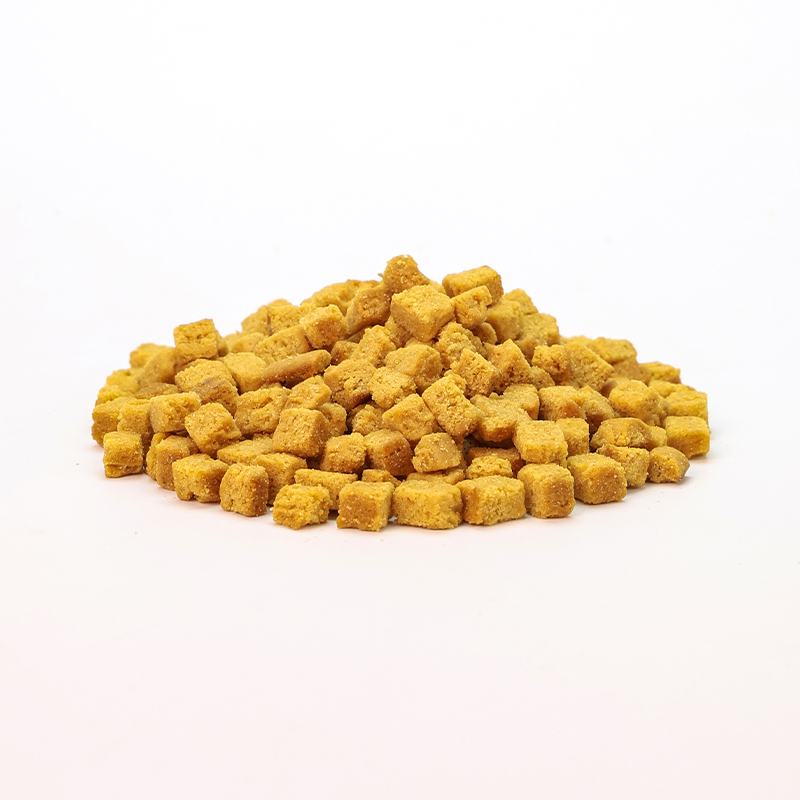
This soft butter cookie crumb has a springy, chewy texture and a rich natural butter aroma. It gives ice cream a cake-like richness and can also be used as a base layer for cheesecake.
See Details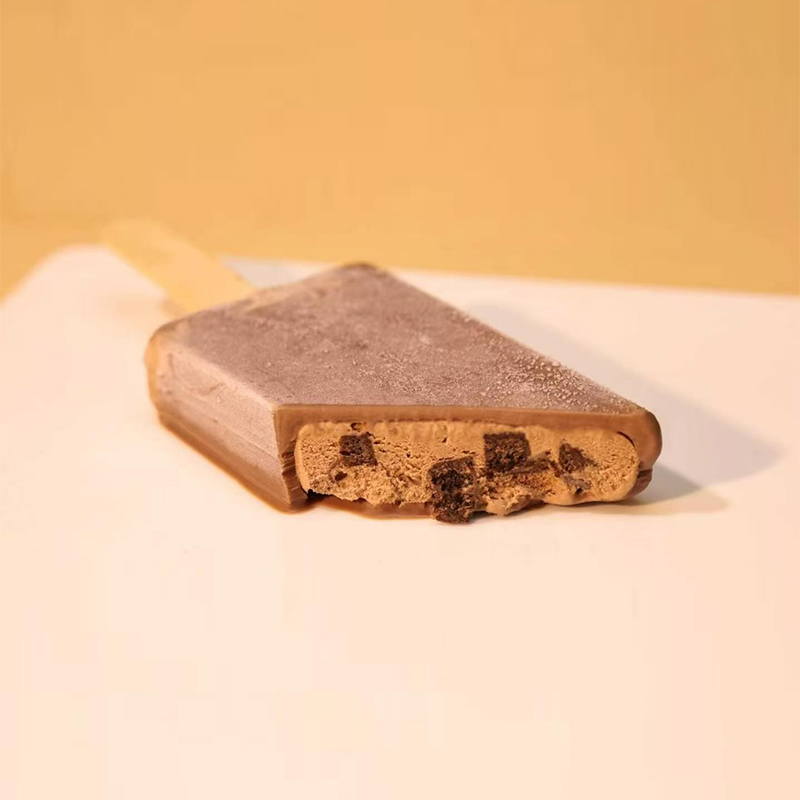
This soft cocoa cookie crumb has a rich, mellow, chewy texture and is an ideal partner for chocolate and vanilla ice cream. It keeps its soft bite even after being mixed into ice cream.
See Details
Baked using traditional European methods, this product boasts a natural amber color. Its core appeal lies in the perfect blend of rich caramel sweetness and spicy cinnamon aroma, with a distinct granular texture. It's a ...
See Details
Quick Links
Product Category
Code Preview


