 English
 中文简体
中文简体
This rectangular cocoa crisp biscuit is the ideal shell for ice cream sandwiches. It continues the classic "Oreo" flavor profile and is optimized for cold chain environments.
See Details

 2026.07.03
 Industry News
Content
Feuilletine is not a crumb, not a cereal flake, and not a broken cookie. It is a purpose-baked wheat wafer, spread almost paper-thin, baked until golden, then mechanically broken into irregular 2-8 mm shards. Ordinary "crispy flakes" — cornflakes, puffed rice, wafer offcuts — are food-industry byproducts repurposed for crunch. Feuilletine flakes are engineered from the start for one job: staying crisp inside fat, for weeks, without turning soggy.
Feuilletine, also written pailleté feuilletine or paillete feuilletine, comes from the same family as the French crêpe dentelle biscuit made in Quimper, Brittany. A thin wheat-flour batter of flour, sugar, butter and water is spread at 0.5-1.5 mm thickness, baked at 180-210°C, cooled fast to lock in crispness, then broken and sieved into graded flakes. Finished moisture sits at roughly 3-5%, low enough that the flakes resist absorbing liquid from ganache, praline paste or mousse for a meaningful window of time.
That low starting moisture is the whole story. Most crunchy inclusions lose their bite within days once mixed into a wet or fatty base. Feuilletine flakes, properly fat-coated, keep their snap for four to eight weeks in a chocolate bonbon and for years, un-refrigerated, in dry storage.
The difference is not really flavor. It is what happens after the flake gets wet or cold. The table below lines feuilletine flakes up against the substitutes most kitchens reach for when the real thing isn't on hand.
| Property | Feuilletine | Cornflakes | Puffed Rice | Wafer Pieces |
| Moisture content | 3-5% | 3-4% | 4-6% | 2-4% |
| Crunch retention in ganache | Excellent, 4-8 weeks | Moderate, 1-2 weeks | Poor, under 1 week | Good, 2-4 weeks |
| Flavor neutrality | High | Low, malt note | High | Moderate |
| Freeze-thaw stability | Good when fat-coated | Poor | Poor | Moderate |
| Typical inclusion rate | 10-30% of croustillant | 20-40% | 15-35% | 15-30% |
Two structural traits explain the gap. First, feuilletine's flake shape is thin and irregular rather than puffed or rounded, so it packs a large surface into a small volume without trapping air pockets that collapse under moisture. Second, its low sugar-to-starch ratio means it doesn't gum up or dissolve the way sweeter flakes do once fat and cocoa solids surround it.
This is the mix-up that trips up a lot of buyers. Crunchy feuilletine and cookie crumbs both come from baked wheat dough, and both end up as small crunchy pieces — but they are built for different jobs.
If the goal is an invisible, long-lasting crunch inside a smooth filling, feuilletine flakes are the right call. If the goal is a rustic, visible crumb topping or a biscuit base material, cookie crumbs are the better fit.
A high-end feuilletine factory typically runs several dedicated continuous-baking lines to hold flake size and color consistent across large export orders, which matters more than it sounds — inconsistent flake size is the single most common complaint procurement teams raise with new suppliers.
Most suppliers offer two base variants, and picking the right one depends on the final application more than personal taste.
| Attribute | Butter Feuilletine | Cocoa Feuilletine |
| Flavor base | Clean, buttery, lightly caramelized | Cocoa-forward, deeper roasted notes |
| Color | Pale gold | Brown to dark brown |
| Common pairing | Hazelnut praline, vanilla mousse, white chocolate | Dark or milk chocolate ganache, coffee, caramel |
| Visual role | Neutral, blends into light-colored fillings | Adds visible dark speckling to croustillant layers |
A pure butter feuilletine manufacturer keeps the flavor clean enough to sit under fruit or vanilla notes without competing, while a cocoa feuilletine supplier leans into roasted, chocolate-forward profiles that pair naturally with dark couverture.
Feuilletine sits inside a broader family of biscuit-based semi-finished materials — crumbs, crumbles, and spreads — each engineered for a different position inside a finished dessert.
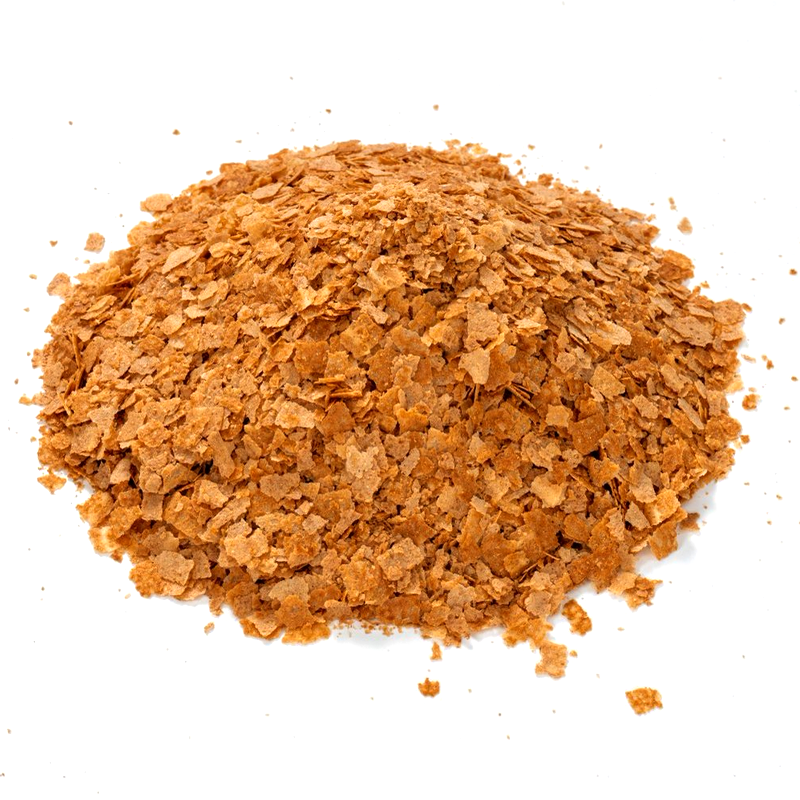
Butter Feuilletine
Feuilletine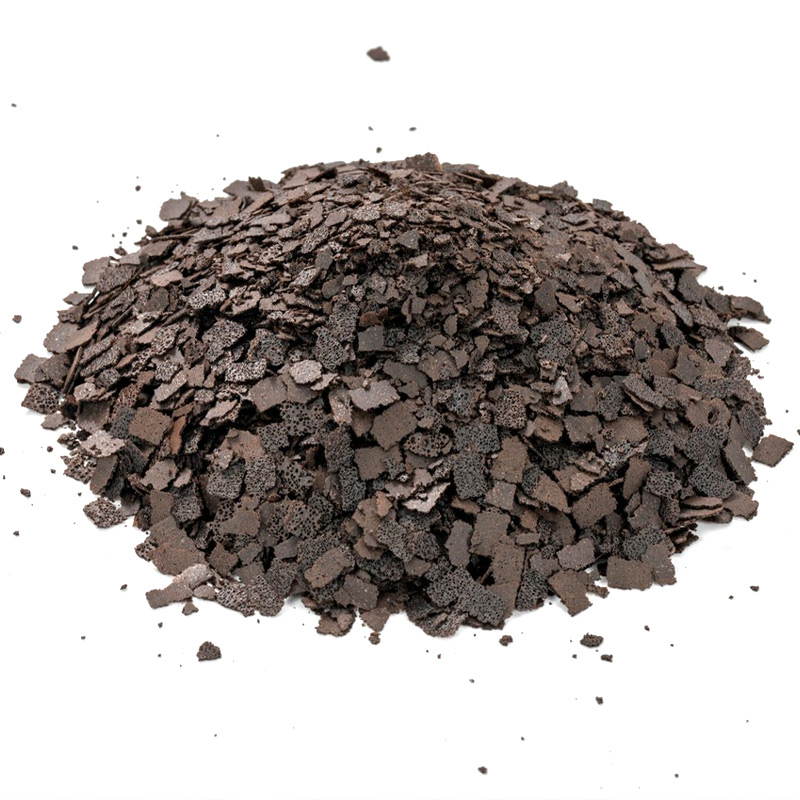
Cocoa Feuilletine
Feuilletine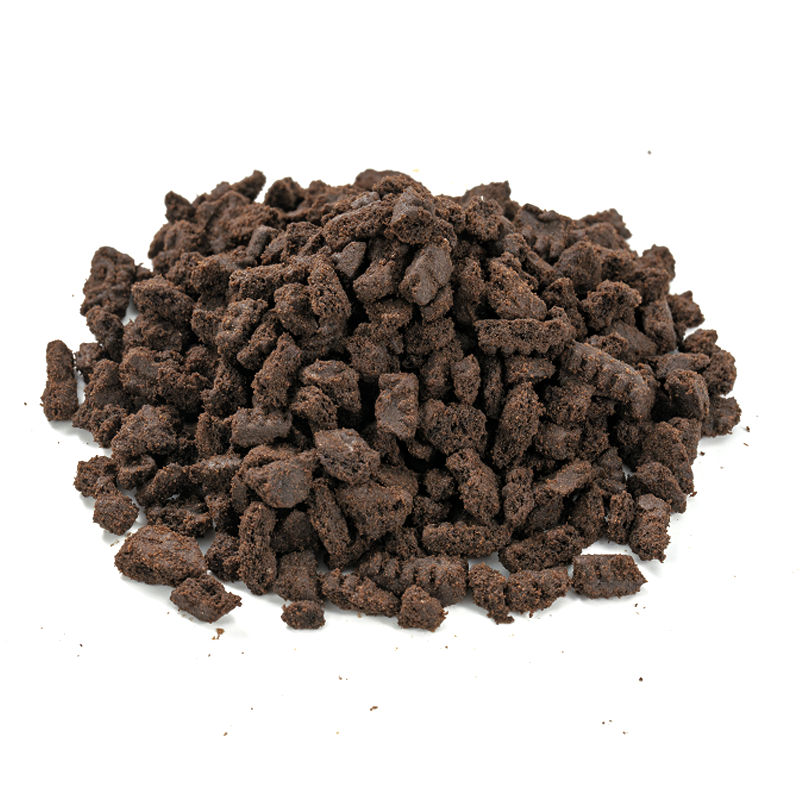
Medium Cocoa Biscuit Crumbles
Cookie Crumbs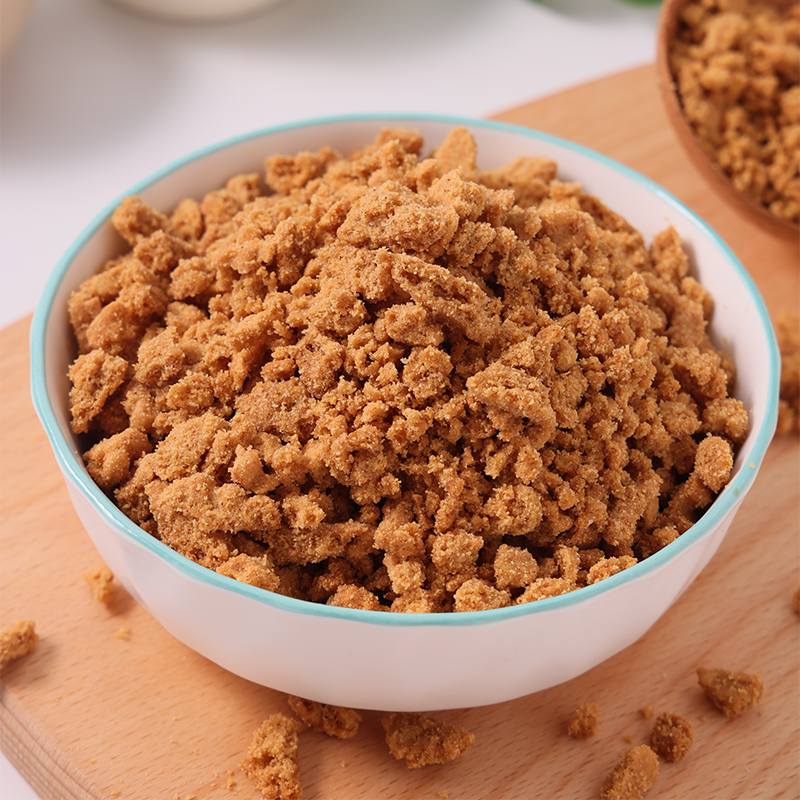
Caramel Biscuit Crumbles
Cookie Crumbs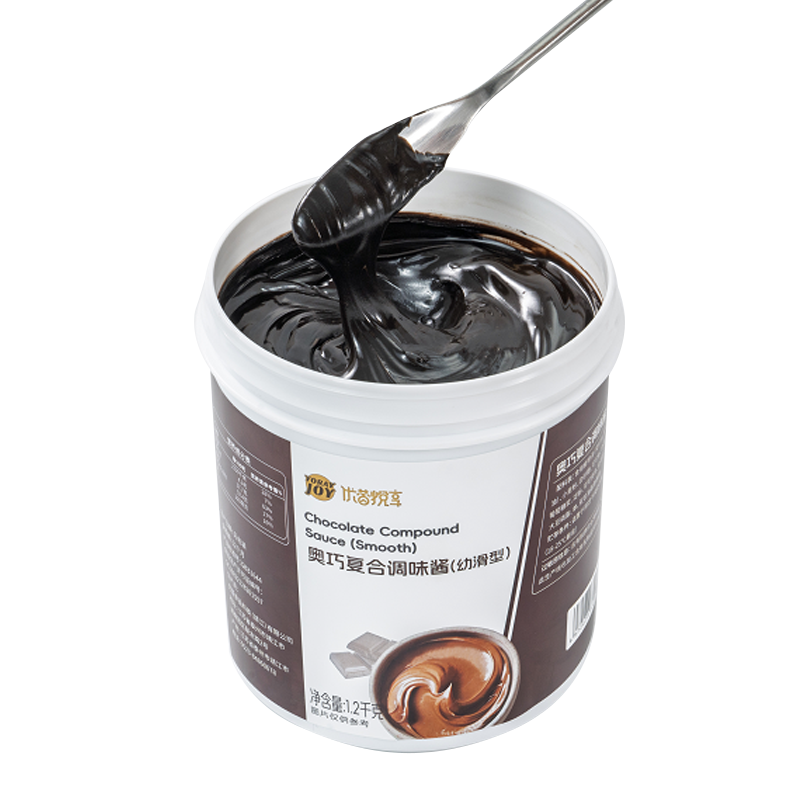
Cocoa Cookie Spread
Biscuit SpreadFeuilletine mixed with hazelnut or almond praline paste, typically a 1:2 ratio by weight, spread thin between mousse and sponge. This is the single most common use across French pâtisserie.
Folded into ganache or praline centers for a crunchy counterpoint under the shell, holding its snap for four to eight weeks at controlled storage conditions.
A 5-8 mm croustillant insert gives structural support and textural contrast that mousse alone cannot provide.
When fat-coated, feuilletine keeps its crunch through freeze-thaw cycles, which is why it shows up in ice cream bars and gelato variegato alongside ice cream sandwich biscuits and hard biscuit bases.
Its light weight and neutral flavor make small amounts of feuilletine an effective crunchy topping on milk tea and café-style drinks without overpowering fruit or tea notes.
Buyers sourcing at scale generally look for a high-end feuilletine factory in China with several parallel continuous-baking lines, since single-line producers struggle to hold flake size and color consistent once order volumes climb.
Only for garnish on a dessert eaten immediately. Anywhere the flake touches ganache, cream, mousse or fruit, it needs a fat coating first — couverture, praline paste or cocoa butter — because fat is what blocks moisture from reaching the flake.
Crêpe dentelle is the whole rolled biscuit from Brittany. Feuilletine, or pailleté feuilletine, is the broken, flaked form of that same biscuit, made either as a byproduct of crêpe dentelle production or as a standalone product using the same batter and bake.
Yes. High cocoa butter couverture, 70% and above, sets firmer at room temperature and holds moisture out better than milk or white chocolate, so crunch retention is generally longer in dark-chocolate applications.
Standard feuilletine contains butter, so it isn't vegan by default. Some manufacturers now produce plant-based-fat variants, but availability varies by supplier — always request ingredient declarations and confirm line segregation if cross-contact is a concern.
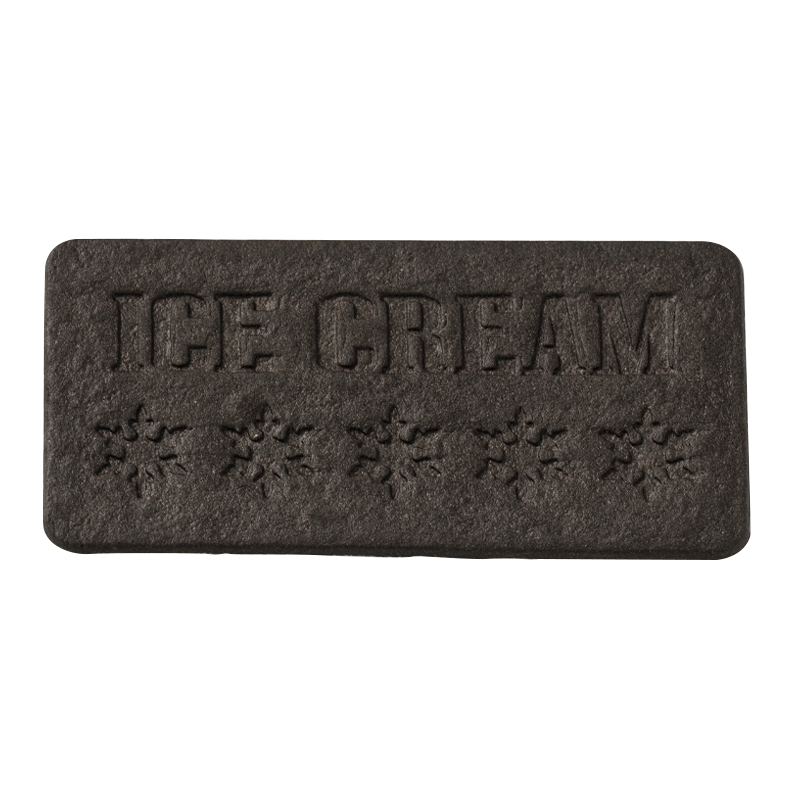
This rectangular cocoa crisp biscuit is the ideal shell for ice cream sandwiches. It continues the classic "Oreo" flavor profile and is optimized for cold chain environments.
See Details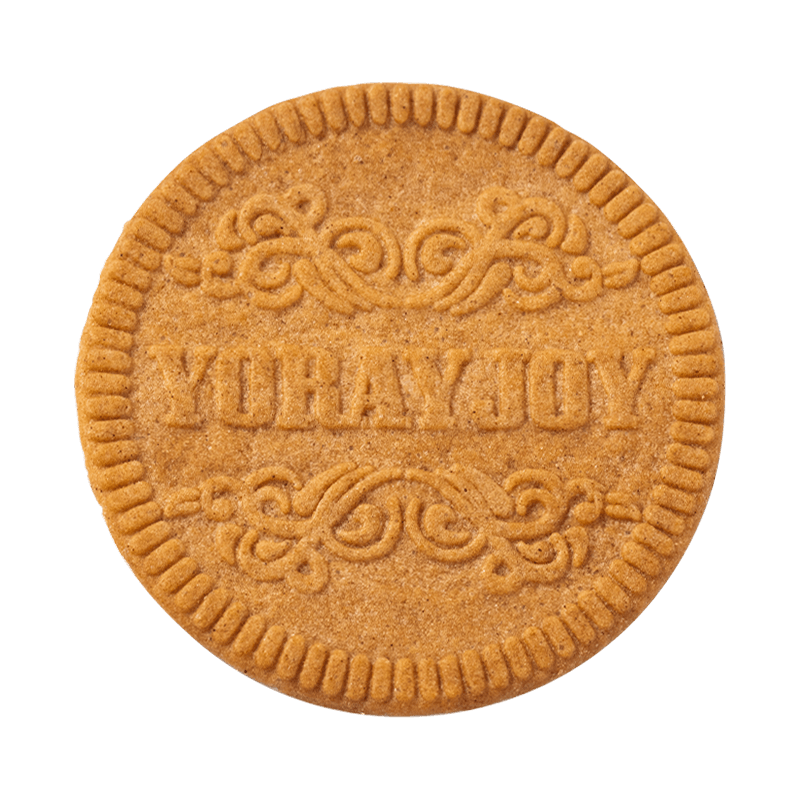
This core component, specifically designed for premium ice cream, features a scientifically formulated high-fat and high-sugar ratio, providing both robust structural support and a melt-in-your-mouth crispness.
See Details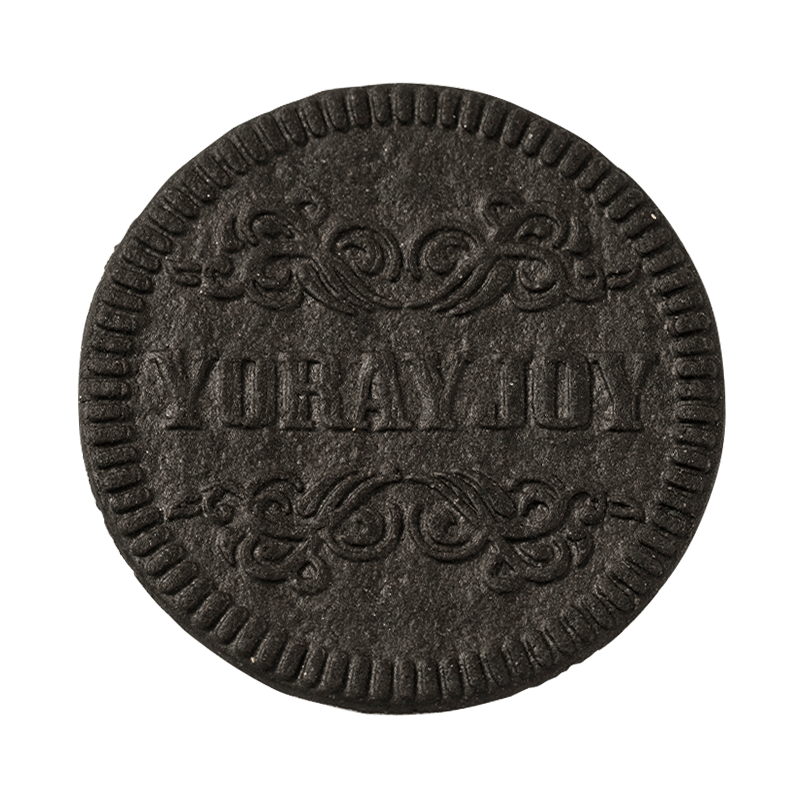
This product is a professional base ingredient specifically designed for high-end frozen desserts. It uses a high oil-to-sugar ratio and select low-gluten flour to create an exceptionally crisp texture that crumbles in y...
See Details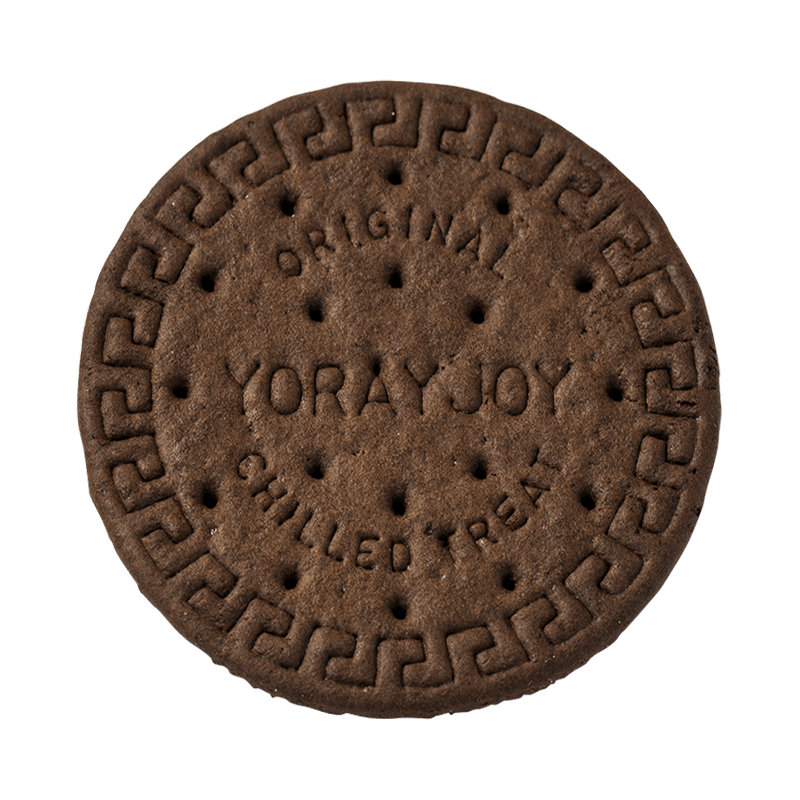
These Round Cocoa Hard Biscuits are specially designed for high-end frozen desserts and creative snacks, combining a crisp texture with excellent cold-chain transformation properties.
See Details
Quick Links
Product Category
Code Preview


