 English
 中文简体
中文简体
These Round Cocoa Hard Biscuits are specially designed for high-end frozen desserts and creative snacks, combining a crisp texture with excellent cold-chain transformation properties.
See Details

 2026.07.17
 Industry News
Content
Ice cream sandwich biscuits can be customized across two primary dimensions: flavor and shape. On the flavor side, manufacturers typically offer cocoa, butter, caramel, and increasingly matcha, taro, or black sesame profiles, each formulated to stay pliable rather than brittle at freezer temperature. On the shape side, the two dominant options are round biscuits and rectangular biscuits, produced as either hard biscuits or crisp biscuits, with custom thickness, diameter, and embossing available on request. Below is a detailed breakdown of what a sandwich biscuit factory can typically deliver, along with the formulation logic behind each option.
Flavor development for an ice cream sandwich biscuit is not simply a matter of adding cocoa powder or caramel syrup. Because the biscuit must remain soft and non-shattering at –18°C, every flavor variant has to be re-engineered at the fat, sugar, and moisture level rather than dropped into a single base recipe.
| Flavor Profile | Typical Inclusion Rate | Formulation Notes |
| Cocoa / Chocolate Biscuit Ice Cream Sandwich | 5% to 12% of flour weight | Dutch-processed cocoa is preferred for a stable dark color and lower acidity |
| Butter Biscuit | Base formulation | Higher liquid oil ratio keeps the neutral, buttery base pliable when frozen |
| Caramel Biscuit | 8% to 15% caramelized sugar syrup | Invert sugar content depresses the freezing point of the crumb |
Cocoa-based options remain the most requested across export markets because they pair reliably with almost any ice cream filling, which is why chocolate biscuit ice cream sandwich formats are treated as a default rather than a specialty item by most buyers.
Shape is determined largely by the production line used. Wafer-type biscuits are produced on sheeting lines, while cookie-type biscuits are produced on rotary moulders, and this equipment choice directly limits or expands the shapes available.
Within both round and rectangular shapes, buyers usually choose between two structural categories offered by an Ice Cream Sandwich Biscuit Manufacturer: hard biscuits and crisp biscuits. The distinction is about bite mechanics rather than flavor.
| Category | Bite Characteristic | Best Suited For |
| Ice Cream Sandwich Hard Biscuits | Denser structure, firm chew, holds shape under pressure | Thicker ice cream fillings, larger sandwich formats |
| Ice Cream Sandwich Crisp Biscuits | Lighter, more delicate snap that softens quickly against cold filling | Premium single-serve and layered dessert formats |
The following selection illustrates how flavor and shape customization come together in finished product lines, spanning round and rectangular formats across both hard and crisp biscuit categories.
Buyers sourcing from a sandwich biscuit factory generally move through four stages before a customized flavor or shape reaches production volume.
The best combination depends on the finished ice cream sandwich concept rather than personal preference alone. A few practical guidelines apply across most product development projects using an ice cream biscuits recipe as the starting formulation.
| Product Goal | Recommended Flavor | Recommended Shape |
| Mass-market retail sandwich | Cocoa or butter | Rectangular, hard biscuit |
| Premium single-serve dessert | Caramel or cocoa with chocolate coating | Round, crisp biscuit |
For most buyers, starting with a proven cocoa or butter base and adjusting shape first is the faster path to market, since flavor reformulation generally takes longer to validate for freeze stability than a change in cutting die.
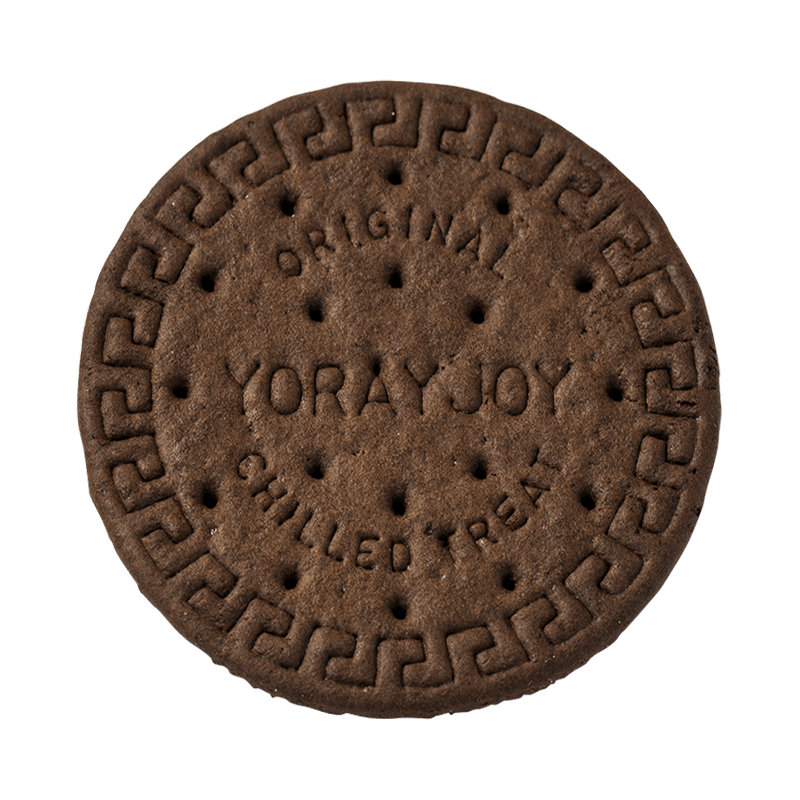
These Round Cocoa Hard Biscuits are specially designed for high-end frozen desserts and creative snacks, combining a crisp texture with excellent cold-chain transformation properties.
See Details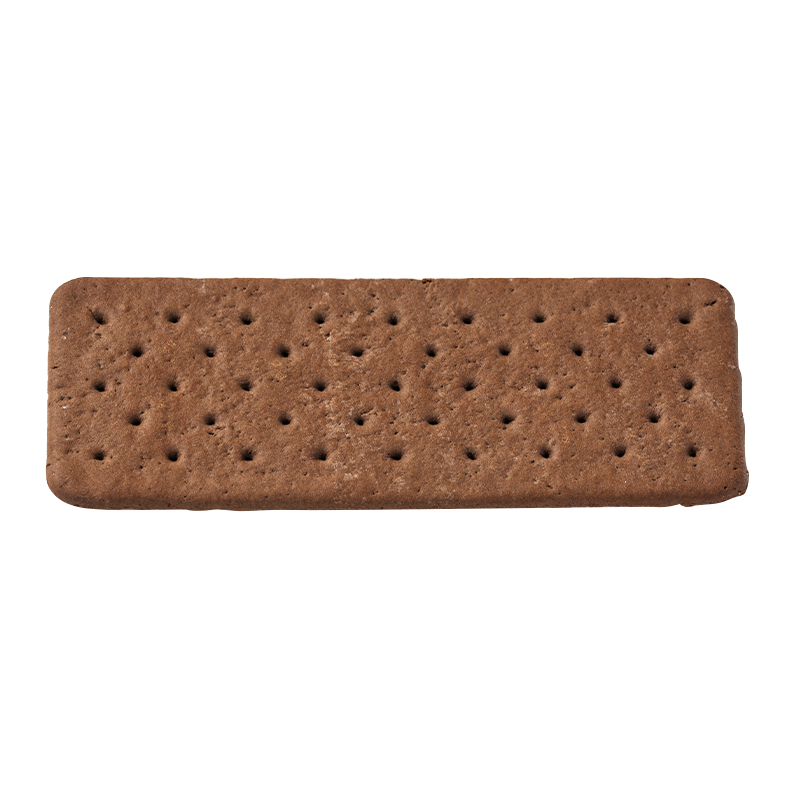
This rectangular cocoa hard biscuit is a classic baked semi-finished product, combining a crisp texture with excellent physical compatibility, making it an ideal base for frozen desserts and creative snacks.
See Details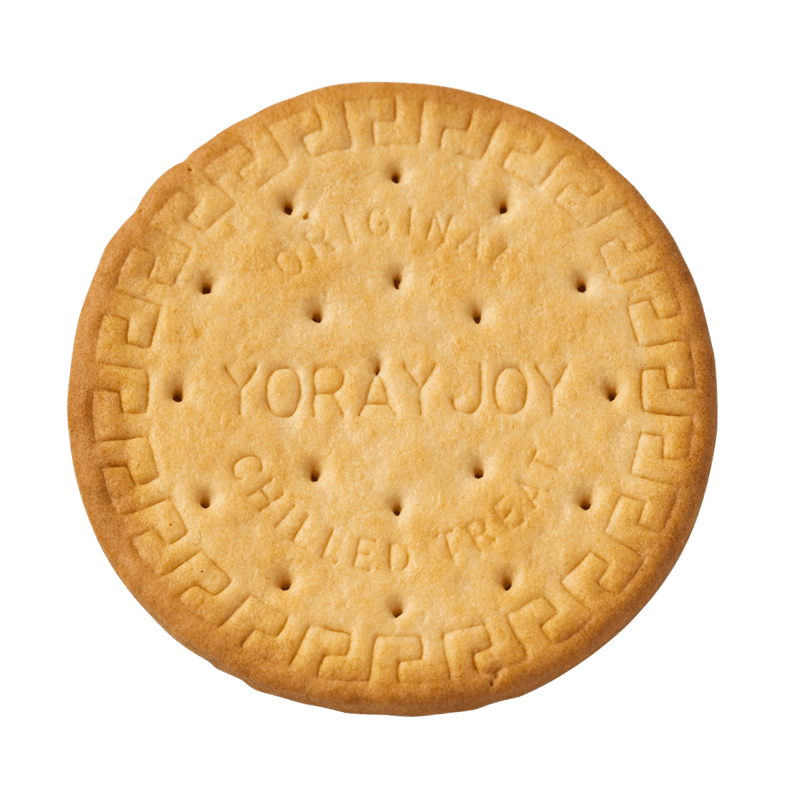
These Round Butter Hard Biscuits combine classic flavor with versatile textures, making them the ideal base for ice cream sandwiches.
See Details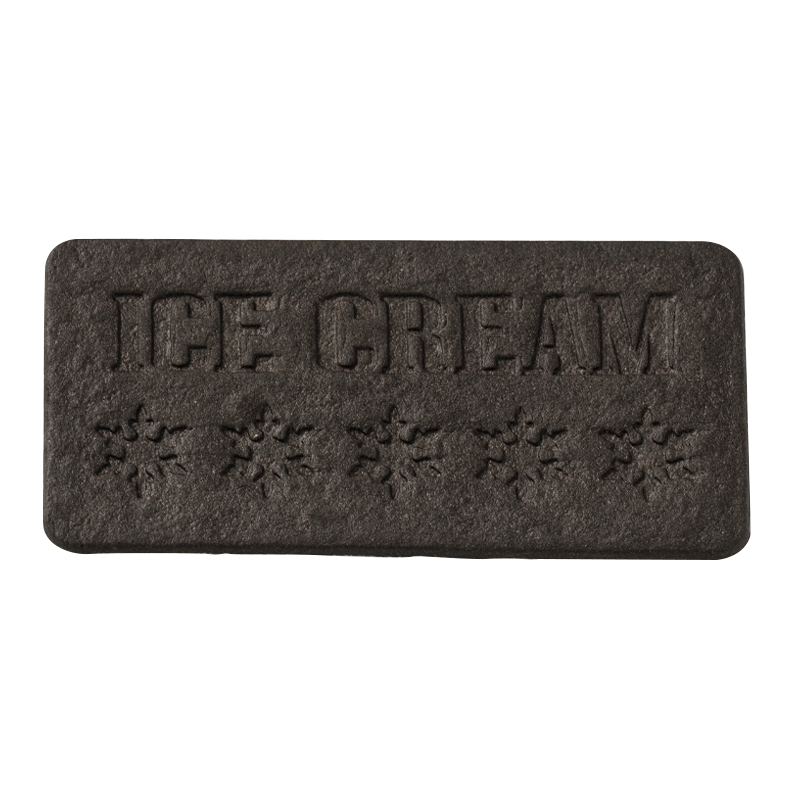
This rectangular cocoa crisp biscuit is the ideal shell for ice cream sandwiches. It continues the classic "Oreo" flavor profile and is optimized for cold chain environments.
See Details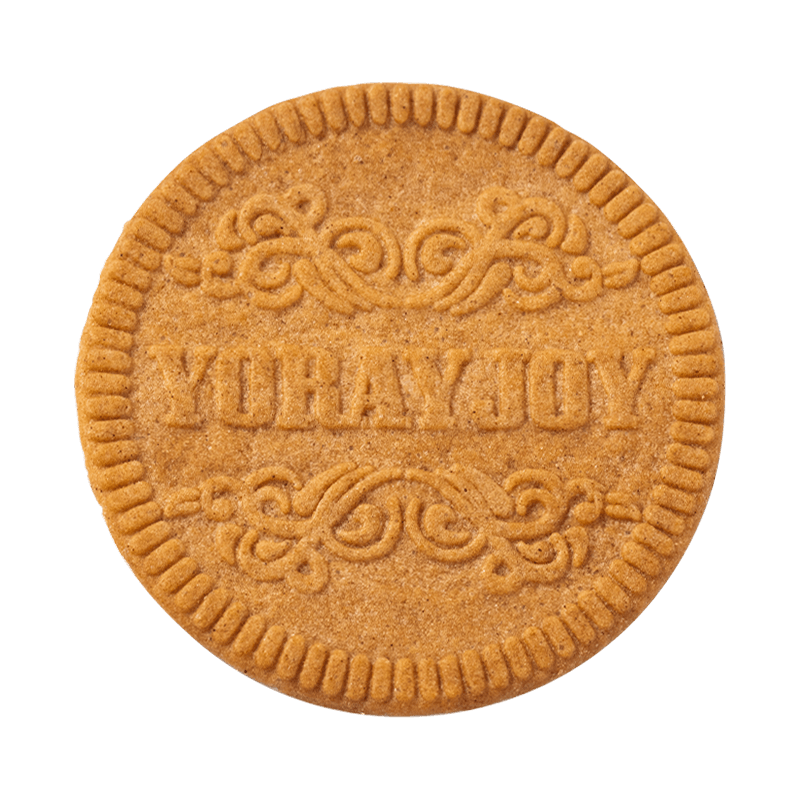
This core component, specifically designed for premium ice cream, features a scientifically formulated high-fat and high-sugar ratio, providing both robust structural support and a melt-in-your-mouth crispness.
See Details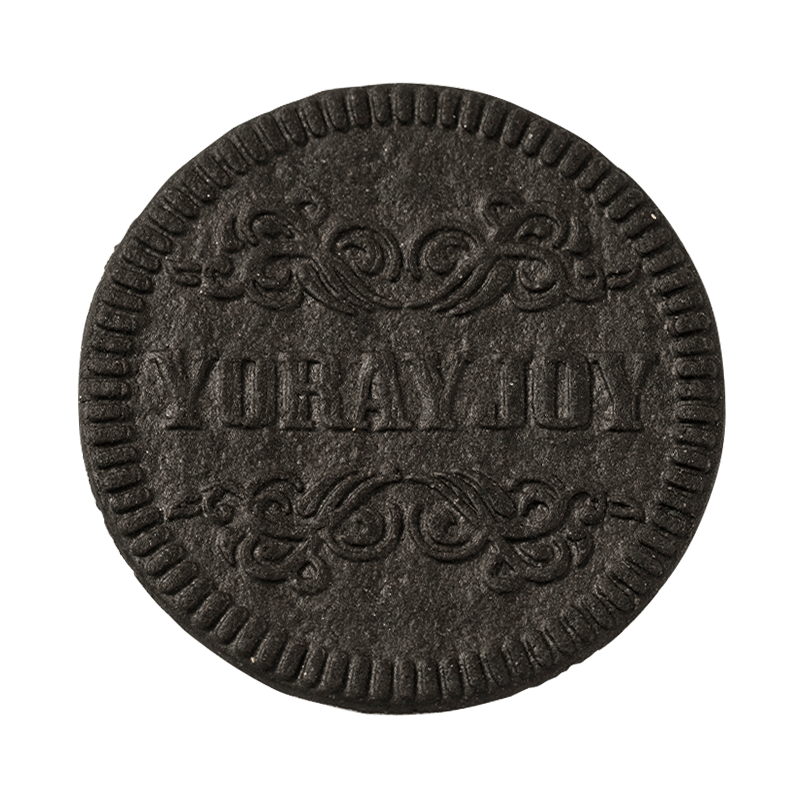
This product is a professional base ingredient specifically designed for high-end frozen desserts. It uses a high oil-to-sugar ratio and select low-gluten flour to create an exceptionally crisp texture that crumbles in y...
See Details
Quick Links
Product Category
Code Preview
