2026.07.24
 Industry News
Content
No, feuilletine should not be used on its own in any application that touches moisture, cream, or ganache. The flakes need a thin coating of fat — couverture chocolate, praline paste, or cocoa butter — before they go anywhere near a filling. Skip that step and the crunch is usually gone within hours. Used dry as a last-minute garnish on a plate that gets eaten right away, it is fine on its own. Everything else calls for a fat coating first.
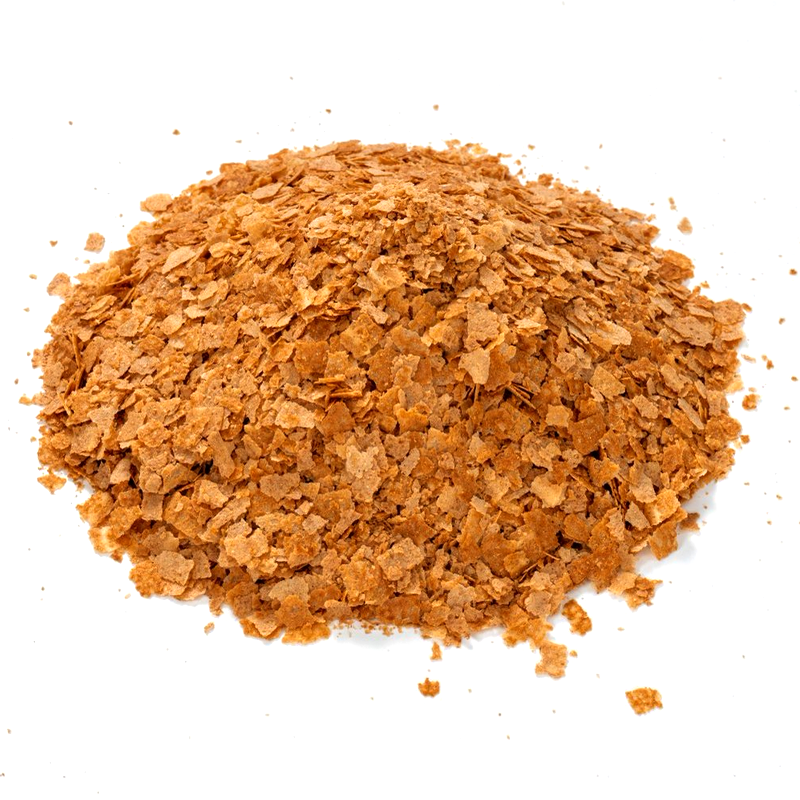
Feuilletine flakes are baked from a thin wheat batter until the moisture content drops to roughly 3 to 5 percent. That low moisture is exactly what gives the flake its shatter-crisp bite, but it also makes the flake extremely absorbent. Once bare feuilletine touches a wet or fatty filling such as mousse, ganache, or fruit puree, it starts pulling moisture out of that surrounding mixture. Within a few hours the flake softens, loses its snap, and turns chewy or even soggy. This is the single biggest technical reason pastry chefs never fold raw feuilletine directly into a filling.
A fat coating changes the physics entirely. Melted chocolate, praline paste, or cocoa butter wraps each flake in a thin hydrophobic film. That film physically blocks water molecules from migrating into the wafer structure, so the crunch is preserved for weeks rather than hours. This is why almost every professional croustillant, praline center, or crunchy insert recipe lists a fat-based binder as a mandatory step, not an optional one.
Manufacturers and pastry labs that have tested uncoated feuilletine against fat-coated feuilletine in identical fillings report a consistent pattern of failure. The table below summarizes typical outcomes based on standard shelf tests at 16 to 18 degrees Celsius with controlled humidity.
| Handling Method | Crunch Retention | Typical Failure Point |
|---|---|---|
| Bare feuilletine folded directly into mousse | 2 to 6 hours | Moisture migration softens the flake almost immediately |
| Feuilletine mixed with praline paste (1:2 ratio) | 4 to 8 weeks | Gradual softening only after extended cold storage |
| Feuilletine coated in tempered couverture | 4 to 12 weeks | Requires stable temperature to prevent chocolate bloom |
| Bare feuilletine as an immediate-serve garnish | Full crunch at plating | Not applicable, meant to be eaten within minutes |
There is exactly one scenario where skipping the fat coating is acceptable: garnishing a dessert that will be served and eaten within minutes, such as a plated dessert finished tableside, a scoop of ice cream topped just before it reaches the customer, or a beverage where the flakes sit on top of whipped cream rather than mixed into it. In these cases the flake never has enough contact time with moisture to soften, so the dry, neutral crunch comes through exactly as intended. The moment feuilletine is meant to sit inside a product for more than about thirty minutes before consumption, the fat-coating step becomes necessary again.
The following product lines are formulated to pair directly with couverture, praline paste, or cocoa butter for stable, long-lasting crunch in industrial and artisan production.
The standard ratio used across most professional kitchens is one part feuilletine to two parts praline paste or melted couverture by weight. This ratio coats every flake without drowning it in liquid fat, which would otherwise dull the crunch instead of protecting it. A few practical points matter here.
Both variants pair with fat the same way, but they behave differently in the finished product because of their base flavor profile and color.
| Type | Flavor Profile | Best Paired Fat |
|---|---|---|
| Butter Feuilletine | Delicate, rich, classic wafer note | White or milk couverture, hazelnut praline |
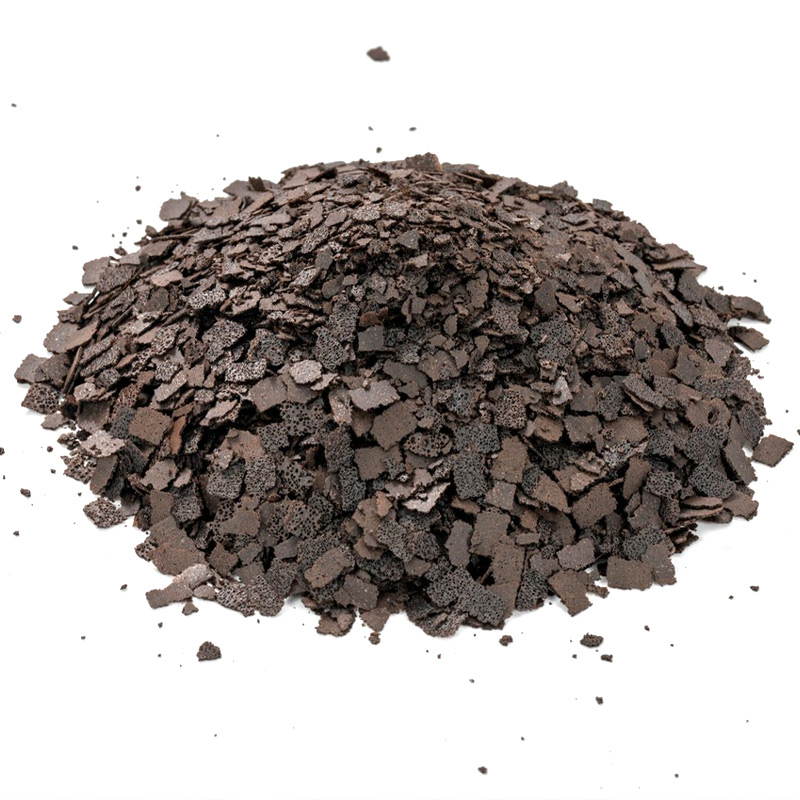
| Cocoa Feuilletine | Deeper roasted cocoa undertone | Dark couverture, almond praline |
Dark couverture with high cocoa butter content, generally above 70 percent, tends to give the longest crunch retention because cocoa butter sets firmer at room temperature than milk chocolate, which contains more dairy fat and sugar that can slightly raise water activity in the finished layer.
Feuilletine on its own is not stable in any wet or fatty environment. Mixing it into praline paste, couverture, or cocoa butter before it touches mousse, ganache, or cream is the standard practice across croustillant layers, chocolate bonbons, entremet bases, and frozen desserts. The only exception is a dry, immediate-serve garnish where the flake is consumed within minutes of being placed.

Quick Links
Product Category
Code Preview

 English
 中文简体
中文简体