English
 中文简体
中文简体



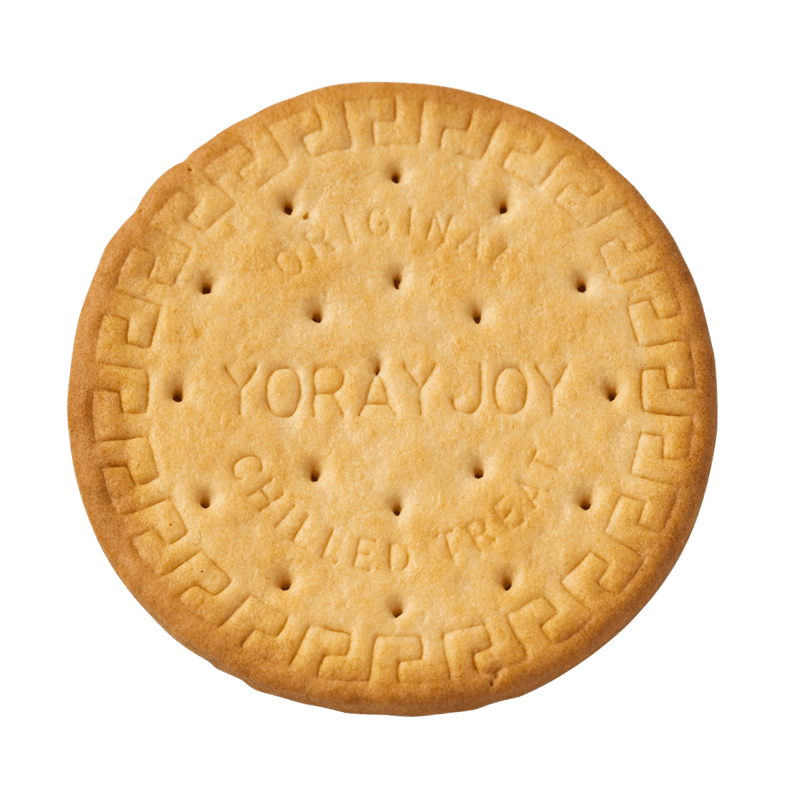
What Is Caramel Biscuit Powder and Why Does It Matter to the Food Industry
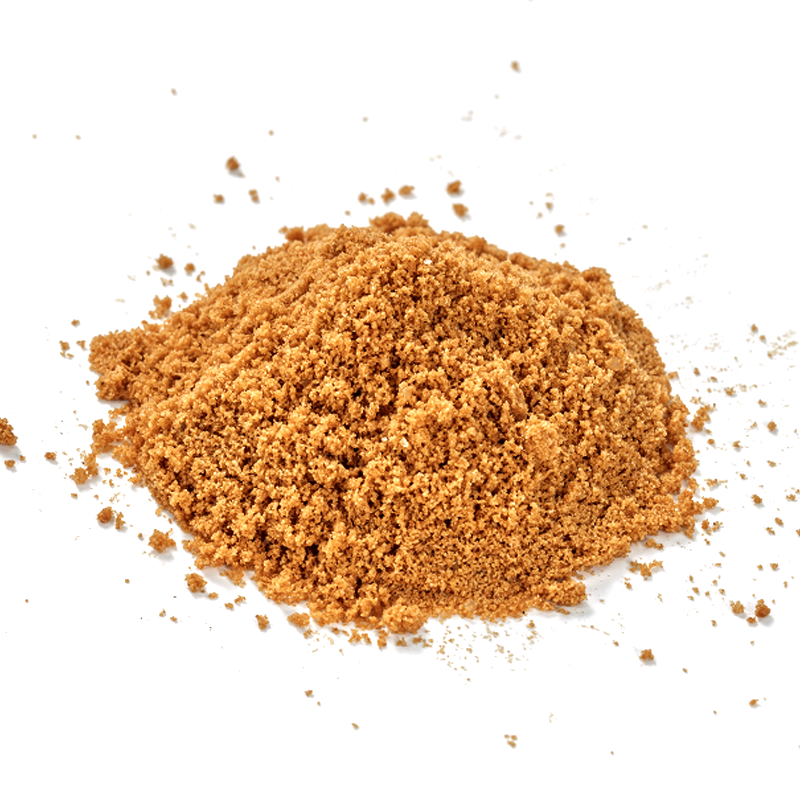
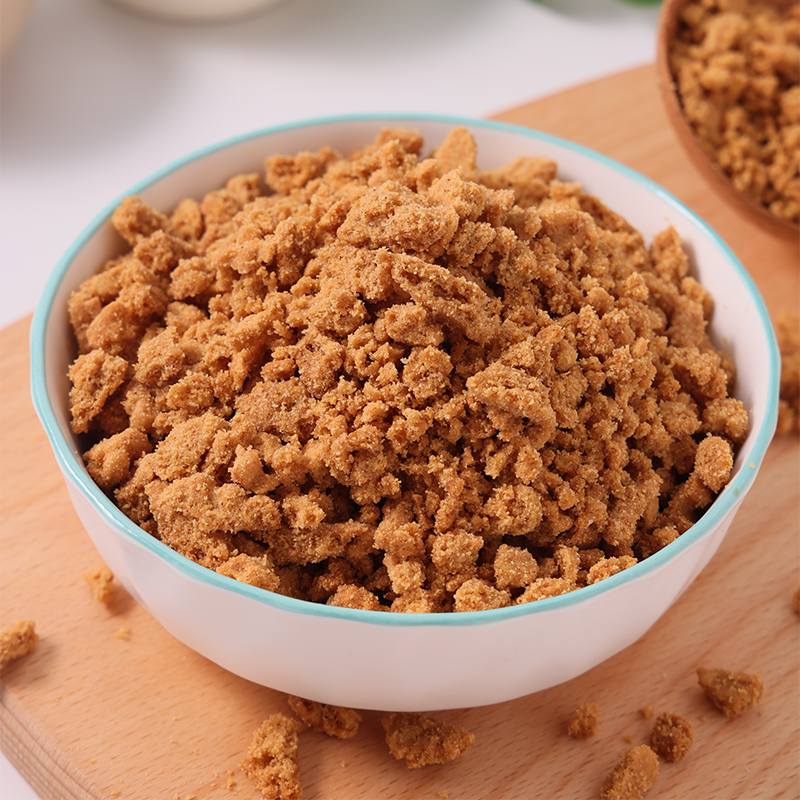
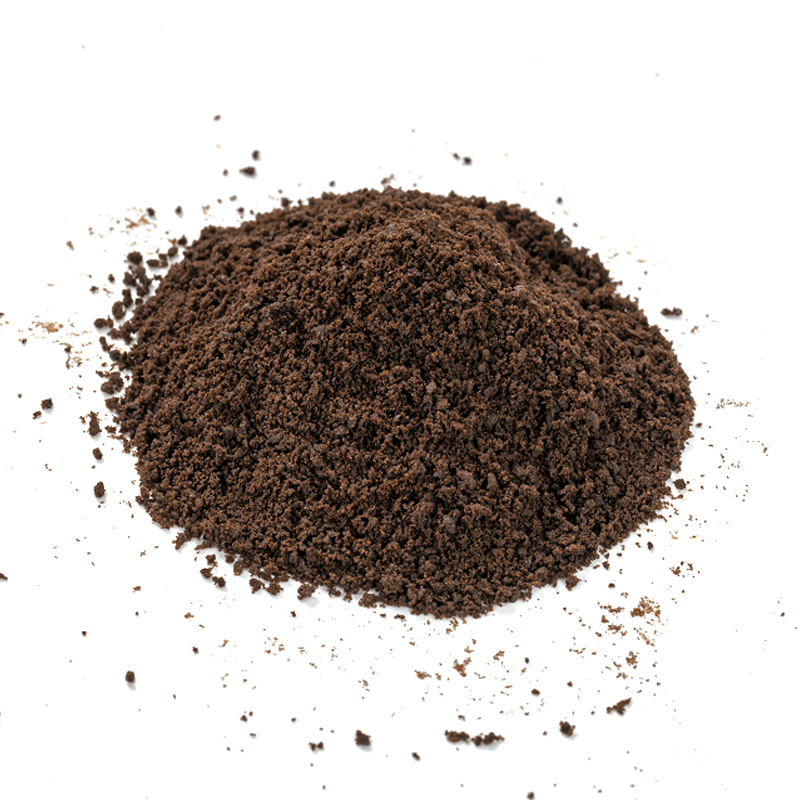
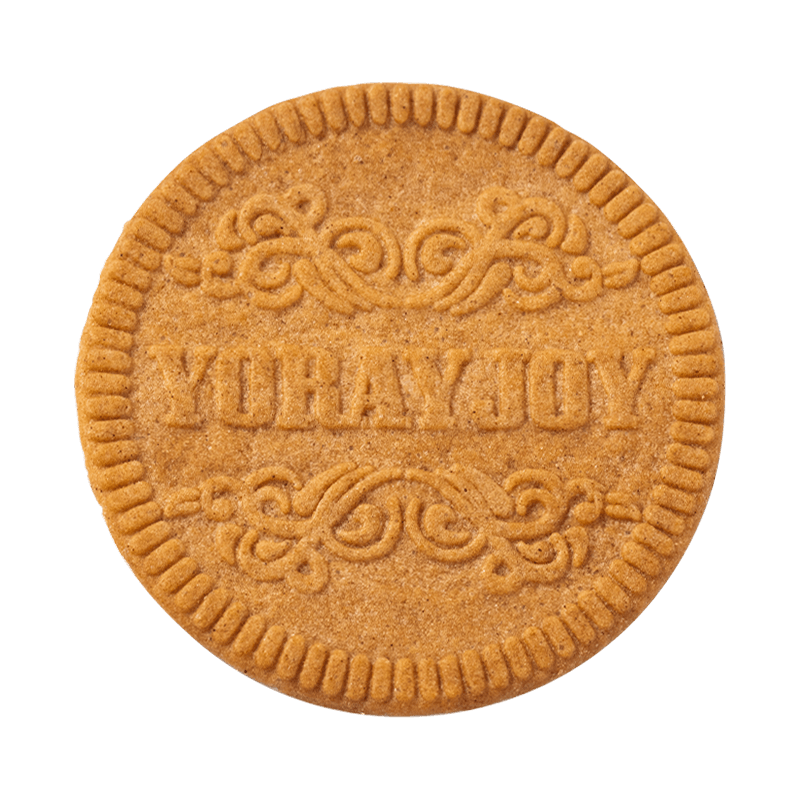
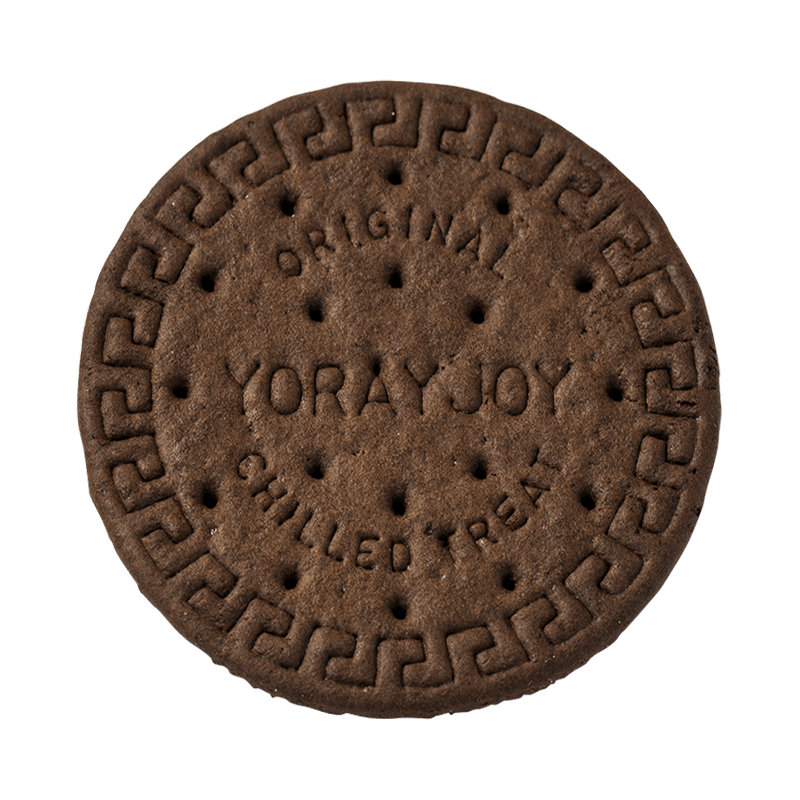
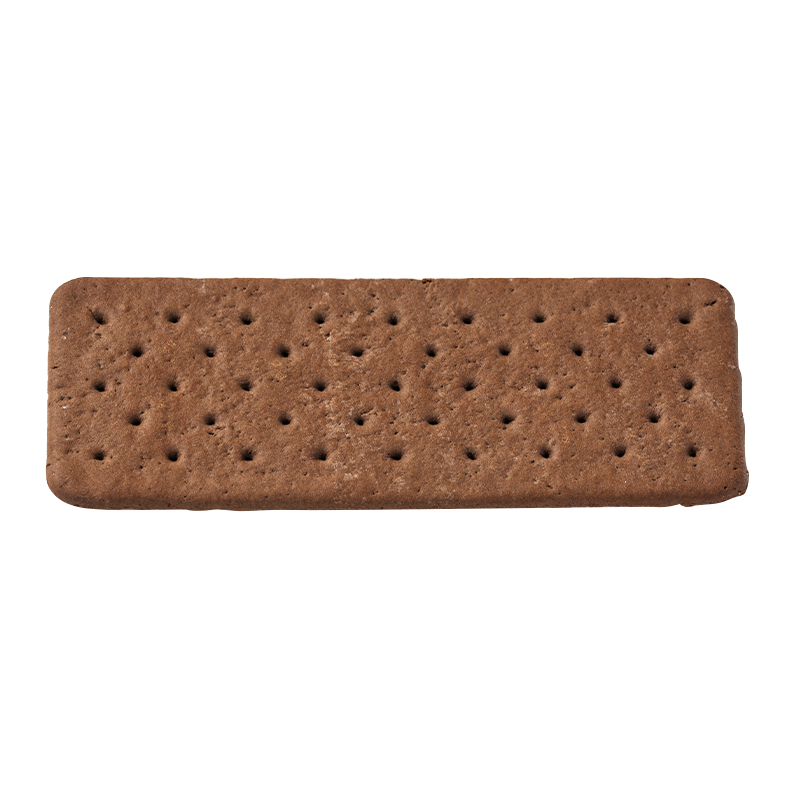
Caramel Biscuit Powder is a processed ingredient derived from caramel-flavored biscuits that have been ground into a fine, uniform powder form. It serves as a versatile base material in food manufacturing, enabling producers to infuse authentic biscuit character—crisp sweetness, caramel depth, and toasted grain notes—into a wide range of applications without the structural limitations of whole biscuits. From fillings and coatings to beverages and frozen desserts, this ingredient has become a critical component in modern product formulation.
In industrial terms, caramel biscuit powder functions as a flavor carrier, texture modifier, and visual enhancer simultaneously. Its significance lies in the ability to deliver a recognizable and beloved flavor profile in a highly scalable, shelf-stable format that integrates easily into production lines.
How Does the Taste of Caramel Biscuit Powder Differ from That of the Caramel Biscuits Themselves
This is one of the most frequently raised questions among product developers encountering caramel biscuit powder for the first time. The short answer: the core flavor profile is preserved, but the sensory experience is fundamentally transformed.
Flavor Intensity and Concentration
When biscuits are milled into powder, the surface area increases dramatically—sometimes by a factor of 50 to 100 times compared to the whole biscuit. This exposes more aromatic compounds to the palate and to the formulation medium, resulting in a more concentrated and immediate flavor impact. A small dosage of powder—typically 3% to 8% by weight in a finished product—can deliver a caramel biscuit note that a proportionally equal amount of whole biscuit pieces cannot.
Texture Elimination vs. Texture Contribution
The signature crunch and snap of a caramel biscuit is entirely absent in the powder form. Instead, the powder contributes a different textural function: it can add slight graininess to creams, create a sandy mouthfeel in truffle centers, or provide body and viscosity in liquid applications such as milk tea or flavored lattes. This makes powder and whole biscuit pieces complementary rather than interchangeable.
Caramel and Maillard Notes in Powder Form
The Maillard reaction and caramelization that occur during biscuit baking generate a complex library of aromatic compounds—including furans, pyrazines, and lactones. In powder form, these compounds are readily soluble and volatile, meaning the caramel and toasty notes are perceived faster and more cleanly. Blind panel tests conducted in product development settings frequently show that tasters rate caramel biscuit powder as "more caramel-forward" than an equivalent weight of crushed biscuit, precisely because of this enhanced compound availability.
| Attribute | Whole Caramel Biscuit | Caramel Biscuit Powder |
|---|---|---|
| Flavor Release | Gradual, chew-dependent | Immediate, surface-area-driven |
| Caramel Intensity | Moderate | High (concentrated) |
| Texture Contribution | Crunch, structural bite | Sandy/grainy mouthfeel, body |
| Solubility in Liquids | None (not dispersible) | Partial to full (formulation-dependent) |
| Application Versatility | Limited to solid or layered products | Broad (beverages, creams, coatings, fillings) |
| Shelf Stability | Moderate (moisture-sensitive) | High (when properly packaged) |
Core Industry Knowledge: How Caramel Biscuit Powder Is Produced
Understanding the production process is essential for buyers and formulators evaluating quality differences between suppliers.
Biscuit Base Selection
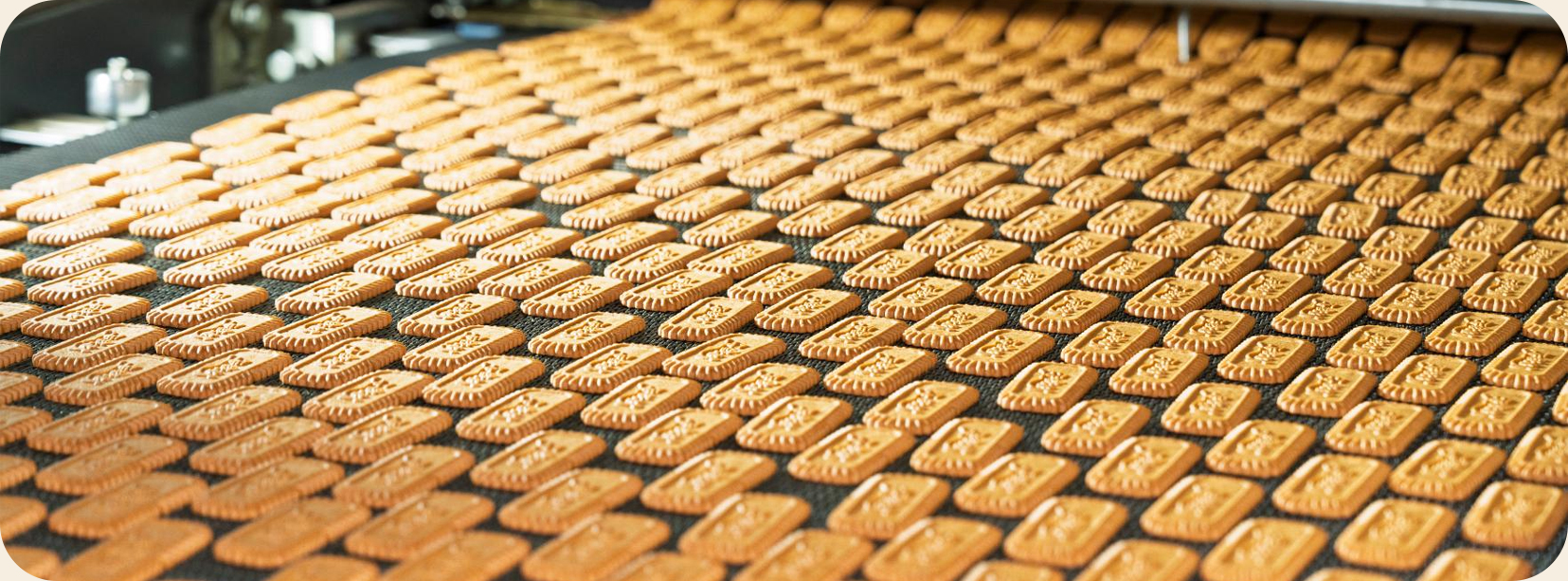
The quality of the final powder is fundamentally determined by the biscuit used as raw material. Professional-grade caramel biscuit powder manufacturers start with biscuits produced under controlled baking conditions, where caramelization temperature (typically 150°C to 190°C), sugar ratio, and fat content are tightly managed to ensure batch-to-batch flavor consistency. The biscuit's moisture content at the point of milling is critical—ideally below 3%—to prevent clumping and ensure stable powder flow.
Milling and Particle Size Control
Industrial milling of biscuits employs either hammer mills or roll mills, with the choice affecting final particle size distribution. For most food applications, a particle size of 150 to 400 microns (μm) is targeted. Finer powders (below 150μm) dissolve more readily in liquids but may develop off-notes due to fat oxidation at higher surface areas. Coarser powders retain more texture contribution but may cause inconsistency in thin coatings or smooth creams.
Post-Milling Treatment and Packaging
After milling, the powder is typically sieved, blended for uniformity, and packaged under nitrogen or with oxygen absorbers to minimize oxidation of biscuit fats. Proper nitrogen-flush packaging can extend shelf life from 3 months to over 12 months without flavor degradation, a critical specification for supply chain planning in large-scale food manufacturing.
Primary Application Areas in Food Manufacturing
Caramel biscuit powder has found adoption across a remarkably wide range of product categories. The following represent the highest-volume industrial applications:
- Dairy and frozen desserts: Used in ice cream variegates, frozen yogurt bases, and cheese-style desserts at dosages of 4–10%. Provides caramel complexity without the need for artificial flavoring.
- Chocolate and confectionery fillings: Incorporated into praline masses, truffle ganaches, and wafer cream layers. Typical inclusion rates range from 5% to 15%, depending on desired intensity.
- Beverage applications: Tea beverage brands and specialty coffee chains use caramel biscuit powder in base syrups and powder mixes for lattes and milk teas, where 2–6% dosage delivers a recognizable biscuit-caramel note in the finished drink.
- Bakery inclusions and coatings: Applied as a surface coating for mochi, pastry glazes, or incorporated into cake crumb structures for layered flavor effects.
- Snack seasoning and cereal blends: Mixed with other dry seasonings for flavored popcorn, granola, and breakfast cereal products where caramel notes are part of the flavor profile.
Frequently Asked Questions About Caramel Biscuit Powder
What is the recommended storage condition for caramel biscuit powder?
Caramel biscuit powder should be stored in a cool, dry environment at temperatures below 25°C and relative humidity below 60%. Due to the hygroscopic nature of sugar and starch in the biscuit base, exposure to moisture causes clumping and accelerates flavor deterioration. Once opened, sealed and refrigerated storage is advised, with usage within 30 days recommended for optimal flavor performance.
Can caramel biscuit powder be used in heat-processed applications?
Yes, but with important considerations. The flavor compounds in caramel biscuit powder are relatively heat-stable up to approximately 140°C. Beyond this threshold, secondary Maillard reactions can generate bitter or acrid off-notes. For applications involving UHT processing or high-temperature baking, it is advisable to add the powder post-process or to use an encapsulated version that provides controlled flavor release.
Is caramel biscuit powder the same as biscuit crumb?
No. Biscuit crumb refers to irregularly broken pieces of biscuit, typically used for texture in cheesecake bases or dessert toppings. Caramel biscuit powder is a uniformly milled product with controlled particle size, designed for consistent blending into formulations rather than for visual texture contribution. The two differ substantially in particle size, flow properties, and flavor concentration.
How does caramel biscuit powder interact with fats and emulsifiers in chocolate formulations?
Caramel biscuit powder contains residual fats from the original biscuit (typically 15–25% fat by dry weight). When incorporated into chocolate masses, this fat content contributes to fluidity reduction. Formulators typically compensate by adjusting cocoa butter ratios or using lecithin at dosages of 0.3–0.5% to maintain proper viscosity. Pre-testing with a pilot batch is strongly advised before scaling production.
What allergen declarations are required for caramel biscuit powder?
Standard caramel biscuit powder contains wheat (gluten) and may contain milk, soy, and eggs depending on the biscuit recipe used by the manufacturer. Products derived from it must carry appropriate allergen declarations per applicable regional food safety regulations (e.g., EU 1169/2011, FDA FALCPA). Buyers should request full allergen documentation and production facility cross-contact information from their supplier before launching products in regulated markets.
What particle size specification should I request from a supplier?
The optimal particle size depends on the intended application:
- Fine (below 200μm): Best for beverages, smooth creams, ganaches, and applications requiring complete integration without visible particulates.
- Medium (200–400μm): Suitable for most filling and coating applications; balances flavor delivery with slight texture presence.
- Coarse (above 400μm): Used when visible speckling or light crunch contribution is desirable, such as in ice cream inclusions or artisan-style bakery finishes.
Leading caramel biscuit powder manufacturers and companies with advanced milling capabilities, such as those supplying major dairy brands, frozen food groups, and tea beverage chains, typically offer multiple particle size grades and can provide custom specifications to support specific formulation requirements.
Key Quality Indicators When Evaluating Caramel Biscuit Powder Suppliers
Not all caramel biscuit powders are manufactured to the same standard. When assessing a supplier, the following specifications should be requested and verified:
| Quality Parameter | Industry Benchmark | Why It Matters |
|---|---|---|
| Moisture Content | ≤ 3% | Prevents clumping and microbial growth |
| Particle Size D90 | ≤ 400μm (standard grade) | Ensures consistent blending and texture |
| Fat Content | 15–25% (varies by biscuit recipe) | Affects formulation viscosity and richness |
| Peroxide Value | ≤ 5 meq/kg | Indicates fat oxidation and freshness |
| Color (L* value) | 55–70 (golden-brown range) | Reflects degree of caramelization |
| Total Plate Count | ≤ 10,000 CFU/g | Microbiological safety compliance |
| Shelf Life (sealed) | 12 months (nitrogen-flushed packaging) | Supply chain viability and stock planning |
Established caramel biscuit powder companies with a proven track record across diverse customer categories—including dairy, chocolate, frozen food, and tea beverage sectors—are better positioned to maintain these standards across high-volume orders due to their investment in standardized biscuit base production, precision milling equipment, and rigorous quality control protocols. Requesting a certificate of analysis (COA) for each production batch is standard practice and should be considered a baseline requirement for any serious procurement relationship.