English
 中文简体
中文简体

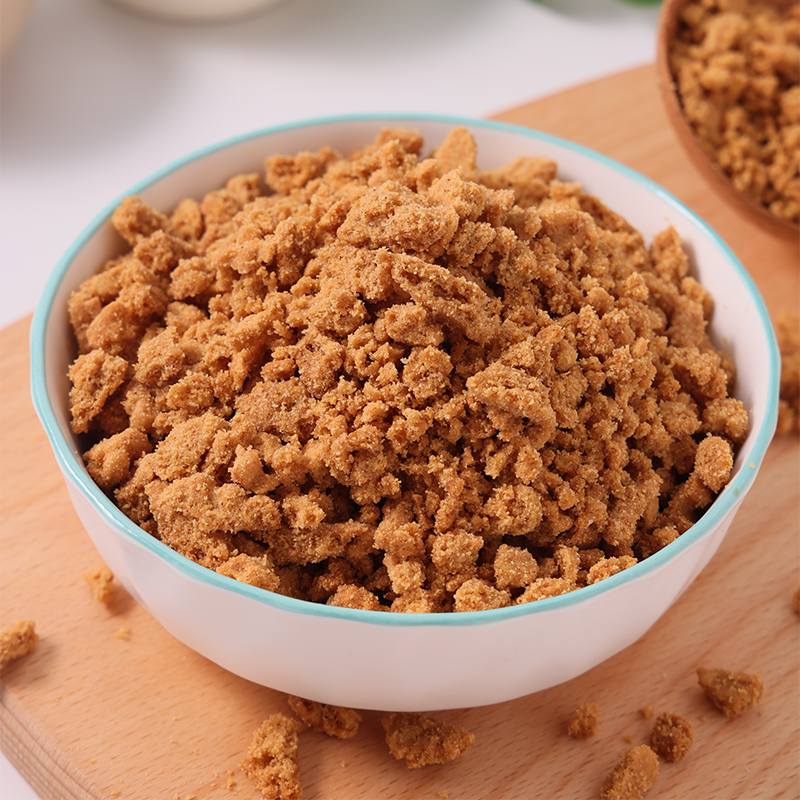
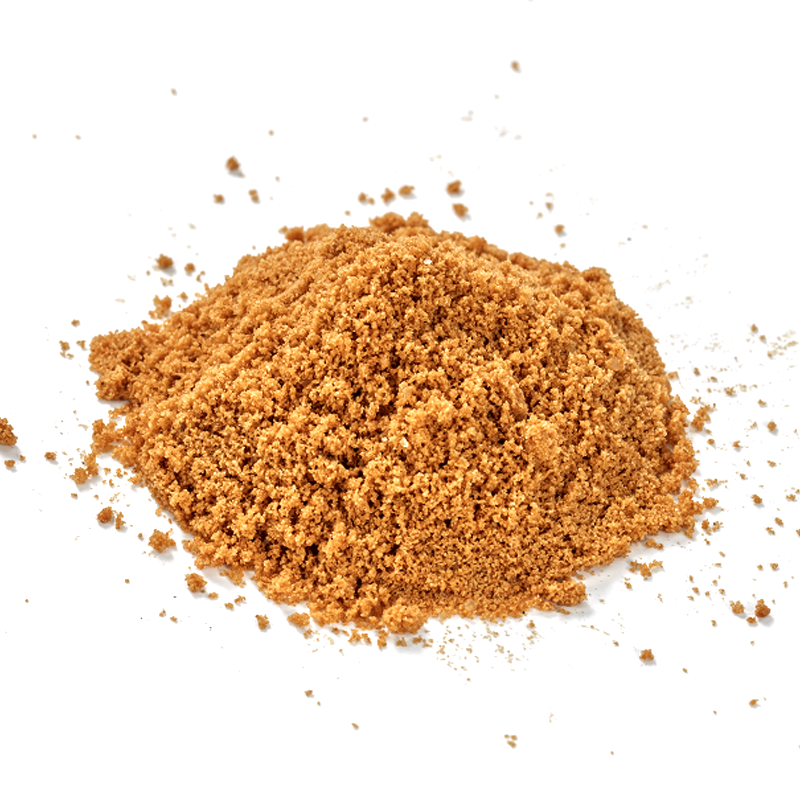


What Are Caramel Biscuit Crumbles and Why Do They Matter in the Food Industry?
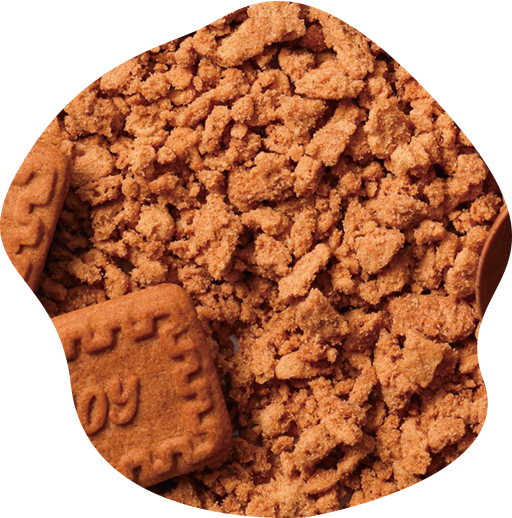
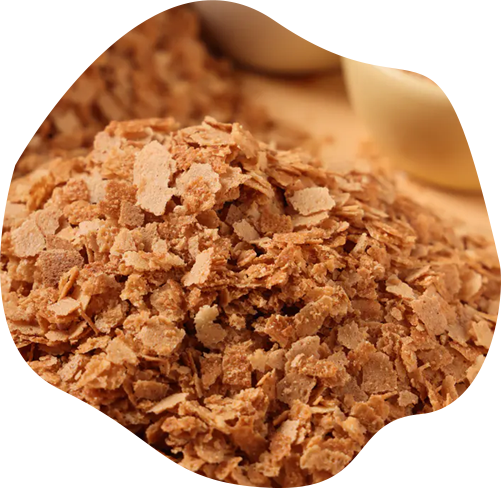
Caramel biscuit crumbles are pre-processed biscuit-based inclusions featuring a rich caramel flavor profile, used as functional toppings, mix-ins, and base layers across dessert, dairy, and beverage applications. In industrial food production, they are valued not only for their taste but for their textural contribution — delivering crunch, contrast, and visual appeal that drive consumer preference and repeat purchase.
The global biscuit market was valued at approximately USD 103 billion in 2023 and continues to grow, with specialty inclusions like caramel crumbles emerging as a high-margin category. From bubble tea chains to premium ice cream brands and bakery lines, caramel biscuit crumbles have become a cross-category ingredient with significant commercial leverage.
Core Production Standards for Caramel Biscuit Crumbles
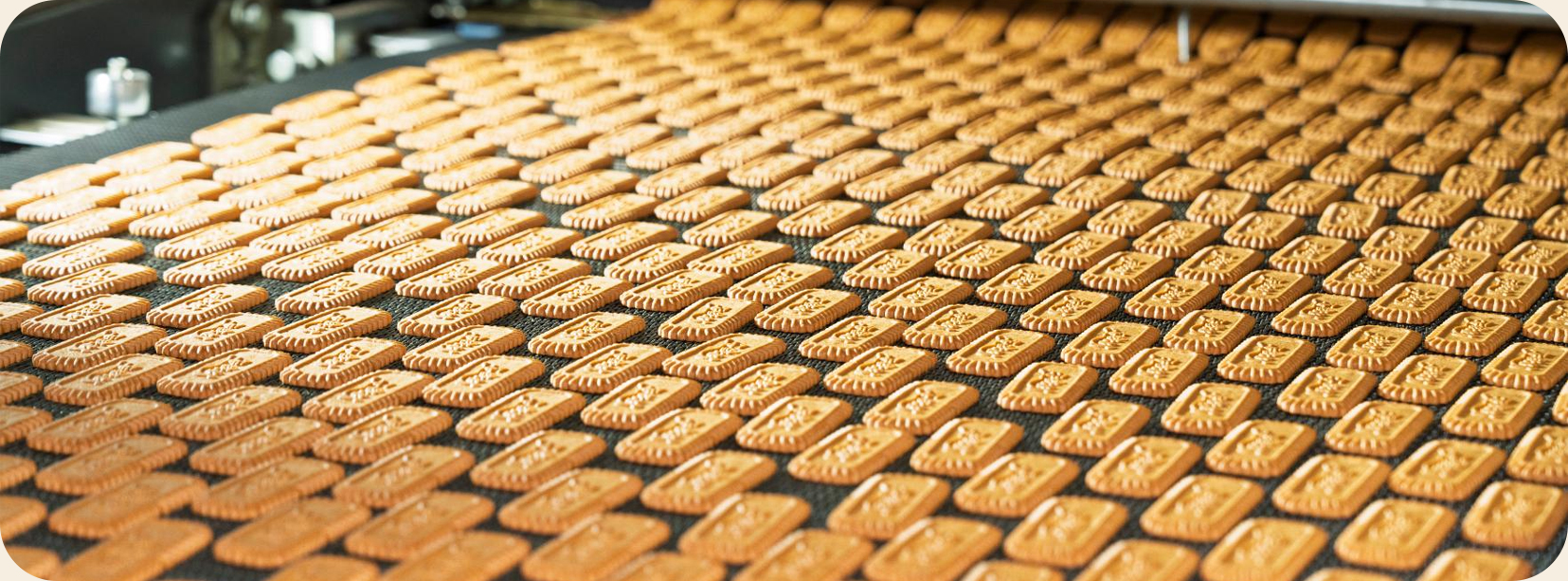
Industrial caramel biscuit crumbles are not simply crushed biscuits. Their manufacture involves precise control across several technical parameters that determine shelf stability, texture retention, and flavor consistency.
Key Manufacturing Variables
- Particle size distribution: Typically ranges from 2mm to 8mm, depending on end-use application. Finer crumbles (2–4mm) suit blended beverages and yogurt layers; coarser fragments (5–8mm) are preferred for ice cream toppings and pastry decoration.
- Water activity (Aw): Must remain below 0.4 to prevent moisture migration and maintain crunch after integration into wet applications such as mousse or cream-based desserts.
- Caramel coating method: Enrobing vs. baking-in caramel produces different flavor intensity and color uniformity. Enrobed crumbles tend to deliver a more intense, surface-forward sweetness, while baked-in caramel offers a deeper Maillard-driven note.
- Fat bloom resistance: Particularly critical when crumbles are used alongside chocolate components; suppliers often apply a thin moisture barrier or use refined palm-based fat systems.
Shelf Life Benchmarks
| Packaging Type | Typical Shelf Life | Storage Condition |
|---|---|---|
| Standard PE bag | 6–9 months | ≤25°C, RH ≤65% |
| Nitrogen-flushed pouch | 12–15 months | ≤25°C, away from light |
| Bulk kraft paper + PE liner | 9–12 months | ≤20°C, dry warehouse |
Primary Application Sectors and Use Cases
Caramel biscuit crumbles function as versatile biscuit base materials across a wide range of categories. Understanding segment-specific requirements is essential for product development teams and procurement professionals.
Dairy and Frozen Desserts
This remains the dominant segment. Ice cream manufacturers use caramel biscuit crumbles as ripple inclusions or cone bases. A critical technical requirement is freeze-thaw stability — the crumble must resist becoming soggy upon exposure to frozen cream matrices. Leading frozen food suppliers often specify crumbles with a minimum hardness value of 15 N (Newton force) post-freeze cycle testing.
New Tea and Beverage Chains
The explosive growth of Asian-style tea beverage chains — with some brands operating over 10,000 stores globally — has created sustained demand for biscuit crumble toppings. In this application, crumbles are layered on top of cheese foam or milk tea, requiring fast-disperse particle sizes (3–5mm) that dissolve pleasantly rather than leaving hard chunks.
Bakery and Patisserie
In a professional bakery, caramel biscuit crumbles serve both structural and decorative roles — as cheesecake bases (compressed crumble + butter), tart shell components, or finishing decorations on entremets. Artisan patisseries often source from industrial suppliers to ensure batch-to-batch color and granule consistency, which is difficult to replicate with in-house crushing.
Chocolate and Confectionery Inclusions
Heritage chocolate brands incorporate caramel biscuit crumbles as textural inclusions in tablet bars and pralines. This requires the highest standard of fat compatibility and moisture control, as any residual free moisture can cause sugar bloom in chocolate coatings within weeks of production.
Sourcing Criteria: What Buyers and Product Developers Should Evaluate
Selecting the right caramel biscuit crumble supplier involves more than price comparison. The following criteria directly impact production efficiency, product quality, and brand reputation.
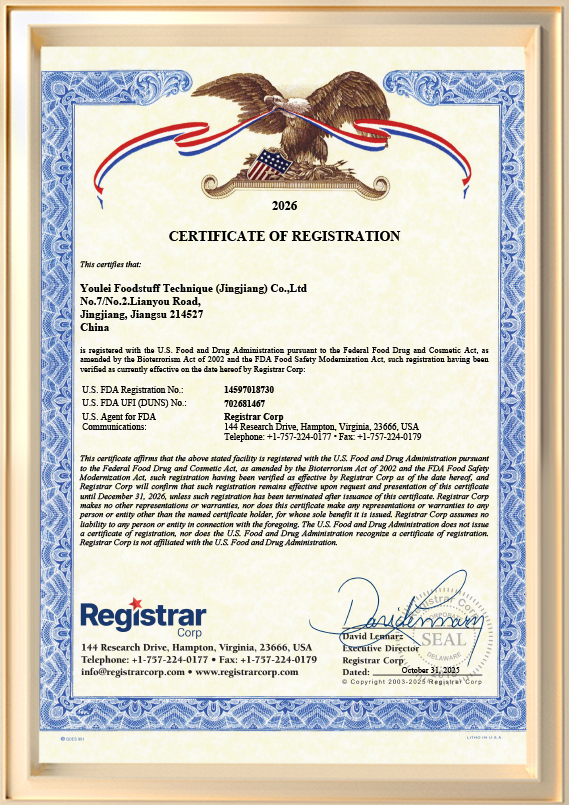
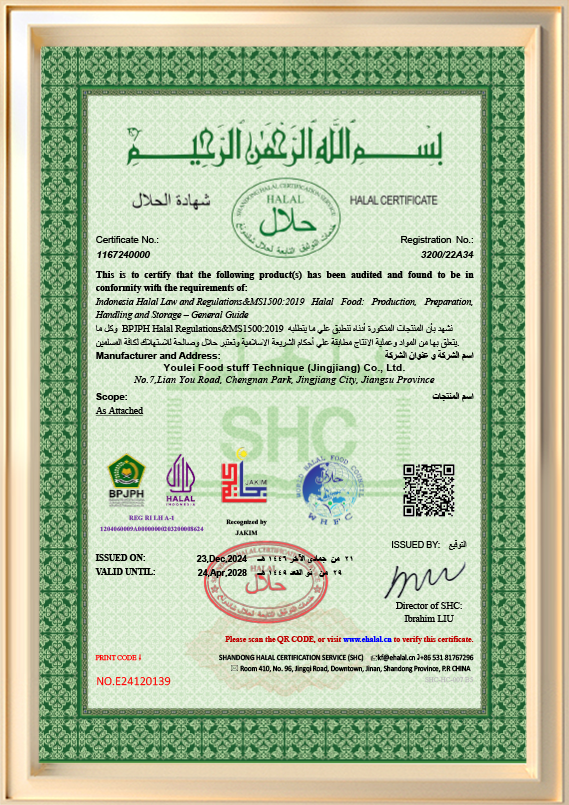
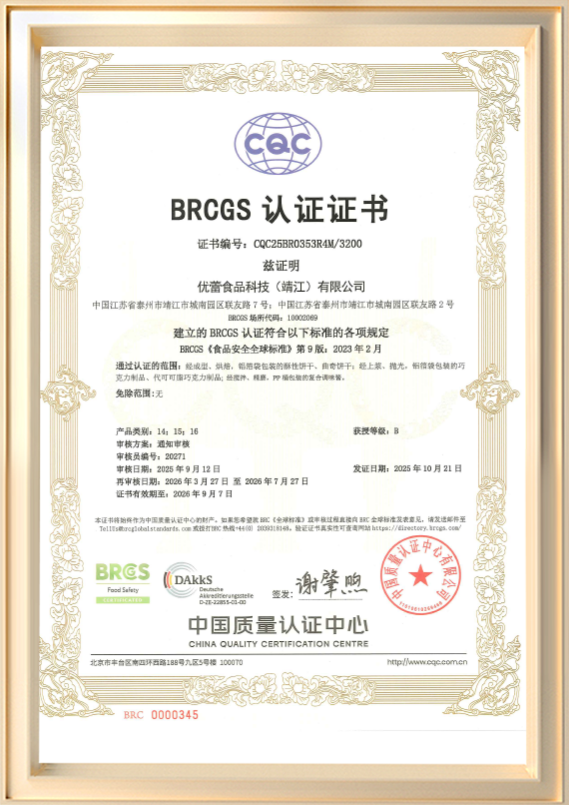
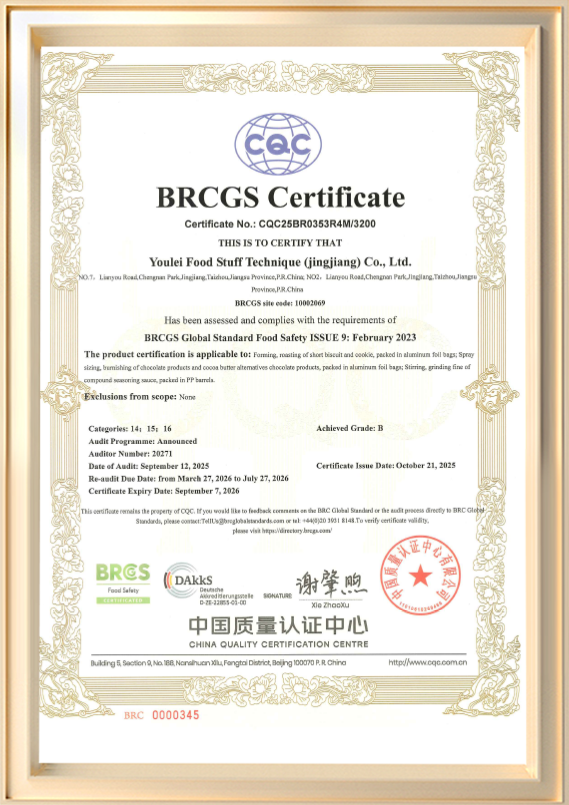
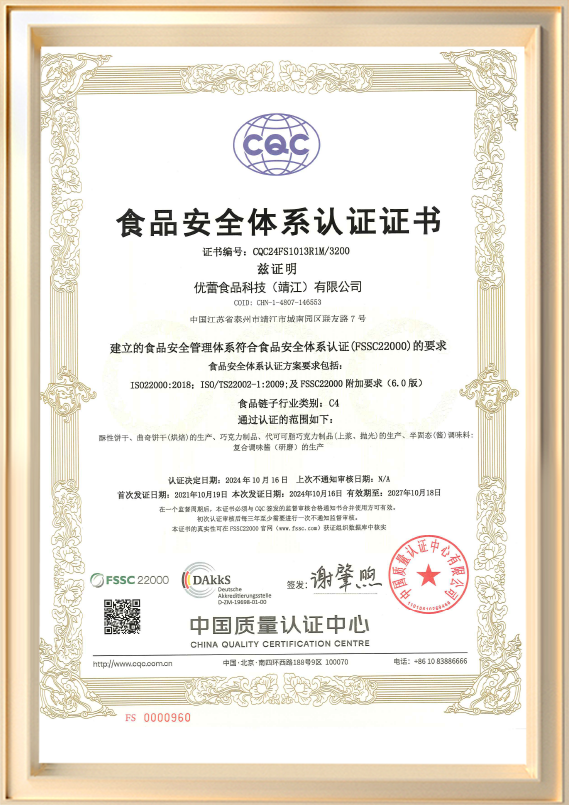
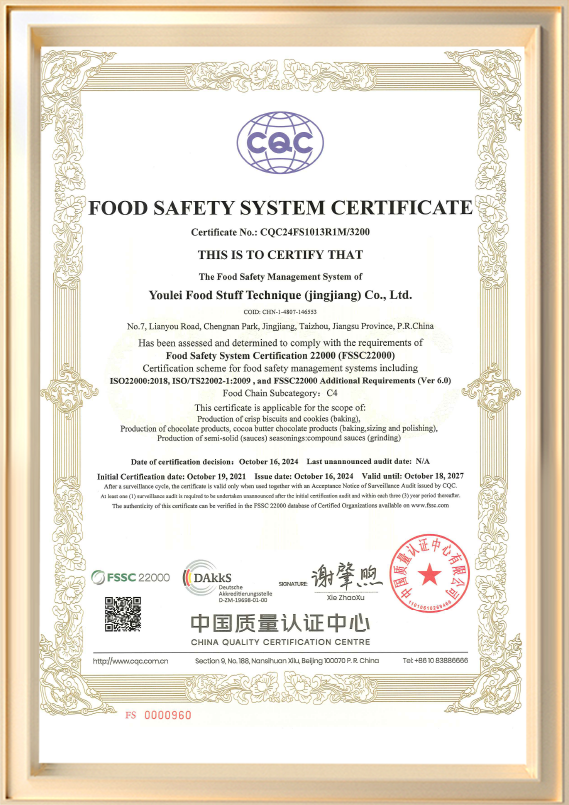
- Certifications: ISO 22000, FSSC 22000, Halal, and Kosher are standard requirements for global supply chains. BRCGS certification is increasingly demanded by European retail buyers.
- Custom granulometry: A capable factory should be able to supply crumbles in at least 3–4 sieve grades, and accommodate client-specific particle distribution profiles.
- R&D capability: Suppliers with in-house food technologists can co-develop formulations suited to a brand's specific application matrix — for instance, crumbles optimized for a particular fat system or pH environment.
- MOQ flexibility: For emerging brands or new product launches, minimum order quantities (MOQ) of 100–200 kg are more practical than factory-standard MOQs of 1 MT or above.
- Traceability: Full ingredient traceability to raw material origin is a baseline for FMCG clients with ESG commitments and regulatory reporting obligations.
Industry Trends Shaping the Caramel Biscuit Crumble Category
The biscuit inclusion market is not static. Several macro trends are reshaping what buyers demand and what factories must deliver.
Cleaner Label Formulations
Consumer scrutiny of ingredient lists is intensifying. Demand for caramel biscuit crumbles with no artificial colors, no HFCS, and reduced additive counts is growing, particularly among premium dairy and healthy-snacking brands. Suppliers are reformulating with natural caramelized sugars and clean-label emulsifiers to meet this requirement without compromising color or crunch.
Flavor Innovation Beyond Classic Caramel
While classic butter caramel remains the anchor flavor, the market is expanding toward salted caramel, caramel coffee, caramel coconut, and even caramel-miso profiles. Seasonal and limited edition crumble variants are becoming a product development tool for beverage and dessert brands to drive repeat visits and social media engagement.
Plant-Based and Allergen-Free Variants
The growth of vegan ice cream and dairy-free dessert lines is pushing demand for egg-free and milk-free caramel biscuit crumble formulations. This is technically challenging because dairy butter and egg yolk both contribute to biscuit texture and browning. Successful alternatives use oat-based fats and flaxseed binders, though achieving identical snap and mouthfeel requires significant R&D investment.
Supply Chain Regionalization
Post-pandemic disruption accelerated a shift toward regional sourcing. European food manufacturers increasingly seek EU-based biscuit crumble production, while Asia-Pacific brands prefer suppliers with regional warehousing to reduce lead time from the typical 45–60 days of cross-continental shipping to under 2 weeks.
Technical Comparison: Caramel Biscuit Crumbles vs. Alternative Biscuit Base Materials
When formulating products, development teams often evaluate caramel biscuit crumbles against other biscuit-derived inclusions. The following comparison highlights key differentiators.
| Material | Flavor Profile | Texture Stability | Best Application |
|---|---|---|---|
| Caramel Biscuit Crumbles | Sweet, buttery, toasted | High (low Aw) | Ice cream, tea toppings, cheesecake base |
| Graham Cracker Crumbs | Mild, honey, slightly nutty | Medium | Cheesecake crust, s'mores-style products |
| Chocolate Cookie Crumbs | Bitter-sweet, cocoa-forward | Medium-High | Chocolate desserts, dark cream tarts |
| Wafer Crumbles | Neutral, light | Low (moisture sensitive) | Dry confectionery, chocolate bars |
| Speculoos-style Crumbles | Spiced, cinnamon, warm | High | Seasonal desserts, coffee pairings |
Caramel biscuit crumbles stand out for their broad application versatility and high moisture resistance, making them the most flexible biscuit base material for multi-category product portfolios.
Quality Control Protocols in Industrial Caramel Biscuit Crumble Production
Consistent quality is non-negotiable in B2B ingredient supply. Reputable caramel biscuit crumble factories implement multi-stage quality checkpoints:
- Incoming raw material inspection: Flour protein content, sugar moisture, butter oxidation level (peroxide value ≤5 meq/kg).
- In-process baking monitoring: Color measurement via colorimeter (L* value 45–55 for standard caramel grade), moisture content after baking (target ≤3%).
- Post-crumbling sieve analysis: Particle size distribution confirmed against client specification, with tolerance typically ±10%.
- Finished product testing: Water activity measurement, microbiological testing (TPC, E. coli, Salmonella absence per 25g), foreign body detection via metal detector and X-ray.
- Retention samples: Maintained for a minimum of 12 months post-production for traceability and complaint investigation.
Factories with automated in-line color sorting and vision inspection systems can further reduce variation, achieving defect rates below 0.05% — a standard increasingly expected by large FMCG clients.
Frequently Asked Questions About Caramel Biscuit Crumbles
What are caramel biscuit crumbles made of?
Caramel biscuit crumbles are typically made from wheat flour, sugar, butter or vegetable fat, and caramel flavoring or caramelized sugar. Some formulations also include eggs, milk solids, and leavening agents. The ingredients are baked into a biscuit, then mechanically crushed and sieved to achieve a consistent particle size suitable for industrial use.
How should caramel biscuit crumbles be stored?
They should be stored in a cool, dry environment at temperatures no higher than 25°C and relative humidity no higher than 65%. Once opened, reseal the packaging tightly or transfer to an airtight container to prevent moisture absorption, which causes softening and loss of crunch.
What is the typical shelf life of caramel biscuit crumbles?
Under standard sealed packaging and proper storage conditions, shelf life ranges from 6 to 15 months, depending on the packaging format. Nitrogen-flushed pouches offer the longest shelf life, while bulk kraft paper packaging typically supports 9 to 12 months.
Can caramel biscuit crumbles be used in frozen desserts?
Yes. They are widely used in ice cream and frozen desserts as inclusions or toppings. For frozen applications, it is important to select crumbles with low water activity (Aw ≤ 0.4) and verified freeze-thaw stability to prevent sogginess after exposure to cold cream matrices.
Are allergen-free or vegan versions available?
Yes, though they require dedicated formulation work. Vegan and dairy-free variants replace butter with plant-based fats and eliminate egg, often using flaxseed or oat-based binders. These variants are in growing demand from plant-based dessert and beverage brands, though achieving the same texture as traditional formulations requires careful R&D.
What particle sizes are available for industrial supply?
Industrial suppliers typically offer crumbles in multiple sieve grades. Fine grades (2–4mm) are suited for beverages, yogurt, and blended applications; coarse grades (5–8mm) are preferred for ice cream toppings, pastry decoration, and cheesecake bases. Custom particle distribution profiles can usually be arranged with sufficient lead time.
What certifications should a reliable supplier have?
At a minimum, look for ISO 22000 or FSSC 22000 food safety certification. Halal and Kosher certification is important for global distribution. BRCGS certification is commonly required by European retail and FMCG buyers. Suppliers serving large-scale chains should also provide full ingredient traceability documentation.
Can caramel biscuit crumbles be used alongside chocolate without quality issues?
They can, but fat compatibility and moisture control are critical. Residual moisture in crumbles can cause sugar bloom in chocolate coatings within weeks of production. Suppliers serving confectionery clients typically apply a thin moisture barrier coating or use refined fat systems specifically designed to be compatible with chocolate applications.
Is it possible to customize the flavor of caramel biscuit crumbles?
Yes. Beyond classic butter caramel, suppliers with in-house R&D capability can develop variants such as salted caramel, caramel coffee, caramel coconut, and other flavor profiles. Custom flavor development is particularly common for beverage chains and premium dessert brands launching seasonal or limited edition products.
What is the standard minimum order quantity (MOQ) for caramel biscuit crumbles?
Factory-standard MOQs are typically 500 kg to 1 MT per SKU for regular orders. Some suppliers offer smaller trial quantities of 100–200 kg for new product development or market testing, though this varies by factory. It is advisable to confirm MOQ flexibility early in the sourcing process, especially for new product launches.