English
 中文简体
中文简体

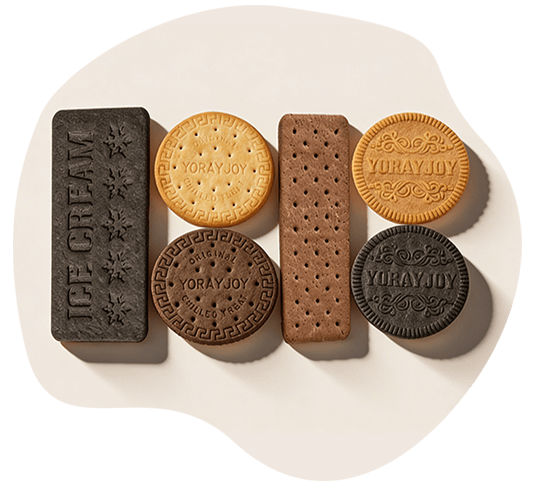
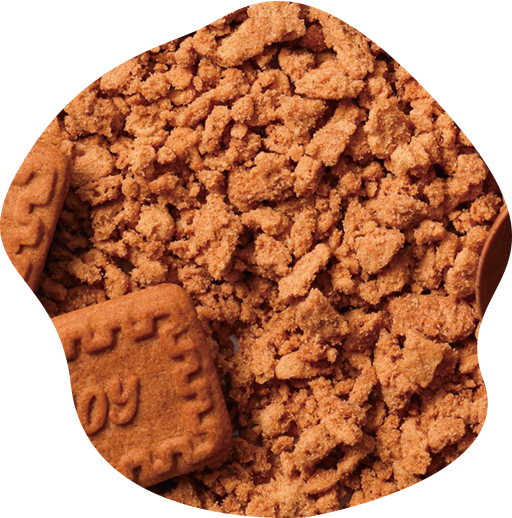
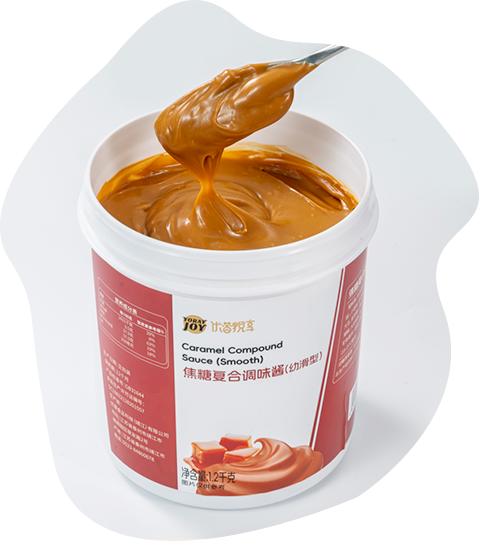
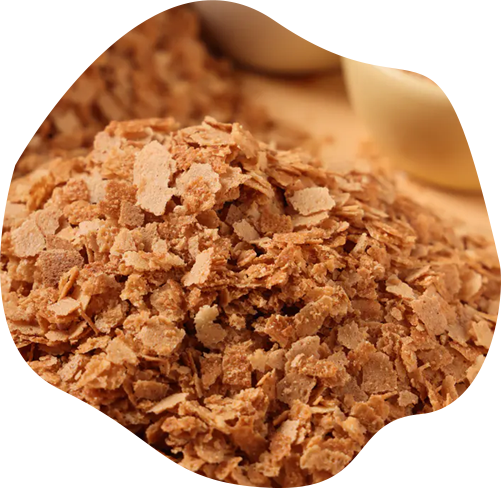
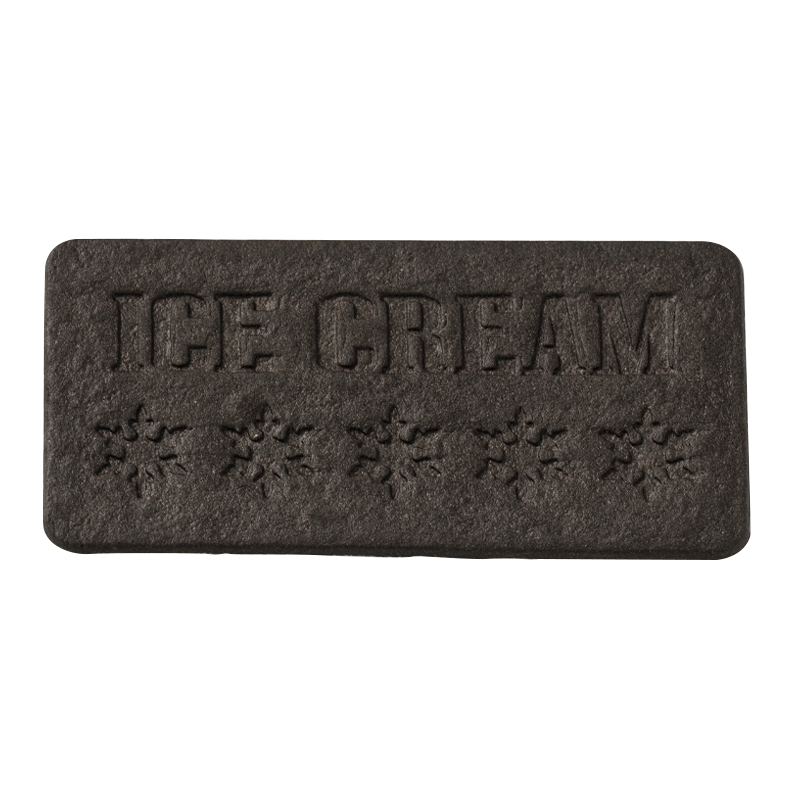




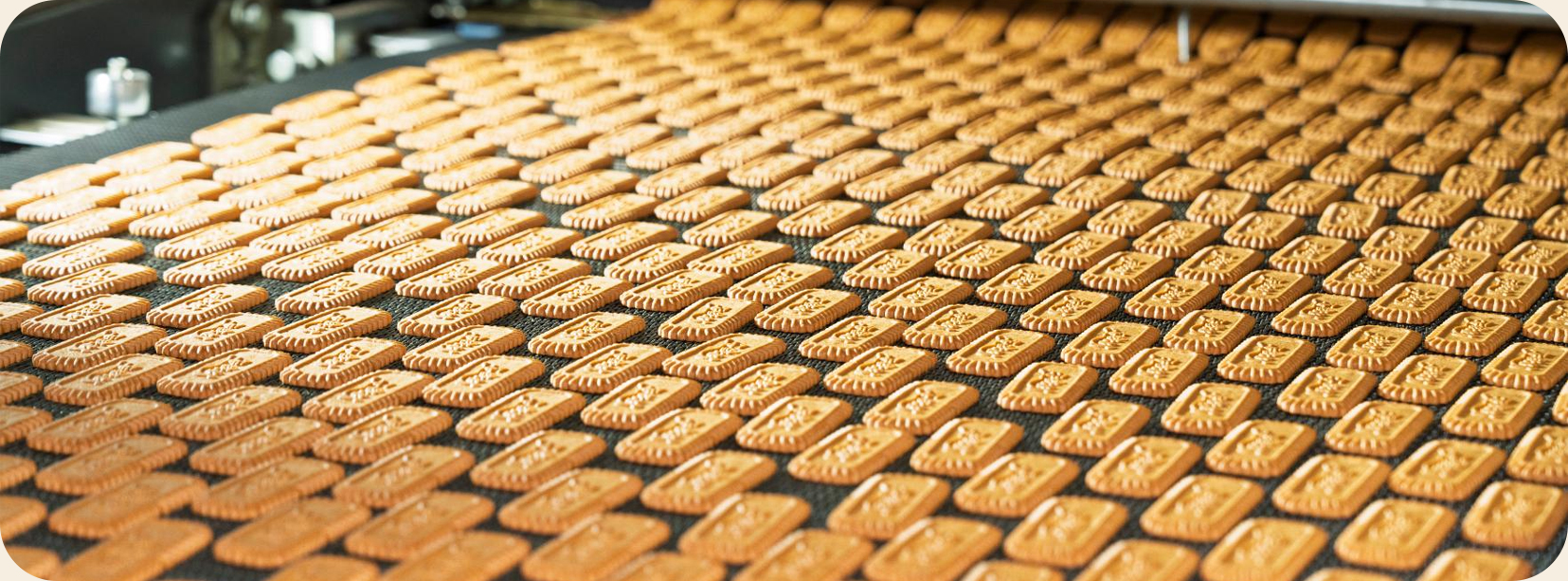

What Are Ice Cream Sandwich Crisp Biscuits?
Ice cream sandwich crisp biscuits are specially engineered wafer or cookie layers designed to sandwich ice cream fillings while maintaining structural integrity, texture contrast, and eating quality throughout freezing, storage, and consumption. Unlike standard biscuits, these products must perform under sub-zero conditions—typically between -18°C and -25°C—without losing crispness, crumbling, or transferring moisture to the ice cream core.
The core industry challenge is clear: moisture migration is the primary cause of sogginess, and preventing it requires precise control of ingredient formulation, water activity (Aw), fat barriers, and packaging systems.
How to Prevent Ice Cream Sandwich Crisp Biscuits from Becoming Soggy
Sogginess results when moisture moves from the ice cream filling into the biscuit layer. This is a thermodynamic process driven by differences in water activity between the two components. Effective prevention requires addressing this at multiple levels:
1. Control Water Activity (Aw) Differentials
The biscuit layer should have a water activity of ≤0.30 Aw, while a well-formulated ice cream filling sits around 0.80–0.90 Aw when melted. The goal is not to match these values but to use fat and barrier systems to slow migration. Formulations using low-moisture cocoa mass or compound chocolate coatings on the inner biscuit surface can reduce moisture transfer by up to 60% compared to uncoated surfaces.
2. Apply Fat-Based Moisture Barriers
A thin layer of anhydrous vegetable fat, palm oil, or cocoa butter applied to the inner face of the biscuit creates a hydrophobic seal. Industry practice shows that a fat coating of 3–6 grams per 100 cm² of biscuit surface provides effective protection for shelf life periods of 9–18 months under standard frozen storage.
3. Optimize Biscuit Formulation for Frozen Performance
Key formulation levers include:
- Higher fat content (18–24% total fat) to reduce hygroscopicity
- Reduced sugar content or substitution with trehalose or polyols that have lower hygroscopic tendencies
- Use of waxy starches or modified starches to tighten the biscuit matrix and reduce porosity
- Low final bake moisture: <3% moisture content is the industry benchmark for crisp frozen biscuit bases
4. Minimize Temperature Fluctuation During Distribution
Even a well-formulated biscuit will degrade if the cold chain is broken. Each freeze-thaw cycle accelerates moisture redistribution. Maintaining a stable temperature of -18°C or below throughout logistics is critical. Studies have shown that products subjected to just two freeze-thaw cycles (e.g., to -5°C and back) can lose up to 40% of their initial crispness score.
Key Industry Knowledge: Biscuit Base Material Requirements
The frozen dessert industry distinguishes between several functional biscuit base categories. Understanding these distinctions helps manufacturers and buyers select the right product for their application:
| Biscuit Type | Typical Thickness | Fat Content | Key Advantage | Common Application |
|---|---|---|---|---|
| Wafer Sheet | 2–4 mm | 8–12% | Lightweight, uniform texture | Classic rectangular sandwiches |
| Chocolate-Coated Wafer | 3–6 mm | 18–22% | Enhanced moisture barrier | Premium ice cream bars |
| Cookie/Cracker Base | 5–10 mm | 20–26% | Strong bite, artisan appeal | Craft and specialty formats |
| Compound-Coated Biscuit | 4–8 mm | 22–28% | Maximum crispness retention | Long shelf-life retail products |
Critical Production Parameters That Affect Final Quality
Manufacturing crisp biscuits for frozen dessert applications requires tighter tolerances than standard biscuit production. The following parameters are non-negotiable for consistent output:
Baking Temperature and Time
Tunnel oven temperatures of 160–210°C with bake times of 6–12 minutes are standard, depending on biscuit thickness and density. Over-baking increases brittleness and breakage during assembly; under-baking leaves residual moisture that accelerates sogginess. Final exit moisture must be consistently below 3%.
Cooling Before Assembly
Biscuits must be fully cooled to ambient temperature (20–25°C) before fat coating or assembly. Residual heat causes fat coatings to over-penetrate the biscuit matrix, reducing their effectiveness as a surface barrier. Cooling conveyors of 8–12 meters are typically required in high-speed lines running at 200+ units per minute.
Ice Cream Filling Temperature at Assembly
Ice cream should be extruded onto biscuit layers at -4°C to -6°C (draw temperature). Too warm and the ice cream softens the biscuit on contact; too cold and it becomes brittle and difficult to sandwich without cracking the biscuit. This narrow window demands precise refrigeration control in the assembly zone.
Frequently Asked Questions About Ice Cream Sandwich Crisp Biscuits
What is the typical shelf life of ice cream sandwich biscuits?
When properly formulated with fat barriers and stored continuously at -18°C or below, ice cream sandwich biscuit products typically achieve a shelf life of 9 to 18 months. Premium formulations using compound chocolate coatings and multilayer barrier packaging can extend this to 24 months. Shelf life is validated through accelerated stability testing (AST) protocols simulating real-world cold chain conditions.
Can the biscuit be customized for different flavor profiles?
Yes. Common customization options include:
- Cocoa/chocolate: The most widely used variant; natural cocoa addition at 3–8% provides color, flavor, and a slight moisture-binding benefit
- Matcha or tea-infused: Growing in popularity in Asian markets, particularly for milk tea and green tea ice cream formats
- Sesame or grain-based: Adds a nutty, artisanal character suited to premium and health-oriented positioning
- Salt and caramel: Enhances contrast with sweet ice cream fillings; currently trending in North American and European markets
What certifications should buyers look for from biscuit base suppliers?
Reputable suppliers should hold at a minimum:
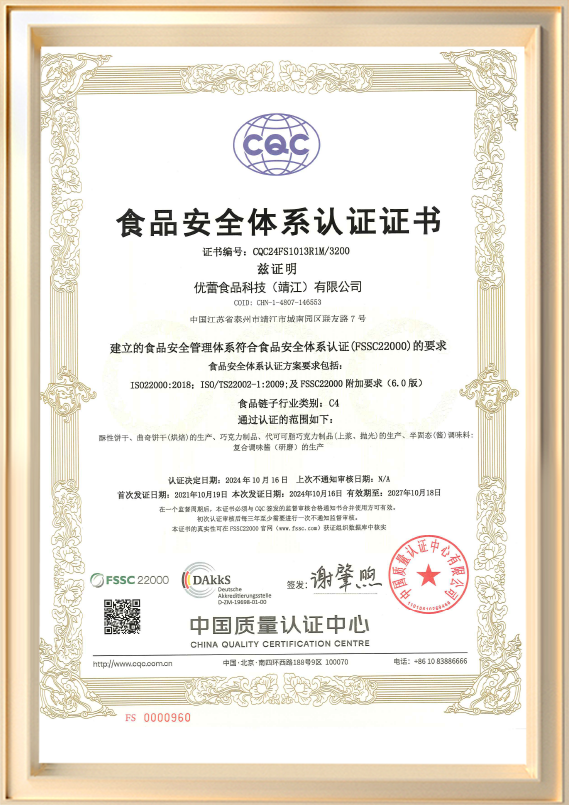
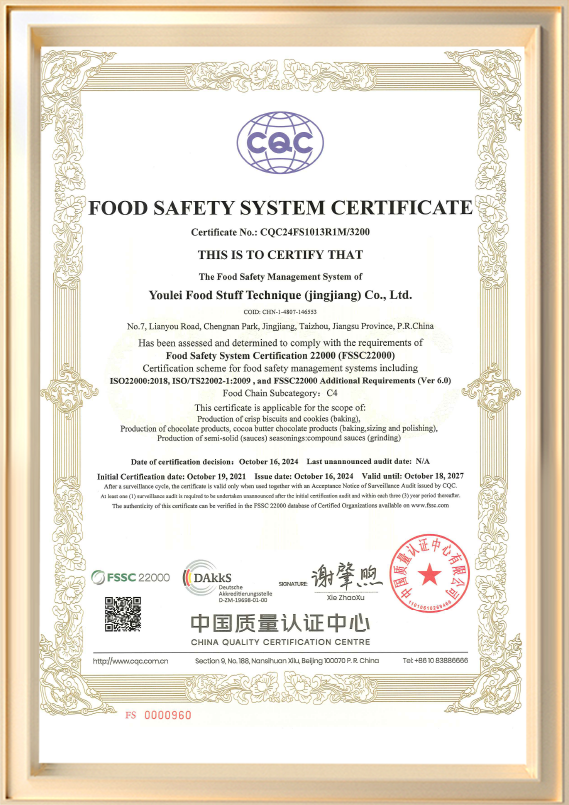
- ISO 22000 or FSSC 22000 – food safety management system certification
- HACCP certification – mandatory hazard analysis for frozen food production
- Halal and/or Kosher – depending on target market requirements
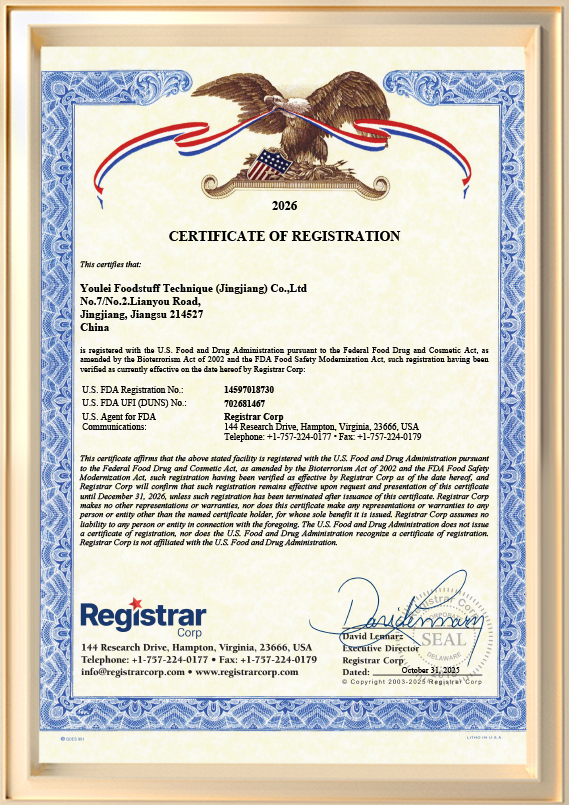
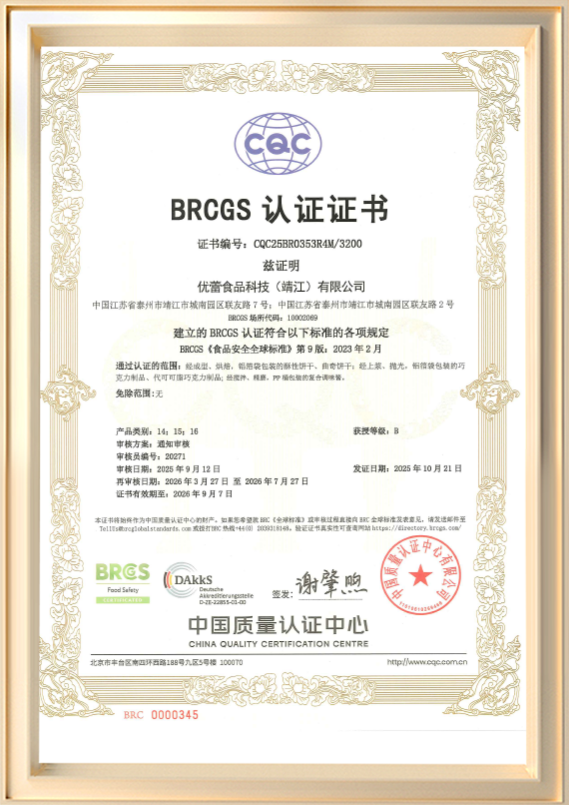
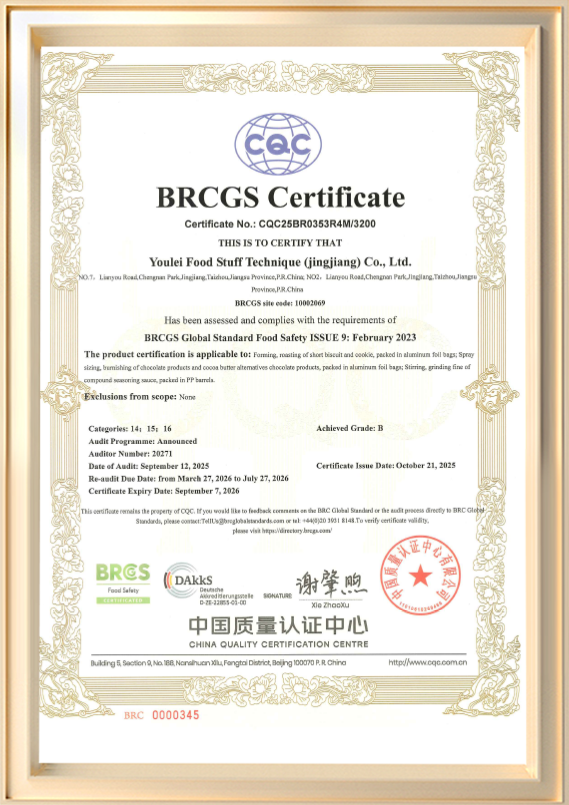
- BRC (BRCGS) – widely required by European and UK retail chains
For buyers sourcing from China-based manufacturers, the SC (Food Production License) certification issued by China's SAMR is a baseline legal requirement and should be verified before procurement.
How are biscuit bases typically supplied to ice cream manufacturers?
Biscuit bases for industrial ice cream assembly are supplied in one of three formats:
- Pre-cut sheets: Dimensional precision is critical here—±0.5 mm tolerance is standard for high-speed automated assembly lines
- Roll-to-cut (bulk rolls): Common for wafer-based products; allows in-line cutting at the manufacturing site
- Custom-shaped pieces: Die-cut into rounds, squares, or brand-specific shapes for consumer-facing branded products
Packaging is typically in moisture-barrier corrugated cartons with inner PE liner bags, and most suppliers offer MOQs starting from 500 kg to 1,000 kg per SKU for industrial buyers.
What trends are shaping the ice cream sandwich biscuit market?
The segment is evolving rapidly. Key trends include:
- Clean label formulation: Demand for shorter ingredient lists, non-GMO declarations, and reduced use of artificial emulsifiers is growing, particularly in Europe and North America
- Cross-category innovation: Ice cream brands from the tea beverage and dairy sectors are increasingly entering the frozen sandwich format, requiring biscuit bases that complement complex flavor profiles beyond vanilla and chocolate
- Structural performance over aesthetics: As premium SKUs command 2–4x the price premium of standard offerings, buyers are prioritizing biscuit crispness retention data over visual appearance alone
- Regional flavor localization: Suppliers with R&D capabilities to develop market-specific biscuit flavors—such as ube for Southeast Asia, black sesame for East Asia, or speculoos for Europe—are gaining a competitive advantage