 English
 中文简体
中文简体
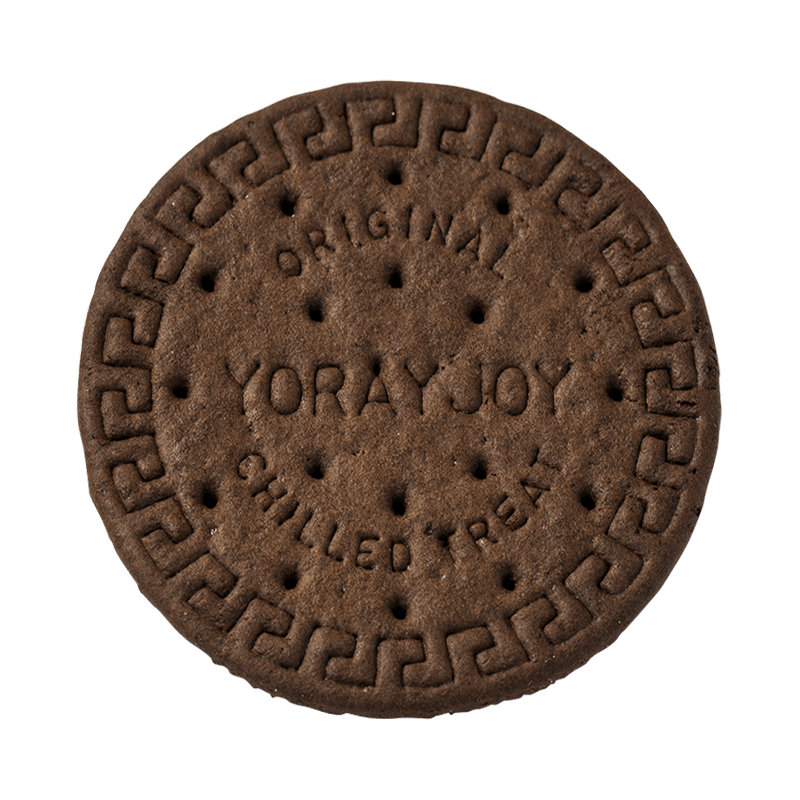
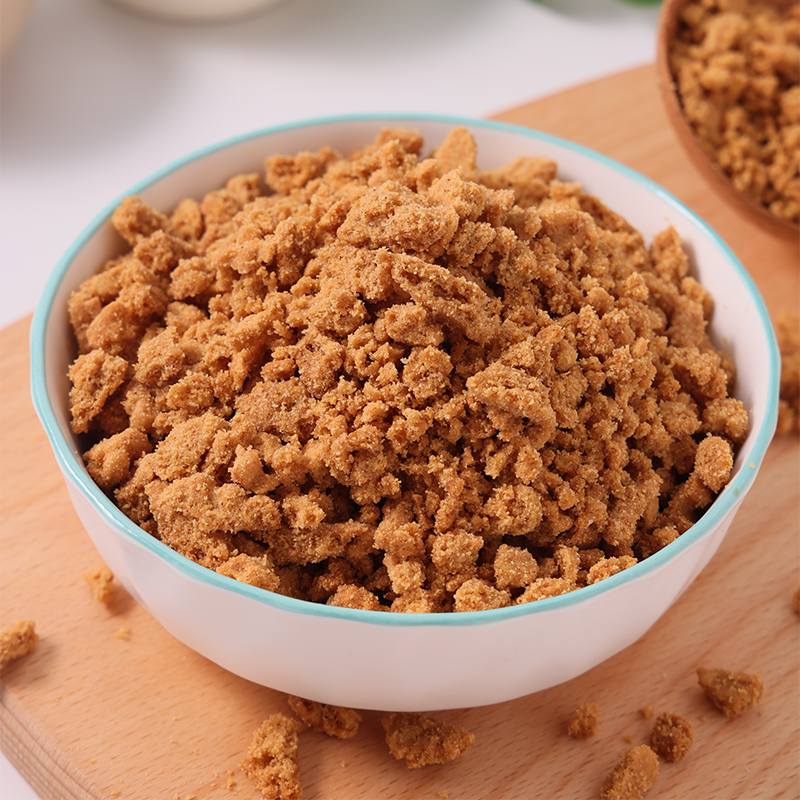
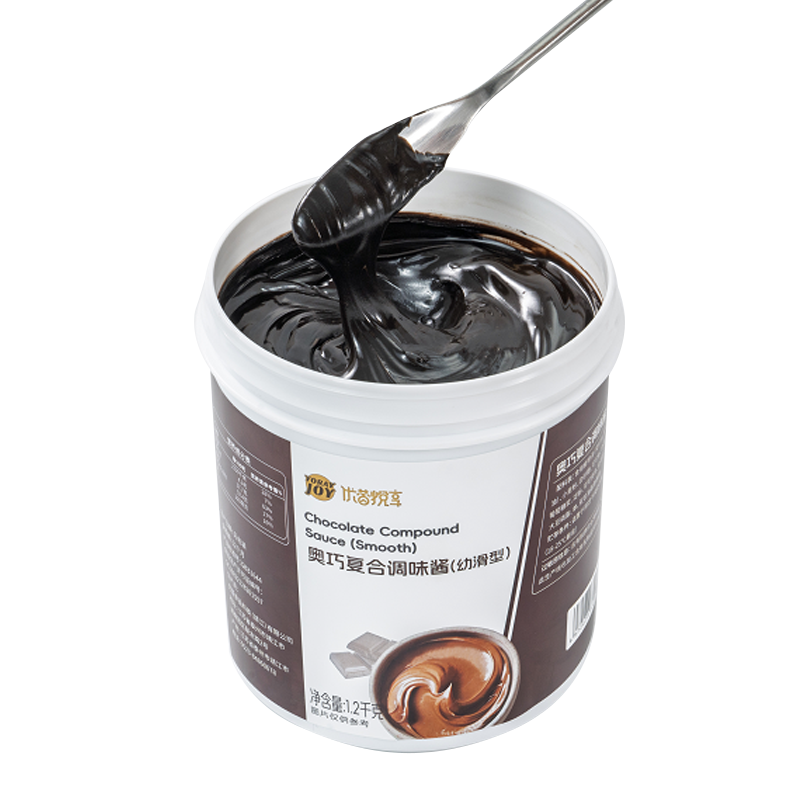
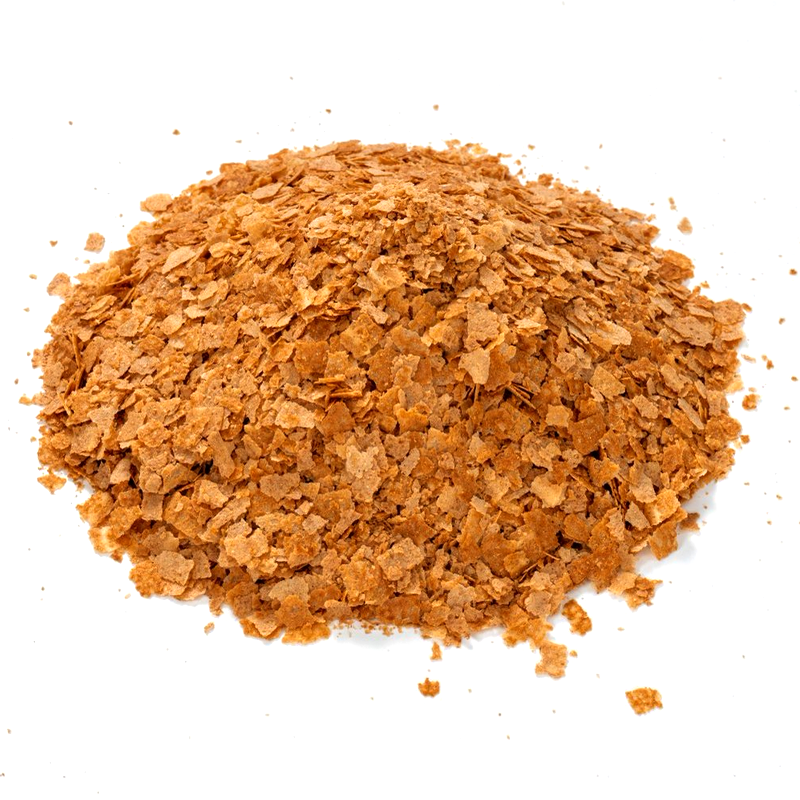
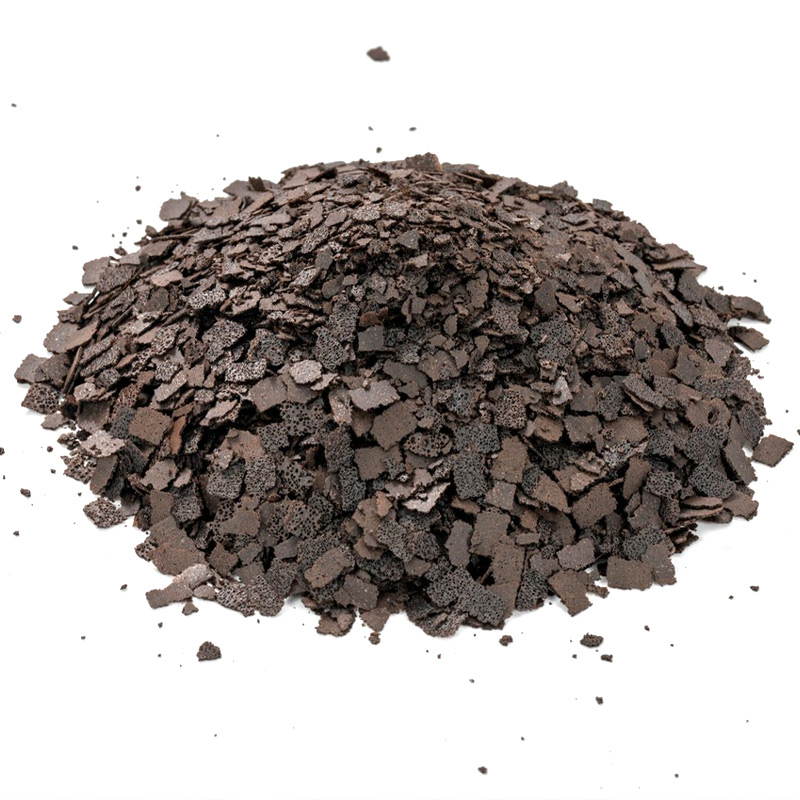
These Round Cocoa Hard Biscuits are specially designed for high-end frozen desserts and creative snacks, combining a crisp texture with excellent cold-chain transformation properties.
See Details

 2026.08.07
 Industry News
Content
There is no single "best" biscuit base — the right choice depends on where it sits in the finished product. For a cheesecake or cold-set dessert base, fine or medium cocoa cookie crumbs bound with butter remain the most reliable choice. For a crunch layer inside chocolate, praline or ganache, feuilletine flakes outperform crumbs because they resist moisture far longer. For a frozen sandwich format, only a purpose-built ice cream sandwich biscuit will stay pliable at −18°C. For a flowing filling or drizzle, biscuit spread (cocoa or speculoos-style caramel) is the only material engineered for pumpable viscosity. The sections below walk through each biscuit base material, how they compare, and how to brief a supplier correctly.
A biscuit base material is any biscuit-derived ingredient — crumb, wafer flake, or paste — used as a structural or textural component inside a larger food product, rather than eaten as a standalone biscuit. Once a brand moves from R&D to commercial production, the biscuit base stops being a garnish and becomes a functional ingredient with its own moisture spec, particle-size tolerance, and shelf-life requirement. Getting this wrong is one of the most common causes of returned batches in dairy, frozen dessert, and bakery manufacturing.
Buyers searching for a "biscuit crumb base" or "biscuit base material solutions" are usually comparing one of four distinct product families. They look similar in a spec sheet but behave very differently on a production line.
| Material | Form | Typical Moisture | Best Suited For | Example |
| Cookie Crumbs | Granular, sieved crumb | ≤ 5% | Cheesecake bases, yogurt toppings, ice cream mix-ins | Cocoa / Caramel Biscuit Crumbles |
| Feuilletine | Ultra-thin baked flake, 2–8 mm | 3–5% | Praline croustillant, chocolate bonbons, mousse inserts | Butter / Cocoa Feuilletine |
| Biscuit Spread | Pumpable paste | Water activity 0.3–0.5 | Sandwich fillings, drizzle, flowing centers | Cocoa Cookie Spread / Speculoos |
| Ice Cream Sandwich Biscuits | Whole formed biscuit | 3–5% (retained on purpose) | Frozen sandwich formats, cold-chain retail | Hard / Crisp Sandwich Biscuits |
For a biscuit cake base that has to hold its shape once sliced, particle size matters more than flavor. Fine crumbs (under 1 mm) compress into a dense, self-supporting base when bound with melted butter at roughly a 5:2 crumb-to-fat ratio — the standard starting point for a no-bake cheesecake base. Coarser crumbs (2–6 mm) are better reserved for visible inclusions, since they resist compacting into a smooth crust.
Cocoa cookie crumbs and caramel cookie crumbles are the two dominant options in commercial cheesecake production. Both are formulated without added colorants, so the finished crust color comes directly from the bake, not a dye — an increasingly common requirement from clean-label retail brands.
2–6mm
coarse-crumb range for visible mix-ins
<1mm
fine-crumb range for a compact cheesecake crust
Each biscuit base family below is produced across multiple particle sizes, flavors and formats so a single formulation can move from pilot batch to full-scale supply without re-qualifying a new supplier.
Once a biscuit base material is sealed inside chocolate, praline paste, or a mousse layer, moisture migration becomes the deciding factor — not flavor. Feuilletine flakes, being thinner and lower in surface area relative to their fat coating, hold a satisfying snap roughly twice as long as broken wafer pieces and far longer than cornflakes or puffed rice once embedded in a fat-continuous matrix.
Crunch Retention Once Coated in Fat (weeks)
Approximate crunch-retention windows once each inclusion is fat-coated and embedded in ganache or praline, based on typical performance patterns reported by pastry manufacturers.
An ice cream sandwich biscuit is not a repurposed cookie — it is engineered from the flour stage to stay pliable at freezer temperature instead of turning glass-hard. A dependable base bends slightly under the teeth at −18°C rather than shattering, and resists sogginess as moisture from the ice cream presses against it for months in cold storage.
| Parameter | Ice Cream Sandwich Hard Biscuits | Ice Cream Sandwich Crisp Biscuits |
| Bite character at −18°C | Firm, structured resistance | Lighter, more brittle snap |
| Typical thickness | 6–8 mm | 4–6 mm |
| Best paired format | Bar-style sandwiches, dipped novelties | Wafer-style, layered cups |
Buyers sourcing a sandwich biscuit factory for this category should ask specifically about breaking-force testing at freezer temperature and moisture-barrier coating options, since these two factors determine whether the finished sandwich survives a full retail shelf life without cracking or softening at the seam.
Before committing to a full production run, most R&D teams start with a simple bench framework and adjust from there:
This is a starting framework, not a fixed recipe — final ratios should always be validated against the specific fat content and moisture profile of the crumb batch in use.
Biscuit spread is frequently confused with dessert cream or jam, but it is formulated on entirely different principles. It is a fat-continuous, low-water-activity paste — not a water-based filling — which is why it can sit inside a sealed biscuit for a year or more without softening the shell.
Cocoa Cookie Spread
Built around cocoa powder and a refined fat system. Performs well at low temperature without crystallizing, which makes it suitable as a flowing center in frozen or chilled applications.
Caramel / Speculoos-Style Spread
A caramelized-biscuit paste in the same category consumers know as a speculoos or "biscoff-style" spread — used as a cookie butter filling, a drizzle, or a flavor base for cheesecake and ice cream swirls.
Illustrative Application Mix for Biscuit Base Materials
Food safety certification — ISO 22000, FSSC 22000, BRCGS, or HACCP as a baseline for export-ready supply.
Halal / Kosher status — required for Middle Eastern, Southeast Asian and Jewish-market distribution.
Particle-size and moisture documentation — a certificate of analysis per batch, not a one-time spec sheet.
Custom granulation or flavor capability — ability to run a pilot batch before committing to full-scale MOQ.
Allergen management — wheat, milk and soy lecithin are common across this category; ask about cross-contact controls.
What is the easiest biscuit base recipe for a first production trial?
Combine fine cookie crumbs with melted butter at roughly a 5:2 ratio by weight, press firmly into shape, and chill until set. This no-bake framework is the fastest way to validate flavor and structure before scaling to a production line.
Is feuilletine the same thing as crushed cookie crumbs?
No. Feuilletine is a purpose-baked, ultra-thin wafer crushed into flakes, while cookie crumbs come from a thicker, fully baked biscuit. Feuilletine holds crunch far longer once sealed in fat, which is why it is preferred inside chocolate and praline work rather than as a cake-base crumb.
Can biscuit spread replace jam or cream in a filled biscuit?
Not directly. Jam and cream carry far more water, which migrates into the biscuit shell and causes sogginess. Biscuit spread is formulated with a low water activity specifically to avoid that transfer, giving filled biscuits a much longer shelf life at ambient temperature.
Why do some ice cream biscuits stay soft in the freezer while others crack?
It comes down to the fat and sugar system, not the brand. Liquid oils and invert sugars keep the biscuit matrix pliable at freezer temperature, while standard room-temperature biscuit formulations turn hard and brittle once frozen.

These Round Cocoa Hard Biscuits are specially designed for high-end frozen desserts and creative snacks, combining a crisp texture with excellent cold-chain transformation properties.
See Details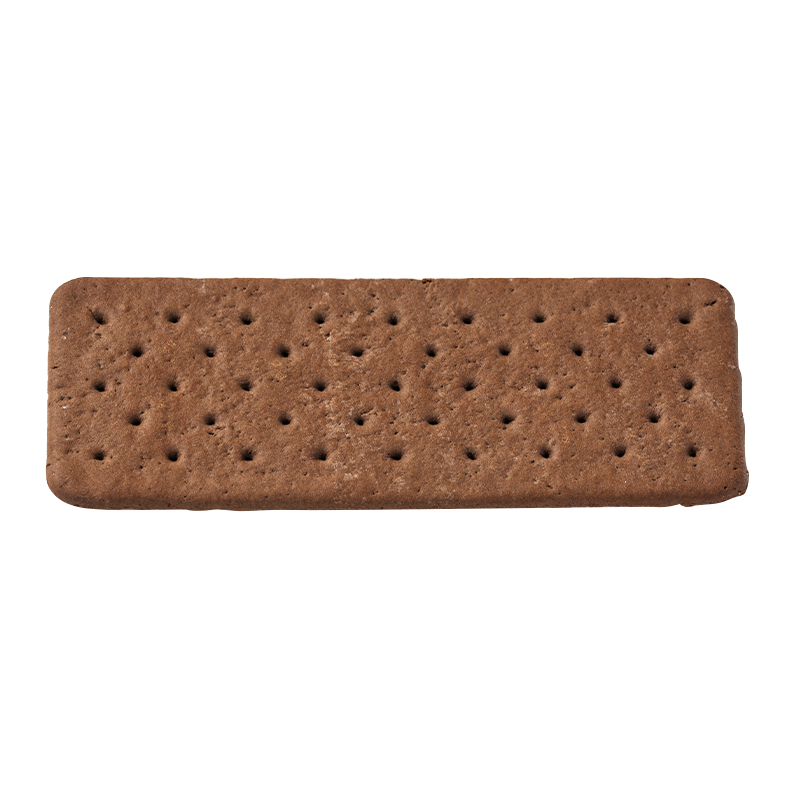
This rectangular cocoa hard biscuit is a classic baked semi-finished product, combining a crisp texture with excellent physical compatibility, making it an ideal base for frozen desserts and creative snacks.
See Details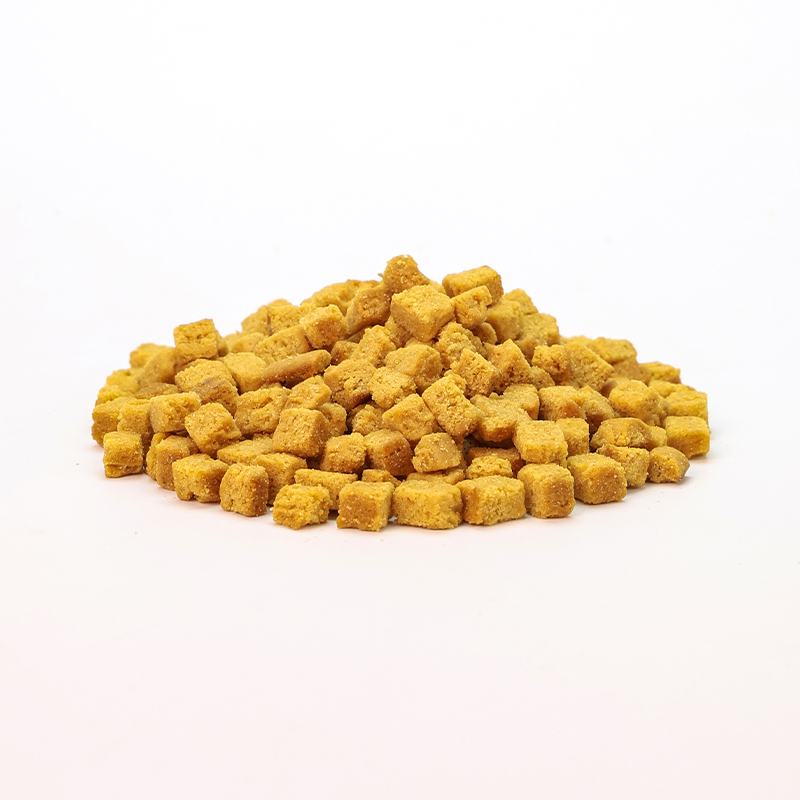
This soft butter cookie crumb has a springy, chewy texture and a rich natural butter aroma. It gives ice cream a cake-like richness and can also be used as a base layer for cheesecake.
See Details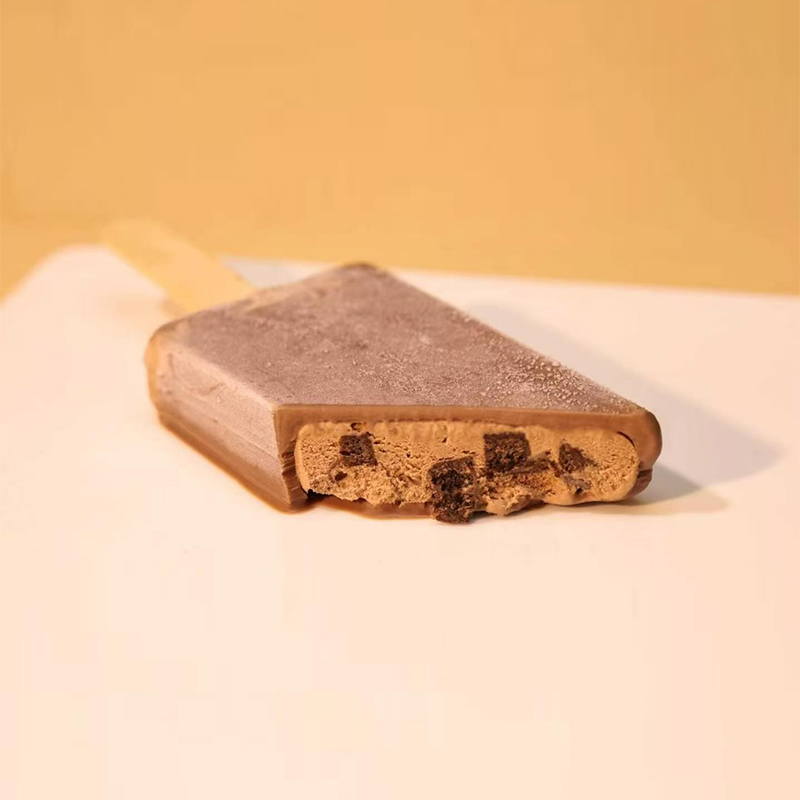
This soft cocoa cookie crumb has a rich, mellow, chewy texture and is an ideal partner for chocolate and vanilla ice cream. It keeps its soft bite even after being mixed into ice cream.
See Details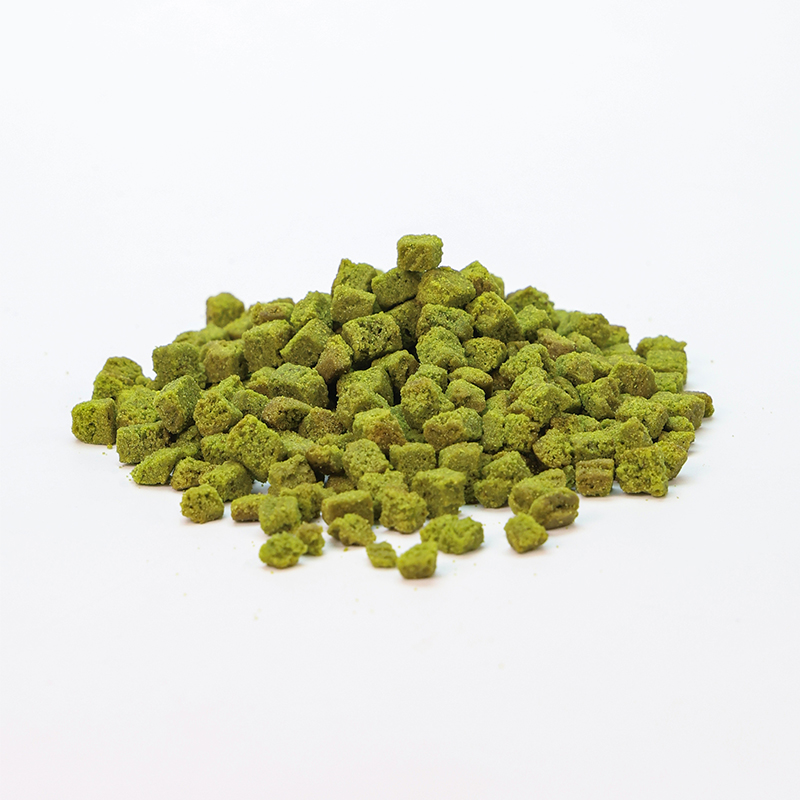
This soft matcha cookie crumb has a springy, chewy texture, and both its color and flavor come from real matcha. It adds a distinctive, recognizable touch to matcha desserts and ice cream.
See Details
Quick Links
Product Category
Code Preview

