English
 中文简体
中文简体

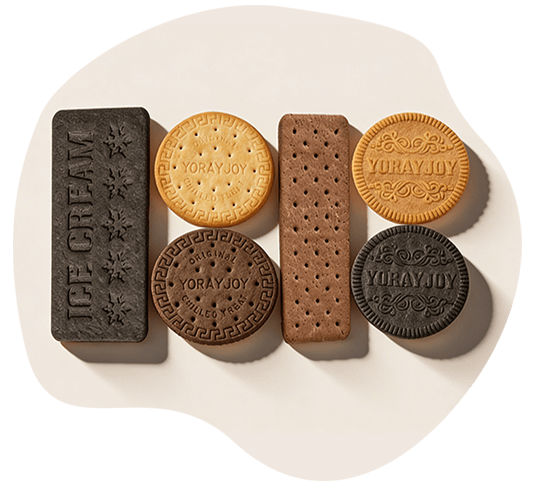
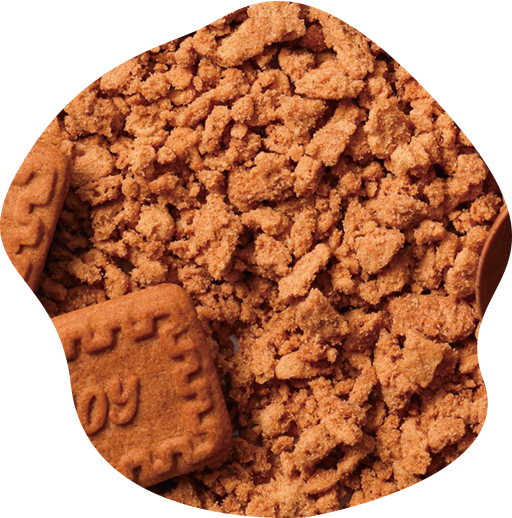
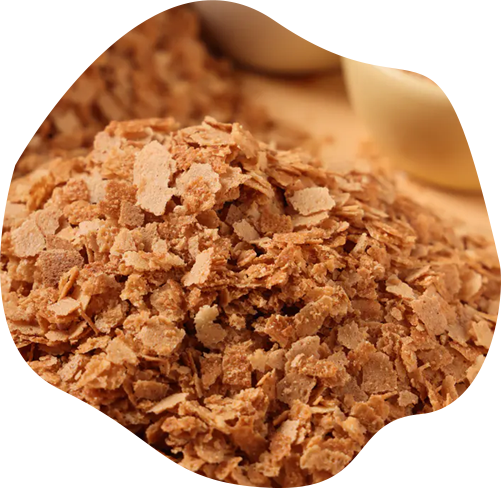



What Makes Cocoa Biscuit Crumbles Crispy?
Crispiness in cocoa biscuit crumbles is primarily determined by three factors: low moisture content (typically below 3%), precise fat-to-flour ratio, and controlled baking temperature (160–185°C). Manufacturers who consistently achieve a satisfying snap and crunch engineer these variables from the formula stage, not as an afterthought during baking. Understanding how each parameter interacts is the foundation of professional-grade cocoa biscuit crumble production.
The Role of Moisture Control in Achieving Crispiness
Moisture is the single greatest enemy of crispiness. During baking, water must be driven out of the dough matrix completely. Industry benchmarks target a final moisture content of 1.5%–3% for shelf-stable crispy crumbles. Exceeding this range—even at 4%—results in a soft, stale-tasting texture within days of production.
Key moisture-management practices used in professional production include:
- Using low-moisture fat sources (shortening or butter with <16% water)
- Applying a two-stage bake: high initial heat (180°C) to set structure, followed by a lower temperature (155°C) drying phase
- Post-bake cooling in a humidity-controlled environment (<50% RH) to prevent moisture reabsorption
- Packaging with food-grade desiccants for extended shelf-life applications
Even a well-baked crumble will lose its crispiness rapidly if cooled on open racks in a humid facility. Production environment humidity above 60% is a common, overlooked source of quality failure.
Formulation Principles: Fat, Sugar, and Cocoa Ratios
The formula directly dictates texture. Cocoa biscuit crumbles differ from standard crumbles because cocoa powder is hygroscopic—it absorbs ambient moisture, which requires compensating adjustments in the fat and sugar balance.
Fat Content and Type
Fat content typically ranges from 20% to 30% of total formula weight for crispy crumbles. Higher fat levels create a shorter, more crumbly texture but can impair structural integrity at >30%. Palm-based shortenings with a high solid fat index (SFI of 25–35 at 20°C) are preferred in commercial production for their ability to coat flour particles uniformly, inhibiting gluten development and thus promoting a tender, breakable crumb.
Sugar Selection
Granulated sucrose contributes to a crispy texture by creating a glassy amorphous matrix when cooled rapidly after baking. Replacing more than 30% of sucrose with high-fructose syrup or honey significantly increases hygroscopicity and reduces crunch, a common formulation error when producers attempt to reduce costs. Powdered sugar, by contrast, produces a finer, more uniform crumble particle size—useful for topping applications in desserts or yogurt.
Cocoa Powder Specification
Dutch-processed (alkalized) cocoa powder, with a pH of 7.5–8.5, is standard in crispy biscuit crumble production. It offers a deeper color, milder bitterness, and—critically—lower water activity compared to natural cocoa, making it preferable for moisture-sensitive applications. Typical inclusion rates are 6%–12% of flour weight.
Baking Process Parameters and Equipment Standards
Consistent crispiness at scale requires tight process control. The following table summarizes critical baking parameters used across industrial cocoa biscuit crumble production:
| Parameter | Recommended Range | Impact on Crispiness |
|---|---|---|
| Oven Temperature (Initial) | 175–185°C | Sets surface structure; drives off bulk moisture |
| Oven Temperature (Drying Phase) | 150–160°C | Removes residual moisture without over-browning |
| Total Bake Time | 12–18 minutes | Ensures full dehydration to target moisture level |
| Dough Piece Thickness | 3–6 mm | Thinner pieces bake faster and achieve lower aw |
| Post-Bake Cooling Time | 8–12 minutes at <50% RH | Prevents moisture uptake before packaging |
| Final Water Activity (aw) | ≤ 0.40 | Key shelf-life and texture stability indicator |
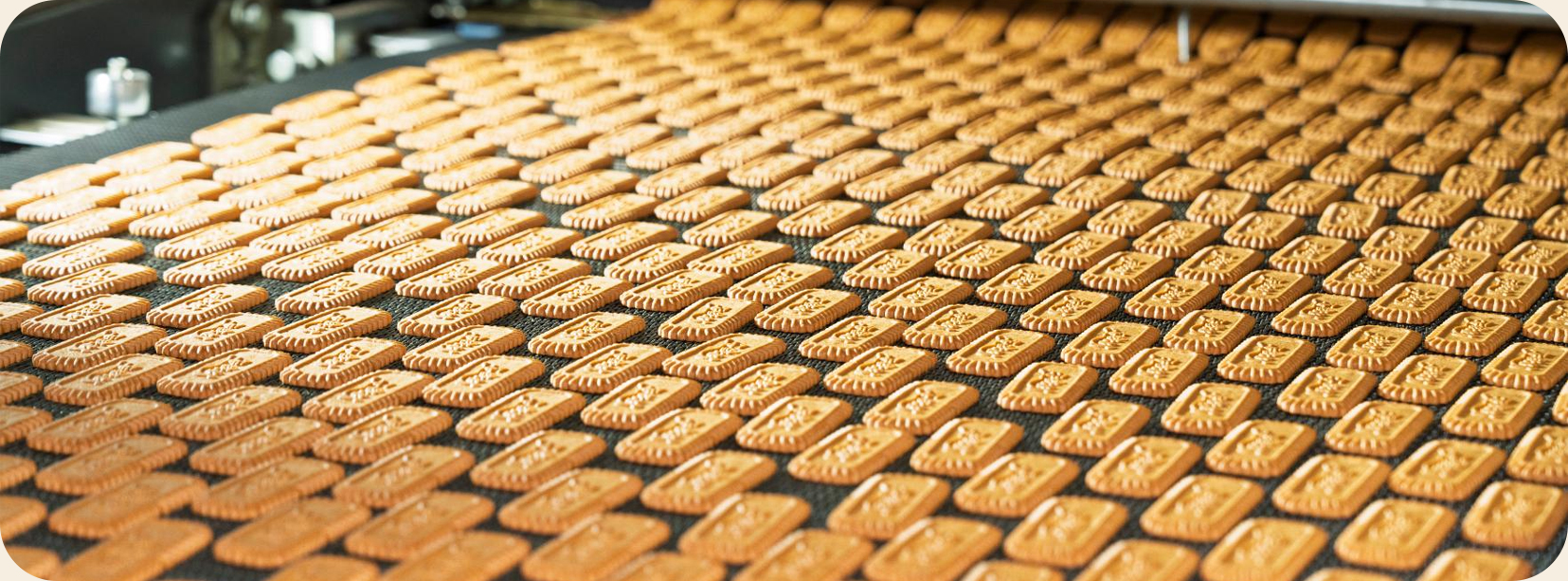
Tunnel ovens with independently zoned temperature controls are standard in high-volume production. They allow separate management of the initial baking phase (steam-off, structure setting) and the finishing/drying phase, which is critical for crumble products specifically because their irregular particle sizes bake unevenly in single-zone ovens.
Particle Size and Crushing Process for Crumble Applications
Cocoa biscuit crumbles are used across diverse food applications—cheesecake bases, ice cream inclusions, yogurt toppings, mousse layer textures—each demanding a different particle size profile. Getting the crushing process wrong is one of the most common causes of texture failure, even when the biscuit formula is correct.
Common particle size grades and their applications:
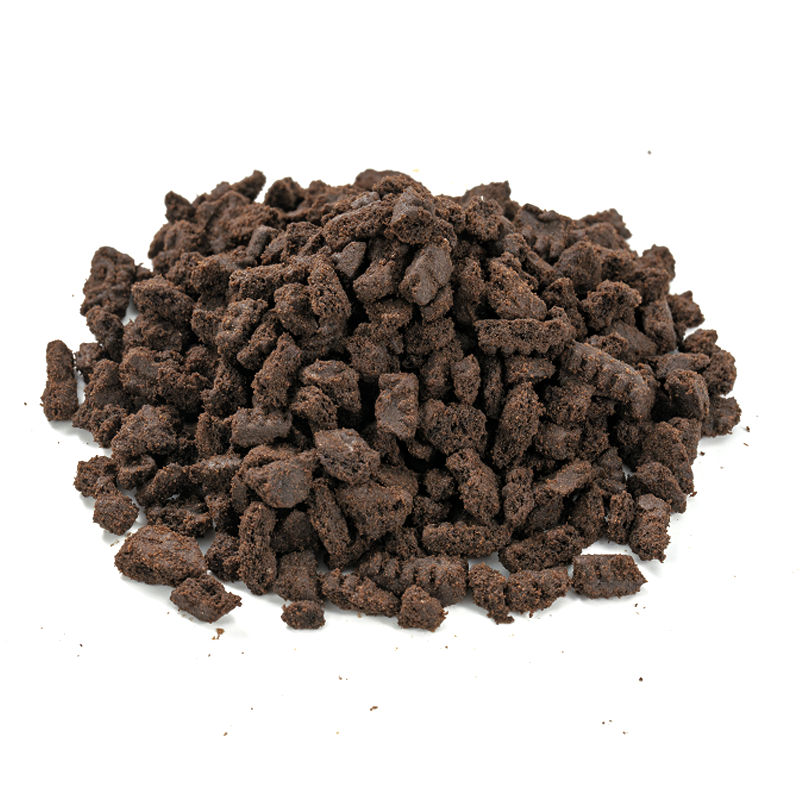
- Coarse (4–8 mm): Visible texture inclusions in ice cream, layered desserts, premium cheesecake toppings
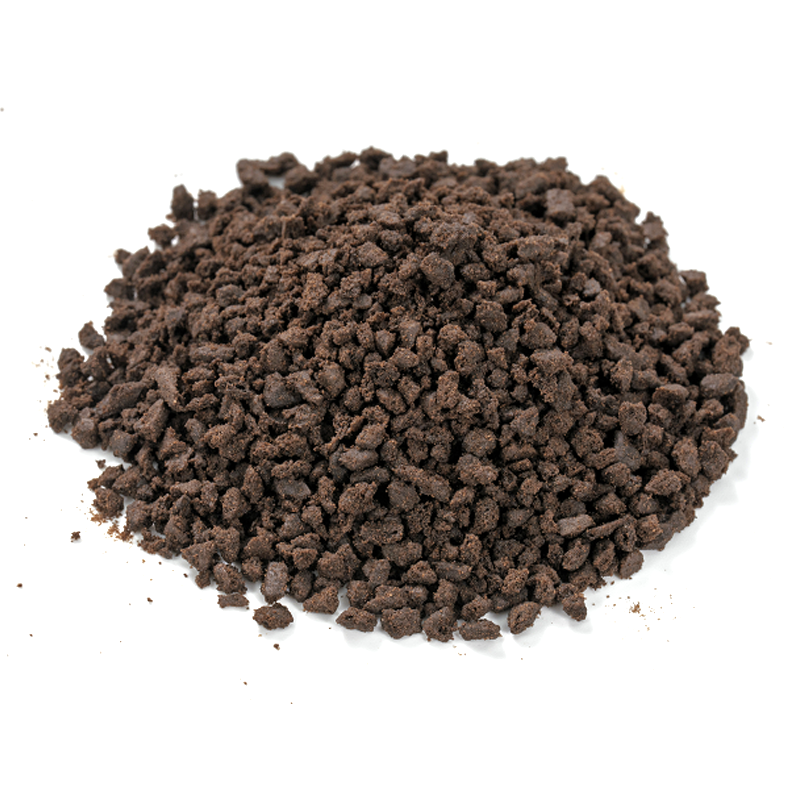
- Medium (2–4 mm): Cheesecake base layers, parfait textures, mousse garnishes
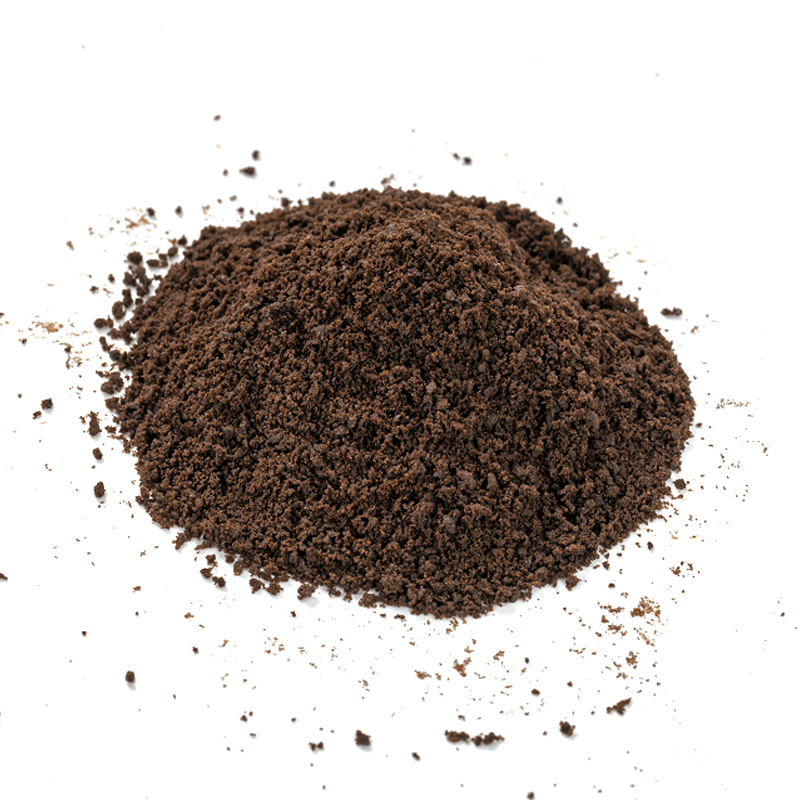
- Fine (0.5–2 mm): Yogurt toppings, beverage powders, blended dessert bases, coating applications
- Powder (<0.5 mm): Flavoring components, uniform color coatings, emulsified dessert mixes
Roller crushers are preferred over hammer mills for coarse and medium grades because they produce more uniform particle distributions with less fine dust generation. Excessive fines (>15% undersize particles) in a coarse crumble product are a quality defect that degrades visual and textural appeal in the end application.
Frequently Asked Questions About Cocoa Biscuit Crumbles
Why do cocoa biscuit crumbles lose crispiness after mixing into a product?
Moisture migration from the surrounding food matrix (e.g., cream, yogurt, mousse) is the primary cause. Water activity equalization between the crumble (aw ≤0.40) and a wet component (aw ≥0.90) begins within minutes. Solutions include fat-coating the crumble particles before inclusion to create a moisture barrier or increasing the crumble's fat content to slow migration. Some producers use compound chocolate enrobing for premium applications where extended crunch is required.
What is the difference between cocoa biscuit crumbles and cocoa cookie crumbs?
The terms are often used interchangeably in commercial contexts, but there is a meaningful technical distinction. Biscuit crumbles typically derive from low-fat, lower-sugar dough baked to a firm, snappy texture (fat content 15–25%). Cookie crumbs generally come from higher-fat, higher-sugar formulas (fat content 25–35%), producing a softer, more buttery crumble. For base layer applications requiring structural firmness (e.g., cheesecake bases that must hold when sliced), biscuit crumbles are preferred. Cookie crumbs are preferred where a richer flavor profile outweighs structural needs.
What shelf life can cocoa biscuit crumbles achieve?
Standard commercial cocoa biscuit crumbles achieve a shelf life of 9–12 months when packed in nitrogen-flushed, moisture-barrier laminate packaging and stored below 25°C at <60% RH. Products with added dairy or egg ingredients may have shorter shelf lives due to lipid oxidation risk. Water activity testing at 0-, 3-, 6-, and 12-month checkpoints is standard practice for quality-assured production.
Can cocoa biscuit crumbles be used in frozen food applications?
Yes, and frozen applications are among the most demanding. Freeze-thaw cycling accelerates moisture migration and can cause crumble softening within 2–3 cycles if the product is not formulated specifically for low-temperature use. Key adaptations include using high-melting-point fats (to prevent greasiness post-thaw), reducing hygroscopic sugar types, and applying fat or compound chocolate coatings. Leading frozen dessert producers—including major brands in the Chinese market—source crumbles specifically certified for frozen stability as a distinct product category from ambient-use crumbles.
How are cocoa biscuit crumbles tested for quality before shipment?
Standard quality control checkpoints include:
- Water activity (aw): Target ≤0.40, tested per batch using a calibrated aw meter
- Moisture content: Verified by loss-on-drying (LOD) or Karl Fischer titration for high-accuracy requirements
- Particle size distribution: Sieve analysis confirming >90% of particles within the specified grade range
- Sensory evaluation: Snap/crunch test, color consistency (L*, a*, b* colorimetry), flavor assessment
- Microbial testing: Total plate count, yeast and mold, tested per food safety standards (e.g., GB 7100 for baked goods in China)
- Fat oxidation (Peroxide Value): Critical for products with high fat content or extended shelf life targets
Industry Trends Shaping Cocoa Biscuit Crumble Development
The cocoa biscuit crumble segment is being reshaped by several converging trends in the broader food manufacturing industry:
- New tea beverage integration: The rapid growth of specialty milk tea and layered drink formats in Asia has created strong demand for crumble toppings that maintain crispiness for 15–30 minutes after contact with cold beverages—a highly specialized performance requirement.
- Clean label formulation: Buyers increasingly request crumbles without artificial emulsifiers (e.g., replacing DATEM or SSL with sunflower lecithin) and without partially hydrogenated oils, while maintaining equivalent crunch performance.
- Reduced-sugar variants: Driven by regulatory pressure and consumer preference, manufacturers are developing crumble formulas with 20–30% sugar reduction using erythritol or inulin blends without sacrificing the Maillard browning that contributes to cocoa crumble color and flavor.
- Dark cocoa flavor positioning: Higher cocoa content crumbles (10–15% cocoa inclusion) with low sweetness are gaining traction in premium dessert and bakery contexts, aligning with consumer preference for intense, less sweet chocolate flavors.
Manufacturers who invest in application-specific formulation—rather than offering a single general-purpose crumble—are capturing the highest-value customer relationships in both domestic and export markets. The most sophisticated buyers, including leading frozen food brands and global dairy companies, now specify crumble performance requirements (crunch retention time, water activity stability, flavor profile) as precisely as they would specify any functional ingredient.