English
 中文简体
中文简体

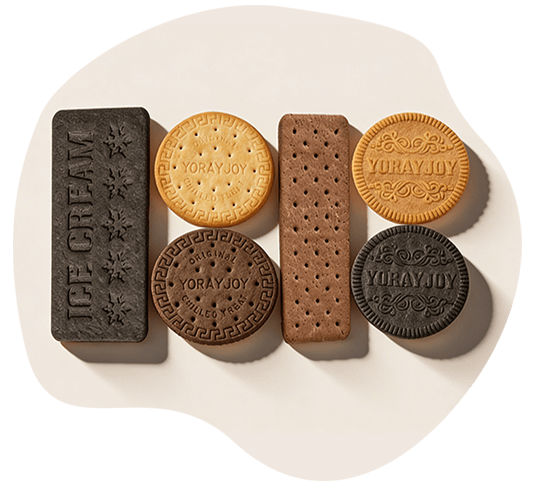
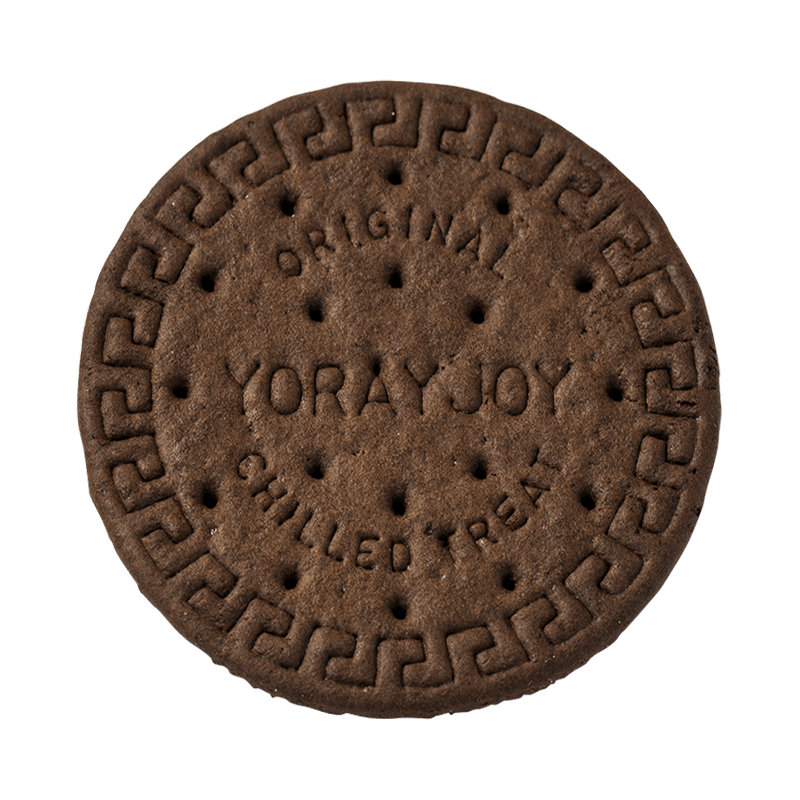
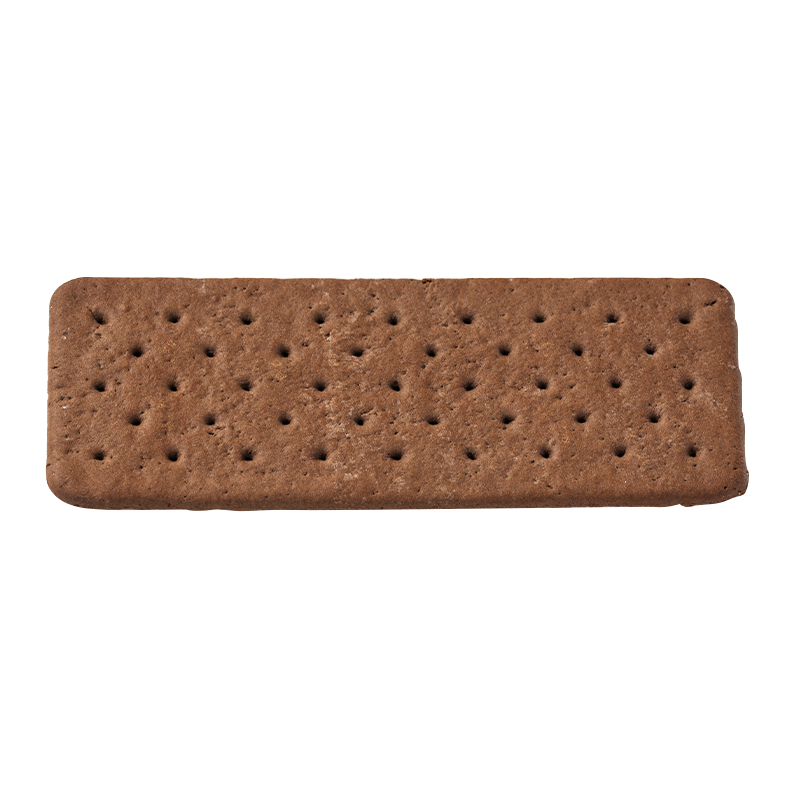
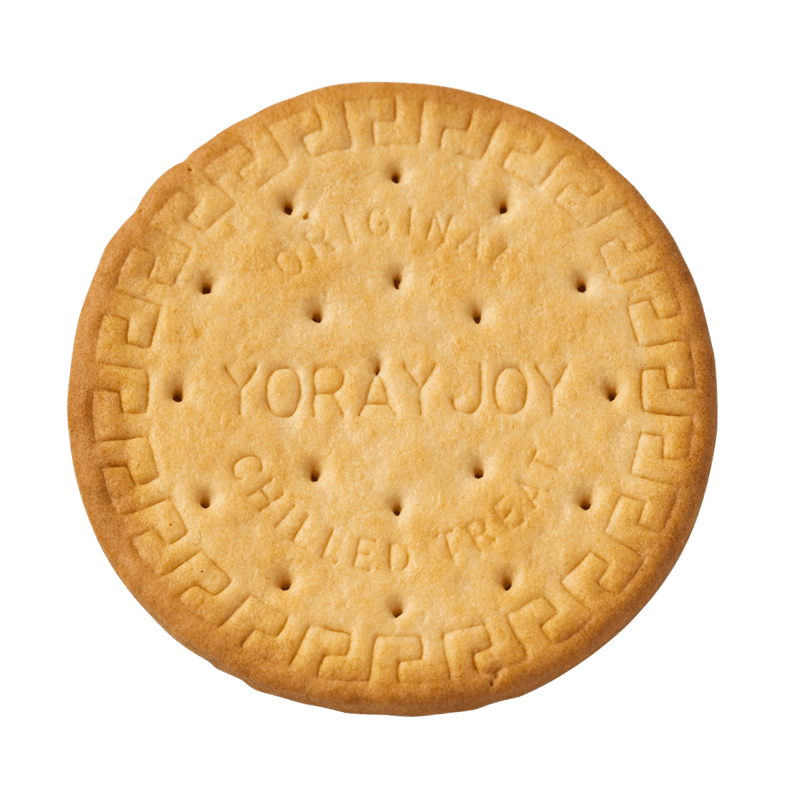



What Are Ice Cream Sandwich Hard Biscuits?
Ice cream sandwich hard biscuits are specially engineered wafer or cookie layers designed to encapsulate ice cream fillings without softening, crumbling, or losing structural integrity during freezing, thawing, or handling. Unlike standard baked goods, these biscuits must withstand temperatures as low as -18°C to -25°C during storage and still deliver a satisfying bite texture when consumed directly from frozen.
The core technical challenge: standard biscuits absorb moisture from ice cream, turning soggy within hours. Hard biscuit formulations solve this through precise control of water activity (aw), fat content, and starch structure — making them a highly specialized segment within the broader biscuit manufacturing industry.
Formulation Principles
Understanding the science behind hard biscuit formulation is essential for manufacturers, buyers, and product developers working in the frozen dessert supply chain.
Water Activity Control
The water activity (aw) of a quality ice cream sandwich hard biscuit is typically maintained between 0.3 and 0.5. This range is low enough to prevent microbial growth and moisture migration from the ice cream layer, yet high enough to avoid excessive brittleness that would cause cracking under compression during assembly.
Fat System Selection
Fat acts as a moisture barrier within the biscuit matrix. Hard biscuits for ice cream sandwiches commonly use shortening or palm-based fats with a Solid Fat Index (SFI) optimized for low temperatures. Fat content typically ranges from 18% to 28% of the total dry ingredient weight. Higher fat levels improve freeze-tolerance and reduce moisture permeability but require careful selection to prevent fat bloom or rancidity over shelf life periods of 12–24 months.
Starch and Flour Selection
Low-protein wheat flour (protein content 7%–9%) is preferred to minimize gluten network development. Strong gluten creates a chewy texture incompatible with the snap expected from a frozen biscuit. Some formulations incorporate modified starches or rice flour to further control texture and water-binding behavior during freeze-thaw cycles.
Sugar and Humectants
Sucrose, glucose syrup, and invert sugars each affect the aw and Maillard browning differently. Humectants such as glycerol or sorbitol are sometimes added at levels of 2%–5% to soften the bite at frozen temperatures, particularly in premium or children's product lines where a completely rigid biscuit may be undesirable.
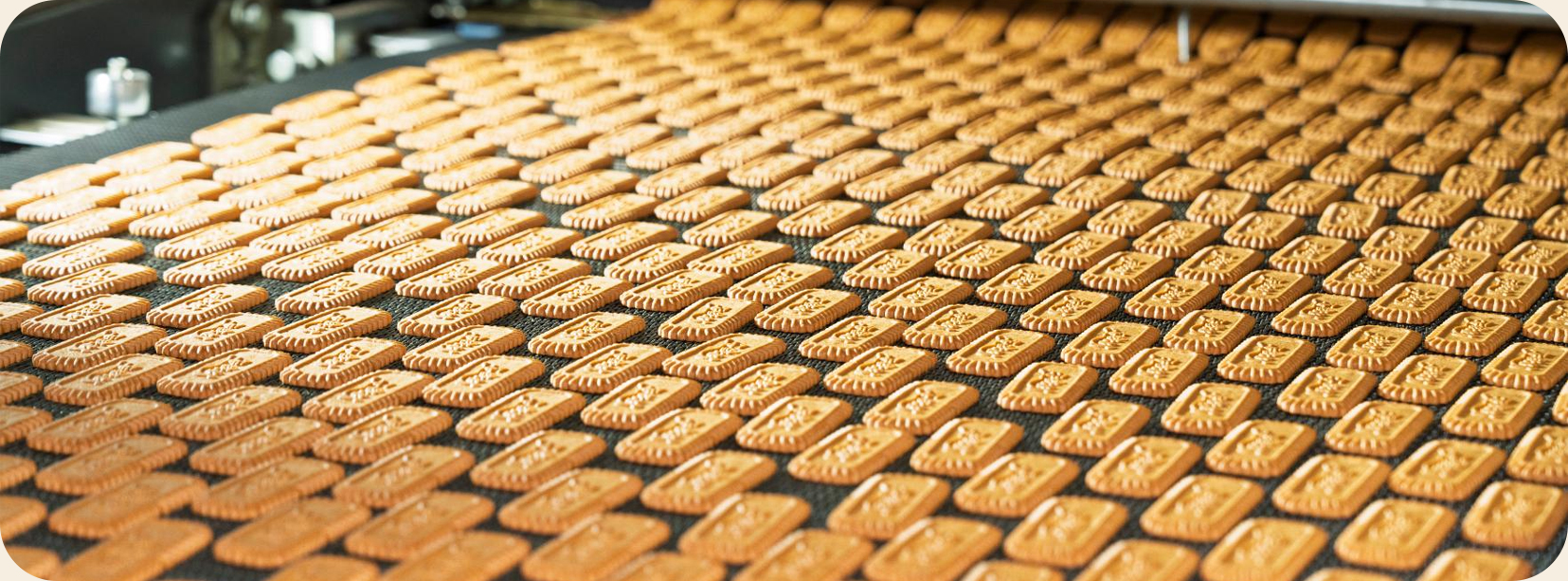
Production Process: Critical Control Points
The manufacturing process for ice cream sandwich hard biscuits involves several stages where deviations can compromise final product performance.
| Production Stage | Critical Parameter | Target Range / Note |
|---|---|---|
| Dough Mixing | Mixing time & temperature | Dough temp ≤ 24°C; avoid gluten overdevelopment |
| Sheeting / Forming | Thickness uniformity | Tolerance ±0.3 mm for consistent sandwich height |
| Baking | Moisture content post-bake | Final moisture: 2%–4%; overbaking risks excessive brittleness |
| Cooling | Cooling rate and RH control | Rapid cooling in controlled RH (40%–55%) prevents case-hardening |
| Packaging | Barrier film specification | WVTR ≤ 2 g/m²/day to prevent moisture ingress during the cold chain |
Points Requiring Attention in Quality and Compliance
Texture Consistency Across Freeze-Thaw Cycles
A biscuit that performs well after one freeze-thaw cycle may become soggy or excessively hard after three or four cycles — a realistic scenario during logistics and retail handling. Quality specifications should include a minimum of 3 freeze-thaw cycle testing as part of product qualification, measuring biscuit hardness (typically via a texture analyzer, targeting 40–80 N for bite force at -18°C) and moisture migration rate.
Interface Adhesion Between Biscuit and Ice Cream
Poor adhesion results in ice cream slipping from the biscuit layers during consumer handling — a leading cause of consumer complaints. Surface porosity of the biscuit, ice cream overrun percentage, and sandwich assembly temperature all affect adhesion. Assembly at -4°C to -6°C (soft-serve extrusion temperature), combined with biscuits having a controlled surface porosity, achieves optimal bonding before hardening.
Food Safety and Allergen Management
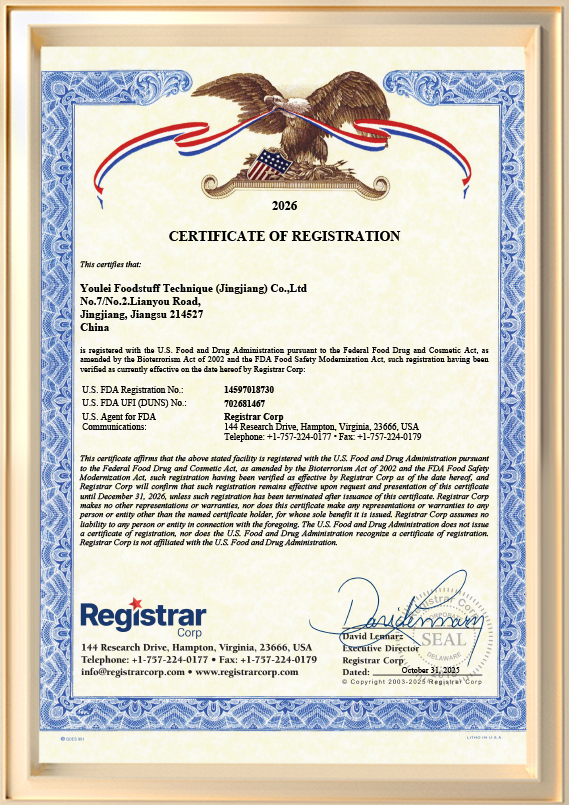
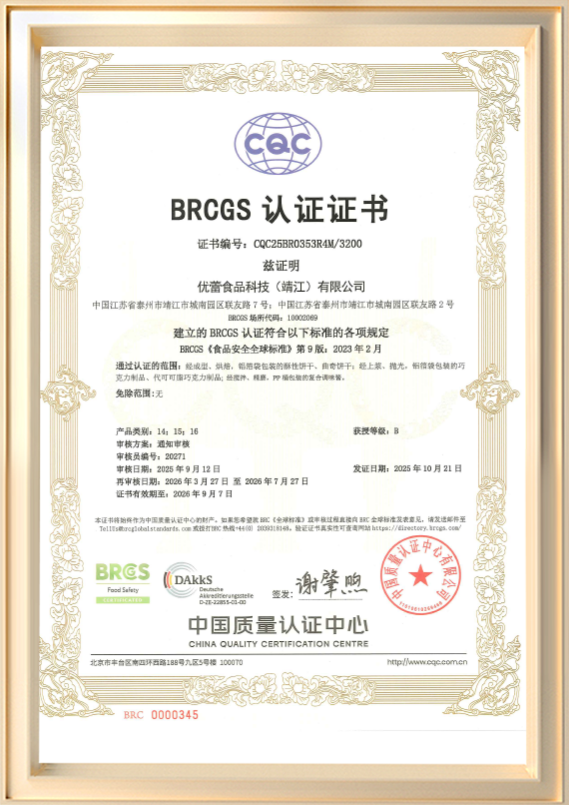
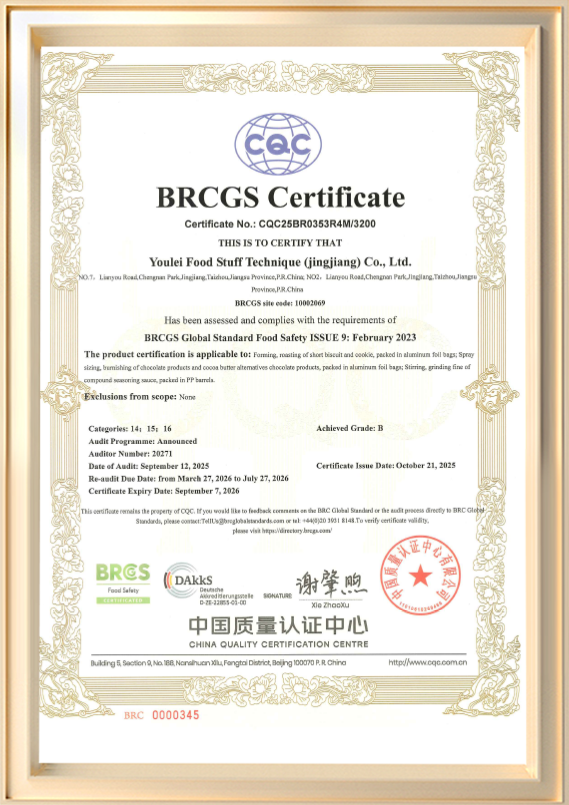
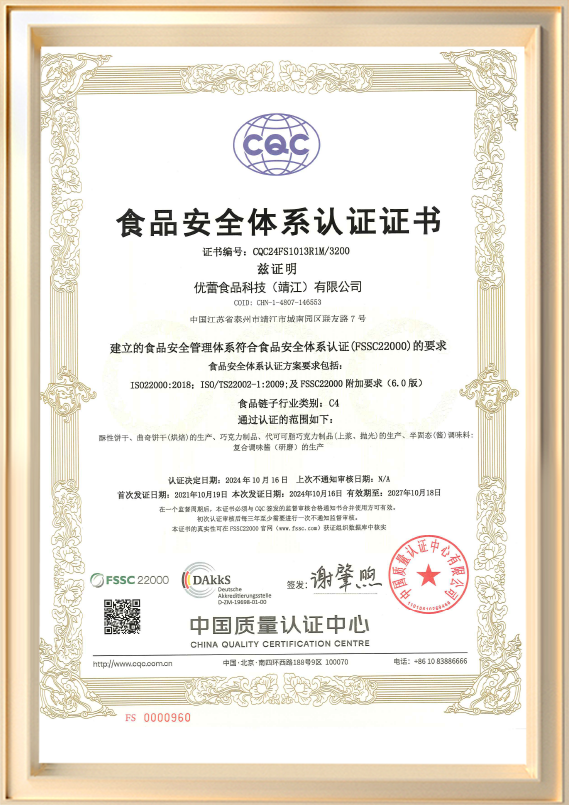
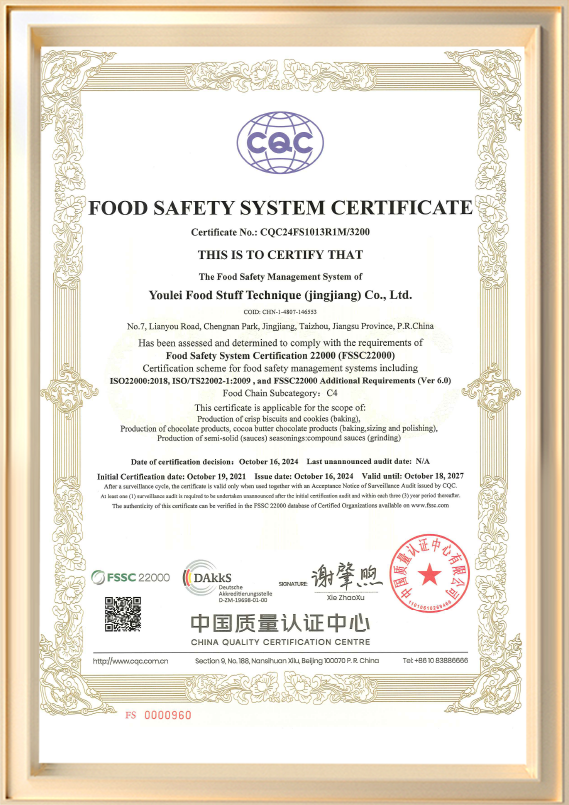
Hard biscuits for ice cream sandwiches typically contain wheat (gluten), dairy (from milk powder or butter), soy (from lecithin), and eggs — covering four of the major eight allergens defined by the FDA and similar authorities globally. Strict allergen segregation during production and accurate labeling are non-negotiable compliance requirements. Facilities supplying global brands are expected to hold FSSC 22000 or BRC Global Standard certifications.
Shelf Life Validation
The combined shelf life of an ice cream sandwich product is governed by the shorter shelf life component — often the biscuit, not the ice cream. Fat oxidation (measured by peroxide value, target ≤ 5 meq/kg at the end of shelf life) and flavor degradation are the primary failure modes in biscuits over 12-month frozen storage. Antioxidants such as tocopherols or rosemary extract are increasingly used in clean-label formulations as alternatives to synthetic BHA/BHT.
Frequently Asked Questions About Ice Cream Sandwich Hard Biscuits
Why does the biscuit become soft after freezing?
Softening is almost always caused by moisture migration from the ice cream into the biscuit. The root cause is a water activity differential — the biscuit's aw is lower than the ice cream's, creating a gradient that drives water into the biscuit over time. Solutions include reformulating the biscuit to reduce hygroscopicity, increasing fat levels to create a better moisture barrier, or applying a thin fat-based coating to the biscuit contact surface before sandwich assembly.
What is the standard thickness for ice cream sandwich biscuits?
Industry standard thickness ranges from 4 mm to 8 mm, depending on product format. Rectangular sandwich formats (e.g., classic rectangular ice cream bars) typically use thinner sheets (4–5 mm) to maintain an overall sandwich height of 3–4 cm. Round or premium formats may use thicker biscuits (6–8 mm) to provide structural support and a more substantial mouthfeel. Thickness uniformity within ±0.3 mm is required for automated assembly line compatibility.
Can hard biscuits be used with non-dairy ice cream alternatives?
Yes, but formulation compatibility must be assessed. Plant-based ice creams (coconut milk, oat, almond, soy bases) often have different aw values and fat compositions compared to dairy ice cream, which affects moisture migration behavior and adhesion characteristics. Biscuit suppliers should conduct compatibility testing with the specific ice cream base, as a formula optimized for dairy ice cream may underperform with oat-based alternatives. The plant-based frozen dessert segment is growing at approximately 8%–12% CAGR globally, making this a practically important consideration.
How are hard biscuits customized for different brand requirements?
Customization covers several dimensions:
- Flavor profiles: Cocoa, vanilla, matcha, black sesame, cheese — flavor additions require careful testing to ensure they don't alter aw or fat structure adversely.
- Color: Natural colorants (cocoa powder, spirulina, beetroot extract) are preferred by premium brands; stability at frozen temperatures must be confirmed.
- Shape and embossing: Brand logos, patterns, or character embossing require custom mold tooling, typically with a lead time of 4–8 weeks.
- Nutritional positioning: Reduced sugar, high fiber (e.g., inulin addition at 3%–5%), or protein-enriched variants are growing segments, particularly for fitness-oriented product lines.
What certifications should a biscuit supplier hold?
For suppliers serving major FMCG brands and export markets, the baseline expectation includes:
- FSSC 22000 or BRC Grade A/AA — food safety management system certification recognized globally.
- ISO 9001 — quality management systems for process consistency.
- Halal and/or Kosher — required for Middle Eastern, Southeast Asian, and Jewish market access.
- Non-GMO or organic certification — increasingly requested by European and North American premium brands.
What minimum order quantities (MOQs) are typical in this segment?
MOQs vary significantly by supplier scale and customization level. For standard catalog SKUs, MOQs from established manufacturers typically start at 1–5 metric tons per order. For fully custom formulations and shapes, MOQs are generally 5–20 metric tons due to tooling costs and dedicated production scheduling requirements. Buyers evaluating new suppliers are advised to request trial batch production (typically 100–500 kg) with full quality documentation before committing to commercial volume orders.
Market Trends Shaping the Hard Biscuit Segment
The ice cream sandwich hard biscuit market is evolving in response to broader consumer and retail trends:
- Clean label demand: Brands are actively reducing E-number additives from biscuit ingredients lists, requiring suppliers to reformulate with natural emulsifiers (sunflower lecithin), natural antioxidants, and non-hydrogenated fats.
- Asian flavor innovation: Matcha, hojicha, taro, and black sesame hard biscuits have moved from niche to mainstream in East and Southeast Asian markets, with these SKUs now commanding 15%–25% price premiums over vanilla and chocolate equivalents.
- Tea beverage brand crossovers: Collaborations between frozen dessert brands and established tea brands (bubble tea chains, premium loose-leaf brands) are generating co-branded ice cream sandwich products that use flavor-matched biscuit bases as a key differentiator.
- Sustainability: Buyers are increasingly requesting carbon footprint data and sustainable palm oil sourcing (RSPO certification) as part of supplier qualification, particularly for European market supply chains.