 English
 中文简体
中文简体
These Round Cocoa Hard Biscuits are specially designed for high-end frozen desserts and creative snacks, combining a crisp texture with excellent cold-chain transformation properties.
See Details

 2026.05.08
 Industry News
Content
The central technical challenge of ice cream sandwiches lies in this paradox: biscuits must remain hard and crisp during production to accommodate automated assembly lines, yet deliver a soft, moist, cake-like texture at the point of consumption. Hard biscuits formulated with all-purpose flour, through controlled water activity (Aw approximately 0.35–0.45) and cold-chain maturation processes, maintain structural integrity at -18°C while absorbing free moisture from the ice cream filling—achieving a complete textural transformation from "hard and crisp" to "soft and tender." This dual-phase characteristic makes them the preferred carrier for industrial ice cream sandwich production.
In industrial ice cream sandwich production lines, biscuits must withstand high-speed conveying, precision alignment, ice cream depositing, and compression sealing. Soft cookies or cake bases deform and fracture under mechanical gripping, significantly increasing line downtime and waste rates. Hard biscuits, with a compressive strength of 2.5–4.0 MPa, can endure automated line pressures of 120–140 units per minute, ensuring continuous and stable production.
Ice cream sandwiches require storage and transport at -18°C to -25°C for periods ranging from weeks to months. Traditional biscuits powderize and crack under these conditions due to moisture migration and ice crystal formation. Hard biscuits maintain structural integrity through the following mechanisms:
Once hard biscuits are assembled with ice cream, moisture redistribution occurs during cold-chain storage. Free water from the ice cream (approximately 30%–40% of total ice cream mass) migrates toward the biscuit matrix, where it is adsorbed by proteins and starch. This process typically reaches equilibrium within 24–72 hours after assembly, at which point biscuit moisture content rises from an initial 3%–5% to 12%–18%, and the texture shifts from "hard and crisp" to "soft and moist."
| Process Stage | Key Parameter | Control Target | Impact on Final Quality |
|---|---|---|---|
| Biscuit Baking | Moisture Content | 3%–5% | Determines initial crispness and moisture absorption potential |
| Biscuit Baking | Thickness | 3.5–5.0 mm | Affects bite resistance and moisture penetration rate |
| Ice Cream Depositing | Overrun Rate | 80%–100% | Influences filling volume and texture softness |
| Cold-Chain Maturation | Temperature | -18°C to -25°C | Controls moisture migration rate and microbial safety |
| Cold-Chain Maturation | Duration | 24–72 hours | Determines the completeness of textural transformation |
Hard biscuit formulations use all-purpose flour as the base. Its protein content (approximately 9%–11%) forms a moderate gluten network that ensures mechanical strength on automated lines without overdeveloping into a tough texture. Fat addition is typically controlled at 25%–35% of flour mass, lubricating the gluten and slowing rapid moisture penetration to ensure uniform—rather than localized—textural transformation.
Original butter-flavored biscuits center on wheat aroma and dairy fat notes, with moderate flavor intensity that does not compete with the ice cream filling. This "neutral base" characteristic makes them compatible with mainstream ice cream flavors such as vanilla, strawberry, and matcha. In practical applications, the dairy fat content in butter-flavored biscuits (typically added as anhydrous butter or milk powder) enhances fat compatibility with the ice cream, improving overall mouthfeel smoothness.
Cocoa-flavored hard biscuits formulated with natural cocoa powder deliver authentic chocolate flavor (cocoa polyphenols provide balanced bitterness and sweetness) while creating strong visual contrast against light-colored ice cream fillings. This contrast effect enhances perceived product layering during consumption and increases shelf appeal. The fat component in cocoa powder (cocoa butter) also synergizes with the biscuit matrix fat to delay oxidative degradation during frozen storage.
| Evaluation Dimension | Original Butter Flavor | Rich Cocoa Flavor |
|---|---|---|
| Flavor Compatibility | Extremely high; compatible with all mainstream flavors | Moderately high; best with vanilla, coffee, and nut flavors |
| Visual Appeal | Subtle; suited for classic-positioned products | Strong; suited for differentiated products |
| Flavor Layering | Highlights the ice cream flavor itself | Biscuit and ice cream flavors mutually enhance |
| Antioxidant Stability | Standard level | Cocoa polyphenols provide additional protection |
Strict internal control standards must be established for ash content, protein content, and water absorption of all-purpose flour. It is recommended to control flour water absorption fluctuation within ±1.5% to ensure consistency in dough viscosity and biscuit forming. The melting profile and solid fat index (SFI) of fats must also be batch-tested to prevent increased cracking rates in frozen environments caused by changes in fat plasticity.
Hard biscuit baking involves three stages: expansion and setting, moisture evaporation, and Maillard reaction. Typical tunnel oven parameters are:
Total baking time is typically controlled at 7–10 minutes, adjusted according to biscuit thickness and target moisture content.
Assembled ice cream sandwiches require maturation at or below -18°C for a minimum of 24 hours. During this process, it is recommended to conduct batch sampling for texture analysis, including:
Current hard biscuit technology has effectively resolved the contradiction between "production crispness" and "consumption softness," yet optimization opportunities remain. For example, moderate crosslinking of the gluten network using enzymes such as transglutaminase can further shorten cold-chain maturation time while maintaining freeze-thaw stability. Partial substitution of standard starch with resistant starch or dietary fiber can increase dietary fiber content while enhancing perceived softness. Furthermore, under the clean-label trend, replacing artificial flavorings with natural cocoa powder and dairy fat flavors will become a key differentiation path for premium ice cream sandwich products.
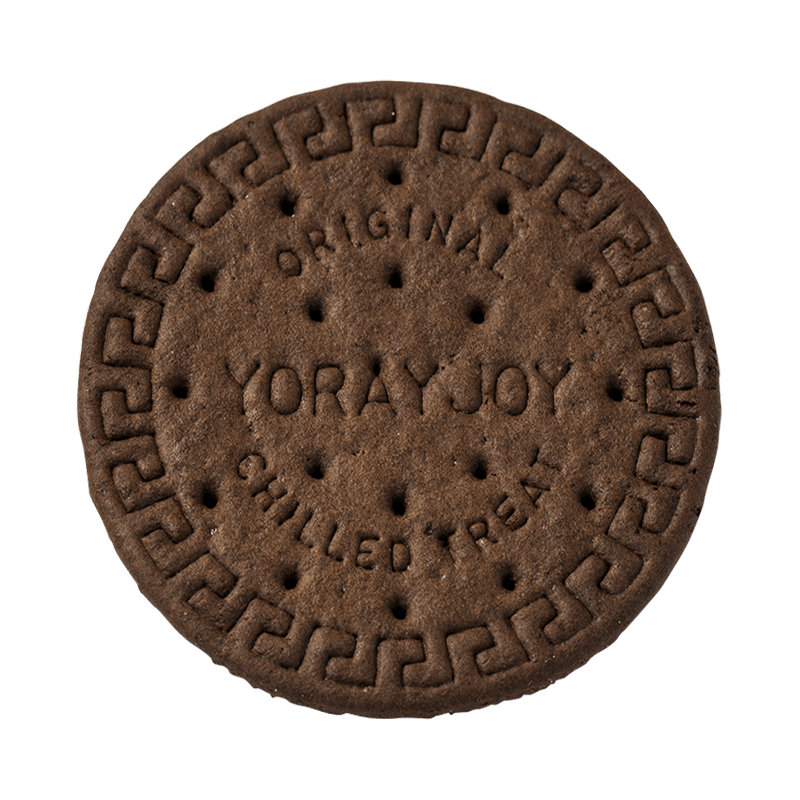
These Round Cocoa Hard Biscuits are specially designed for high-end frozen desserts and creative snacks, combining a crisp texture with excellent cold-chain transformation properties.
See Details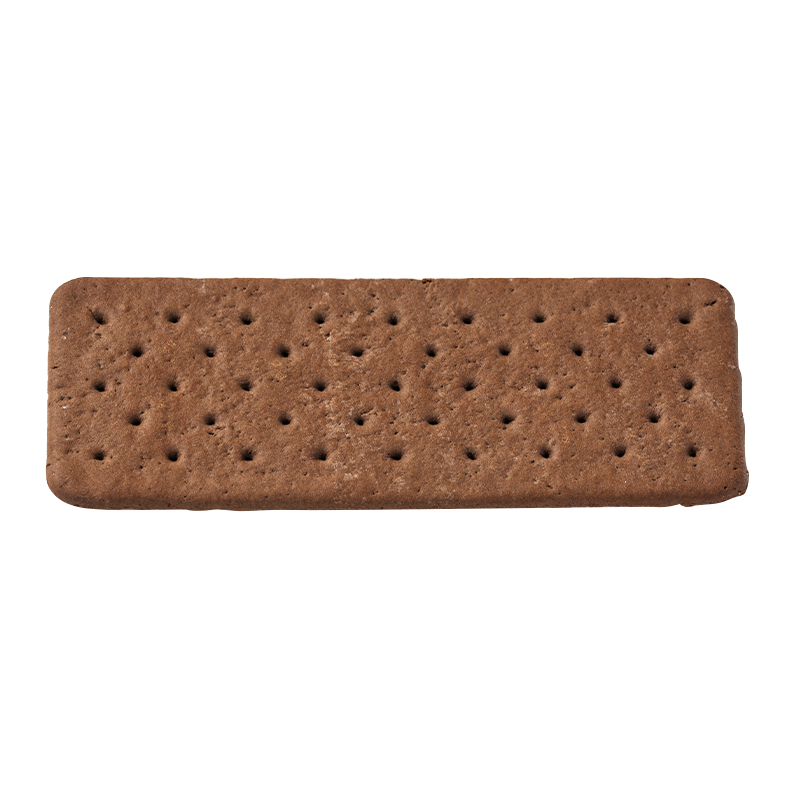
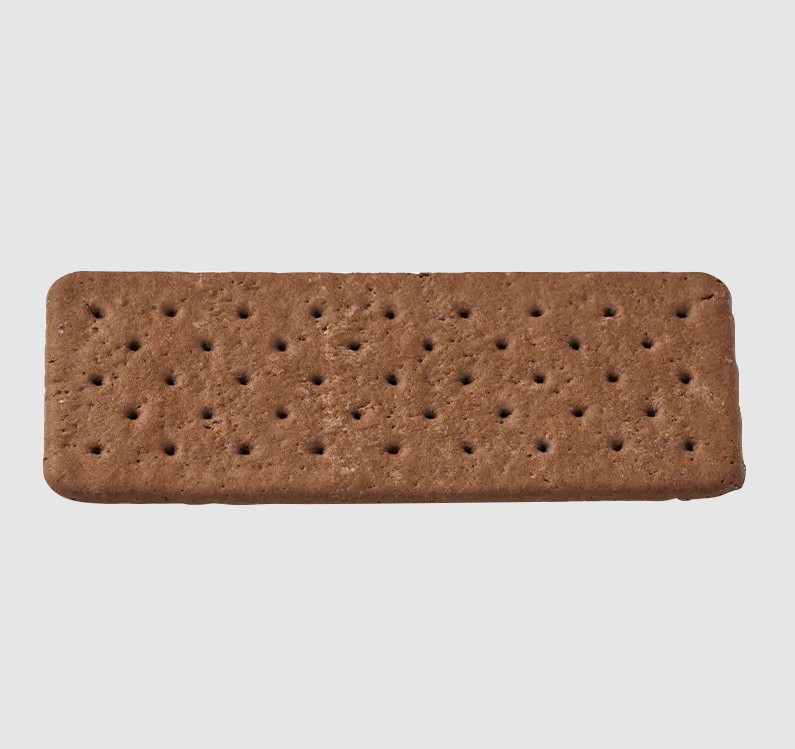
This rectangular cocoa hard biscuit is a classic baked semi-finished product, combining a crisp texture with excellent physical compatibility, making it an ideal base for frozen desserts and creative snacks.
See Details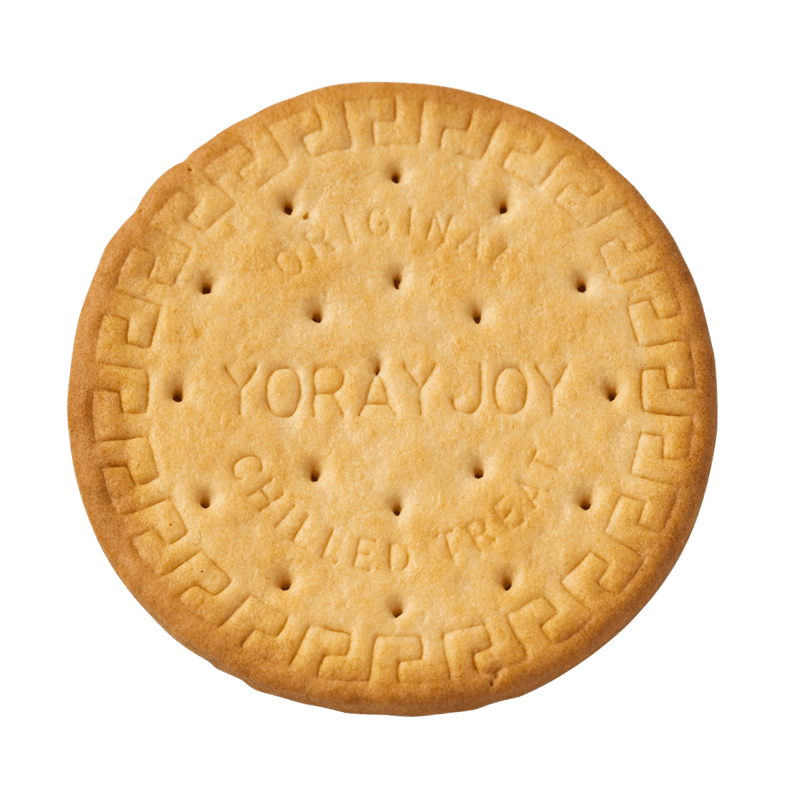
These Round Butter Hard Biscuits combine classic flavor with versatile textures, making them the ideal base for ice cream sandwiches.
See Details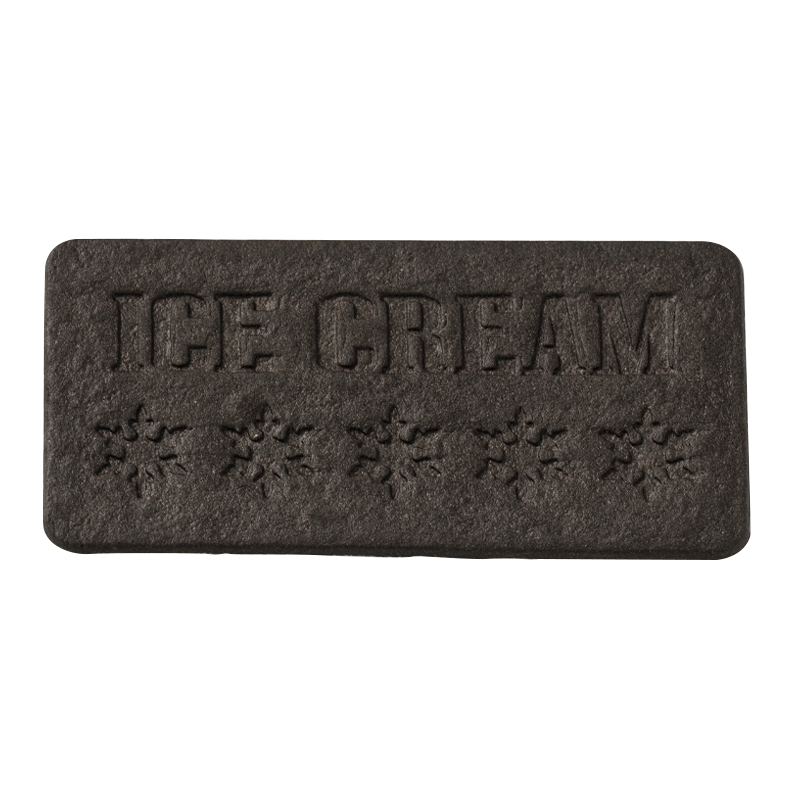
This rectangular cocoa crisp biscuit is the ideal shell for ice cream sandwiches. It continues the classic "Oreo" flavor profile and is optimized for cold chain environments.
See Details
This core component, specifically designed for premium ice cream, features a scientifically formulated high-fat and high-sugar ratio, providing both robust structural support and a melt-in-your-mouth crispness.
See Details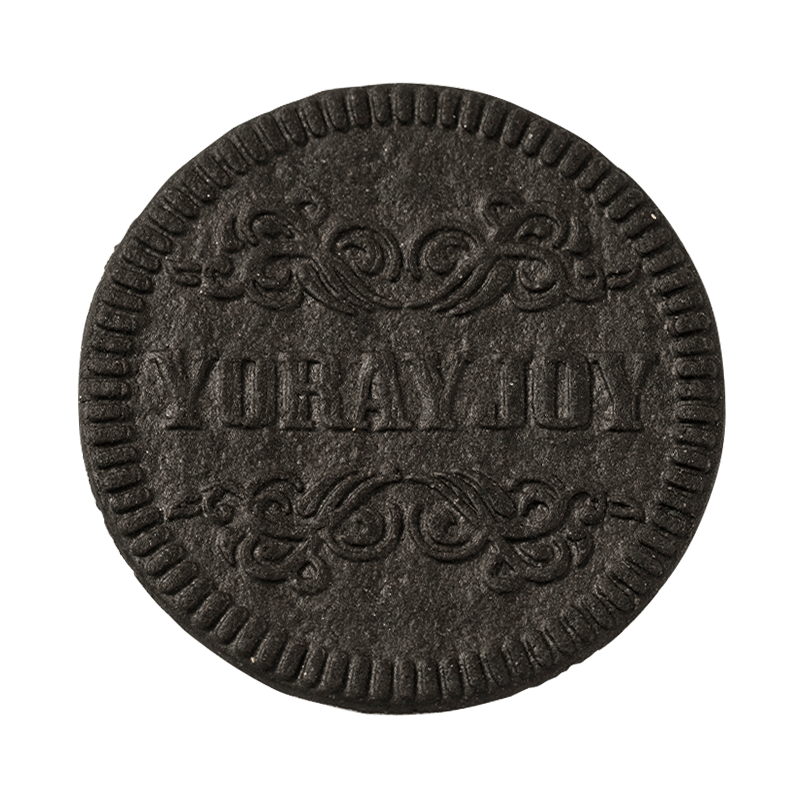
This product is a professional base ingredient specifically designed for high-end frozen desserts. It uses a high oil-to-sugar ratio and select low-gluten flour to create an exceptionally crisp texture that crumbles in y...
See Details
Quick Links
Product Category
Code Preview
