English
 中文简体
This soft cocoa cookie crumb has a rich, mellow, chewy texture and is an ideal partner for chocolate and vanilla ice cream. It keeps its soft bite even after being mixed into ice cream.
See Details

 2026.09.14
 Industry News
Content
A production planner at a mid-size ice cream plant opens a pallet of caramel cookie crumbs and sees that "best before" sits only 90 days away. Her line requires a 160-day raw material buffer. That 70-day gap triggers an emergency supplier call, a rushed reformulation, and a costly special order. This scenario repeats across the food industry more often than most buyers admit. The shelf life of biscuit base ingredients is not a decorative label element—it is a fundamental specification that shapes production planning, finished product consistency, and the total landed cost of every batch you make.
Four mechanisms limit how long biscuit base ingredients stay usable: moisture migration, lipid oxidation, Maillard browning, and microbial growth. The first three apply to all baked bases; the fourth mainly affects spreads and cream-filled products.
Moisture migration is the most common enemy. Cookie crumbs and feuilletine have water activity between 0.20 and 0.40. When the packaging barrier is weak or the warehouse humidity exceeds 55–60%, these ingredients absorb water and lose the crisp texture your end product depends on. Once moisture climbs above roughly 0.50 aw, the change becomes noticeable in both aroma and bite.
Lipid oxidation attacks the fat phase. Butter, cocoa butter, and caramelized sugar fractions in biscuit bases react with oxygen over time. The first sign is a subtle cardboard-like aroma, followed by a sharp rancid note. Higher-fat products, such as butter feuilletine, oxidize sooner than low-fat crumbs under identical storage conditions.
Maillard browning continues even after baking. Reducing sugars and amino acids keep reacting slowly, darkening the crumb color and producing stale, biscuit-like overtones. In chocolate coatings and ice cream inclusions, this off-taste becomes detectable well before the product looks spoiled, which is why regular sensory checks remain essential.
The table below summarizes typical shelf life ranges for the four main categories of biscuit base ingredients, assuming sealed original packaging and storage below 25°C with relative humidity below 55%.
| Product category | Typical shelf life | Primary degradation risk |
|---|---|---|
| Cookie crumbs (caramel, cocoa) | 9–12 months | Moisture absorption |
| Feuilletine (butter, cocoa) | 6–9 months | Fat oxidation, breakage |
| Biscuit spreads | 9–12 months | Oil separation, oxidation |
| Ice cream sandwich biscuits | 6–9 months | Texture softening |
The bar chart below illustrates the same ranges at a glance. Products with a larger surface-to-volume ratio, such as feuilletine, sit at the lower end because oxygen reaches the fat phase more quickly.
Storage discipline separates suppliers that meet shelf life claims from those that barely do. The conditions that preserve biscuit base ingredients are simple, but they must be enforced every day:
The "right" shelf life is not the longest shelf life. It is the shelf life that fits your supply cadence, your line usage rate, and the tolerance of your end product. Here is how the three most common biscuit base ingredient families behave in practice.
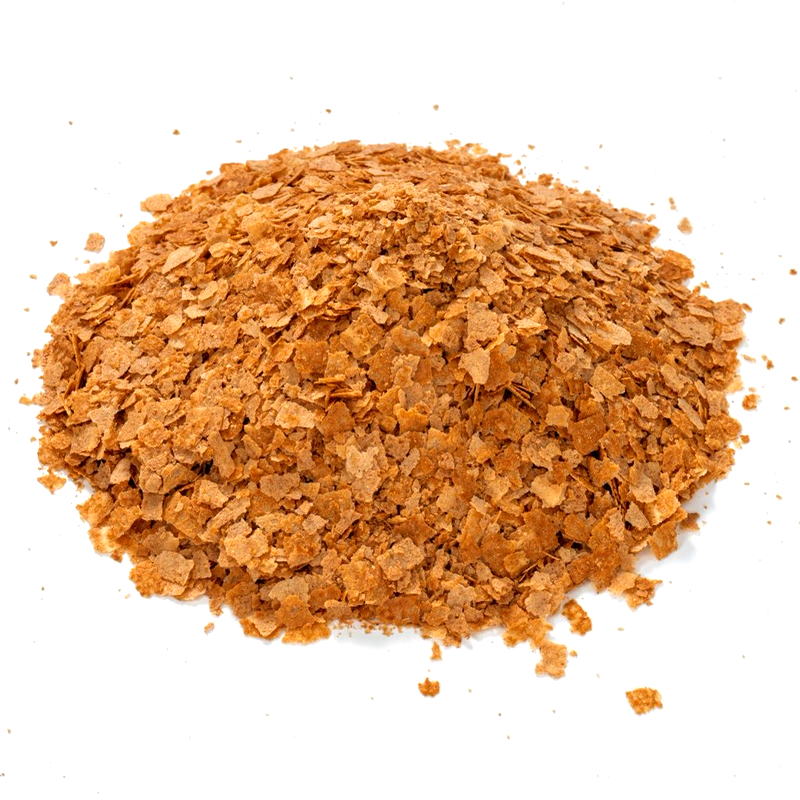
Cookie crumbs are the most forgiving biscuit base ingredient. At 9–12 months, they offer a comfortable buffer for ice cream, cupcake, and dessert-cup lines. The risk is not rancidity as much as moisture pickup and clumping. Specify a water activity ceiling (for most suppliers, 0.35 aw works) and check the crumb particle size distribution on each lot. If crumbs arrive dusty or overly fine, texture in the finished product suffers.
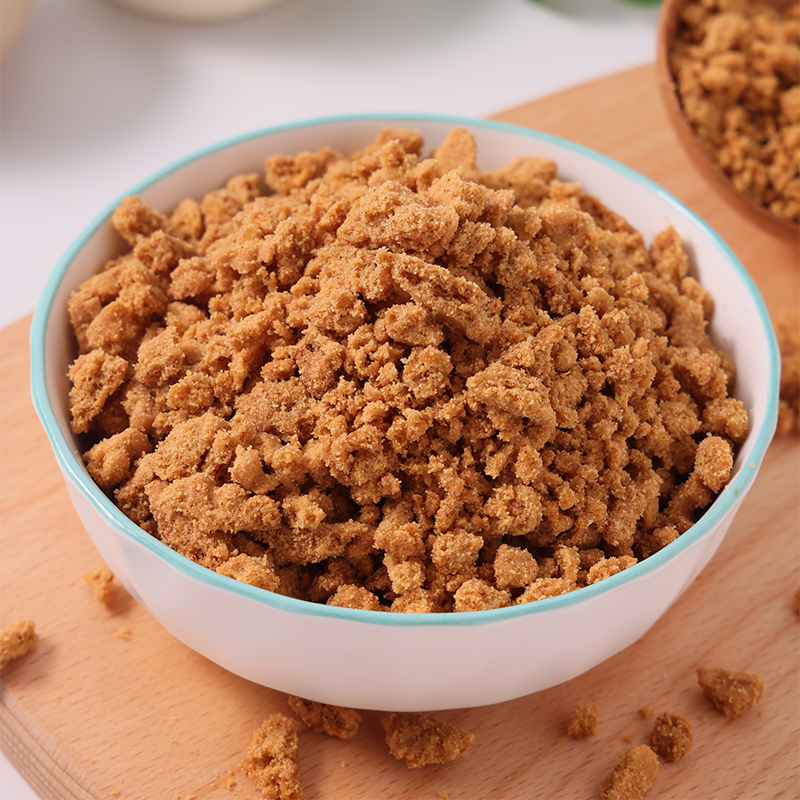 Caramel Biscuit Crumbles for Bakery and Dessert ToppingsThis product combines rich caramel sweetness with a subtle cinnamon aroma in a granular form. It suits cold drinks, ice cream toppings, baked desserts, and modern tea drinks, offering a crisp texture and clean-label, dairy-free appeal for manufacturers seeking cost-effective flavor.View Product →
Feuilletine leaves almost no room for poor handling. The thin, delicate flakes depend on a moisture-proof barrier and a stable cold supply chain. Once opened, feuilletine should be used within 60–90 days and stored in a sealed bin. Its crisp contribution to pralines and chocolate bars is exactly why feuilletine is used so widely in confectionery, but that same fragility makes shelf life a real production constraint.
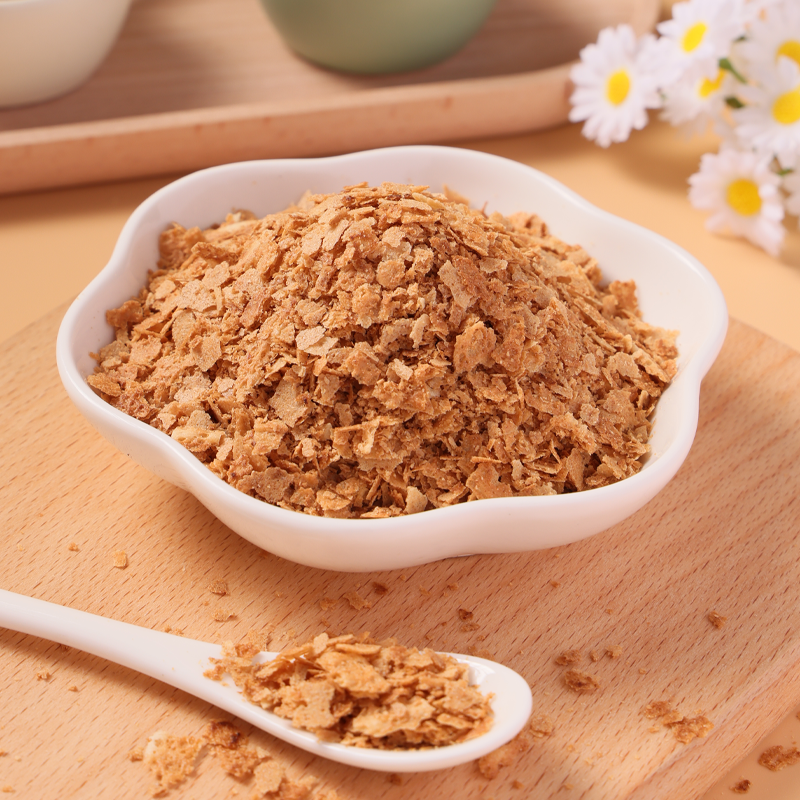 Butter Feuilletine Crisp Flakes for Pastry and ConfectioneryMade with premium anhydrous butter, these ultra-thin flakes shatter effortlessly and melt on the palate. They maintain defined crispness in chocolate coatings, frozen desserts, and layered fillings, making them ideal for French pastries, pralines, and ice cream bases.View Product →
Biscuit spreads have a different failure mode: oil separation and emulsion breakdown rather than moisture. A quality spread should remain homogeneous for 9–12 months at room temperature, but freeze-thaw cycles will rapidly break the emulsion. If spread is used as a filling or topping, validation should include a simple shake test and a check for surface oil at months three, six, and nine.
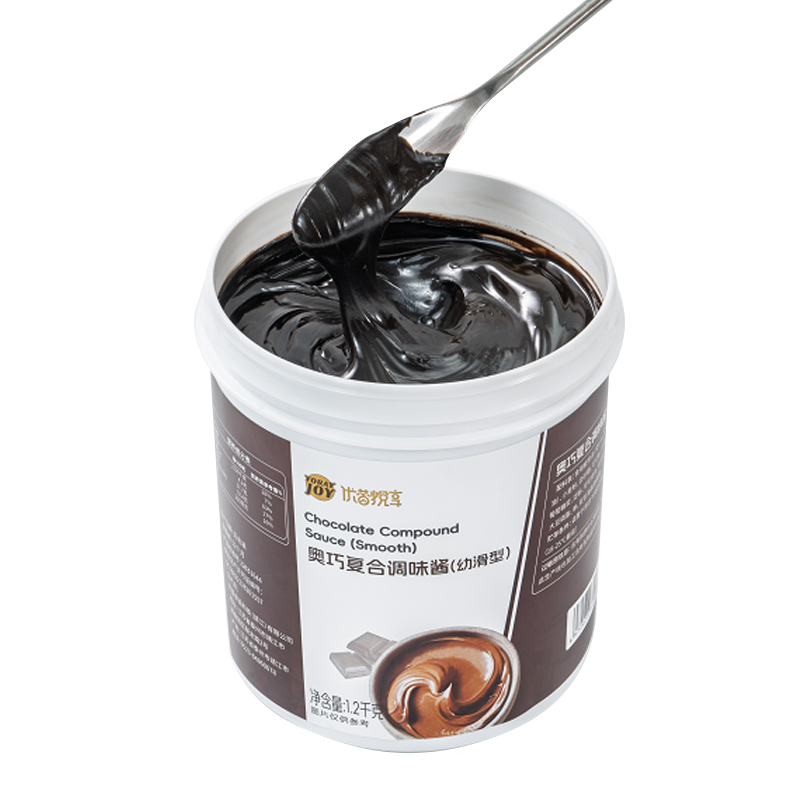 Cocoa Cookie Spread for Baking and Cold Beverage ApplicationsThis plant-based spread stays smooth at low temperatures without crystallization, contains at least 5% cocoa powder, and works directly from the can. Its stable viscosity suits automated production, making it a versatile base for fillings, toppings, and desserts.View Product →
When verifying a supplier's shelf life numbers, ask for documents, not promises. A credible supplier will share three things without hesitation:
The production date policy also matters. Some suppliers ship product that has already sat in their warehouse for two months; others ship within days. Ask about typical age at shipment and make it part of your purchasing agreement. Finally, the simplest test is to order a sample, store it in your own warehouse, and check aroma, texture, and water activity monthly. This is the only test that reflects your actual conditions.
You can review the full product range and request spec sheets before committing to a trial order.
Cookie crumbs and feuilletine can be frozen for several additional months if the package is moisture-proof and thawed in sealed bags to avoid condensation. Biscuit spreads should not be frozen; freeze-thaw cycles break the emulsion and lead to oil separation that is difficult to restore.
Biscuit base ingredients carry a best-before date, not a use-by date. Best-before indicates when the product begins to lose expected quality; it does not mean the product is unsafe the next day. High-moisture products such as cream fillings are where use-by dates apply.
Use sensory checks: the aroma should be clean and caramel-like, the flakes or crumbs should snap when crushed, and the color should match the original lot. If crumbs are soft but still aromatic, they can still be used in baked applications, but not as crisp toppings.
Treat shelf life as a specification, not an afterthought. The suppliers that test, document, and openly discuss shelf life are the ones that will also deliver consistent quality over the long term. When you source biscuit base ingredients with shelf life factored into your planning, you cut waste, reduce emergency sourcing, and protect the texture and flavor of the products your customers trust.
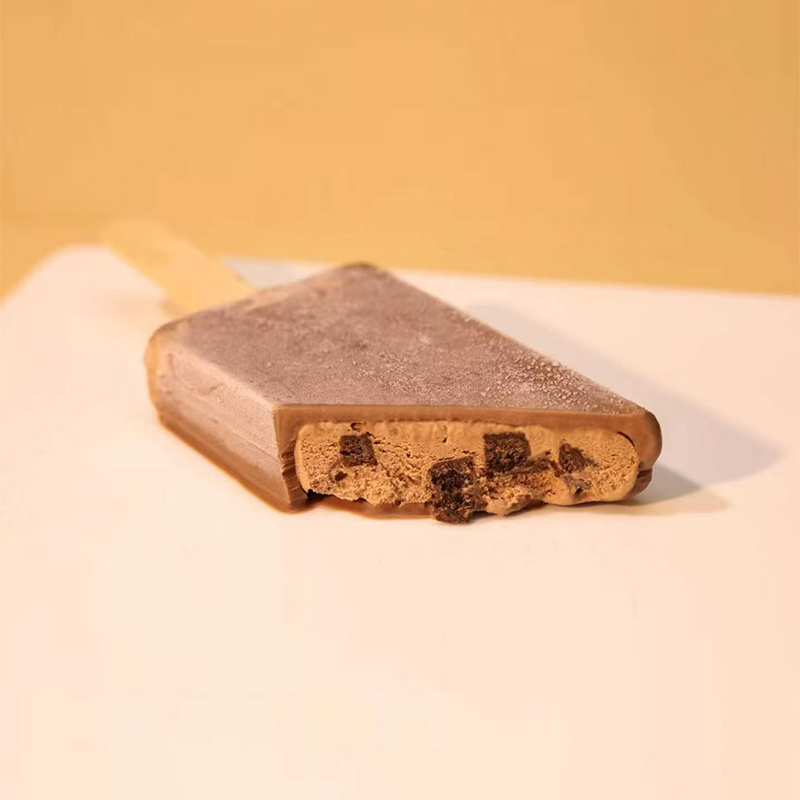
This soft cocoa cookie crumb has a rich, mellow, chewy texture and is an ideal partner for chocolate and vanilla ice cream. It keeps its soft bite even after being mixed into ice cream.
See Details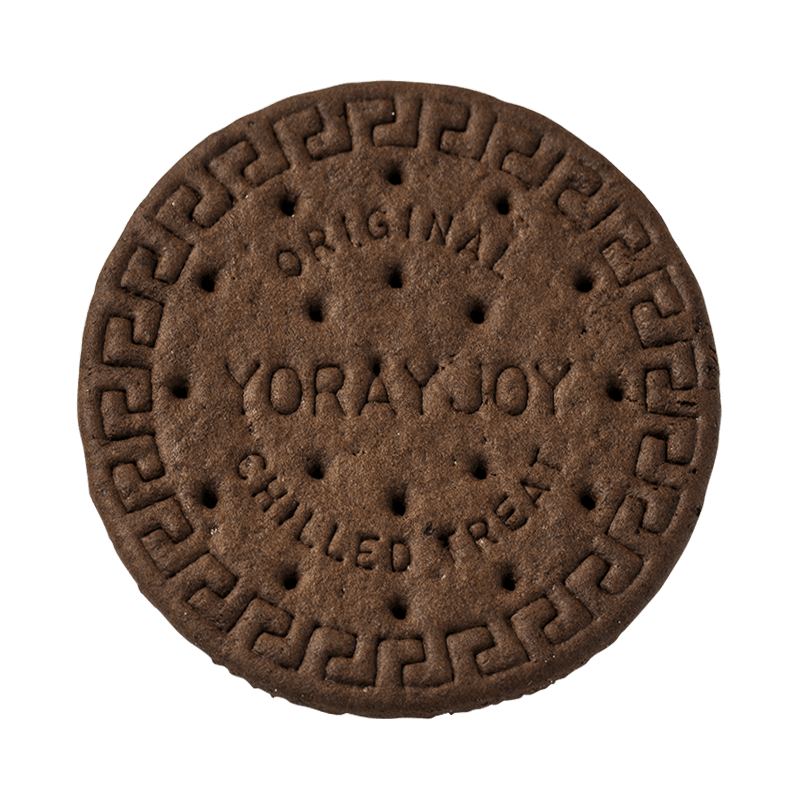
These Round Cocoa Hard Biscuits are specially designed for high-end frozen desserts and creative snacks, combining a crisp texture with excellent cold-chain transformation properties.
See Details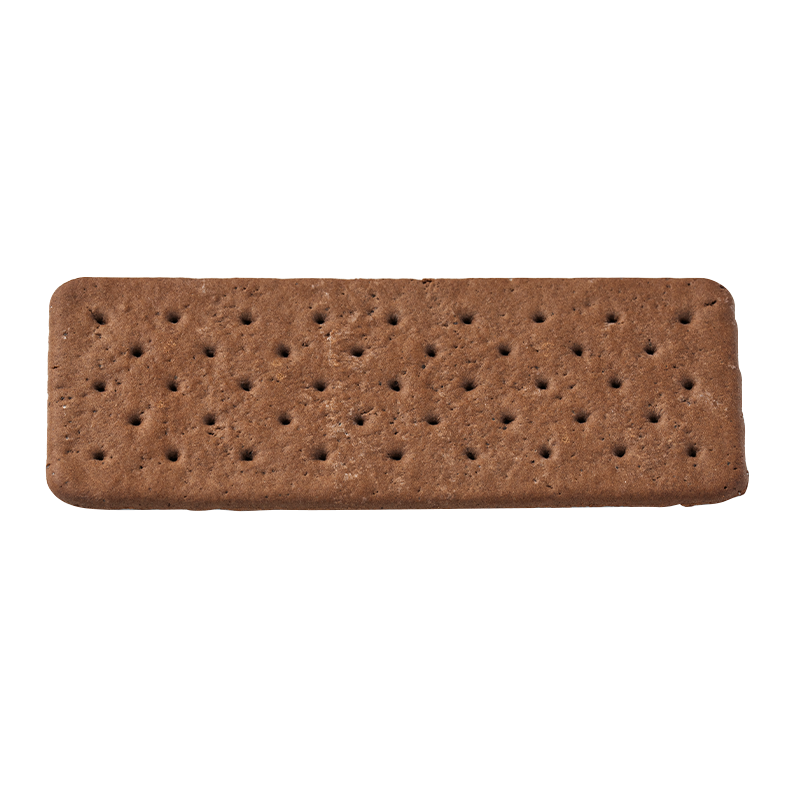
This rectangular cocoa hard biscuit is a classic baked semi-finished product, combining a crisp texture with excellent physical compatibility, making it an ideal base for frozen desserts and creative snacks.
See Details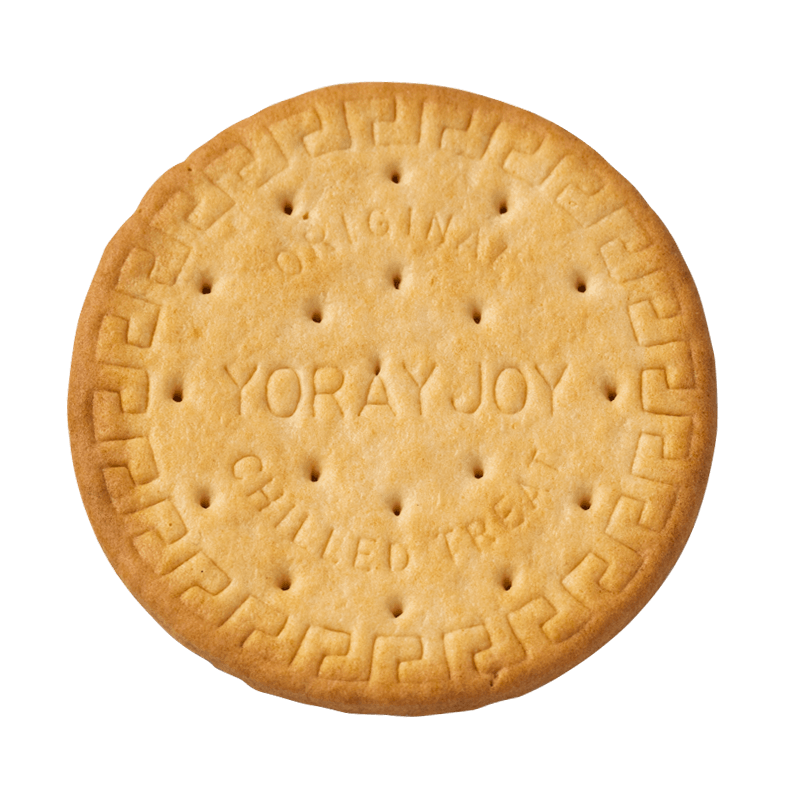
These Round Butter Hard Biscuits combine classic flavor with versatile textures, making them the ideal base for ice cream sandwiches.
See Details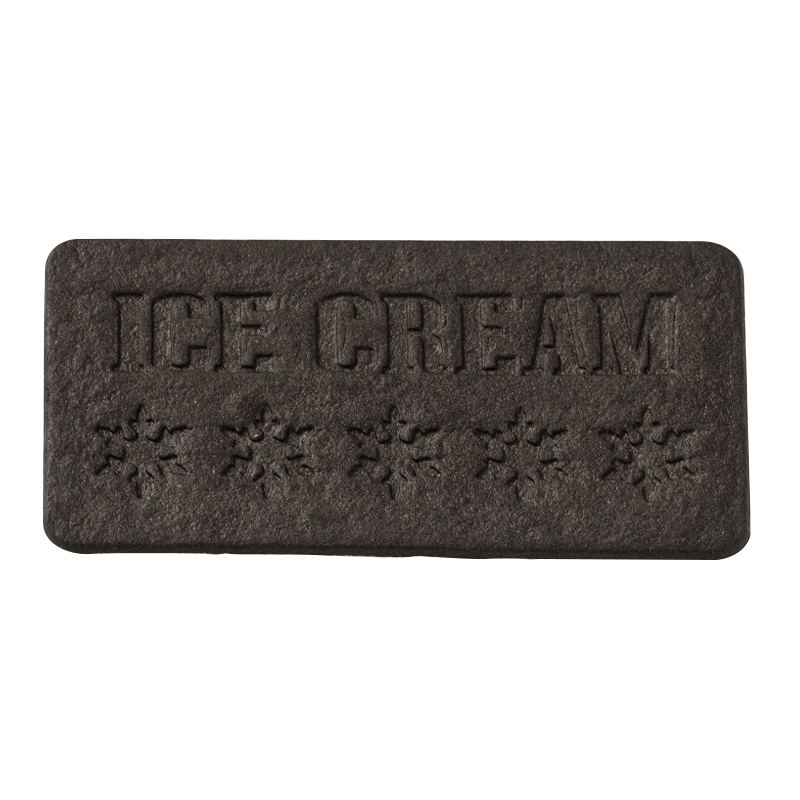
This rectangular cocoa crisp biscuit is the ideal shell for ice cream sandwiches. It continues the classic "Oreo" flavor profile and is optimized for cold chain environments.
See Details
Quick Links
Product Category
Code Preview