English
 中文简体
中文简体

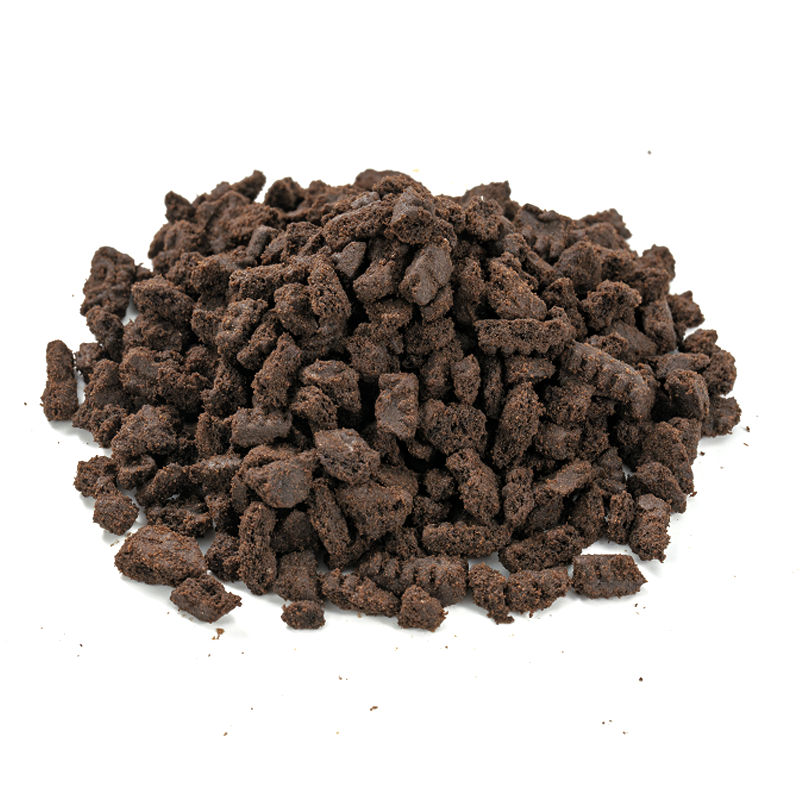
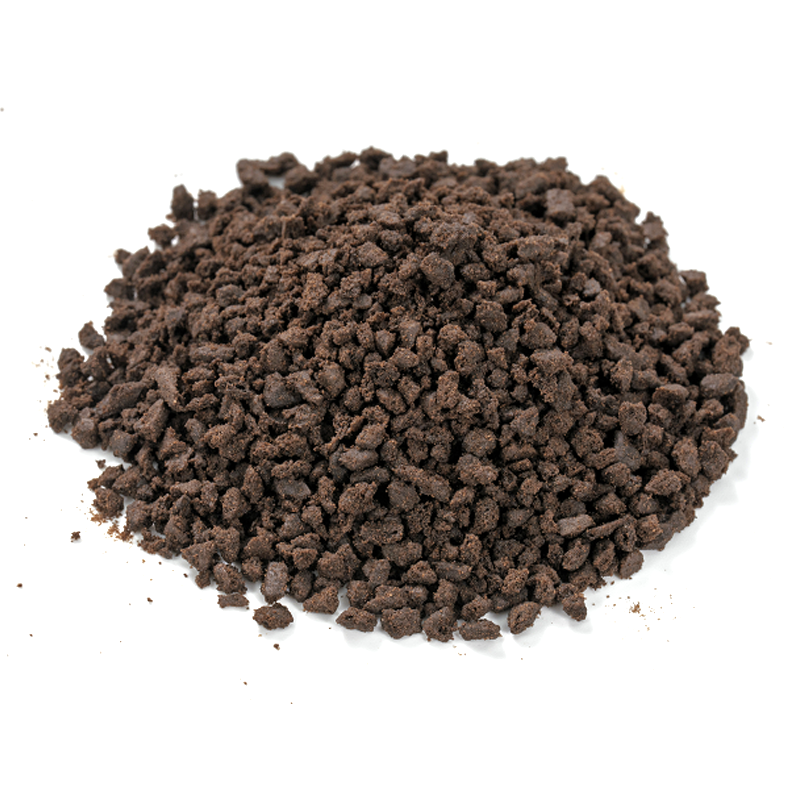
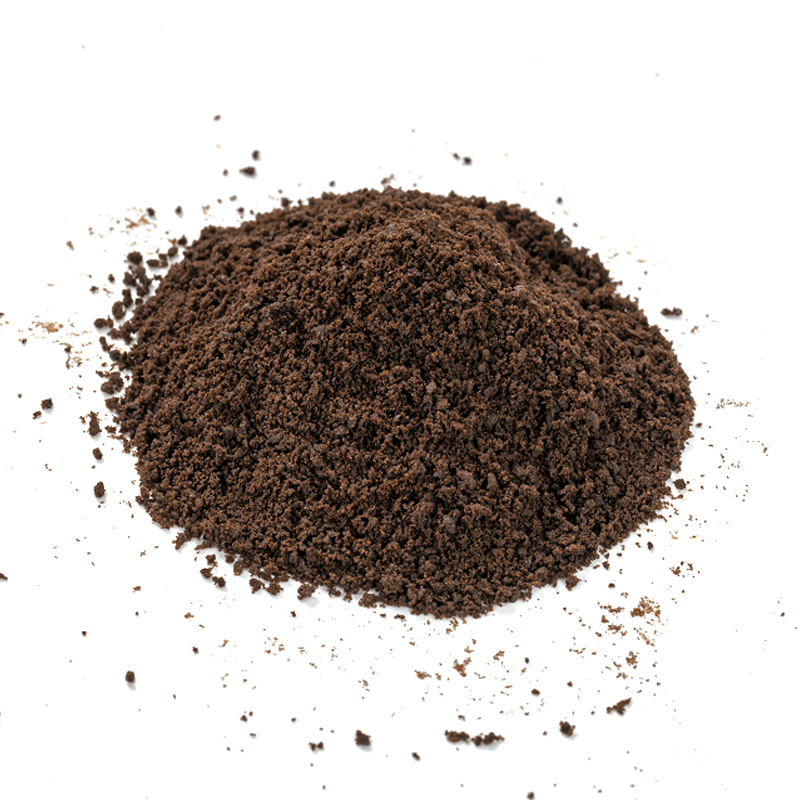
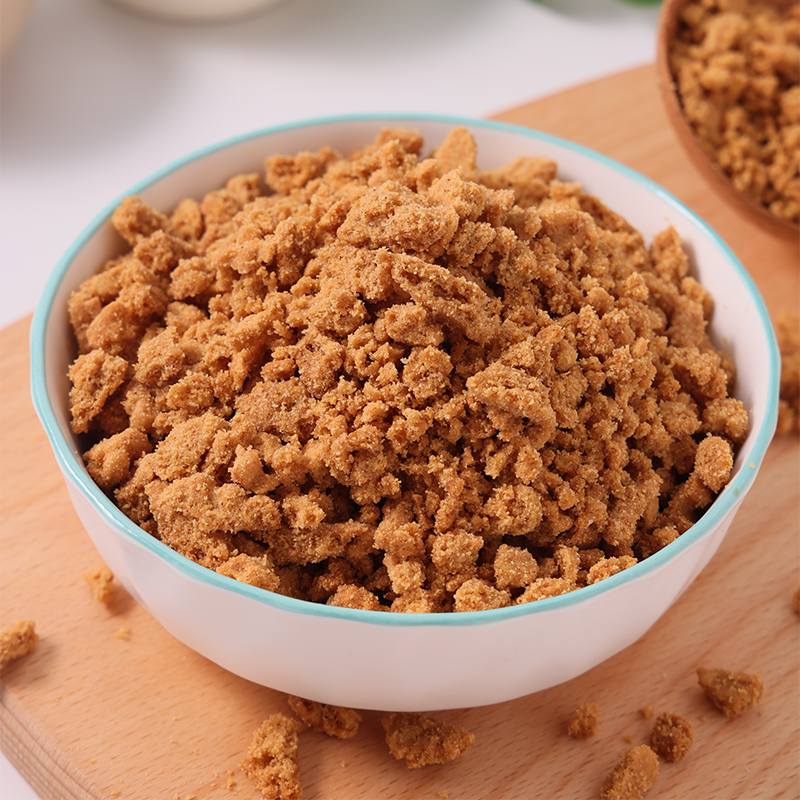


What Are Cookie Crumbs and Why Do They Matter in Food Manufacturing?
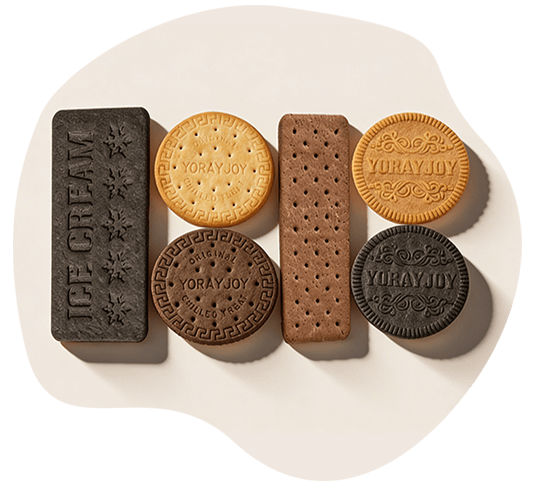
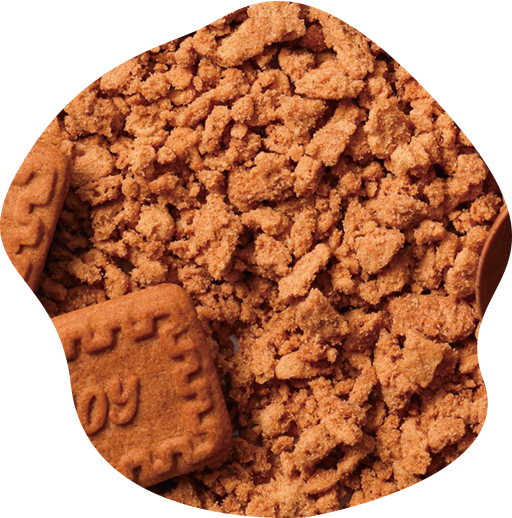
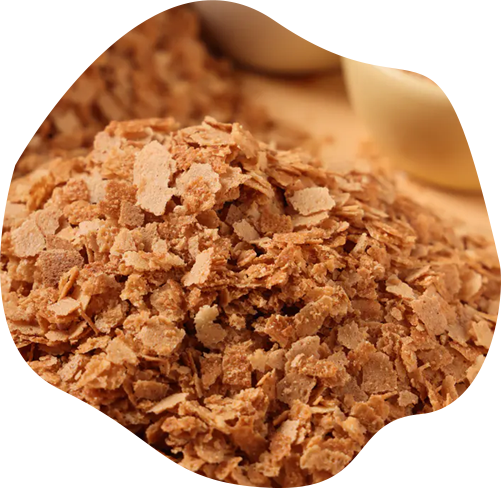
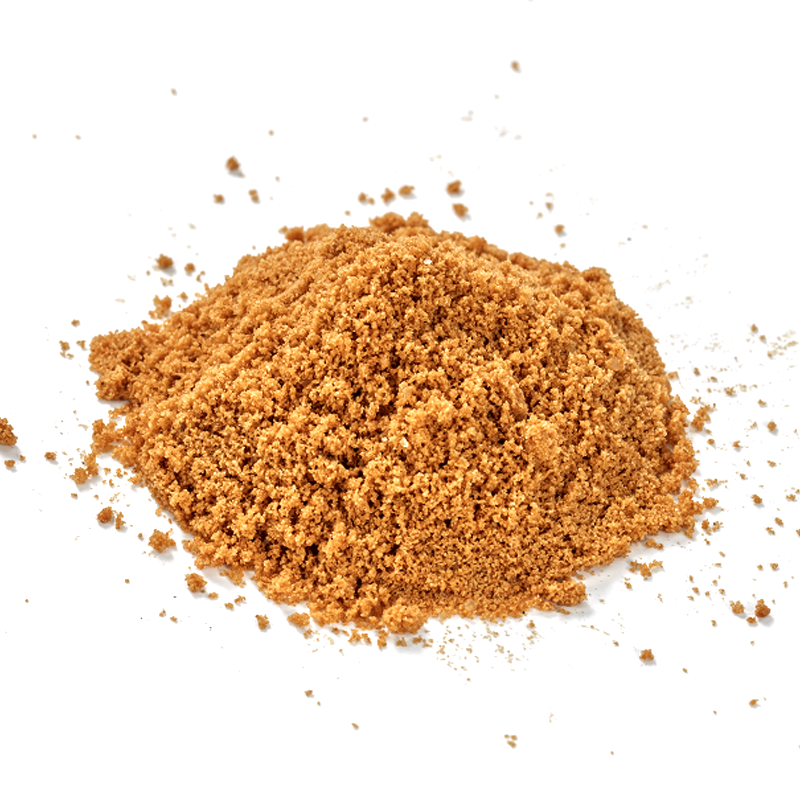
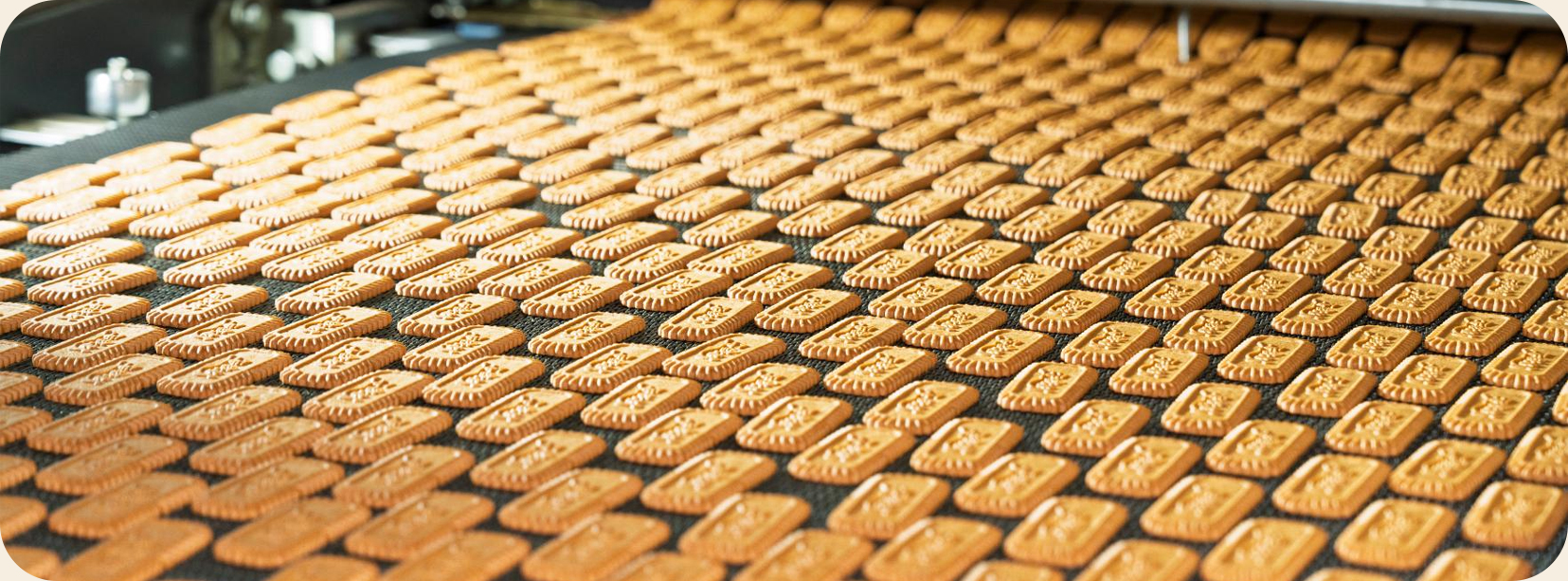
Cookie crumbs are not a by-product — they are a purpose-engineered ingredient. In modern food manufacturing, cookie crumbs serve as a functional flavor and texture carrier used across dairy, frozen dessert, bakery, and beverage applications. Rather than being ground-up waste, commercial-grade cookie crumbs are produced from whole biscuits that are deliberately crushed, sieved, and graded to achieve specific particle sizes and moisture profiles.
The two dominant variants in the B2B market are cocoa cookie crumbs and caramel cookie crumbs, both valued for their clean-label profiles — no added colorants, no artificial flavoring agents — allowing the natural aroma and color of the base ingredients to define the final sensory experience.
Industries that rely heavily on cookie crumbs as base materials include:
- Ice cream and frozen desserts (sandwich biscuit bases, mix-ins, cone coatings)
- Dairy products (yogurt toppings, cheesecake crusts)
- Chocolate confectionery (praline fillings, enrobing textures)
- Tea beverages and milk tea chains (crunchy toppings)
- Bakery fillings and layered pastries
How Do You Store Cookie Crumbs Correctly?
Improper storage is the leading cause of quality degradation in cookie crumbs. Because crumbs have a high surface-area-to-volume ratio compared to whole biscuits, they are significantly more susceptible to moisture absorption, oxidation, and flavor loss. The following storage parameters are considered industry standard for bulk cookie crumbs:
| Parameter | Recommended Range | Risk if Exceeded |
|---|---|---|
| Temperature | ≤ 25°C (77°F) | Fat oxidation, rancidity, flavor degradation |
| Relative Humidity | ≤ 65% RH | Clumping, mold growth, crunch loss |
| Moisture Content (product) | ≤ 5% | Microbial activity, texture collapse |
| Shelf Life (sealed, ambient) | 9–12 months | Stale aroma, off-notes in finished products |
| Packaging | Multi-layer foil or PE-lined bags, nitrogen-flushed | Accelerated oxidation, contamination |
Best Practices for In-Facility Storage
- Store away from strong-odor ingredients (spices, cleaning agents) — crumbs readily absorb ambient aromas.
- Follow FIFO (First In, First Out) rotation strictly, especially for high-fat variants like cocoa crumbs.
- Once opened, reseal bags with vacuum clips or transfer to airtight containers; plan to use within 4–6 weeks.
- Avoid storing directly on concrete floors — use pallets to prevent moisture wicking from below.
- In high-humidity climates (e.g., Southeast Asia), consider climate-controlled warehousing even for ambient-rated products.
Key Quality Indicators When Sourcing Cookie Crumbs
Not all cookie crumbs perform equally across applications. When evaluating suppliers or products, food manufacturers should assess the following technical parameters:
Particle Size Distribution
Particle size directly affects mouthfeel, visual appeal, and structural performance. Coarse crumbs (2–6 mm) are preferred for visible inclusions in ice cream or yogurt; fine crumbs (under 1 mm) are used for coating or binding applications like cheesecake bases. A reliable manufacturer provides sieve analysis data to confirm particle uniformity within each batch.
Fat Content and Oxidation Stability
Cocoa cookie crumbs typically carry 15–25% fat by weight. High fat content improves flavor richness but demands tighter oxidation controls. Peroxide value (PV) should be below 5 meq/kg at the point of delivery to ensure acceptable shelf performance within finished goods.
Color Consistency
In clean-label production, color consistency is achieved through ingredient quality, not dyes. Suppliers should provide L*a*b* color coordinates per lot to verify batch-to-batch consistency — a critical requirement for branded food companies with strict visual identity standards.
Microbiological Standards
- Total Plate Count: ≤ 10,000 CFU/g
- Yeast and Mold: ≤ 100 CFU/g
- Coliforms: Absent or ≤ 10 CFU/g
- Salmonella: Absent in 25g
Cookie Crumbs in Ice Cream Manufacturing: A Practical Overview
Ice cream sandwich biscuits and crumb inclusions represent one of the largest application segments for cookie crumbs globally. The technical challenge here is unique: crumbs must maintain their crunch integrity at temperatures between −18°C and −25°C, while resisting moisture migration from the ice cream matrix over shelf life.
Two key formulation strategies are used by manufacturers:
- Fat-based moisture barriers: Coating crumbs in a thin layer of cocoa butter or palm oil before inclusion reduces water activity transfer from ice cream to crumb, preserving texture for 6–12 months in frozen storage.
- Low-moisture base formulation: Using crumbs with an initial moisture content below 3.5% creates a greater aw differential buffer, slowing moisture uptake during the product's shelf life.
Leading frozen food brands typically specify crumb suppliers who can certify water activity (aw) values below 0.4 at the time of shipment — the critical threshold below which most microbial and textural degradation is prevented in frozen applications.
Frequently Asked Questions About Cookie Crumbs
Can cookie crumbs be used in hot beverage applications?
Yes, but with limitations. At temperatures above 60°C, most cookie crumbs begin to soften rapidly due to fat melting and starch gelatinization. For hot applications such as tea-based drinks, crumbs are served as a cold-side topping or used in layered dessert formats where they are not submerged in hot liquid. In milk tea chains, crumbs are typically applied at the point of service onto cold or room-temperature components.
What is the difference between cookie crumbs and breadcrumbs?
While they appear similar, the two serve entirely different functions. Cookie crumbs are sugar-rich, fat-rich, and flavor-forward — designed to contribute sweetness, aroma, and textural contrast in dessert applications. Breadcrumbs are low-fat, low-sugar, and functionally neutral — designed for binding, coating, or moisture absorption in savory applications. Cross-substitution between the two almost always produces unsatisfactory results.
How should manufacturers handle allergen labeling for cookie crumbs?
Cookie crumbs commonly contain wheat (gluten), milk derivatives, soy lecithin, and sometimes eggs — all major allergens in most regulatory jurisdictions, including the EU, US (FDA), and China (GB 7718). Manufacturers using cookie crumbs must declare these allergens on finished product labels and implement appropriate cross-contact controls if producing allergen-free product lines in the same facility.
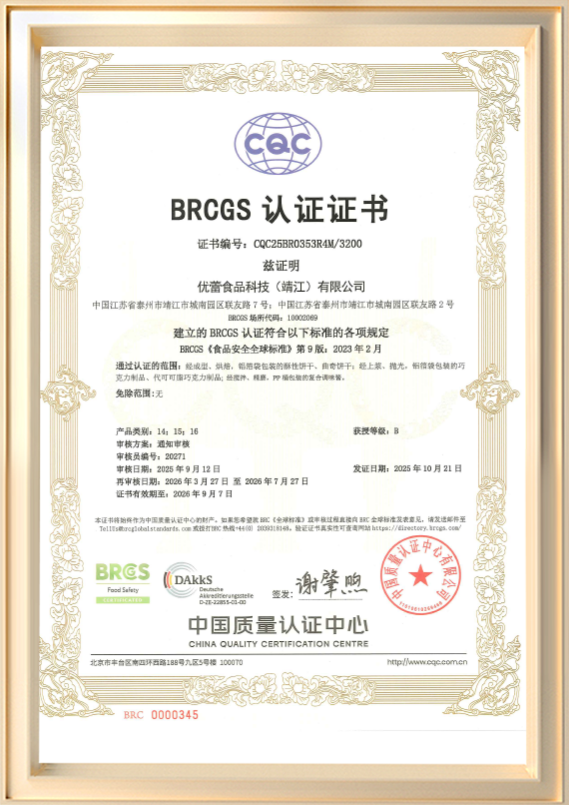
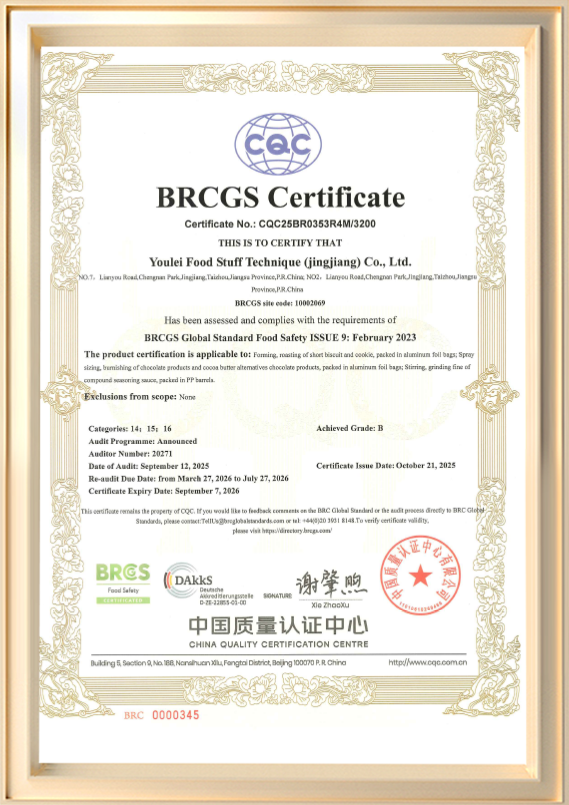
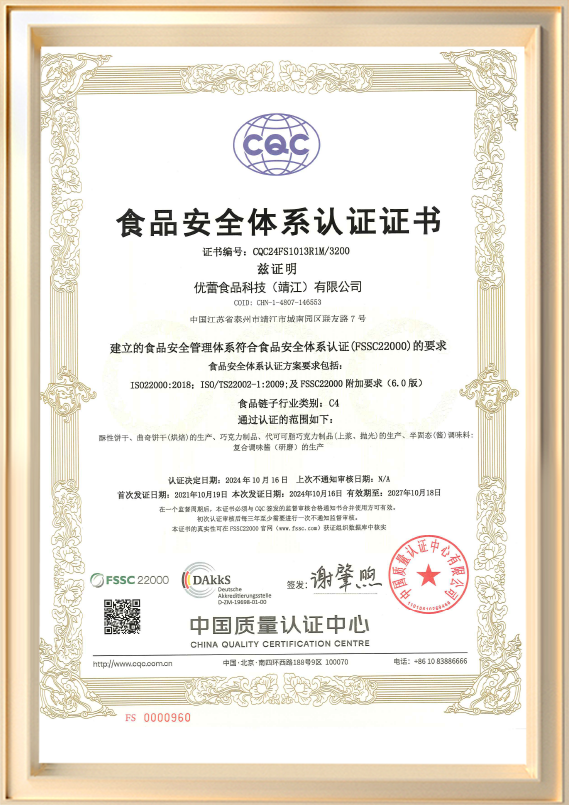
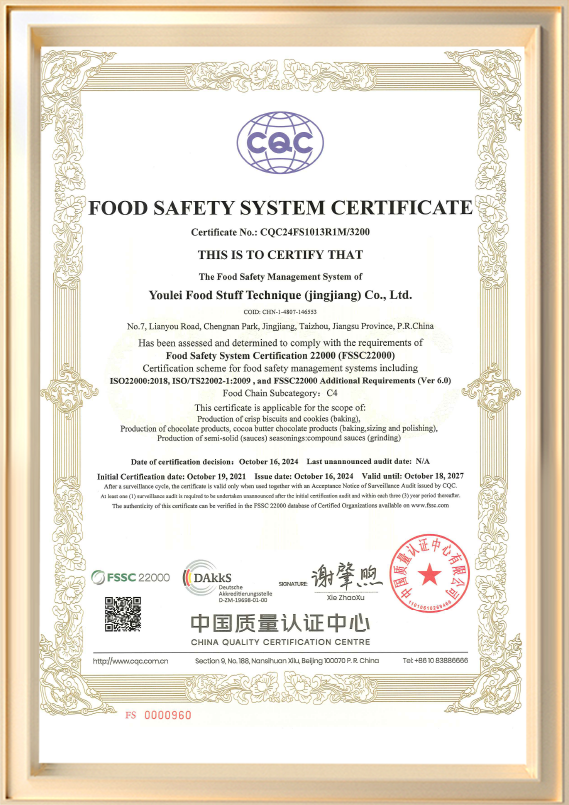
What certifications should a cookie crumbs supplier hold?
For B2B procurement at scale, buyers should prioritize suppliers holding the following:
- ISO 22000 or FSSC 22000 — food safety management system standard
- HACCP certification — hazard analysis and critical control point compliance
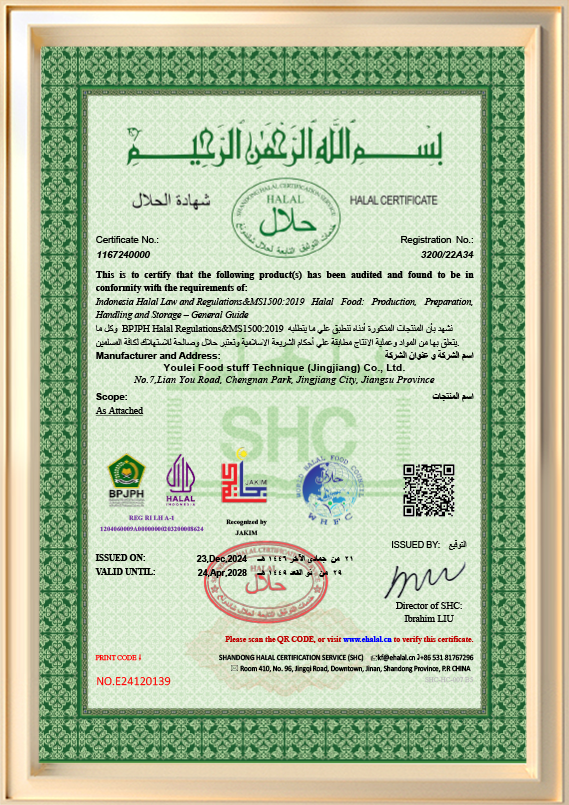
- Halal and/or Kosher certification — essential for access to Middle Eastern and Jewish market segments
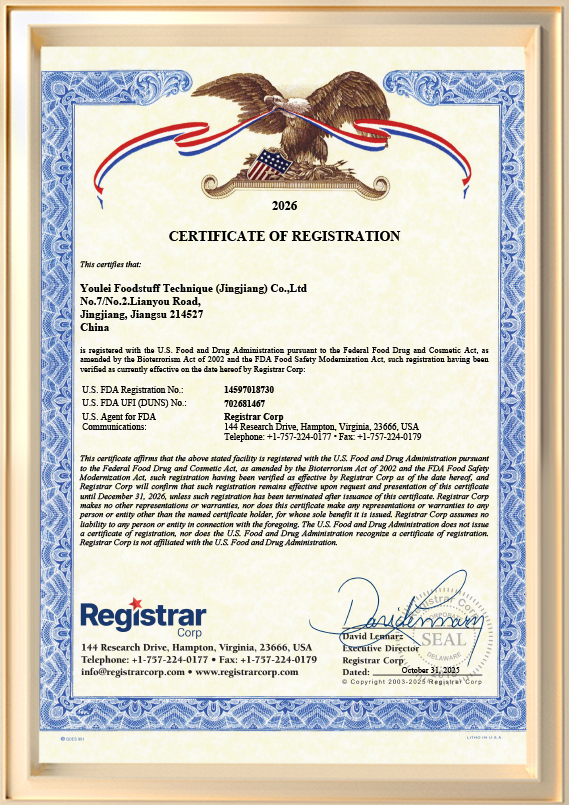
- Export registration (e.g., FDA registration for the US market, EC registration for the EU export)
Is custom particle sizing available from manufacturers?
Yes. Most professional cookie crumb manufacturers offer custom granulation services, allowing buyers to specify a target particle size range (e.g., 1–3 mm, 3–5 mm) or a blend of multiple grades. Minimum order quantities for custom specs typically start at 500 kg to 1 MT per SKU, depending on the supplier's production line configuration. Custom flavors such as matcha, salted caramel, or vanilla variants are also increasingly available through OEM cooperation agreements.
Trends Shaping the Cookie Crumbs Industry
The global biscuit and cookie market was valued at approximately USD 43 billion in 2023, with derivative ingredient segments like cookie crumbs growing in parallel as the frozen dessert and specialty beverage sectors expand. Several structural trends are influencing how manufacturers and suppliers approach cookie crumb product development:
- Clean-label demand: Food brands increasingly require crumb ingredients with no artificial colors, flavors, or preservatives, driving reformulation across the supply base.
- Texture innovation: New processing techniques — including high-temperature short-time (HTST) baking and controlled cooling profiles — enable crumbs with extended crunch retention in wet or frozen environments.
- Flavor diversification: Beyond classic cocoa and vanilla, emerging flavors such as black sesame, hojicha, and brown butter are entering commercial production in response to premiumization trends in the tea beverage and patisserie segments.
- Sustainability and traceability: Buyers — particularly in European markets — now request documentation of cocoa sourcing (UTZ, Rainforest Alliance) as ESG compliance requirements filter down the supply chain.